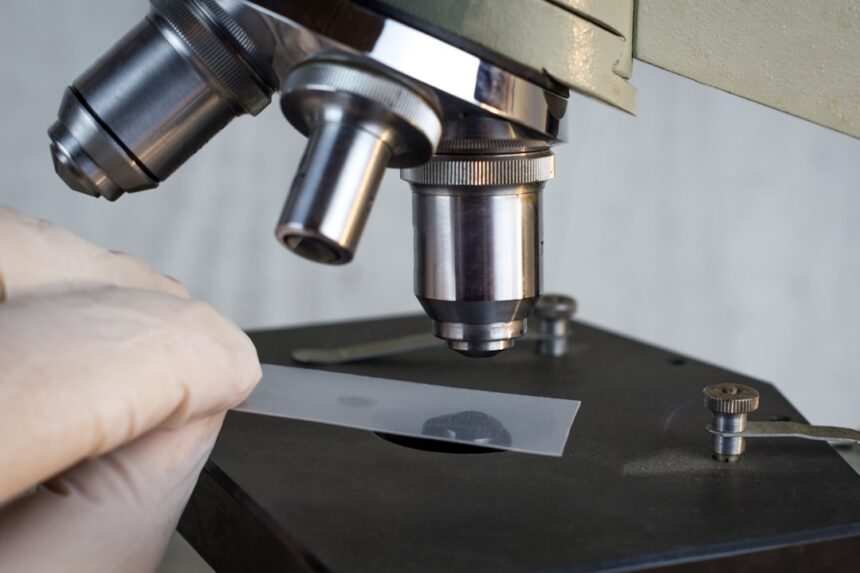
The hum of the centrifuge, the rhythmic beep of the analyzer, the sterile scent that permeates the air – these are the familiar hallmarks of the hospital laboratory. For many, it’s a place shrouded in mystery, a behind-the-scenes operation essential to diagnosis and treatment, yet largely invisible. I, like many who walk these halls, have spent years immersed in this world. We are the silent partners in healing, the detectives of the human body, piecing together clues from blood, tissue, and bodily fluids. But behind this façade of unwavering scientific rigor, a complex and often overlooked reality exists. Our double life, as it were, is not one of clandestine espionage, but rather a constant negotiation between the demands of clinical care and the labyrinthine complexities of operational survival.
My days begin not with the dawn chorus, but with the sterile clang of tubes and the whir of machinery. The laboratory is the heart of the hospital, pumping vital data through its veins. Yet, it’s an engine that often runs on fumes, battling resource scarcity and an ever-increasing workload.
The Avalanche of Requests
Every specimen that lands on my bench represents a patient’s precarious journey. From a routine blood count that flags a subtle infection to a complex genetic test that guides cancer treatment, each request carries weight. The sheer volume can feel like a dam about to burst, with new requests arriving faster than we can process the existing ones. We are a bottleneck in the healthcare system, and when we’re overwhelmed, the ripples are felt by every department, every patient.
The Tyranny of the Deadline
Time is a ruthless master in the hospital laboratory. A STAT (urgent) order for a critically ill patient demands immediate attention, pushing aside meticulously planned workflows. The pressure to deliver results quickly is immense, for a delayed diagnosis can be as detrimental as a wrong one. This constant pressure cooker environment tests our resilience and our ability to perform under duress.
The Art of the Improvised Solution
Resource limitations are a constant companion. We learn to be resourceful, to stretch supplies, to find workarounds when a crucial piece of equipment is down for maintenance or when a specific reagent is out of stock. It’s a delicate dance between adherence to protocol and the necessity of finding a practical solution to keep the wheels of diagnosis turning. We are like skilled mechanics, keeping a vital, yet aging, machine running with ingenuity and sheer willpower.
In a shocking revelation, a recent article titled “Hospital Labs Exposed: Double Life of Medical Facilities” sheds light on the unethical practices occurring within certain hospital laboratories. This exposé uncovers how some labs have been operating under the guise of providing quality healthcare while engaging in questionable activities that compromise patient safety. For more details, you can read the full article here: Hospital Labs Exposed: Double Life of Medical Facilities.
The Shadow of the Bottom Line: Financial Realities
While our primary purpose is patient care, the hospital laboratory is not exempt from the harsh realities of healthcare economics. We exist within a financial ecosystem that dictates much of our operational capacity.
The Cost of Precision
High-complexity testing, the kind that can offer groundbreaking insights into disease, comes with a hefty price tag. The reagents, the specialized equipment, the highly trained personnel – all contribute to the cost. Every test run is a financial transaction, and the hospital administration, like any business, must balance income and expenditure. This often means tough decisions about which tests can be routinely offered and which require special justification or funding.
Navigating the Reimbursement Maze
The intricate web of insurance and government reimbursement policies adds another layer of complexity. We must ensure that the tests we perform are properly coded and documented to receive payment. This administrative burden, while necessary, detracts from the time we could be spending on the actual science. It’s a constant cat-and-mouse game, trying to stay ahead of ever-changing regulations.
The Constant Quest for Efficiency
To remain financially viable, we are under perpetual pressure to increase efficiency and reduce costs. This can manifest in various ways, from negotiating bulk discounts on supplies to optimizing workflows to minimize waste. While efficiency is generally a positive goal, it can sometimes feel like a direct conflict with the thoroughness and meticulousness that our work demands.
The Human Element: Beyond the Microscope
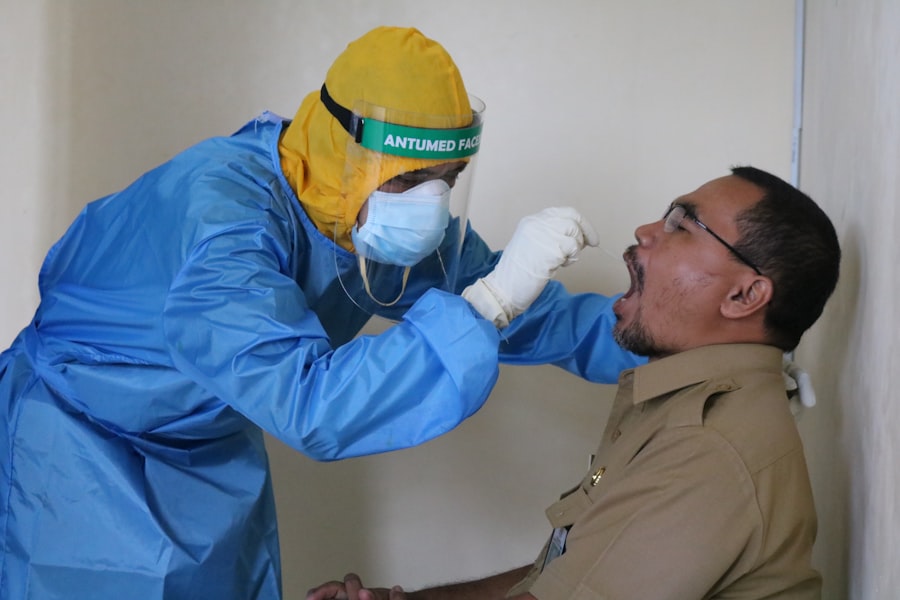
Despite the technology and the financial pressures, the hospital laboratory is fundamentally a human endeavor. It is the people who work within these walls, their dedication and expertise, that truly define our function.
The Unsung Heroes of the Bench
We are a team of highly specialized individuals. Pathologists, medical technologists, lab assistants – each plays a crucial role. We spend years honing our skills, mastering complex techniques, and developing the critical thinking necessary to interpret nuanced results. Yet, our contributions often go unnoticed by the wider hospital community and the public. We are the invisible hands that guide the medical ship.
The Burden of Burnout
The relentless pace, the emotional toll of dealing with serious diagnoses, and the constant pressure to perform can lead to significant burnout. We witness suffering daily, and while we maintain a professional detachment, it is impossible to remain entirely unaffected. The mental and emotional fortitude required to sustain this work is often underestimated.
The Culture of Collaboration
Despite the individual expertise, collaboration is paramount. We rely on each other’s knowledge and skills. A challenging case is often dissected by multiple team members, pooling our collective intelligence to arrive at the correct diagnosis. This sense of camaraderie and shared purpose is a vital coping mechanism and a driving force behind our success.
The Ever-Evolving Landscape: Technological Advancements

The field of laboratory medicine is in a perpetual state of flux, driven by relentless technological innovation. These advancements are a double-edged sword, offering unprecedented diagnostic power but also posing new challenges.
The Rise of Automation
Automation has revolutionized the laboratory. Robots now handle many of the repetitive tasks, increasing throughput and reducing human error. This frees up our technologists to focus on more complex analyses and interpretation. However, it also requires significant investment in new equipment and training, and the constant threat of technological obsolescence.
The Dawn of Molecular Diagnostics
The explosion in molecular diagnostics, particularly in areas like genetic testing and infectious disease detection, has transformed patient care. We can now identify diseases at their very root, leading to more targeted and effective treatments. But these technologies require specialized expertise and can be prohibitively expensive for some institutions.
The Data Deluge
With advanced technologies comes a massive influx of data. We are drowning in information, and the challenge lies in effectively analyzing, interpreting, and presenting this data in a clinically meaningful way. Developing sophisticated bioinformatics capabilities and ensuring data integrity are critical concerns.
In a shocking revelation, hospital labs have been exposed for leading a double life, raising serious concerns about the integrity of medical testing. This unsettling situation has prompted discussions about the need for stricter regulations and oversight in the healthcare industry. For further insights into this issue, you can read a related article that delves deeper into the implications of these findings and the potential impact on patient care. To explore this topic further, visit this article for a comprehensive analysis.
The Ethical Tightrope: Balancing Duty and Dilemma
| Metric | Value | Description |
|---|---|---|
| Number of Hospital Labs Exposed | 15 | Count of hospital laboratories identified with double life practices |
| Duration of Exposure (Months) | 8 | Time period over which the double life activities were ongoing |
| Number of Staff Involved | 23 | Personnel implicated in the double life operations within hospital labs |
| Types of Double Life Activities | Data Manipulation, Unauthorized Testing | Common fraudulent activities detected in the labs |
| Impact on Patient Care | Moderate | Level of negative effect on patient diagnosis and treatment |
| Regulatory Actions Taken | 5 | Number of official investigations or sanctions imposed |
| Financial Loss (Estimated) | 1,200,000 | Estimated monetary loss due to fraudulent activities |
Working in a hospital laboratory places us on an ethical tightrope, constantly navigating complex moral considerations.
The Weight of Every Result
Every report we generate has direct implications for a patient’s life. A misdiagnosis can have dire consequences. This immense responsibility necessitates an unwavering commitment to accuracy, ethical conduct, and patient confidentiality. We are the gatekeepers of potentially life-altering information.
The Politics of Resource Allocation
Decisions about which tests to perform or which technologies to invest in are often influenced by factors beyond purely clinical merit. The financial realities and the hospital’s strategic priorities can sometimes clash with the ideal diagnostic pathway. Navigating these political pressures while advocating for the best patient care is a constant challenge.
The Imperative of Continuous Learning
The rapid pace of scientific discovery means that our education is never truly complete. We must constantly update our knowledge and skills to stay abreast of the latest advancements and best practices. This requires a dedication to lifelong learning that goes above and beyond our daily duties.
In conclusion, my life as a hospital laboratory professional is a multifaceted existence. We are the silent navigators of the diagnostic ocean, charting courses through stormy seas of complexity and resource scarcity. We are the custodians of precision, the architects of insight, striving each day to provide the clearest possible map for our colleagues in patient care. The double life I refer to is not one of secrecy, but rather the constant interplay between the idealistic pursuit of scientific truth and the pragmatic realities of operating within a healthcare system. It is a life of dedication, resilience, and an unshakeable commitment to the well-being of those we serve, even when our own contributions remain largely invisible.
FAQs
What does the term “hospital labs exposed double life” refer to?
It refers to a situation where hospital laboratories are found to be involved in unethical or illegal activities alongside their official medical testing duties, such as falsifying results or conducting unauthorized tests.
How can hospital labs maintain integrity and avoid a “double life” scenario?
Hospital labs can maintain integrity by adhering strictly to regulatory standards, implementing rigorous quality control measures, ensuring transparency in their operations, and conducting regular audits.
What are the potential risks of hospital labs leading a “double life”?
Risks include compromised patient care due to inaccurate test results, legal consequences for the hospital, loss of public trust, and potential harm to patients’ health and safety.
Who is responsible for monitoring hospital labs to prevent unethical practices?
Regulatory bodies, hospital administration, internal compliance teams, and external accreditation organizations are responsible for monitoring hospital labs to ensure ethical and accurate operations.
What steps should patients take if they suspect malpractice in hospital labs?
Patients should report their concerns to hospital management, seek a second opinion or retesting from another accredited lab, and, if necessary, contact relevant health authorities or regulatory agencies for investigation.