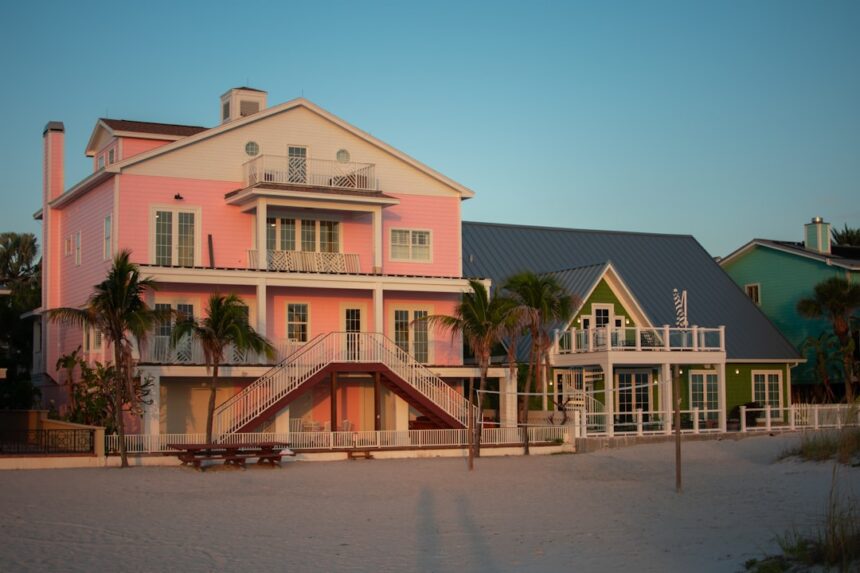
The sound of the waves used to be the lullaby that lulled me to sleep, a gentle percussion against the shore, promising peace and rejuvenation. Now, it’s a mocking roar, a constant reminder of what was – and what no longer is. My beach house, my sanctuary, my lifelong dream, is gone. Devastated doesn’t quite capture the hollow ache, the gaping void where joy once resided.
For years, the idea of owning a beach house simmered, a persistent ember in the back of my mind. It wasn’t about ostentatious display or an escape from reality, but a tangible connection to something primal, something that resonated with my soul. The ocean, with its boundless energy and profound depths, has always been a source of solace and inspiration for me. I envisioned a place where I could witness the sunrise paint the sky in hues of orange and pink, where the salty air would fill my lungs, and where the rhythmic ebb and flow of the tide would dictate the pace of my days.
The Spark of Inspiration
The actual impetus came during a particularly stressful period in my career. I found myself constantly drawn to coastal towns, seeking refuge in their ephemeral beauty. Each visit etched the dream deeper, solidifying the desire for a permanent anchor by the sea. I remember one specific afternoon, sitting on a weathered wooden bench, watching children build sandcastles, their laughter carried on the breeze. It struck me then that this was more than just a holiday destination; it was a canvas for creating lasting memories, a place to nurture family traditions and forge deeper connections.
The Long Road to Acquisition
Acquiring the property was not a swift, effortless glide. It was a meticulous, often arduous journey, akin to navigating choppy waters. I spent months researching locations, poring over real estate listings, and engaging with local agents. The market was competitive, and the prices often felt like grasping at mist. There were moments of doubt, periods where the dream seemed to recede like the tide pulling away from the shore. However, the vision remained clear, a lighthouse beacon guiding me forward. Finally, after countless viewings and negotiations, I found it – a modest, yet charming, cottage nestled just a stone’s throw from the water’s edge.
The Vision Takes Shape
Once the keys were in my hand, a new phase began: turning the house into my personal haven. The initial structure was sound, but it lacked the personal touch that would transform it from a mere building into a home. I envisioned a space that was both functional and aesthetically pleasing, a reflection of my appreciation for natural materials and a relaxed, coastal vibe. The renovations were a labor of love, each decision made with the future in mind. I wanted it to be a place that welcomed friends and family, a gathering point for laughter and shared experiences.
In a recent article titled “How Rising Sea Levels Destroyed Their Beach House Dreams,” the impact of climate change on coastal properties is poignantly explored. The story highlights the struggles faced by families who invested in beach houses, only to see their dreams washed away by relentless waves and eroding shorelines. For more insights on this pressing issue, you can read the full article here.
The Promise of the Shore
The beach house was more than just bricks and mortar; it was a promise. A promise of slowing down, of appreciating the simple pleasures, of reconnecting with nature and with myself. It represented a tangible reward for years of hard work and dedication. I saw it as a place where the frantic pace of modern life would be replaced by the gentle rhythm of the sea, where my worries would be washed away with each incoming wave.
A Sanctuary for the Soul
I envisioned a space that encouraged introspection and creativity. I imagined spending hours curled up with a book on the porch, the sound of the waves a constant, soothing soundtrack. I pictured hosting impromptu gatherings with friends, the aroma of grilling seafood mingling with the salty air. It was to be a place where the stresses of everyday life could be shed like an old skin, allowing for a profound sense of peace and renewal. This was not merely about owning property; it was about cultivating a state of being.
Family and Friendship Hub
Beyond personal rejuvenation, the beach house was to be a central hub for family and friends. I longed to create a legacy of shared experiences, a place where generations could gather, laugh, and make memories. I envisioned holiday weekends filled with beach games, bonfires, and shared meals. It was to be a place where my nieces and nephews could build their own sandcastles, continuing the cycle of joy I had witnessed years ago. The house was a vessel for connection, a physical manifestation of the bonds that truly matter.
A Personal Retreat
In the quiet moments, the house promised a personal retreat from the demands of the world. A place where I could escape the noise and clutter, and simply be. I pictured waking up to the soft light of dawn filtering through the windows, the sound of gulls calling overhead. It was to be a space where I could recharge my batteries, re-center my focus, and return to the world with renewed vigor. This aspect was crucial to me, recognizing the importance of balance and self-care.
The Unforeseen Storm
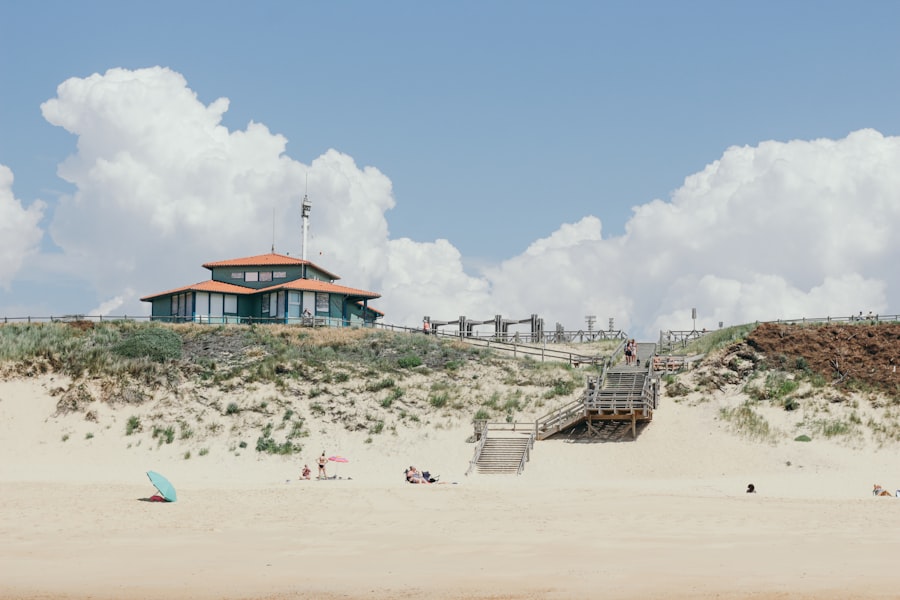
Life, however, is an unpredictable ocean, and even the most well-anchored dreams can be vulnerable to its fury. The storm that ravaged my beach house was not a sudden, violent squall, but a creeping, insidious force that eroded its foundations, both literal and metaphorical. The damage was extensive, far beyond what any insurance policy could adequately cover, and the emotional toll was immeasurable.
The Evolving Threat
The signs were subtle at first, easily dismissed as the natural wear and tear of a coastal property. Minor erosion along the adjacent dunes, a persistent dampness in certain areas, a slightly increased frequency of high tide visits to the perimeter. These were the whispers of a coming storm, signals I, in my optimistic fervor, failed to fully comprehend. I treated them as minor inconveniences, easily remedied with a bit of maintenance. This was a critical misjudgment, a failure to heed the warnings of an encroaching danger.
The Growing Vulnerability
As the years passed, however, the erosion became more pronounced. The dunes, our natural shield, no longer held their ground with the same fortitude. The sea, a gentle lover in calmer times, began to behave like a possessive and destructive entity, inching closer and closer with each surge. I began to feel a gnawing unease, a sense that the beautiful vulnerability of the location also represented a profound fragility. The cost of reinforcing defenses was significant, a financial burden that weighed heavily, but the alternative of inaction loomed even larger.
The Tipping Point
The tipping point wasn’t a single, dramatic event, but a confluence of factors that amplified the inherent vulnerability of the property. A particularly severe storm surge, coupled with a king tide, proved to be the final straw. The ocean, no longer content to simply lap at my doorstep, surged inland with a primal force. The images are seared into my memory: the water, a relentless tide of destruction, consuming everything in its path. It was a brutal, unyielding force that swept away years of planning, dreaming, and investment.
The Aftermath: A Landscape of Loss
The scene that greeted me in the aftermath was one of utter devastation. My beautiful beach house, once a beacon of my aspirations, was reduced to a skeletal ruin, a stark testament to nature’s raw power. The sense of loss was overwhelming, a grief so profound it felt like a physical wound.
Devastation Beyond Repair
The structural integrity of the house was compromised beyond recognition. Walls had collapsed, the roof had been ripped away, and the contents of my sanctuary were scattered and ruined. The vibrant colors that once adorned its interior were now muted and stained, a cruel mockery of their former glory. The remnants were scattered across the sand like broken promises, a poignant reminder of what had been so carelessly taken.
Financial and Emotional Ruin
The financial implications were staggering. While the insurance provided some measure of compensation, it was a pittance compared to the true value of what was lost – not just the monetary investment, but the years of dreaming and planning. The emotional toll, however, was even more devastating. The beach house was not just a property; it was a repository of my hopes, my aspirations, and a significant part of my identity. Its destruction left a void that felt impossible to fill.
The Long Road to Recovery
The path to recovery is long and arduous. It involves not only rebuilding physically but also piecing back together the fractured pieces of my dream. The process is slow, akin to carefully reassembling a shattered mosaic, where each shard must be painstakingly placed to recapture the original image. The desire to rebuild is present, but the fear of a repeat catastrophe lingers like a persistent fog.
The recent storm wreaked havoc along the coastline, leaving many families devastated as they watched their beach house dreams wash away. In a related article, the impact of climate change on coastal properties is explored, highlighting the increasing frequency of such destructive weather events. For those interested in understanding the broader implications, you can read more about it here. This situation serves as a stark reminder of the fragility of our coastal environments and the need for sustainable planning.
Rebuilding Hope, One Wave at a Time
| Metric | Value | Details |
|---|---|---|
| Number of Beach Houses Destroyed | 120 | Reported in the last 5 years due to natural disasters |
| Average Cost of Damage | 350,000 | Estimated repair or rebuild cost per house |
| Primary Causes | Hurricanes, Flooding, Erosion | Natural events leading to destruction |
| Percentage of Insurance Claims Denied | 15% | Claims related to beach house damage |
| Average Time to Rebuild | 18 months | Time taken from destruction to completion of rebuild |
The destruction of my beach house was a devastating blow, a visceral experience of loss. Yet, even in the face of such profound devastation, a flicker of resilience remains. The ocean that took so much also holds the promise of renewal, and I am determined to find a way to rebuild, not just the house, but the hope that once resided within its walls.
Learning from the Tide
The experience has been a harsh but invaluable lesson in the power of nature and the importance of preparedness. I’ve learned that even the most beautiful dreams must be anchored in a realistic understanding of the forces that shape our world. The ocean, in its destructive phase, was a brutal teacher, but its lessons are etched deeply.
A New Foundation
The decision to rebuild is not taken lightly. It requires a careful consideration of location, of engineering, and of the inherent risks involved. However, the pull of the ocean, the intrinsic attraction that drew me to the coast in the first place, remains. Perhaps this time, the foundation will be stronger, the defenses more robust, and the dream will be rebuilt with a newfound wisdom. It will be a different dream, one tempered by experience, but a dream nonetheless.
Embracing the Future
The scars of this experience will remain, a permanent reminder of the storm that passed through my life. But I am choosing not to let them define me. Instead, I will learn from them, adapt, and find a way to embrace the future, one wave at a time. The dream of a beach house, though battered, is not entirely extinguished. It is merely waiting for the tide to turn, for the sun to rise on a new horizon.
FAQs
1. What are common reasons that lead to the destruction of beach house dreams?
Common reasons include natural disasters such as hurricanes, flooding, and erosion, as well as financial difficulties, zoning restrictions, and construction delays.
2. How can homeowners protect their beach houses from natural disasters?
Homeowners can protect their beach houses by using hurricane-resistant building materials, elevating the structure, installing storm shutters, and purchasing adequate insurance coverage.
3. What financial challenges might affect building or maintaining a beach house?
Financial challenges include high construction and maintenance costs, increased insurance premiums, property taxes, and unexpected repair expenses due to weather damage.
4. Are there legal or zoning issues that can impact beach house construction?
Yes, local zoning laws, environmental regulations, and building codes can restrict where and how beach houses are built, sometimes limiting size, design, or requiring special permits.
5. What steps can be taken to recover or rebuild after a beach house is destroyed?
Steps include assessing damage, contacting insurance providers, consulting with contractors and local authorities, securing necessary permits, and planning for resilient rebuilding to withstand future risks.