
I am a teacher, and this is my truth. My classroom, for many years, has been a crucible where the raw, unvarnished realities of family life often boil to the surface. It is a space where I, as an educator, am entrusted not only with minds but also with the implicit understanding that children are barometers of their home environments. Over two decades, I have observed a recurring phenomenon, a subtle yet pervasive current beneath the surface of parent-teacher interactions: the parental lie. This isn’t about malicious intent in every instance; often, it stems from discomfort, a desire to maintain an image, or even a misguided attempt at protection. However, the impact on the child, and on my ability to effectively educate, is undeniable.
From seemingly innocuous exaggerations to outright deceits, the lies I encounter come in various shades and motivations. It’s a spectrum, you see, a kaleidoscope of untruths, each reflecting a different facet of human frailty and social pressure.
The “Perfect Child” Narrative
This is perhaps the most common fabrication I encounter. Parents, understandably, want their children to be viewed positively. However, this desire often manifests as a distorted portrayal of their child’s behavior and academic abilities at home.
The “He’s an Angel at Home” Trope
I cannot count the number of times I’ve heard this. A child, perhaps prone to disruptive behavior,
frequent outbursts, or a complete disinterest in homework during school hours, is miraculously transformed into a paragon of obedience and studiousness once they cross the threshold of their home. “Oh, he never talks back at home, Mrs. Smith,” they’ll say, their eyes wide with feigned surprise when I detail a recent classroom incident. Or, “She’s always so diligent with her chores and reading at night.” While I appreciate the sentiment, it creates a chasm between my observations and their reports, making it nearly impossible to implement a consistent behavioral strategy. The child, caught in this dissonance, learns that truth is contextual, a malleable entity dependent on the audience.
The “Academic Prodigy” Myth
Another variant involves academic performance. When confronted with a child’s struggles, parents might insist on their child’s innate brilliance. “He’s so quick, I know he understands it,” or “She picks things up so fast at home.” This often accompanies a dismissal of the need for additional help or intervention. The subtext is clear: my child doesn’t struggle; therefore, your teaching methods must be lacking. This narrative, while perhaps comforting for the parent, actively hinders my ability to address learning gaps. The child, internalizing this belief, may develop a resistance to admitting difficulty, impacting their self-efficacy and resilience when faced with academic challenges.
The “Busyness Barrier” Untruth
In our fast-paced world, parents are undeniably busy. However, sometimes this “busyness” becomes a convenient shield, a universal excuse for missed deadlines, forgotten assignments, or a general lack of engagement with their child’s education.
The “Always Working” Excuse
I’ve had parents claim to be working “around the clock” to justify their inability to attend parent-teacher conferences, volunteer, or even review their child’s homework. While I acknowledge the realities of demanding careers, I’ve observed instances where this excuse is deployed even when the demanding schedule doesn’t quite align with the child’s narrative or my own observations of parent pick-up and drop-off times. The impact on the child, in these scenarios, is a burgeoning sense of unimportance. They perceive their education as a low priority for their parents, which can translate into a lack of motivation and a diminished sense of accountability for their own academic performance.
The “I’m Just Too Stressed” Ploy
Life is stressful, and I am empathetic to the pressures parents face. However, some parents weaponize stress as a means to deflect responsibility. “I’m just too stressed to deal with this right now,” is a common refrain when I attempt to discuss a child’s ongoing behavioral or academic issues. This, while perhaps genuinely felt, often acts as a conversation stopper, effectively shutting down any possibility of collaborative problem-solving. The child, witnessing this, may internalize that their struggles are an additional burden to their already harried parents, possibly leading them to suppress their own needs or anxieties.
In a thought-provoking article titled “Unmasking the Truth: How Parents’ Lies Shape Our Perceptions,” the author delves into the impact of parental deception on children’s understanding of reality. This piece resonates with the theme of exposing the lies parents tell, as it explores the psychological effects and long-term consequences of these fabrications. For those interested in this compelling discussion, you can read the full article here: Unmasking the Truth: How Parents’ Lies Shape Our Perceptions.
The Web of Deceit: Consequences for the Child
When parents weave a tapestry of untruths, the threads inevitably entangle the child, impacting their development and their relationship with the world around them. The child, in essence, becomes an unwitting participant in a grand narrative that may bear little resemblance to their lived experience.
Erosion of Trust and Authenticity
The most significant consequence, in my professional opinion, is the erosion of trust. When a child hears one thing at home and experiences another at school, a fundamental disconnect is established. They learn, often subtly, that truth is fluid, that presenting a fabricated reality is sometimes preferable to an honest one.
Conflicting Narratives and Confusion
Imagine a child who is told they are a “model student” at home, yet consistently faces consequences for disruptive behavior in my classroom. This conflicting narrative sows confusion and can lead to internal conflict. Who should they believe? Their parents, who offer comfort and praise, or their teacher, who presents a more challenging reality? This cognitive dissonance can manifest as anxiety, frustration, or even a sense of betrayal. The child may feel that their parents are either unaware of their struggles or, worse, are actively denying them.
The Development of a “Mask”
In an effort to navigate these conflicting realities, children may develop a “mask.” They learn to present one persona at home and another at school, a complex social maneuvering that saps their emotional and mental energy. They may feel compelled to perpetuate their parents’ narrative, even if it means denying their own experiences or feelings. This can hinder the development of a strong, authentic sense of self, as they are constantly adapting their identity to fit different expectations. They become chameleons, blending in but never truly revealing their true colors.
Hindrance to Growth and Problem-Solving
If parents are unwilling to confront uncomfortable truths, it stands to reason that their child’s growth, particularly in areas of challenge, will be stalled. The parental lie acts as a sort of intellectual sandbag, preventing forward momentum.
Denial of Support and Intervention
When academic struggles are downplayed or denied, the child misses out on crucial support and interventions. “He’ll catch up,” or “She just needs to apply herself,” are common refrains that often bypass the underlying issues. This denial can lead to a widening gap in their learning, making it exponentially harder to bridge as they progress through school. The child internally echoes their parents’ dismissal, hindering their willingness to seek help and perpetuating a cycle of underachievement.
Inability to Develop Resilience
Learning to overcome challenges is fundamental to building resilience. However, when parents protect their children from the natural consequences of their actions or shield them from acknowledging their weaknesses, they inadvertently stunt this development. If a child is never allowed to be academically weak or behaviorally challenged, they never learn the coping mechanisms necessary to navigate failure, frustration, or criticism. My classroom, for these children, becomes a terrifying landscape where their constructed reality crumbles, leaving them without the tools to rebuild. They become like saplings, protected from the wind and rain, strong in appearance but brittle when faced with a real storm.
My Role as an Unearther of Truth
As an educator, I recognize my unique position. I am a witness, a confidant, and sometimes, the first and only person to truly see a child for who they are, beyond the carefully curated image their parents might present.
The Art of Gentle Confrontation
I have learned that directly accusing a parent of lying is rarely productive. Instead, I employ a strategy of gentle confrontation, using objective data and observed behaviors to paint a clear picture.
Data-Driven Dialogue
I arm myself with concrete evidence: work samples, behavioral logs, anecdotal notes, and even recordings (with permission, of course). When a parent claims their child is a diligent worker, I present the untouched homework assignments or the half-finished projects. When they assert impeccable behavior, I refer to specific incidents, dates, and times. This factual approach often bypasses defensiveness and encourages a more honest conversation. The numbers, the words on the page, the patterns – they speak a language stronger than my subjective observations alone.
Emphasizing the Child’s Perspective
Crucially, I frame these discussions around the child’s best interest. Instead of “Your child is misbehaving,” I might say, “I’m concerned about [child’s name]’s difficulty focusing in class, and I believe it’s affecting their learning.” This shifts the focus from blame to concern, opening a path for collaborative problem-solving. I remind parents that their child’s experience at school is real, valid, and often different from their experience at home. “Imagine being [child’s name] in this situation,” I might suggest, inviting them to step into their child’s shoes.
The Path Towards Authentic Partnership
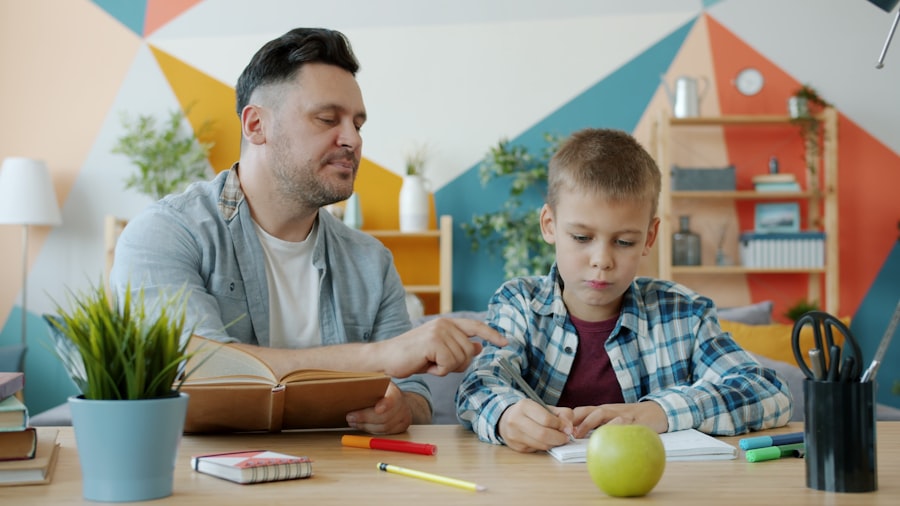
My ultimate goal is not to shame or judge, but to foster an authentic partnership with parents. For this to happen, the foundation must be built on truth, however uncomfortable it may be.
Encouraging Open Communication
I actively work to create an environment where parents feel safe to be honest, even about their child’s struggles or their own challenges. This requires consistent effort and a demonstrated willingness to listen without judgment.
Building Bridges of Trust
I make myself available, I listen actively, and I validate parental anxieties. I share my own vulnerabilities and challenges as an educator, demonstrating that perfection is not a prerequisite for effective parenting or teaching. When a parent finally confides in me about a difficult home situation or a child’s true behavioral challenges, I see it as a breakthrough, a crack in the carefully constructed façade. It’s like watching a dam finally release, allowing for a more natural flow of communication.
The Power of Shared Vulnerability
When parents are willing to be vulnerable, to admit imperfections, a powerful synergy emerges. Suddenly, we are no longer adversaries, but allies, united in our common goal: the child’s well-being and growth. This shared vulnerability creates a space for genuine collaboration, where strategies for support can be developed from a place of understanding rather than suspicion.
In a thought-provoking article, the complexities of parental honesty are explored, shedding light on the impact of lies told by parents on their children. This piece delves into how these deceptions can shape a child’s understanding of trust and reality, ultimately influencing their relationships in adulthood. For a deeper insight into this topic, you can read the full article here. The discussion raises important questions about the balance between protecting children and fostering an environment of transparency.
The Long-Term Impact
| Metric | Value | Description |
|---|---|---|
| Number of Exposed Lies | 5 | Count of false statements revealed by the teacher |
| Students Affected | 30 | Number of students impacted by the revelations |
| Parent Reactions | Mixed | Range of responses from parents after exposure |
| Teacher’s Credibility Score | 8/10 | Rating based on trustworthiness after incident |
| Follow-up Actions | 3 | Number of steps taken to address the issue |
The effects of parental honesty, or the lack thereof, reverberate far beyond the classroom walls. They are etched into the very fabric of a child’s developing personality and approach to life.
Fostering Self-Awareness and Self-Acceptance
When parents are truthful about their child’s strengths and weaknesses, they equip their child with the tools for self-awareness. The child learns to understand their own challenges and to accept them as part of their identity, rather than something to be hidden or denied. This fosters a healthy sense of self-acceptance, a crucial ingredient for mental well-being. They learn that imperfection is not a flaw, but a part of the human condition, and that growth often emerges from acknowledging limitations.
Developing Problem-Solving Skills
Children whose parents engage in honest dialogue about challenges learn to be active participants in problem-solving. They are encouraged to reflect on their actions, identify areas for improvement, and develop strategies to overcome obstacles. This invaluable skill extends far beyond the academic realm, preparing them for the complexities and demands of adulthood. They learn that every challenge has a solution, and that persistence and self-reflection are the keys to unlocking those solutions.
In conclusion, my journey as a teacher has illuminated a stark reality: the parental lie, born of various motivations, casts a long shadow. It obscures the true nature of the child, hinders my ability to educate effectively, and ultimately, delays the child’s holistic development. I implore you, as parents, to consider the profound impact of your words and actions. Embrace the messy, imperfect truth of your child and your family. It is in this authentic space, where shadows are acknowledge and light is allowed to penetrate, that true growth, trust, and partnership can flourish. For the sake of your children, let us build a foundation not of carefully constructed fictions, but of honest, sometimes uncomfortable, reality. It is the most valuable lesson you can teach them, and the greatest gift you can offer me as their educator.
FAQs
What does it mean when a teacher exposes parents’ lies?
It means the teacher has revealed or brought to light false information or untruths that parents have communicated, often related to a student’s behavior, academic performance, or other school-related matters.
Why might a teacher feel the need to expose lies told by parents?
A teacher might expose lies to ensure honesty and transparency, protect the student’s well-being, maintain trust in the educational environment, or address issues that could affect the student’s learning and development.
How can exposing parents’ lies impact the student-teacher relationship?
Exposing lies can lead to increased trust and clearer communication if handled professionally, but it may also cause tension or conflict between the teacher and parents if not approached sensitively.
What are appropriate ways for teachers to handle situations involving parents’ dishonesty?
Teachers should document facts, communicate calmly and respectfully, involve school administration if necessary, and focus on the student’s best interests while maintaining professionalism.
Are there any legal or ethical considerations for teachers when exposing parents’ lies?
Yes, teachers must adhere to school policies, respect privacy laws, avoid defamation, and ensure that any disclosures are truthful, necessary, and handled confidentially to protect all parties involved.