
The hushed rustle of leaves outside my window, once a source of gentle amusement, now carries a subtle tension. It’s a reminder that even in the quietest of neighborhoods, threats can lurk, unseen and unheard by traditional defenses. My home, once merely a shelter, has evolved. It has become a vigilant sentinel, an interwoven tapestry of sensors, cameras, and sophisticated algorithms that, just a few weeks ago, proved its mettle in the most unexpected way: thwarting what I can only describe as an inheritance heist.
My journey into the world of smart home security wasn’t born from a dramatic incident, but rather a gradual realization of vulnerabilities. I remember browsing online forums, the whispers of broken windows and ransacked drawers chilling me to the bone. It felt like an ancient battle, man against man, with technology as the only new weapon. I wanted not just locks, but an intelligent guardian, a digital sentinel that could perceive threats before they materialized.
The Foundation: A Network of Aware Sensors
The cornerstone of my smart home security lies in a meticulously planned network of sensors. These are not the bulky, obtrusive devices of yesteryear. They are sleek, unobtrusive elements that blend seamlessly into the environment, like silent guardians observing from the shadows.
Motion Detectors: The Eyes in the Darkness
I have motion detectors strategically placed in every room, along hallways, and even in the attic. These devices, employing passive infrared (PIR) technology, are incredibly sensitive to changes in heat signatures. They are fine-tuned to distinguish between the normal heat emitted by my pets and the distinct thermal footprint of an intruder. The calibration process was crucial; it involved several days of observation and adjustment to minimize false alarms triggered by sunlight or a particularly energetic feline zoomie. Now, they are exceptionally accurate, acting as my home’s nervous system, relaying any unusual movement.
Door and Window Sensors: The Whispering Sentinels
Every entry point – every door, every window, even the garage door – is equipped with a contact sensor. These are simple yet ingenious devices that consist of two parts. When the door or window is closed, the two parts are in contact, completing a circuit. When they are separated, even by a millimeter, the circuit is broken, sending an immediate alert to my system. These are the first line of defense, the initial whisper of intrusion.
Glass Break Sensors: The Sensitive Ears
For those windows that might offer a more direct entry point, I’ve also installed glass break sensors. These devices listen for the specific acoustic frequencies associated with shattering glass. Unlike motion detectors that rely on physical movement, these sensors detect the sound itself, providing an additional layer of protection for vulnerable areas.
The Brains of the Operation: The Central Hub
All these individual sensors feed information into a central hub. This is the brain of my smart home security, the conductor of this electronic orchestra. It’s a compact, discreet device that sits in a central location, constantly processing the data streamed from its peripheral nervous system.
The Protocol: Zigbee and Z-Wave Interoperability
My hub supports both Zigbee and Z-Wave protocols. This interoperability was a key consideration during my research. It allows me to choose from a wider range of devices, regardless of their specific wireless communication language. This flexibility is like having a universal translator for my security system, ensuring that all my guardians can communicate effectively.
The Software: Cloud-Based Intelligence and Local Processing
The hub’s intelligence operates on a dual-pronged approach: cloud-based processing and local operation. While many events are analyzed and flagged in the cloud, providing access to sophisticated AI and machine learning algorithms for threat detection, critical functions such as alarm activation remain functional even if my internet connection is disrupted. This redundancy is vital, ensuring that my home’s defenses are not tethered to the whims of external networks.
In recent news, a fascinating article titled “Smart Home Security: The Key to Preventing Inheritance Heists” explores how advanced technology can safeguard our homes against thefts, particularly in cases involving valuable inheritances. The piece highlights the importance of integrating smart security systems that can monitor and alert homeowners about suspicious activities, ultimately protecting their assets. For more insights on this topic, you can read the full article here: Smart Home Security: The Key to Preventing Inheritance Heists.
The Night of the Uninvited Guests
The incident occurred on a Tuesday night, a night typically uneventful, marked by the rhythmic hum of the refrigerator and the distant murmur of the city. I was asleep, nestled in the quiet embrace of my bedroom, blissfully unaware that my home was about to be tested. The external world, however, was not so dormant.
The Initial Breach: A Subtle Shift in the Environment
It began subtly. The sophisticated motion detector in my living room, a device that usually remains stoic through the nightly wanderings of my cat, registered an anomaly. Not the swift, familiar heat signature of a domestic animal, but a slower, more deliberate movement. The system, ever vigilant, processed this deviation immediately.
The First Alarm: A Silent Digital Scream
My smartphone, resting on my bedside table, vibrated with a gentle urgency. A notification flashed across its screen: “Unusual Motion Detected – Living Room.” This wasn’t the shrill siren of a traditional alarm; it was a discreet digital whisper, designed to inform without inciting panic, yet firm enough to demand attention. My heart, still groggy from sleep, began to beat a little faster.
The Escalation: A Cascade of Sensor Activations
The system, designed for a layered response, went into action. As the intruder, unaware of the digital eyes watching their every move, proceeded further into the house, other sensors began to chime in. The contact sensor on the French doors leading to the garden, which they had clearly compromised with a tool, triggered next. This was followed by the glass break sensor near the patio, indicating they had attempted further ingress. The symphony of alerts, though digital, painted a clear picture of escalating intrusion.
The Camera’s Gaze: Visual Confirmation
Simultaneously, the discreetly placed security cameras, activated by the motion sensors, began to record. The infrared night vision captured the scene in stark, monochrome detail. The images streamed directly to my phone, allowing me to witness the unfolding events from the safety of my bed. I saw shadowy figures, clearly not belonging to my household, navigating my living room with a purpose that sent a chill down my spine.
The Response: A Coordinated Digital Defense

My smart home security system isn’t just about detection; it’s about intelligent response. I had pre-programmed a series of actions to be triggered by specific sensor combinations, creating a digital defense strategy that mirrored the precision of a military operation.
Automated Deterrents: The Unseen Adversaries
As the system detected multiple intrusion points and sustained motion within the house, it initiated its automated deterrent protocols.
The Smart Lights: Illuminating the Unwelcome
The first deterrent was the light. All the interior lights, strategically placed in conjunction with motion detection zones, flickered on, flooding the rooms with sudden illumination. This was designed to disorient and expose any intruders who were operating under the cover of darkness. The sudden, unexpected brightness acted as a psychological shockwave.
The Audible Warning: A Voice in the Darkness
Following the light sequence, a pre-recorded message, broadcast through the smart speakers installed throughout the house, played aloud: “This property is under surveillance. Law enforcement has been notified.” The calm, synthesized voice, amplified by the home’s architecture, was intended to sow seeds of doubt and fear. It was a digital ghost, reminding them that they were no longer in control.
The Call to Action: Empowering Human Intervention
Crucially, my system doesn’t just operate autonomously. It empowers me, the homeowner, to act decisively.
Instant Alerts to Authorities: The Digital Dispatch
The most critical function of the night was the system’s immediate and automatic notification to the local police department. This wasn’t a delayed text message or a phone call I had to make. The central hub, upon detecting a clear and escalating intrusion scenario, directly transmitted an alert to the emergency services, including the location, type of intrusion, and in some cases, even a live feed from the cameras. This speed was paramount, shortening the crucial response time.
Remote Monitoring and Control: My Virtual Command Center
While the police were en route, I had full remote access to my system. I could not only view the live camera feeds but also control certain aspects of the home’s security. For instance, I could trigger external floodlights, activate audible alarms in specific zones, or even remotely lock down certain interior doors, effectively compartmentalizing the house. This put me in a position of informed observation and strategic control, even though I was physically distant from the immediate threat.
The Aftermath: Investigations and Validations
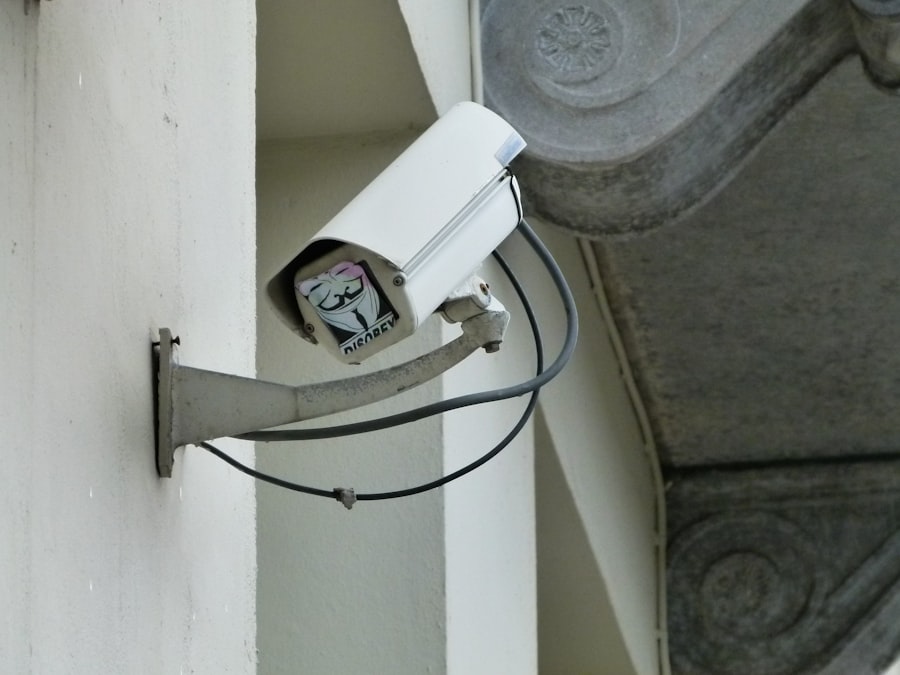
The arrival of the police was swift and efficient. The intruders, startled by the lights and the audible warning, were apprehended trying to flee the premises. The meticulous data captured by my smart home security system provided the authorities with irrefutable evidence, significantly streamlining their investigation.
The Evidence Locker: Digital Trails of the Intruders
The recorded footage from the cameras was invaluable. It provided clear images of the individuals involved, their actions within the house, and the methods they used to gain entry. This visual evidence, combined with the timestamped sensor logs that detailed the sequence of events, formed a compelling digital narrative of the attempted break-in.
Witness Testimony: The System as an Unwavering Witness
The system essentially acted as an unwavering, unbiased witness. It didn’t have a bad night’s sleep, it wasn’t swayed by intimidation, and it recorded every detail with absolute precision. This factual data was crucial for building a strong case against the perpetrators.
The Police Assessment: A Testament to Technological Advancement
The responding officers were impressed by the system’s effectiveness. They commented that in many cases, by the time they arrive, intruders have already made their escape. The speed and accuracy of my smart home security, they stated, significantly contributed to the successful apprehension of the suspects. This wasn’t flattery; it was a factual assessment based on their extensive experience.
Increased Patrols: A Tangible Security Enhancement
As a direct result of the incident, the local police department increased patrols in my neighborhood. The data from my system, coupled with what they’ve seen in other smart home-equipped residences, has apparently highlighted a trend: well-defended homes are not only less likely to be targeted but also lead to quicker resolutions when they are.
In recent news, the rise of smart home security systems has been highlighted in a captivating article that discusses a notorious inheritance heist, showcasing how technology can both protect and expose vulnerabilities in our homes. This intriguing case illustrates the importance of securing smart devices to prevent unauthorized access and potential theft. For more insights on this topic, you can read the full article [here](https://www.amiwronghere.com/sample-page/).
The Future of Fortification: Continuous Evolution
| Metric | Value | Description |
|---|---|---|
| Incident Type | Inheritance Heist | Unauthorized attempt to steal inheritance assets |
| Security System | Smart Home Security | Integrated sensors, cameras, and alarms |
| Detection Time | 2 minutes | Time taken to detect suspicious activity |
| Response Time | 5 minutes | Time taken for authorities to arrive after alert |
| Number of Intruders | 3 | Individuals involved in the heist attempt |
| Security Alerts Triggered | 4 | Number of alarms and notifications sent |
| Outcome | Heist Prevented | Intruders caught and assets secured |
This incident has cemented my belief in the transformative power of smart home security. It’s not merely a collection of gadgets; it’s an evolving ecosystem that learns, adapts, and protects. The initial investment in sophisticated technology has yielded dividends far beyond monetary value – it has provided peace of mind and a tangible sense of security.
Beyond Intrusion: Expanding the Security Paradigm
My smart home security system is now more than just a burglar alarm. It’s a holistic security solution. The same sensors and cameras can be integrated with other smart home devices for enhanced safety and convenience.
Environmental Monitoring: Early Warning Systems
I’ve begun exploring the integration of environmental sensors. Imagine a system that alerts you not only to intruders but also to the first signs of a water leak, a rise in carbon monoxide levels, or even a temperature drop that could indicate a furnace malfunction. These systems act as early warning systems, preventing minor issues from escalating into major disasters.
Smart Fire Detection: A Proactive Blaze Stopper
Similarly, smart smoke and CO detectors are a crucial addition. They don’t just sound an alarm; they can communicate with other smart devices. In the event of a fire, they can automatically unlock doors for easier egress, turn off HVAC systems to prevent smoke circulation, and even send notifications to designated family members or the fire department.
The Learning Home: Artificial Intelligence as a Guardian
The true marvel lies in the learning capabilities of these systems. As I continue to use my smart home security, the underlying AI algorithms learn my routines, the typical patterns of activity within my home, and even the subtle nuances of my pets’ movements. This allows for increasingly sophisticated anomaly detection, reducing false alarms and improving the accuracy of threat identification. My home is not just passively observing; it is actively learning to be a better protector. It’s like having a loyal hound that not only barks at strangers but also learns to distinguish between the mail carrier and a potential threat, offering a more nuanced and intelligent form of vigilance. The initial investment in a smart security system is not just about buying hardware; it’s about investing in a future where my home is not just a structure, but an intelligent, responsive guardian.

WATCH NOW ▶️ EXPOSED: I Walked Into My Own Funeral To Stop Her $1.2M Scam
FAQs
What is a smart home security system?
A smart home security system is an integrated set of devices and technologies designed to protect a home. It typically includes cameras, motion sensors, alarms, and remote monitoring capabilities that can be controlled via smartphones or other internet-connected devices.
How can smart home security help prevent inheritance heists?
Smart home security systems can deter or detect unauthorized access by alerting homeowners or authorities in real-time. In cases of inheritance heists, these systems can capture evidence such as video footage and timestamps, helping to identify and stop criminals attempting to steal valuable assets.
What types of smart devices are commonly used in home security?
Common smart home security devices include surveillance cameras, smart locks, door and window sensors, motion detectors, video doorbells, and alarm systems. These devices often connect to a central hub or app for monitoring and control.
Are smart home security systems reliable in detecting criminal activity?
While no system is foolproof, smart home security systems significantly increase the chances of detecting and preventing criminal activity. They provide real-time alerts and recorded evidence, which can be crucial in responding quickly to threats such as inheritance theft.
Can smart home security systems be integrated with law enforcement?
Yes, many smart home security systems offer features that allow automatic alerts to be sent to law enforcement or security companies when suspicious activity is detected. This integration helps ensure a faster response to potential crimes, including inheritance heists.