
The digital realm, once a peripheral aspect of our lives, has woven itself so deeply into the fabric of our relationships that its absence is now almost unimaginable. Our communications, our finances, our very memories are increasingly stored and transmitted through an intricate, invisible network. When the bonds of marriage fray and dissolution looms, this digital tapestry can become a battlefield, a repository of evidence, or a source of hidden truths. This is where digital forensics, the scientific examination of digital evidence, steps in to illuminate the shadows.
In the tumultuous landscape of divorce, emotions run high, and disputes over assets, child custody, and even the very narrative of the marriage can escalate rapidly. The traditional avenues of evidence – physical documents, eyewitness accounts – are often scarce or inconclusive when it comes to certain contentious issues. This is where the digital world, with its ceaseless activity, offers a compelling alternative. Every email sent, every text message exchanged, every online purchase made leaves a trace, a digital echo of our actions and intentions. Uncovering these echoes requires a specialized skillset and a methodical approach, entering the domain of digital forensics.
The Ubiquitous Nature of Digital Evidence
Consider how often we interact with digital devices daily. Smartphones, tablets, laptops, smart home devices, even vehicles, all generate and store data. This data encompasses a wide spectrum of information, from the mundane to the profoundly significant.
Communication Trails: The Backbone of Digital Interaction
- Emails and Instant Messages: These are direct lines of communication, often revealing details about financial transactions, planned expenditures, or even clandestine relationships. The metadata associated with these messages can further corroborate their timing and origin.
- Social Media Conversations: Platforms like Facebook, Instagram, and Twitter can document a person’s lifestyle, affiliations, and potentially their compliance with court orders, such as restrictions on contact with certain individuals.
- VoIP and Video Calls: Services like Skype, Zoom, and WhatsApp record call logs and, in some cases, even the content of conversations, providing a verbal or visual record of communication.
Financial Footprints: The Paper Trail of Bits and Bytes
- Online Banking and Transaction Records: Digital transactions leave an indelible mark, detailing how funds are being moved, spent, or hidden. This is crucial in cases involving asset division and allegations of financial misconduct.
- Cryptocurrency Wallets and Blockchain Data: In an increasingly digital economy, even cryptocurrency holdings can be subject to forensic analysis, though this often requires specialized expertise.
- Online Shopping and Subscription Records: These can reveal spending habits, undisclosed assets disguised as subscriptions, or evidence of lifestyle changes that might impact spousal support calculations.
Personal and Behavioral Patterns: Revealing the Unseen
- Browser History and Search Queries: What someone searches for can reveal their intentions, their knowledge of legal proceedings, or their efforts to conceal assets.
- Location Data from Mobile Devices: GPS data can corroborate or refute alibis, demonstrate patterns of behavior, or indicate undisclosed residences.
- Cloud Storage and Backup Files: Information stored remotely can be a treasure trove, containing deleted files, unsaved documents, and a hidden history of digital activity.
In the realm of digital forensics, the collection and analysis of electronic evidence can play a crucial role in divorce proceedings. For those interested in understanding how digital footprints can impact legal outcomes, a related article provides valuable insights into the use of digital evidence in divorce cases. This article discusses various types of digital evidence, including emails, social media activity, and text messages, which can be pivotal in establishing facts during a divorce. To explore this topic further, you can read the article here: Digital Forensics in Divorce Evidence.
When Trust Fractures: Digital Forensics as a Tool for Verification
Marriages are built on trust, but when trust erodes, the digital realm can become a battleground for proving or disproving allegations. Digital forensics acts as a neutral arbiter, relying on scientific principles to uncover facts that might otherwise remain buried.
Allegations of Infidelity: Unmasking Deception
One of the most emotionally charged areas where digital forensics can be applied is in cases of alleged infidelity. While infidelity itself might not always be a direct legal issue in divorce proceedings in all jurisdictions, it can have significant implications for issues like child custody, spousal support, and the equitable distribution of marital assets.
Tracing Communication with Third Parties
- Analysis of Call Logs and Text Messages: Examining the frequency and content of communication with specific individuals can provide strong indicators of a relationship outside the marriage. Call detail records (CDRs) from service providers, when legally obtained, are invaluable here.
- Social Media Interactions: Private messages, tagged photos, and public interactions can reveal the nature and extent of a relationship. Forensic tools can often recover deleted messages and analyze the engagement patterns between individuals.
- Dating App Activity: Evidence of active profiles on dating applications, particularly those designed for extramarital affairs, can be compelling. Forensics can often uncover dating app data even from deleted accounts, as residual data may exist.
Corroborating Physical Encounters
- Geolocation Data and Travel Records: Combining location data from mobile devices with communication logs can help determine if individuals were in proximity to each other at specific times, potentially corroborating claims of meetings.
- Photos and Videos: While seemingly straightforward, digital photos and videos often contain metadata (EXIF data) that includes timestamps and GPS coordinates, providing objective proof of when and where they were taken.
Financial Misconduct: Exposing Hidden Assets and Deceit
The division of marital assets is often a contentious aspect of divorce. When one spouse suspects the other of hiding assets, dissipating funds, or engaging in financial impropriety, digital forensics can be indispensable in uncovering these clandestine activities.
Locating Undisclosed Accounts and Investments
- Analysis of Bank Statements and Investment Portfolios: Forensics can sift through vast amounts of financial data to identify accounts that may not have been disclosed in financial statements. This includes identifying shell corporations or offshore accounts.
- Encrypted Files and Drives: Sophisticated forensic techniques can be employed to attempt to decrypt files or access encrypted hard drives, potentially revealing hidden financial information.
- Peer-to-Peer (P2P) File Sharing: In some instances, individuals may have used P2P networks for clandestine financial dealings, and forensic analysis can sometimes trace these activities.
Tracing the Flow of Funds
- Digital Transaction Logs: Every withdrawal, transfer, and purchase leaves a digital footprint. Forensic analysis can meticulously trace the movement of funds, identifying where money has gone.
- Evidence of Large Cash Withdrawals or Purchases: While cash is harder to trace, patterns of unusual cash withdrawals or significant cash purchases can be flagged and investigated further, especially when linked to communication records.
- Alteration or Deletion of Financial Records: Forensic examination can often detect when electronic financial records have been tampered with or deliberately deleted in an attempt to conceal information.
The Digital Footprint of Parental Alienation: Protecting Children

In high-conflict divorces, children can unfortunately become pawns in the emotional struggle. Parental alienation, a pattern of behavior where one parent systematically undermines a child’s relationship with the other parent, can have devastating long-term effects. Digital communication often plays a significant role in these dynamics.
Unveiling Manipulative Communications
- Messages to and from the Child: Analyzing the content of text messages, emails, and social media interactions between the alienating parent and the child can reveal direct attempts to disparage the other parent or control the child’s perceptions.
- Screenshots and Recorded Conversations: Evidence of the alienating parent instructing the child to lie, withhold information, or alter their behavior towards the other parent can be presented.
- Social Media Posting by the Alienating Parent: Public posts that disparage the other parent or create a narrative of victimhood can be used as evidence.
Documenting Attempts to Isolate the Child
- Interference with Communication: Forensic analysis can identify instances where the alienating parent has blocked communication between the child and the other parent, or manipulated phone settings to prevent contact.
- Fabrication of Incidents: Digital evidence might reveal patterns of communication that suggest the alienating parent is coaching the child to report specific events or feelings that are not genuine.
- Online Surveillance of the Child: In extreme cases, the alienating parent might use digital tools to monitor the child’s activities and communications with the other parent, which can be a significant red flag.
Navigating the Digital Minesweeper: Best Practices for Gathering Evidence
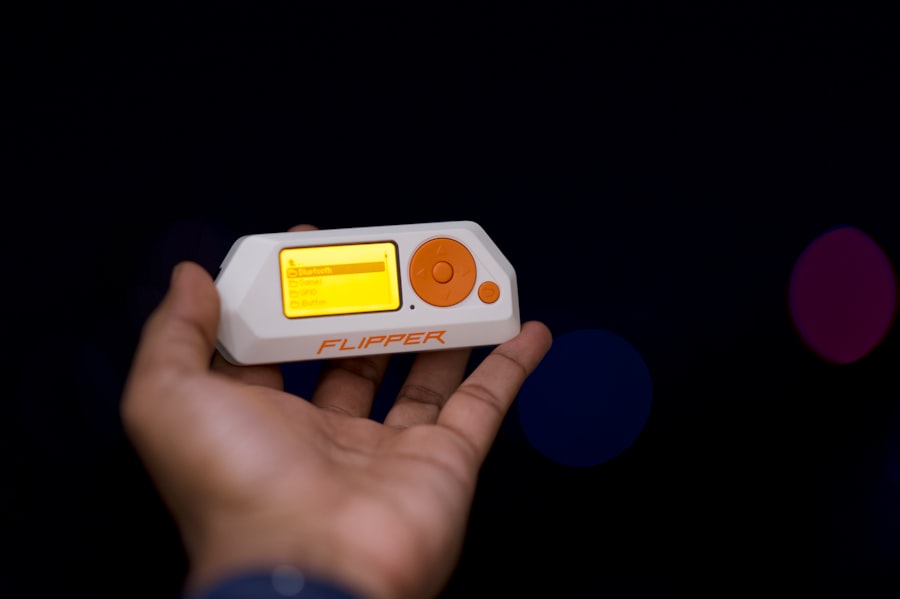
Gathering digital evidence is not like sifting through piles of documents. It requires precision, specialized tools, and adherence to strict protocols to ensure the admissibility and integrity of the evidence in court. This is where the role of a qualified digital forensic investigator becomes paramount. They are the skilled navigators of this digital minesweeper.
Chain of Custody: The Unbroken Thread of Integrity
- Preservation of Original Data: The cardinal rule of digital forensics is to work with forensic copies (disk images) of the original media, not the originals themselves. This ensures that the original evidence remains unaltered.
- Documentation of Handling: Every individual who handles the digital evidence must meticulously document their actions, from acquiring the data to its storage and transfer. This creates an unbroken chain of custody, demonstrating that the evidence has not been tampered with.
- Secure Storage: Digital evidence must be stored in a secure environment to prevent unauthorized access or modification.
Forensic Imaging: Creating an Exact Replica
- Write-Blocking Devices: Forensic tools employ write-blocking devices to ensure that no data is written back to the original storage media during the imaging process. This is akin to placing a protective shield around the evidence.
- Hashing Algorithms: Cryptographic hash functions (e.g., MD5, SHA-1) are used to create unique digital fingerprints of the original data and the forensic image. Comparing these hashes ensures that the image is an exact replica and has not been altered.
- Bit-for-Bit Copying: Forensic imaging creates a bit-for-bit copy of the entire storage medium, including deleted files, unallocated space, and system artifacts.
Specialised Tools and Techniques: The Digital Detective’s Arsenal
- Forensic Software Suites: Specialized software such as EnCase, FTK (Forensic Toolkit), and X-Ways Forensics are used to analyze digital media, recover deleted files, reconstruct activity, and extract relevant data.
- Data Recovery Tools: When data has been intentionally deleted or the storage media is damaged, advanced data recovery techniques and tools are employed.
- Decryption Techniques: If data is found to be encrypted, forensic investigators may employ sophisticated decryption techniques or seek assistance from specialized decryption experts.
- Network Forensics: In cases where online activity is crucial, network forensics can analyze network traffic to reconstruct events and identify malicious activity.
In the realm of digital forensics, the collection and analysis of electronic evidence can play a crucial role in divorce proceedings. A recent article discusses how digital footprints, such as text messages and social media activity, can be pivotal in establishing facts during a divorce case. For those interested in exploring this topic further, you can read more about it in this insightful piece on divorce evidence. Understanding the implications of digital forensics can significantly impact the outcome of legal disputes, making it an essential area of study for anyone navigating the complexities of divorce.
The Expert Witness: Presenting Digital Truths in Court
| Metric | Description | Typical Data Sources | Relevance in Divorce Cases | Example Evidence |
|---|---|---|---|---|
| Communication Logs | Records of calls, texts, emails, and chats | Mobile phones, email servers, messaging apps | Proves infidelity, harassment, or hidden communications | Text messages showing affair or threats |
| Location Data | GPS and geolocation tracking information | Smartphones, vehicle GPS, social media check-ins | Verifies alibis or contradicts claimed whereabouts | GPS logs showing presence at suspicious locations |
| Financial Records | Digital transaction histories and account statements | Bank apps, online payment platforms, accounting software | Detects hidden assets or financial misconduct | Unreported transfers or secret accounts |
| Multimedia Files | Photos, videos, and audio recordings | Smartphones, cloud storage, social media platforms | Supports claims of misconduct or abuse | Photos of extramarital meetings or domestic violence |
| Device Usage Patterns | Analysis of app usage, browsing history, and timestamps | Computers, smartphones, tablets | Identifies suspicious behavior or attempts to delete evidence | Deleted browser history or unusual app activity |
| Metadata Analysis | Data about data, such as file creation/modification times | Documents, photos, emails | Establishes timelines and authenticity of evidence | Timestamp discrepancies in incriminating files |
The most compelling digital evidence remains moot if it cannot be effectively presented and explained to a judge or jury. This is where the digital forensic expert becomes the bridge between the complex technical world and the legal proceedings.
Translating Technical Jargon into Understandable Language
- Clear and Concise Reporting: Forensic reports must be meticulously written, detailing the methodologies used, the findings, and their relevance to the case, all in language that is accessible to non-technical individuals.
- Visual Aids and Demonstrations: The use of visual aids, such as timelines, charts, and even demonstrations of how digital evidence was recovered, can significantly enhance understanding.
- Answering Questions Clearly and Objectively: The expert witness must be able to artfully answer questions from opposing counsel and the court, remaining objective and sticking to the facts derived from the evidence.
Admissibility of Evidence: Laying the Foundation for Acceptance
- Daubert or Frye Standards: Forensic experts must be prepared to demonstrate their qualifications and the scientific reliability of their methodologies to meet the legal standards for admitting expert testimony.
- Qualifications and Experience: A strong track record, relevant certifications, and extensive experience in digital forensics are crucial for establishing credibility.
- Presentation of Methodology: The expert must be able to explain the scientific principles behind their techniques and why they are considered reliable in the field of digital forensics.
The Ethical Imperative: Upholding Objectivity and Impartiality
As a digital forensic investigator, I am bound by a strict ethical code. My role is not to advocate for one side or the other, but to uncover the truth, however uncomfortable it may be. This requires unwavering objectivity and impartiality. The digital footprint does not lie; it simply records. My task is to read that record accurately and present it without bias. This commitment to truth is the bedrock upon which the entire process of digital forensics in divorce cases is built. The digital world offers a mirror to our actions, and in the sensitive realm of divorce, that mirror can reflect truths that are essential for achieving a just and informed resolution.

WATCH NOW ▶️ EXPOSED: I Walked Into My Own Funeral To Stop Her $1.2M Scam
FAQs
What is digital forensics in the context of divorce cases?
Digital forensics involves the collection, preservation, and analysis of electronic data from devices such as computers, smartphones, and tablets. In divorce cases, it is used to uncover evidence related to financial transactions, communications, or other digital activities that may be relevant to the proceedings.
What types of digital evidence can be used in divorce proceedings?
Common types of digital evidence include emails, text messages, social media activity, financial records, photos, videos, and location data. This information can help establish facts such as infidelity, hidden assets, or other behaviors pertinent to the divorce.
Is digital forensic evidence legally admissible in divorce court?
Yes, digital forensic evidence can be admissible in divorce court if it is collected and handled properly, following legal protocols to ensure authenticity and integrity. Courts typically require that the evidence be obtained legally and that a clear chain of custody is maintained.
Can digital forensics help uncover hidden assets during a divorce?
Yes, digital forensics can assist in identifying hidden assets by analyzing financial records, emails, and other digital footprints that may reveal undisclosed bank accounts, investments, or property ownership.
Do I need a professional to conduct digital forensic investigations for divorce evidence?
It is highly recommended to hire a certified digital forensic expert to conduct investigations. Professionals have the expertise and tools to properly extract and analyze data without compromising its integrity, ensuring that the evidence is credible and admissible in court.