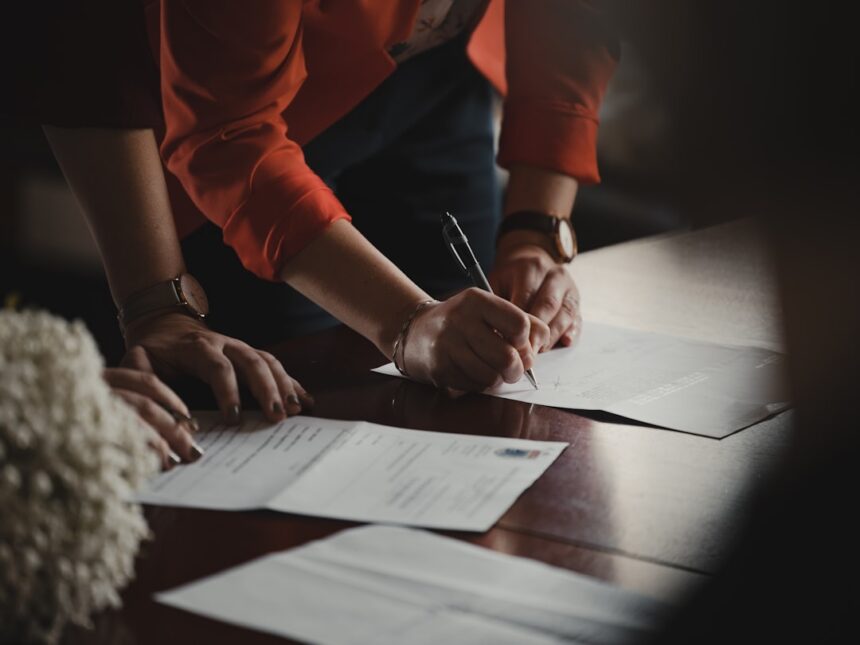
I find that the late hours possess a unique stillness, a quiet canvas upon which to paint the day’s unfinished business. For me, this transition into the late evening isn’t a surrender to exhaustion, but rather a deliberate shift towards a different kind of productivity, fueled by a carefully constructed routine. This isn’t about burning the midnight oil in a chaotic scramble; it’s about a strategic repurposing of time, much like a skilled gardener tending to their plants under the moon’s soft glow. The concept of “midnight paperwork and smoothies” emerged not from a desire for novelty, but from a practical need to integrate demanding tasks into a schedule that often overflows.
The conventional wisdom often casts late nights as a period of decline, a time when cognitive functions wane and the body signals a need for rest. However, my experience suggests that for certain individuals, the late hours can offer a distinct advantage. The absence of typical daytime distractions – the constant ping of notifications, the impromptu conversations, the general hum of daily activity – creates a focused environment. It’s akin to entering a silent library, where the cacophony of the outside world fades, allowing for deeper concentration. This decluttering of external stimuli is, in my observation, a significant contributor to enhanced productivity during these hours.
Minimizing External Stimuli
The deliberate act of creating a low-stimulus environment is central to maximizing the efficacy of late-night work. This involves a multi-pronged approach, encompassing both physical surroundings and digital management.
Curating the Workspace
My workspace transformation begins long before the moon reaches its zenith. I ensure it is meticulously organized, free from any visual clutter that could become a distraction. This might involve clearing my desk of any non-essential items, dimming the lights to a softer, more ambient level, and ensuring a comfortable temperature. The goal is to create a sanctuary, a bubble of focus where the outside world recedes.
Digital Detoxification Protocol
The digital realm, while a powerful tool, is also a significant source of interruption. Before embarking on my late-night tasks, I implement a strict digital detox protocol. This involves turning off all non-essential notifications on my devices. Email alerts, social media pings, and even news updates are silenced. It’s a conscious decision to sever the umbilical cord to the constant stream of external information, allowing my attention to remain anchored to the task at hand.
Cognitive Shifts Under Low Light
There is a notion that our circadian rhythms are rigidly fixed, dictating wakefulness and sleep. While these rhythms are powerful, they are not entirely immutable. My own experience suggests a subtle cognitive shift that occurs as the day winds down and the external world quiets. My mind, no longer bombarded by the demands of immediate social interaction or the urgency of daylight tasks, tends to settle into a more reflective and analytical mode. This is not a dramatic alteration, but a gentle recalibration.
Enhanced Focus and Flow States
The reduced external pressure, combined with the physical act of preparing for this focused period, often allows me to enter a state of flow more readily. Flow, as described by Mihaly Csikszentmihalyi, is a state of immersion and energized focus. When I am in this state, time seems to melt away, and the tasks at hand become absorbingly interesting. This is not an accidental occurrence, but rather the fertile ground cultivated by the deliberate choices of my routine.
Reduced Social Pressure and Perfectionism
During daylight hours, there can be an unspoken pressure to engage, to respond, to project a certain image. This social pressure, however subtle, can sometimes manifest as an internal resistance to diving deep into complex tasks, a fear of making mistakes under perceived observation. The late hours, by their very nature, circumvent much of this. The absence of an audience, the quiet solitude, allows for a more uninhibited exploration of ideas and a greater tolerance for the iterative process of refinement. It’s an environment where I can wrestle with a problem without the phantom gaze of others, fostering a more authentic engagement with the work itself.
In a recent article titled “The Benefits of Late-Night Productivity,” the author explores how unconventional work hours can lead to increased creativity and focus, much like the experience of enjoying a refreshing smoothie while tackling midnight paperwork. This intriguing connection highlights how the right environment and nourishment can enhance our work habits during unconventional hours. To read more about this fascinating topic, visit the full article here.
The Role of Sustenance: Fueling the Nocturnal Engine
Productivity, especially during extended periods, requires appropriate sustenance. The “smoothie” component of my late-night routine is not simply a beverage, but a carefully considered nutritional strategy. It is the fuel that powers the nocturnal engine, designed to provide sustained energy without the crash associated with sugary alternatives.
Strategic Nutritional Choices
The selection of ingredients for my late-night smoothies is driven by specific nutritional goals. I aim for a balance of macronutrients, prioritizing complex carbohydrates for sustained energy, protein for satiety and muscle repair, and healthy fats for brain function. The goal is to avoid ingredients that can lead to a rapid spike and subsequent drop in blood sugar, which would be counterproductive to maintaining focus.
Balanced Macronutrient Profiles
My typical smoothie composition includes a base of unsweetened almond milk or coconut water, providing hydration and essential electrolytes. For complex carbohydrates, I incorporate ingredients like rolled oats or cooked quinoa, which release energy slowly. Protein sources vary but frequently include whey protein isolate, plant-based protein powders, or even Greek yogurt, which contributes to satiety. Healthy fats come from sources such as avocado, chia seeds, or flaxseeds, which also add fiber and omega-3 fatty acids.
Avoiding Energy Crashes and Digestive Discomfort
The nocturnal environment demands a different approach to food consumption than a midday meal. Heavy, fatty, or overly sugary foods can lead to digestive discomfort and subsequent sluggishness, disrupting the carefully cultivated focus. This is precisely what the smoothie is designed to mitigate.
Gentle on the Digestive System
The blended nature of smoothies makes them generally easier to digest than solid foods. This is particularly important in the late hours when the body’s digestive processes naturally slow down. By consuming easily digestible nutrients, I minimize the energy expenditure required for digestion, allowing that energy to be redirected towards cognitive tasks.
Sustained Energy Release
The carefully selected ingredients within the smoothie are chosen for their ability to provide a slow and steady release of energy. This is in stark contrast to the quick bursts of energy one might obtain from refined sugars, followed by an inevitable dip. This sustained release ensures that my energy levels remain relatively stable throughout my work session, preventing the disruptive cycle of fatigue and renewed effort.
Structuring the Late-Night Session

The effectiveness of my late-night routine hinges on a structured approach to task management. It is not a free-for-all of random activity, but a carefully choreographed sequence of focused work periods interspersed with short, restorative breaks.
Segmented Work Blocks
To maintain optimal focus and prevent burnout, I divide my late-night work into distinct blocks. These blocks are designed to be long enough to allow for meaningful progress on a task, but short enough to avoid mental fatigue. The duration of these blocks can vary depending on the complexity of the task, but typically range from 45 minutes to 90 minutes.
Timeboxing and Task Prioritization
Within each work block, I employ a technique known as timeboxing. This involves allocating a specific amount of time to a particular task and committing to working on it exclusively during that period. Prior to beginning my late-night session, I review my to-do list and prioritize the most critical or demanding tasks. These are the assignments best suited for the focused environment of the late hours.
Alternating Task Types
Where possible, I endeavor to alternate between different types of tasks within my work blocks. This might involve switching between analytical work, creative writing, or administrative duties. This variation helps to keep my mind engaged and prevents monotony from setting in. It’s like changing the scenery on a long journey; the variety refreshes the spirit.
The Power of Strategic Pauses
It might seem counterintuitive, but incorporating deliberate breaks into a late-night routine is crucial for sustained productivity. These pauses are not an admission of failure to maintain focus, but rather a strategic element designed to enhance performance.
Micro-Breaks for Rejuvenation
Short, micro-breaks are incorporated between work blocks. These breaks typically last between 5 to 15 minutes. During these periods, I step away from my workspace entirely. This might involve a brief walk around my home, some light stretching, or simply sitting quietly and allowing my mind to drift. The key is to disengage from the task at hand, even if only for a few moments.
Hydration and Light Movement
My breaks also serve as opportunities for continued hydration and light physical movement. I’ll often refill my water bottle or prepare another small, nutrient-dense snack if needed. Gentle stretching helps to alleviate any physical stiffness that may have developed from prolonged sitting. This mindful attention to physical well-being directly contributes to mental clarity and the ability to return to work with renewed vigor.
Beyond the Desk: The Mental Landscape of Late-Night Productivity

The success of a late-night routine is not solely dependent on external factors like workspace or sustenance. It is also deeply intertwined with the internal mental landscape – the psychological preparation and the cultivation of a resilient mindset.
Cultivating a Mindset of Control
The act of establishing and adhering to a late-night routine is, in itself, a powerful exercise in cultivating a sense of control. In a world that often feels unpredictable, the ability to carve out dedicated time for focused work, and to execute a plan, can be profoundly empowering. It is a testament to my agency in shaping my own productivity.
Proactive Planning and Goal Setting
The foundation of this control lies in proactive planning. Before the late hours arrive, I have already mapped out what I intend to accomplish. This isn’t a vague notion of “getting things done,” but a precise articulation of specific goals and objectives. This clarity of purpose acts as a compass, guiding my efforts through the quiet hours.
Overcoming Inertia and Procrastination
Perhaps one of the most significant mental hurdles to overcome during the late hours is inertia – that natural tendency to resist starting something difficult or tedious. My routine is designed to provide momentum. The smoothie, the organized workspace, the pre-planned first task – these are all elements that act as a ramp, easing the transition from a state of repose to one of active engagement. By establishing a clear starting point and a predictable sequence of actions, I significantly reduce the friction that often leads to procrastination.
The Psychological Benefits of Completion
The feeling of accomplishment that follows the completion of tasks, especially those that were deferred to the late hours, is a significant motivator. This sense of achievement reinforces the positive aspects of the routine and builds confidence.
Building Momentum Through Small Wins
The structured approach of my routine, with its segmented work blocks, allows for the accumulation of “small wins.” Completing a short task or making significant progress on a larger one within a defined timeframe provides a tangible sense of accomplishment. These small victories build upon each other, creating a positive feedback loop that fuels continued effort.
A Sense of Mastery and Self-Efficacy
Each successful late-night work session contributes to a growing sense of mastery and self-efficacy. I learn that I am capable of achieving my goals, even outside of conventional work hours. This confidence spills over into other areas of my life, fostering a more empowered and capable demeanor. It’s like adding another tool to my personal toolbox, increasing my capacity to tackle challenges.
In the hustle of late-night work sessions, many people find themselves reaching for a refreshing smoothie to keep their energy up while tackling their midnight paperwork. This trend not only highlights the importance of healthy snacking but also showcases creative smoothie recipes that can boost productivity. For those interested in exploring more about the benefits of smoothies during late-night study or work sessions, check out this insightful article on the topic. You can read it here: smoothie recipes that are perfect for fueling your late-night endeavors.
Adapting and Evolving the Routine
| Metric | Value | Notes |
|---|---|---|
| Story Title | Midnight Paperwork with Smoothies | Title of the story |
| Number of Characters | 3 | Main characters involved in the story |
| Setting | Office at Midnight | Time and place of the story |
| Duration of Paperwork Session | 3 hours | Time spent completing paperwork |
| Number of Smoothies Consumed | 4 | Quantity of smoothies during the session |
| Types of Smoothies | Strawberry, Mango, Banana, Green Detox | Varieties of smoothies mentioned |
| Productivity Level | High | Effect of smoothies on work efficiency |
| Story Genre | Slice of Life | Category of the story |
My late-night routine is not a static entity; it is a living, breathing system that requires ongoing assessment and adaptation. As circumstances change, or as I gain new insights, I make adjustments to ensure its continued effectiveness.
Continuous Evaluation and Refinement
The process of working late night is an ongoing experiment. I regularly evaluate what is working well and what could be improved. This might involve noting periods where my focus waned unexpectedly or times when a particular type of task proved more challenging than anticipated. This evaluative mindset is crucial for sustained success.
Tracking Productivity and Energy Levels
To inform my adjustments, I may occasionally track my productivity and perceived energy levels during my late-night sessions. This could involve simple journaling or using productivity tracking apps. Observing patterns over time provides valuable data for making informed decisions about how to modify my routine. For instance, if I notice a consistent dip in energy around a certain hour, I might adjust my smoothie composition or incorporate a slightly longer break.
The Importance of Flexibility
While structure is paramount, a degree of flexibility is also essential. Life rarely adheres to perfect plans, and there will be nights when circumstances necessitate deviations from my usual routine. The key is to be able to adapt without abandoning the core principles.
Adjusting for External Demands and Personal Needs
There might be occasions when external demands, such as urgent project deadlines or unforeseen personal obligations, require me to alter my schedule. In such instances, I might shift the timing of my late-night session, shorten my work blocks, or even postpone it entirely if necessary. The goal is not to be rigid, but to be resilient. Similarly, if I am feeling unwell or particularly fatigued, I will listen to my body and adjust accordingly, perhaps opting for lighter tasks or an earlier finish.
Seasonal and Cyclical Adjustments
Even the time of year can influence my late-night routine. During seasons with shorter daylight hours, the transition to late-night work can feel more natural. Conversely, during longer summer days, I might need to be more deliberate in creating the necessary atmosphere of darkness and quiet. Recognizing these cyclical influences allows me to make subtle adjustments to optimize my performance throughout the year. This adaptability ensures that my routine remains a supportive framework, rather than a restrictive cage.

WATCH NOW ▶️ EXPOSED: I Walked Into My Own Funeral To Stop Her $1.2M Scam
FAQs
What is the main theme of “Midnight Paperwork with Smoothies Story”?
The main theme revolves around balancing late-night work or study sessions with healthy habits, such as enjoying smoothies, to maintain energy and focus.
Who is the target audience for the “Midnight Paperwork with Smoothies Story” article?
The article is primarily aimed at students, professionals, and anyone who often works late into the night and is looking for ways to stay productive and healthy.
What types of smoothies are recommended in the article for late-night work sessions?
The article suggests smoothies that are nutritious and energizing, typically including ingredients like fruits, vegetables, protein sources, and natural sweeteners to provide sustained energy without causing a sugar crash.
Does the article provide tips on managing time while doing paperwork late at night?
Yes, the article offers practical advice on organizing tasks, setting priorities, and taking breaks to improve efficiency and reduce stress during late-night paperwork sessions.
Are there any health benefits mentioned related to consuming smoothies during late-night work?
The article highlights that smoothies can provide essential nutrients, improve hydration, and offer a healthier alternative to caffeine or sugary snacks, which can help maintain concentration and overall well-being.