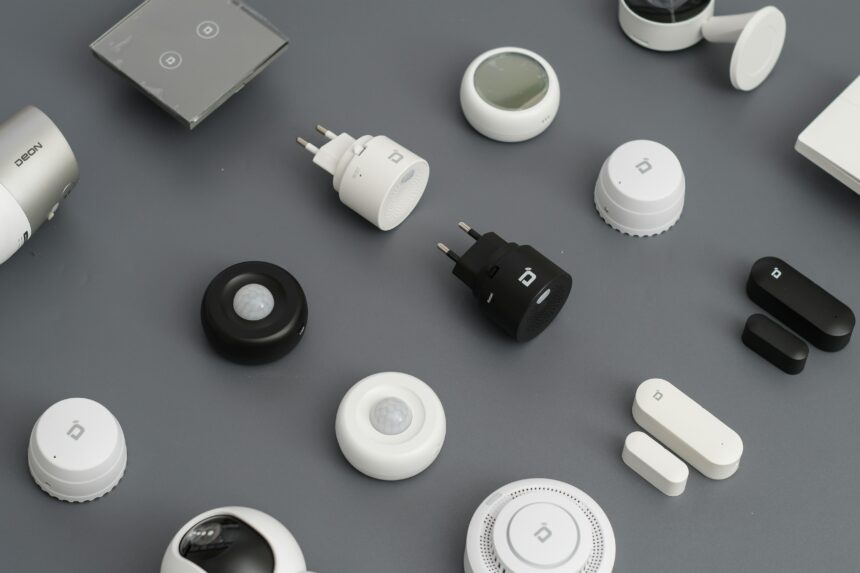
As an individual navigating the complexities of modern relationships, I find myself increasingly observing the pervasive influence of technology on interpersonal dynamics. The rise of smart homes, once relegated to the realm of science fiction, has now firmly established itself as a facet of contemporary living. These interconnected ecosystems, promising convenience and enhanced living, have inadvertently become a new stage upon which relationship dramas – both subtle and overt – are now unfolding. I’ve witnessed firsthand, both in my own life and through the experiences of those around me, how the integration of smart technology into our most intimate spaces can act as both a catalyst for connection and a conduit for conflict. My observations lead me to believe that understanding these dynamics is crucial for fostering healthy relationships in the age of omnipresent automation.
The Illusion of Control: When Devices Dictate Dynamics
The very promise of the smart home, that of enhanced control over one’s environment, often begins as an individual pursuit. I’ve seen this play out where one partner, typically the more tech-inclined, invests heavily in smart devices, envisioning a harmonious, automated existence. However, this individual pursuit can quickly morph into a shared – and sometimes contested – domain.
The Dominance of the Digitally Fluent
In many relationships, one partner assumes the role of the “tech lead,” responsible for the setup, maintenance, and oftentimes, the ultimate control of the smart home ecosystem. I’ve observed how this can create an imbalance, where the partner less familiar with the technology feels disempowered or excluded. This isn’t always malicious; often, it stems from a desire for efficiency or simply expertise. However, the consequence can be a subtle form of digital dominance, where light settings, thermostat preferences, and even entertainment choices are implicitly or explicitly dictated by the technologically adept. I remember a friend lamenting that her partner’s “smart” security cameras, initially installed for peace of mind, now felt like constant surveillance, creating a subtle but palpable tension within their home. The line between security and intrusion can indeed become blurred when one’s partner holds the keys to the digital fortress.
The Battle for Buttons: Conflicting Preferences
Beyond the initial setup, the day-to-day operation of a smart home often exposes differing preferences. Imagine a scenario where one partner prefers a cooler indoor temperature, while the other favors a warmer environment. In a traditional home, this might involve a simple adjustment of a manual thermostat. In a smart home, however, these preferences can be coded into automated routines, leading to a silent war of conflicting algorithms. I’ve seen couples engage in a perpetual digital tug-of-war, each subconsciously overriding the other’s preferred settings. This isn’t just about temperature; it extends to lighting schemes, music choices, and even the schedule for the robotic vacuum. Each setting becomes a miniature battleground, reflecting deeper disagreements about shared living spaces and personal comfort. It’s as if their digital avatars are constantly vying for control of the domestic spaceship.
In a fascinating twist on modern relationship dynamics, a recent article explores how smart home technology can inadvertently fuel drama between partners. The piece delves into scenarios where voice-activated assistants misinterpret commands, leading to misunderstandings and conflicts. For those interested in the intersection of technology and personal relationships, this article provides insightful commentary on the challenges couples face in the age of smart homes. To read more about this intriguing topic, check out the article at this link.
The Panopticon Effect: Privacy in the Pervasive Presence
The integration of cameras, microphones, and sensors into our homes, while offering convenience and security, also ushers in a new era of privacy considerations. I’ve become keenly aware of how this ubiquitous data collection impacts the psychological landscape of a relationship.
The Unseen Eye: Surveillance and Trust
The most immediate concern, from my perspective, revolves around surveillance. Smart security cameras, often pitched as essential for home protection, can inadvertently become tools for monitoring a partner’s movements. I’ve heard anecdotes ranging from innocuous checks on arriving home times to more concerning instances of partners feeling constantly “watched,” particularly in relationships where trust is already fragile. The very presence of these devices, even if not actively used for surveillance, can introduce a subconscious element of self-consciousness, altering natural behavior. It’s akin to living in a glass house where the panes are not always transparent but are always there, prompting a constant awareness of being observed. This can erode the very foundation of trust that is essential for a healthy relationship, transforming a sanctuary into a potential surveillance zone.
Data Trails and Digital Footprints
Beyond immediate surveillance, the data collected by smart devices paints an incredibly detailed picture of daily life. I’ve considered how this aggregated data – patterns of energy consumption, browsing habits, voice commands, and even sleep cycles captured by smart mattresses – can be accessed and potentially interpreted by a partner. While much of this data is anonymized and used for device improvement, the sheer volume and granularity of information can be unsettling. A partner might, for instance, track sleep patterns, leading to unsolicited commentary or even judgment, or infer activities based on energy usage. This digital footprint, a shadow of one’s daily existence, can become a new source of friction, particularly if one partner feels their digital privacy is being infringed upon, even unintentionally. The domestic environment, once a private haven, now leaves a myriad of digital breadcrumbs for anyone with access to the system.
Automation Anxiety: When Convenience Breeds Conflict
The promise of automation is liberation from mundane tasks. However, my observations suggest that this liberation is not always equally distributed, and indeed, can generate new forms of anxiety and conflict within a relationship.
The Division of Digital Labor
Introducing smart devices often triggers a renegotiation of household responsibilities, whether explicitly or implicitly. If a smart vacuum cleans the floors, who is now responsible for emptying it and ensuring its maintenance? If voice commands control the entertainment, who determines what is watched? I’ve seen situations where smart devices, instead of simplifying life, simply reallocate the “mental load” of managing the household, often disproportionately falling upon one partner. The partner who initially champions the smart home might find themselves constantly troubleshooting glitches or explaining complex functionalities, leading to frustration and resentment. It’s like adopting a new, high-maintenance pet that only one person truly understands.
The Robot as a Relationship Proxy
In some instances, smart devices can become unwitting proxies for unmet emotional needs or communication breakdowns. I witnessed a couple where the smart assistant was frequently used to deliver requests or reminders that should have been communicated directly between them. “Alexa, tell Mark that the dishes need doing.” While seemingly harmless, this bypasses direct communication, allowing underlying issues to fester. The smart home, designed to be helpful, can inadvertently become a barrier to genuine emotional connection, as couples rely on automated intermediaries rather than engaging in direct, sometimes difficult, conversations. It’s as if the digital butler is inadvertently acting as a mediator, masking the underlying reluctance to speak face-to-face.
The Echo Chamber of Personalization: Curated Realities
A key selling point of smart homes is personalization – tailoring the environment to individual preferences. While this offers comfort, I’ve also observed how it can create an unintended “echo chamber” effect within a relationship, subtly influencing shared experiences.
Algorithmic Algorhythms: Tailored Tunes and Tastes
Consider the personalization of music streaming services or smart TV recommendations. If one partner primarily uses these services, the algorithms quickly learn and project their preferences onto the shared home environment. I’ve seen instances where the ambient music is always one partner’s preferred genre, or the TV always defaults to their favored shows, leaving the other partner feeling like a guest in their own home. While individual preferences are valid, the constant reinforcement of one person’s tastes by smart algorithms can inadvertently marginalize the other’s, leading to a subtle but persistent feeling of being overlooked. It’s as if the digital conductor is always playing the same partner’s favorite symphony, day in and day out.
The Soliloquy of Self-Optimization
Smart devices are increasingly focused on individual well-being – fitness trackers, sleep monitors, smart mirrors offering personalized skincare routines. While beneficial individually, I’ve noticed how this intense focus on self-optimization can sometimes inadvertently create a dynamic where partners become more absorbed in their personal metrics than in their shared experiences. The constant tracking and analysis of individual data points can overshadow the spontaneous moments of connection and shared enjoyment. It creates a subtle emphasis on individual improvement, which, while laudable, can sometimes detract from the collective health of the relationship. It’s like two separate athletes training in the same gymnasium, each focused intently on their own performance, sometimes forgetting they are on the same team.
In today’s digital age, relationship drama can often take unexpected turns, especially with the rise of smart home technology. A recent article explores how these devices, designed to make our lives easier, can sometimes lead to misunderstandings and conflicts between partners. For a deeper dive into this intriguing topic, check out the article on relationship challenges in the era of smart homes at this link. It highlights real-life scenarios where smart devices have inadvertently caused tension, showcasing the complexities of modern relationships.
The Digital Divorce: When Technology Becomes a Wedge
Perhaps the most potent impact of smart homes on relationships arises when technology, rather than being a tool for connection, becomes a wedge, exacerbating pre-existing issues or creating new ones that contribute to relational distance.
The Weaponization of Wireless: Digital Manipulation
In more extreme cases, smart home technology can be weaponized. I’ve encountered stories, either directly or indirectly, where one partner has used access to smart home controls to exert power or control over the other. This can manifest as locking doors remotely, changing thermostat settings to cause discomfort, or even using smart cameras for deliberate surveillance during disagreements. When technology, designed for convenience, is repurposed for digital manipulation, it represents a severe breach of trust and can significantly escalate conflict. The home, once a sanctuary, transforms into a digital prison, controlled by one partner.
The Ghost in the Machine: Undermining Communication
Ultimately, what I’ve observed most frequently is how the very presence and functionalities of smart homes can subtly undermine healthy communication. When issues arise regarding device preferences, privacy boundaries, or the division of digital labor, couples may opt for passive-aggressive adjustments to settings or complaints to mutual friends, rather than direct, open dialogue. The complexities of smart home management can serve as a convenient distraction from deeper relational problems. It’s as if a digital entity, a “ghost in the machine,” enters the relationship, offering a convenient scapegoat for unspoken frustrations. The home, intended to bring people closer, can inadvertently push them further apart if conscious efforts are not made to integrate this technology thoughtfully and collaboratively.
In conclusion, my personal journey through the landscape of smart homes and modern relationships has been one of continuous learning and observation. I recognize the immense potential of this technology to enhance life, but I also see the critical need for couples to proactively address its implications. The frictionless convenience promised by smart homes can, ironically, create various points of friction in a relationship if not navigated with conscious communication, mutual respect, and a clear understanding of boundaries. The digital domicile is not merely a collection of devices; it is a complex ecosystem that mirrors and amplifies the underlying dynamics of the individuals who inhabit it. To foster thriving relationships in this interconnected era, we must acknowledge the silent narratives unfolding within our smart homes and consciously choose connection over algorithmic convenience.

WATCH NOW ▶️ SHOCKING: My Smart Fridge Exposed Her $500,000 Secret
FAQs
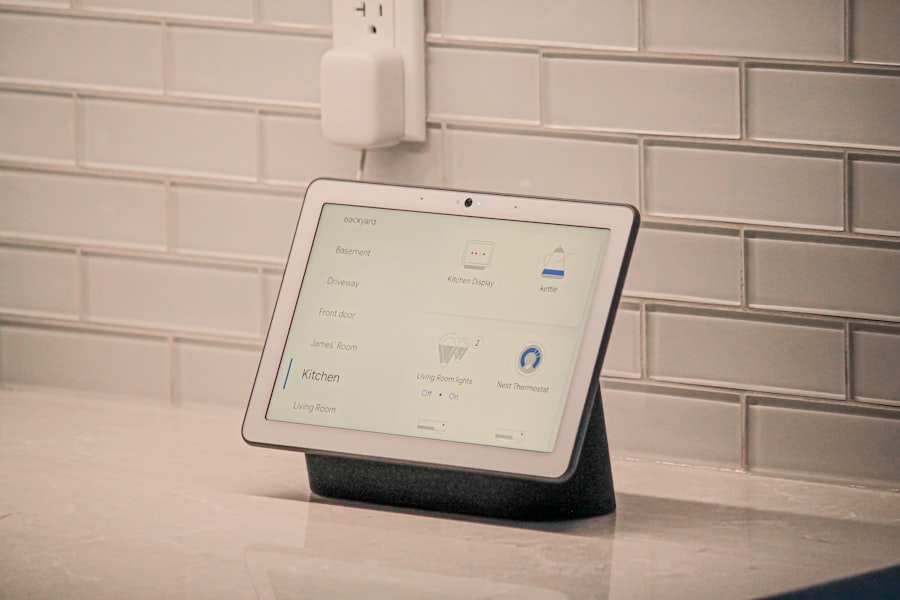
What is relationship drama involving smart home technology?
Relationship drama involving smart home technology refers to conflicts or misunderstandings between partners or family members that arise due to the use, control, or privacy concerns related to smart home devices such as smart speakers, cameras, thermostats, and security systems.
How can smart home devices cause conflicts in relationships?
Smart home devices can cause conflicts when one partner feels their privacy is being invaded, when there is disagreement over device settings or usage, or when one person controls the technology without the other’s consent, leading to trust issues or feelings of surveillance.
Are there privacy concerns related to smart home technology in relationships?
Yes, privacy concerns are common in relationships involving smart home technology. Devices that record audio or video can inadvertently capture private conversations or activities, raising concerns about consent, data security, and potential misuse of information between partners.
How can couples prevent relationship drama related to smart home devices?
Couples can prevent drama by openly communicating about their comfort levels with smart home technology, setting clear boundaries on device usage, sharing control and access equally, and regularly reviewing privacy settings together to ensure mutual trust and respect.
Can smart home technology improve relationships?
When used thoughtfully, smart home technology can improve relationships by enhancing convenience, security, and shared control of the home environment. Features like shared calendars, reminders, and automated routines can help partners coordinate and reduce daily stress.