I find myself increasingly observing the burgeoning role of smart device logs in legal proceedings. No longer mere digital ephemera, these intricate records have ascended to the status of critical evidence, often holding the scales of justice in a delicate balance. As a legal professional, I’ve come to recognize that understanding their nature, acquisition, and admissibility is paramount in our technologically-driven world.
I’ve often considered smart devices – your smartphone, your fitness tracker, your intelligent thermostat – as silent companions, meticulously documenting snippets of our lives. They are, in essence, an unseen witness, meticulously recording our interactions with the digital and physical world. This accumulation of data, often referred to as metadata, is a rich tapestry of our daily existence.
What Constitute Smart Device Logs?
When I speak of smart device logs, I’m referring to a broad spectrum of digital records. These are not just the obvious call histories or text messages, but a much deeper dive into the device’s operational history. They encompass a vast and often granular level of detail.
- Communication Records: This includes call logs, SMS/MMS messages, email timestamps, and messaging app data. I’m not just looking at the content here, but the metadata – who, when, and how long.
- Location Data: From GPS coordinates to Wi-Fi triangulation and cell tower pings, these logs can paint a precise picture of a device’s travel history. I’ve seen this used to corroborate or contradict alibis with astonishing accuracy.
- Activity Logs: Fitness trackers recording step counts, heart rates, and sleep patterns; smart home devices logging entry and exit times, temperature adjustments, and light activations. These are often overlooked but can be incredibly insightful.
- Application Usage Data: Records of app installations, uninstallation, launch times, and duration of use can reveal patterns of behavior and interests. I’ve encountered cases where this has highlighted obsessive tendencies or specific knowledge.
- Browser History and Search Queries: A digital breadcrumb trail that can illuminate interests, intentions, and information sought. For me, this is akin to examining a suspect’s diary, offering a window into their mind.
- Sensor Data: Accelerometer, gyroscope, and ambient light sensor data can provide context about device handling and environmental conditions. I recall a case where accelerometer data helped determine if a phone was dropped or thrown.
The Inadvertent Confessor: How Logs Are Generated
I often reflect on the fact that these logs aren’t created with the intention of being legal evidence. They are the byproduct of sophisticated systems designed for functionality and user convenience. Each interaction, each touch, each signal emitted, contributes to this digital ledger.
- Automatic Generation: Many logs are created automatically by the device’s operating system or applications without user intervention. I might open an app, and the device logs the action without me consciously directing it to do so.
- User Interaction Logging: Every tap, swipe, and voice command creates a record. This is a direct reflection of my choices and actions.
- Network Interaction Logging: When my device connects to Wi-Fi, cell towers, or Bluetooth devices, these connections are logged. This forms a network of digital relationships, constantly updating.
In recent discussions surrounding the admissibility of smart device logs as court evidence, an insightful article titled “The Role of Digital Evidence in Modern Trials” highlights the growing importance of technological data in legal proceedings. This piece delves into how courts are increasingly recognizing the value of information retrieved from smartphones, smartwatches, and other connected devices, which can provide crucial insights into a person’s activities and whereabouts. For more information on this topic, you can read the article here: The Role of Digital Evidence in Modern Trials.
The Journey to the Courtroom: From Raw Data to Admissible Evidence
The path from a smart device’s internal memory to a judge’s bench is a complex one, fraught with technical challenges and legal hurdles. I understand that the mere existence of a log doesn’t automatically qualify it as evidence. A rigorous process of acquisition, preservation, and authentication is required.
Acquisition: The Delicate Art of Digital Forensics
When I need to obtain smart device logs for a case, I approach it with the meticulousness of an archaeologist excavating a delicate artifact. The integrity of the data is paramount.
- Legal Authority: I rely heavily on search warrants or court orders to legally compel the production of these logs. Without proper legal authority, the evidence becomes tainted and inadmissible.
- Forensic Tools and Techniques: Specialized software and hardware are essential for extracting data in a forensically sound manner. I’m looking to create an exact, unaltered copy of the data, a bit-for-bit image, rather than just copying files. This ensures the original data remains pristine.
- Chain of Custody: Maintaining a strict chain of custody is critical. Every person who handles the device or its data must be documented, along with the date and time of possession. This prevents allegations of tampering. I see this as tracing the lineage of the evidence, ensuring its purity.
- Data Integrity Verification: Hash values (cryptographic fingerprints) are used to verify that the extracted data is identical to the original and has not been altered since acquisition. This is my digital seal of authenticity.
Preservation: Safeguarding the Digital Truth
Once acquired, I understand the imperative to preserve these logs in a manner that protects their evidentiary value. Digital data is inherently fragile and susceptible to alteration or loss.
- Write-Blocking: When analyzing a device, forensic examiners use write blockers to prevent any accidental modification of the original data. I view this as creating a protective shield around the evidence.
- Secure Storage: The extracted data must be stored in secure, controlled environments to prevent unauthorized access or alteration. Physical and digital security measures are both crucial.
- Regular Backups: While forensic copies are primary, maintaining secure backups of the extracted data provides an additional layer of protection against accidental loss.
Authentication: Proving What It Is
Before a judge will consider smart device logs as evidence, I must establish their authenticity. This means demonstrating that the logs are what they purport to be and have not been tampered with.
- Expert Testimony: Forensic examiners often provide expert testimony to explain how the data was acquired, its reliability, and its meaning. Their expertise is crucial in bridging the technical gap for the court.
- Hashing Algorithms: As mentioned earlier, hash values serve as irrefutable proof of data integrity. I can demonstrate that the evidence presented in court matches the original acquired data.
- Metadata Analysis: Analyzing the metadata associated with the logs can help establish their authenticity. Timestamps, creation dates, and modification dates can all contribute to this verification.
The Admissibility Conundrum: Navigating Legal Gateways
Even with proper acquisition, preservation, and authentication, making smart device logs admissible in court presents its own set of challenges. I am intimately familiar with the rules of evidence that govern the introduction of such data.
Hearsay and Its Exceptions
One of the primary hurdles I encounter is the rule against hearsay, which generally prevents out-of-court statements from being admitted as evidence. However, smart device logs, while seemingly “statements,” often fall under specific exceptions.
- Business Records Exception: Many logs, particularly those generated by service providers (e.g., cell phone records), can be admitted under the business records exception if they were made in the regular course of business and kept as a regular practice. I argue that the device itself acts as a ‘business’ in its consistent record-keeping.
- Present Sense Impression/Excited Utterance (less common but possible): In rare cases, logs reflecting immediate reactions or observations might be argued under these exceptions, though this is less frequent for automated logs.
- Machine-Generated Data (not treated as hearsay): Crucially, many courts distinguish between statements made by humans and data generated solely by machines. Machine-generated data, such as GPS coordinates or sensor readings, is often not considered hearsay because a machine cannot “speak” or intend to deceive. I focus on demonstrating that the device is merely recording objective facts.
Relevance and Probative Value
Beyond hearsay, I must always demonstrate the relevance of the smart device logs to the case at hand. Is the data directly pertinent to a fact in dispute? Does its probative value (how much it proves) outweigh its potential for unfair prejudice, confusion, or undue delay?
- Connecting the Dots: I meticulously show how the logs corroborate or contradict witness testimony, establish timelines, or demonstrate intent or knowledge. It’s about building a narrative from the data.
- Avoiding Distraction: I am mindful not to overwhelm the court with irrelevant data. The goal is to present a cohesive and impactful segment of the logs, not a raw data dump.
Best Evidence Rule
The best evidence rule generally requires the original document or record when proving its contents. For digital evidence, I present the forensic image of the original data or a certified copy, satisfying this requirement. The original digital “document” is the data itself, and a forensic copy is its most accurate rendition.
Illustrative Legal Precedents: Shaping the Digital Legal Landscape
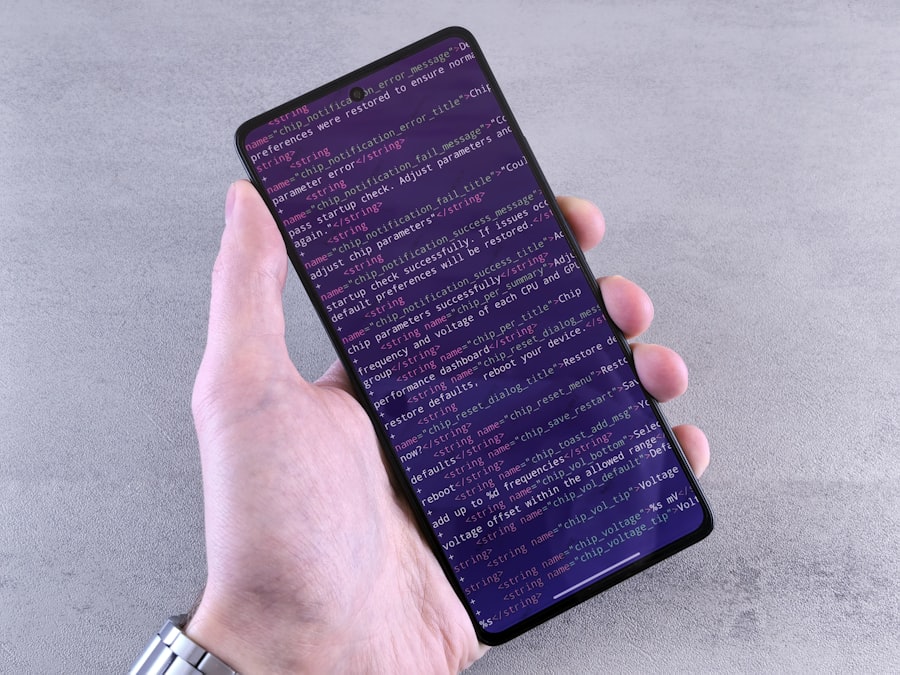
I’ve keenly observed a growing body of case law that shapes how smart device logs are treated in courts. These precedents are vital for understanding the evolving legal framework.
Precedent-Setting Cases
Each new ruling adds a brick to the metaphorical wall of digital evidence jurisprudence. I follow these cases closely to refine my strategies.
- Cases Involving Location Data: Numerous cases have relied heavily on cellular tower records and GPS data to place individuals at crime scenes or refute alibis. I’ve seen defendants convicted or acquitted based on the analysis of these invisible trails.
- Fitbit and Activity Tracker Cases: I’ve witnessed cases where data from fitness trackers has been used to establish activity levels, times of death, or even refute claims of injury. For instance, a plaintiff claiming paralysis might have their claim undermined by step count data from a wearable.
- Smart Home Device Data: Recordings from smart doorbells, voice assistants, and security cameras are increasingly being used to establish presence, interactions, and events within a home. I anticipate this area will grow significantly as smart homes become more prevalent.
- Messaging App Data: While encrypted messaging presents challenges, metadata and unencrypted communications from various apps are regularly introduced in cases ranging from contract disputes to criminal conspiracies. I’ve seen how the nuances of emojis and deleted messages can carry significant weight.
Evolving Standards of Admissibility
As technology advances, so too do the legal standards for admitting this evidence. I regularly engage with discussions about the reliability of different data sources and the interpretation of machine-generated information.
- Daubert and Frye Standards: I’m familiar with how courts apply either the Daubert or Frye standards when assessing the scientific reliability of forensic methods used to extract and analyze smart device data. The methodologies must be generally accepted in the scientific community or demonstrably reliable.
- Privacy Concerns: The increasing collection of personal data raises significant privacy concerns. I balance the probative value of the evidence against potential invasions of privacy, acknowledging that the law is still grappling with these complex ethical questions. This is often a delicate dance between truth-seeking and individual rights.
The increasing reliance on smart devices has raised important questions about their role in legal proceedings, particularly regarding the admissibility of device logs as court evidence. A recent article explores this topic in depth, highlighting how courts are beginning to recognize the significance of digital footprints left by smartphones and other connected devices. For more insights on this evolving issue, you can read the full article here. As technology continues to advance, understanding the implications of these logs in legal contexts becomes ever more critical.
The Future Imperfect: Challenges and Opportunities
| Metric | Description | Relevance in Court Evidence | Example Data |
|---|---|---|---|
| Timestamp Accuracy | Precision of the recorded time and date in logs | Establishes exact timing of events | 2024-06-01 14:23:45 UTC |
| Device ID | Unique identifier of the smart device | Links logs to a specific device | Device12345ABC |
| Event Type | Type of action or event recorded | Shows what activity occurred | Motion Detected |
| Event Location | Physical or virtual location of the event | Corroborates location-based claims | Living Room Camera |
| Data Integrity | Verification that logs have not been altered | Ensures evidence authenticity | SHA-256 Hash: a3f5c9e7… |
| Access Logs | Records of who accessed the device or data | Tracks potential tampering or unauthorized access | User: Admin, 2024-06-01 15:00:00 UTC |
| Log Retention Period | Duration logs are stored before deletion | Determines availability of evidence | 90 days |
| Event Severity | Level of importance or urgency of the event | Prioritizes critical incidents | High |
As I consider the trajectory of smart device logs in legal contexts, I envision both escalating challenges and unprecedented opportunities. The landscape is dynamic, demanding continuous adaptation and innovation from legal practitioners and forensic experts alike.
Technical Challenges
The rapid pace of technological innovation presents a constant battle for forensic experts and lawyers alike. I understand that yesterday’s tools may not be sufficient for tomorrow’s devices.
- Encryption: The widespread use of strong encryption on devices and in messaging apps makes data extraction increasingly difficult. I often feel like I’m trying to unlock a fortified vault with ever-changing locks.
- Ephemeral Data: Data designed to be temporary or self-deleting (e.g., Snapchat messages, “incognito” browsing) poses significant challenges for preservation and recovery. This is like trying to catch mist.
- Device Variety and Fragmentation: The sheer number of device manufacturers, operating systems, and app versions creates a fragmented ecosystem, making universal forensic techniques challenging to implement. Each device can be a unique puzzle.
- Cloud Data Storage: Much critical data now resides in the cloud, requiring different legal procedures (e.g., warrants for cloud service providers) and presenting unique challenges for acquisition and jurisdiction. My focus often shifts from the physical device to its digital echo in the cloud.
Legal and Ethical Considerations
Beyond the technical hurdles, I also grapple with the evolving legal and ethical dimensions of using smart device logs as evidence.
- Privacy vs. Public Safety: As mentioned earlier, the tension between individual privacy rights and the imperative for public safety (or justice) is constant. I recognize that courts are continually drawing and redrawing these lines.
- Misinterpretation and Context: Without proper context, logs can be easily misinterpreted. A GPS ping showing a device near a crime scene doesn’t automatically mean the device’s owner was the perpetrator. It might be a family member, or the device was lost. I insist on a holistic interpretation of the data.
- Data Overload: The sheer volume of data generated by smart devices can be overwhelming, creating challenges for effective analysis and presentation in court. We must distil the signal from the noise.
- Algorithmic Bias: As AI and machine learning play a larger role in data analysis, I’m concerned about potential algorithmic biases embedded in systems that could lead to unfair or inaccurate conclusions. The algorithms are only as impartial as their creators and the data they are fed.
Opportunities for Justice
Despite these challenges, I remain optimistic about the power of smart device logs to foster justice. I believe they offer unparalleled opportunities to uncover truth.
- Enhanced Accuracy: Logs can provide objective, immutable facts that corroborate or contradict human testimony, leading to more accurate judicial outcomes. They are a grounding force in the subjective realm of human memory.
- Uncovering Hidden Evidence: They often reveal critical details that would otherwise remain undiscovered, turning cold cases hot or providing vital leads where traditional evidence is lacking.
- Efficiency in Investigations: Smart device data can significantly streamline investigations, allowing law enforcement and legal teams to focus resources effectively. It’s a digital compass guiding our inquiries.
- Deterrent Effect: The knowledge that one’s digital footprint can be scrutinized may act as a deterrent to criminal activity, subtly influencing behaviour in the digital age.
In conclusion, I see smart device logs not just as data points, but as profound narratives of our digital lives, capable of speaking volumes in the pursuit of justice. My role, and the role of the legal profession, is to listen intently, interpret carefully, and ensure these silent witnesses are given their due weight in the scales of justice. We are, in essence, becoming archivists and interpreters of the digital present, shaping the future of legal truth.

WATCH NOW ▶️ SHOCKING: My Smart Fridge Exposed Her $500,000 Secret
FAQs
What are smart device logs?
Smart device logs are digital records automatically generated by smart devices, such as smartphones, tablets, and IoT devices, that document activities, events, and system operations.
How can smart device logs be used as court evidence?
Smart device logs can be used as court evidence to provide objective data about user actions, device usage, timestamps, and other relevant information that may support or refute claims in legal proceedings.
What types of information do smart device logs typically contain?
Smart device logs typically contain data such as timestamps, application usage, location information, system events, communication records, and error reports.
What are the challenges in using smart device logs as evidence in court?
Challenges include ensuring the authenticity and integrity of the logs, addressing privacy concerns, interpreting technical data accurately, and complying with legal standards for digital evidence.
How is the authenticity of smart device logs verified in legal cases?
Authenticity is verified through methods such as digital forensics analysis, chain of custody documentation, expert testimony, and using specialized software tools to detect tampering or alterations.