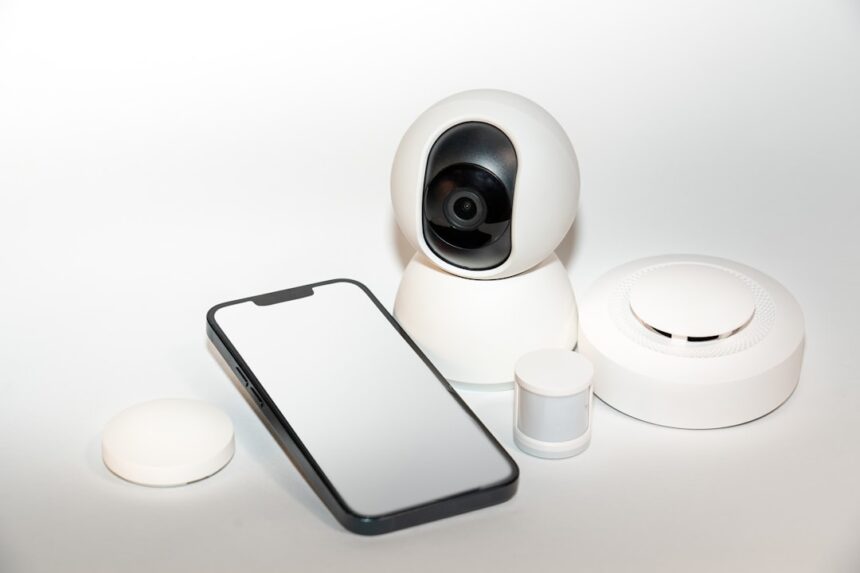
I often find myself scrutinizing the world around me, dissecting its complexities to understand its underlying mechanisms. This innate curiosity extends to the increasingly intricate realm of smart home security cameras, devices that promise a watchful eye but often conceal a labyrinth of technical considerations. As I embark on this detailed exploration, I invite you to join me in uncovering the less-discussed aspects of these ubiquitous household guardians. My goal is to peel back the layers, revealing not just their capabilities but also their vulnerabilities and the often-overlooked nuances of their operation.
My journey into the world of smart home security cameras began, much like many others, with a desire for enhanced peace of mind. I envisioned a digital sentry, perpetually vigilant and always reporting back. However, the sheer volume of options quickly became overwhelming. It wasn’t merely about picking a camera; it was about choosing a philosophy of surveillance.
Decoding Technical Specifications
My first task was to deconstruct the jargon. Resolution, for instance, isn’t just a number; it’s the fidelity of the image, the difference between a blurry uncertainty and a clear identification. I learned that 1080p, while standard, might not always be sufficient for discerning fine details in low light, a crucial factor for a security device. 4K, on the other hand, offers a richness that can be pivotal but demands greater bandwidth and storage.
- Resolution and Field of View: I found that a wider field of view, while seemingly beneficial, can introduce a ‘fisheye’ distortion at the edges, making identification harder. A balance, often achieved through multiple cameras with narrower fields, proved to be a more effective strategy for comprehensive coverage.
- Night Vision Technologies: My research revealed that night vision isn’t monolithic. Infrared (IR) LEDs, while common, can often produce stark, black-and-white images, potentially reducing the ability to distinguish colors crucial for identifying clothing or vehicle details. Starlight sensors or color night vision offered a compelling alternative, leveraging ambient light to produce more detailed, colorized images in surprisingly dim conditions. This was a critical distinction for me, as a monochromatic world at night felt like a compromise on security.
Understanding Connectivity and Power
I quickly realized that a camera is only as good as its connection. A smart camera, by its very nature, is a network device, and its reliability hinges on a robust Wi-Fi signal.
- Wi-Fi Strength and Bandwidth: I’ve observed that many network issues with cameras stem from poor Wi-Fi coverage. Walls, appliances, and even neighboring Wi-Fi networks can act as digital insulators, weakening the signal. I’ve often had to consider mesh Wi-Fi systems or strategically placed extenders to ensure consistent connectivity, particularly for cameras located at the periphery of my property. Furthermore, the number of simultaneous live streams or continuous recordings can quickly saturate a home’s internet bandwidth, leading to lag and dropped frames.
- Power Solutions: Wired vs. Wireless: The choice between wired and wireless power, I discovered, is a trade-off between convenience and reliability. Battery-powered cameras offer unparalleled flexibility in placement but introduce the chore of regular recharging. Hardwired cameras, while requiring a more involved installation, provide continuous power, eliminating downtime and the risk of a dead battery at a critical moment. My preference leans towards wired solutions for critical security points due to their unwavering power supply.
If you’re interested in learning more about the intricacies of smart home security cameras, you might want to check out a related article that dives deeper into their functionalities and potential vulnerabilities. This article explores various features of smart cameras, including how they can enhance your home security while also discussing the importance of safeguarding your privacy. For more insights, visit this link.
My Deep Dive into Data Storage and Privacy
The data a smart home security camera collects is arguably its most valuable asset, and consequently, its most significant vulnerability. My exploration extended beyond the mere act of recording to the intricate dance of storage, access, and the ever-present shadow of privacy concerns.
Differentiating Storage Options
My understanding evolved from thinking of storage as a simple “on or off” switch to a nuanced consideration of various methodologies, each with its own benefits and drawbacks.
- Cloud Storage: The Double-Edged Sword: I recognize cloud storage as offering the convenience of off-site backup, protecting recordings from physical tampering with the camera itself. However, I’m also acutely aware of the recurring subscription costs and the inherent trust placed in a third-party provider to safeguard my sensitive footage. This trust is often a leap of faith, relying on the provider’s cybersecurity measures and their commitment to data privacy, which can vary significantly. I always scrutinize their privacy policies.
- Local Storage (SD Cards and NVRs): A Bastion of Control: For a higher degree of control and independence from external services, I find local storage solutions compelling. SD cards offer a straightforward, on-camera solution, but their finite capacity and vulnerability to theft or damage are significant limitations. Network Video Recorders (NVRs) or Digital Video Recorders (DVRs), on the other hand, provide a more robust, centralized storage hub, capable of retaining weeks or even months of footage. This approach, I believe, offers a better blend of security and self-reliance, though it does require initial investment and an understanding of network configuration.
Navigating Privacy Implications
My contemplation of smart camera technology invariably circles back to privacy. A camera, after all, is a constant observer, and its gaze can extend far beyond the intended scope.
- The Panopticon Effect and Unintended Surveillance: I’ve often pondered the subtle shifts in behavior that occur when one is aware of being monitored. In the context of a smart home camera, this can extend to family members, guests, and even passersby. The concept of “privacy by design” is crucial here, where privacy considerations are integrated from the initial planning stages. I always consider the field of view carefully, ensuring it captures only what is necessary, avoiding intrusion into neighbors’ properties or public spaces more than absolutely required.
- Data Security and Encryption Protocols: The journey of a video stream, from the camera lens to my viewing device, is a pathway ripe with potential vulnerabilities. I recognize that unencrypted data is an open book for anyone with the right tools. Thus, I prioritize cameras and services that employ robust encryption protocols, both in transit (TLS/SSL) and at rest (AES-256). This acts as a digital shield, protecting my footage from unauthorized access. My vigilance extends to understanding how often these security protocols are updated and if the manufacturer has a track record of addressing vulnerabilities promptly.
My Examination of AI and Advanced Features
The evolution of smart home security cameras has been inextricably linked to the advancements in artificial intelligence. What began as simple motion detection has blossomed into a sophisticated suite of analytical tools, promising a more intelligent and discerning guardian.
Understanding AI-Powered Analytics
My initial experiences with motion detection were often plagued by false alarms – a rustling leaf, a passing car, a playful squirrel. AI, I discovered, offered a potential antidote to this digital cacophony.
- Person, Vehicle, and Animal Detection: The ability of a camera to distinguish between a human intruder, a delivery truck, and a stray cat fundamentally transforms its utility. I find that this intelligent filtering significantly reduces the deluge of notifications, allowing me to focus on events that genuinely warrant attention. This intelligent filtering, however, is not foolproof. Environmental factors, lighting changes, and even the angle of approach can sometimes trick the algorithms. My personal assessment involves evaluating the accuracy of these systems in diverse conditions before fully entrusting them with critical alerts.
- Facial Recognition and Beyond: While more sophisticated and often raising greater privacy concerns, facial recognition represents the apex of AI in security cameras. This technology allows for the identification of known individuals versus strangers, potentially offering personalized responses. However, I approach this feature with considerable caution due to its ethical implications and the potential for misuse. My personal use of such features is limited to very specific, controlled scenarios, always with a critical eye towards local regulations and personal privacy.
The Ecosystem of Smart Home Integration
A standalone camera is a vigilant sentinel. A camera integrated into a broader smart home ecosystem, however, becomes part of an interconnected web of devices, capable of more complex, automated responses.
- Interoperability and Automation: I often envision my smart home devices as an orchestra, each playing its part, but harmonizing to create a symphony of security. When a camera detects an unknown person, for instance, I can configure it to trigger floodlights, activate an alarm, or even communicate with a smart lock to ensure doors are secured. This level of automation, I believe, elevates security from a reactive measure to a proactive deterrent. My focus is on open standards and platforms that allow for seamless communication between different brands, preventing me from being locked into a single ecosystem.
- Voice Assistant Integration: The convenience of interacting with my cameras through voice commands – “Show me the front door,” for instance – is undeniable. This integration with voice assistants like Alexa or Google Assistant provides a quick and intuitive way to access live feeds or review recent activity, adding another layer of accessibility to the security system. However, I also acknowledge the security implications of voice commands, ensuring that my voice assistants are properly secured and that sensitive camera controls are not easily accessible to unauthorized individuals.
My Concerns Regarding Cybersecurity and Vulnerabilities
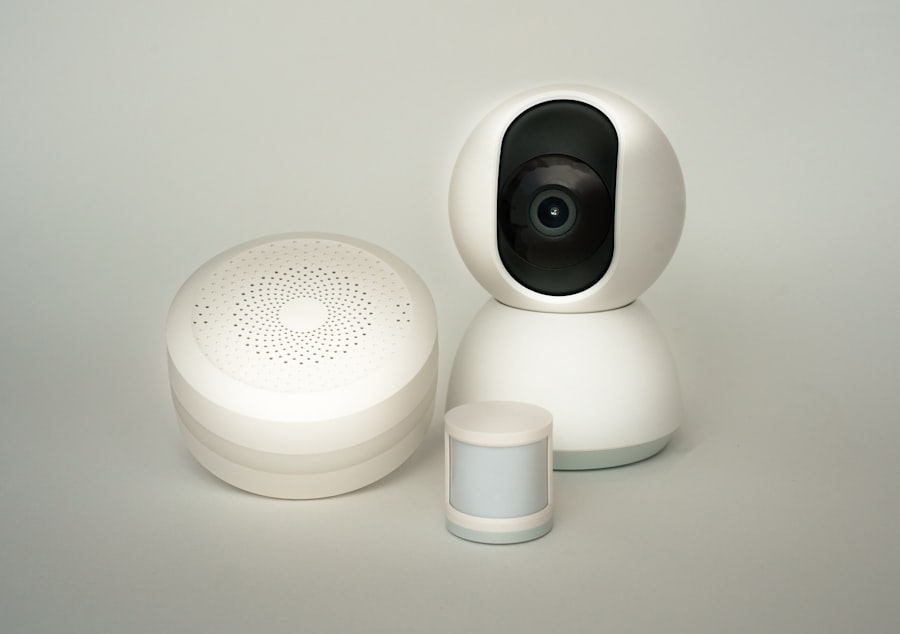
Despite the advancements in smart home security cameras, I consistently encounter a persistent shadow: cybersecurity. These devices, connected to the internet, are potential gateways into my home network, and their vulnerabilities are often exploited by malicious actors.
Common Attack Vectors
My research into cybersecurity breaches has confirmed that no device is entirely impenetrable. Smart cameras, with their constant connection and inherent data stream, present tempting targets.
- Weak Passwords and Default Credentials: This remains, in my experience, the most fundamental and preventable vulnerability. I’ve often seen users fail to change default passwords or choose easily guessable ones. This simple oversight can render all other security measures moot, effectively leaving the front door to their digital residence wide open. My practice is to use strong, unique passwords for every device and service, leveraging a password manager for convenience and security.
- Outdated Firmware and Software Vulnerabilities: Just as a physical lock requires maintenance, I recognize that camera firmware and software demand regular updates. Manufacturers frequently release patches to address newly discovered security flaws. Neglecting these updates is akin to patching a hole with chewing gum – a temporary fix that will inevitably fail. I proactively check for and install updates, ensuring my devices are running the latest, most secure versions of their software.
- Phishing and Social Engineering Attacks: Beyond technical exploits, I’ve observed that human vulnerability is often the weakest link. Phishing emails disguised as legitimate security alerts or social engineering tactics designed to trick users into divulging login credentials remain potent threats. My approach involves a healthy skepticism towards unsolicited communications and a rigorous verification process for any requests for personal information.
Mitigating Risks
My strategy for securing my smart cameras is not about achieving absolute invulnerability – a mythical state in cybersecurity – but about implementing layers of defense to make exploitation as difficult as possible.
- Network Segmentation (VLANs): I’ve found network segmentation, specifically using Virtual Local Area Networks (VLANs), to be an effective strategy. By isolating my IoT devices, including cameras, onto a separate network segment, I create a digital firewall. If one device is compromised, the attacker’s access remains confined to that segment, preventing them from easily traversing to my primary network which contains more sensitive data. This is akin to having separate, locked rooms within a house, so a breach in one does not compromise the entire dwelling.
- Two-Factor Authentication (2FA): For any service or device that supports it, I invariably enable two-factor authentication. This adds a critical layer of security by requiring a second form of verification, such as a code from my phone, in addition to my password. Even if an attacker somehow obtains my password, they are still locked out without that second factor. I view 2FA as a vital extra step, a digital bouncer at the door of my online accounts.
If you’re interested in enhancing your understanding of smart home security systems, you might find the article on the latest trends in home surveillance particularly insightful. It delves into various features and technologies that can significantly improve your home security setup. For more information, you can check out this related article on smart home security camera secrets to discover tips and tricks that can help you make the most of your security cameras.
My Future Outlook and Evolving Trends
| Secret | Description | Benefit | Metric/Example |
|---|---|---|---|
| Motion Detection Sensitivity | Adjusting sensitivity to reduce false alarms from pets or passing cars. | Improved accuracy in alerts | False alarm rate reduced by up to 40% |
| Night Vision Quality | Using infrared LEDs and advanced sensors for clear images in low light. | Enhanced visibility in darkness | Up to 30 feet clear night vision range |
| Two-Way Audio | Allows communication through the camera via smartphone app. | Remote interaction and deterrence | Latency under 200ms for real-time talk |
| Cloud Storage Encryption | Encrypting video data stored in the cloud to protect privacy. | Data security and user privacy | 256-bit AES encryption standard |
| Local Storage Option | Supports microSD cards for storing footage locally. | Backup and offline access | Supports up to 128GB microSD cards |
| AI-Based Person Detection | Uses AI to distinguish people from other moving objects. | Reduces unnecessary alerts | Accuracy rate above 90% |
| Privacy Mode | Disables camera recording and streaming when activated. | User control over surveillance | Instant activation via app |
| Integration with Smart Home Systems | Compatible with Alexa, Google Assistant, and Apple HomeKit. | Seamless automation and control | Supports over 3 major platforms |
The landscape of smart home security cameras is not static; it is a continually evolving ecosystem. My perspective is that of an observer and an active user, constantly assessing the direction in which this technology is heading.
Edge Computing and Local Processing
I anticipate a growing shift towards edge computing, where more processing power is embedded directly within the camera itself. This move away from solely cloud-based processing offers several compelling advantages.
- Enhanced Privacy and Reduced Latency: By performing AI analytics directly on the device, the need to transmit all video footage to the cloud for processing is reduced. This inherently enhances privacy, as sensitive data remains local. Furthermore, I expect to see a significant reduction in latency, as decisions about notifications or actions can be made instantaneously at the source, rather than waiting for round trips to remote servers. This move is akin to bringing the brain closer to the eye, allowing for quicker and more localized reflexes.
- Robustness in Connectivity Outages: A camera reliant solely on cloud processing becomes a digital brick during an internet outage. Edge computing, however, allows critical functions like recording and basic detection to continue unimpeded, even when the internet connection is disrupted. This resiliency is a crucial factor for me, as a security system should not be rendered useless by a temporary loss of connectivity.
The Integration of New Sensor Technologies
My ongoing curiosity extends to how smart cameras will integrate with an increasingly diverse array of sensors, moving beyond mere visual surveillance.
- Environmental Monitoring: I foresee cameras becoming more than just eyes; they could evolve into multi-sensory hubs. Imagine a camera that not only records video but also monitors air quality, temperature, or even sound anomalies indicative of a broken window or a smoke detector alarm. This integration would provide a more holistic understanding of the home environment.
- Biometric Authentication for Access Control: The concept of biometric authentication is already present in smartphones, but I believe its integration into home security cameras for access control is a logical next step. A camera could recognize a homeowner’s face, for example, and disarm the alarm or unlock a smart door, creating a truly seamless and personalized entry experience. This, however, requires careful consideration of the security and reliability of such biometric systems, as false positives or negatives could have significant consequences.
In conclusion, my journey into the secrets of smart home security cameras has been one of continuous learning and critical assessment. From the initial decisions of hardware selection and network configuration to the nuanced considerations of data privacy, cybersecurity, and the ever-evolving landscape of AI, I have endeavored to understand these devices not as simple gadgets, but as complex systems with far-reaching implications. My hope is that this exploration serves as a comprehensive guide for anyone seeking to deploy smart home security cameras with informed awareness, fostering a sense of genuine security rather than a false sense of protection. The digital sentinels in our homes are only as effective and secure as our understanding of them allows.

WATCH NOW ▶️ SHOCKING: My Smart Fridge Exposed Her $500,000 Secret
FAQs
What are the key features to look for in a smart home security camera?
Key features include high-definition video quality, night vision, motion detection, two-way audio, cloud storage options, and compatibility with other smart home devices.
How do smart home security cameras protect my privacy?
Many smart cameras use encryption to secure video feeds and data. Users should also set strong passwords, enable two-factor authentication, and regularly update firmware to protect against unauthorized access.
Can smart home security cameras work without an internet connection?
Some cameras can record locally to an SD card without internet, but many smart features like remote viewing and cloud storage require an internet connection.
How do motion detection and alerts work in smart home security cameras?
Motion sensors detect movement within the camera’s field of view and trigger alerts sent to your smartphone or other devices, allowing you to monitor activity in real time.
Are smart home security cameras compatible with voice assistants?
Yes, many smart cameras integrate with voice assistants like Amazon Alexa, Google Assistant, or Apple HomeKit, enabling voice commands and easier control within a smart home ecosystem.