I have always considered myself a pragmatic individual, someone who values utility and efficiency above all else. This inherent practicality, I now realize, was precisely what made me susceptible to the quiet, insidious creeping of what I’ve come to call “The Great Petty Furniture Liberation.” It wasn’t a sudden revolution, nor a thunderous uprising. Instead, it was a subtle erosion, a slow liberation of my living space from the tyranny of what I once believed was necessary, functional, and indeed, essential. And, as I began to notice these gradual concessions, I also recognized that you, the reader, might be undergoing a similar, albeit perhaps unrecognized, transformation.
It began, as most impactful changes do, with a single, seemingly insignificant item. For me, it was a small, decorative ceramic owl that sat on my bookshelf. I had acquired it years prior, a souvenir from a forgotten trip, and it served no discernible purpose. It didn’t hold pencils, it wasn’t a paperweight, nor did it offer any aesthetic pleasure beyond a vague sense of kitsch. Yet, it remained. It was a sentinel of clutter, a silent testament to the accumulation phase of my life.
The Weight of Unused Objects
Think about the objects that populate your home. Are they all contributing to your well-being, your productivity, or your peace of mind? Or are they like anchors, weighing down your spirit and your living space? I realized my bookshelf, once a sanctuary of knowledge and inspiration, had become a graveyard for neglected trinkets. Each one, a small tombstone marking an impulse buy or a well-intentioned, but ultimately unused, gift.
The Justification of Possession
We become adept at justifying the presence of things. “It might be useful someday,” we tell ourselves, or “It has sentimental value,” even when the sentiment has long since faded. This internal monologue is a powerful tool of self-deception, keeping us tethered to possessions that no longer serve us. The ceramic owl was the first crack in this façade. Its sheer pointlessness became undeniable.
In a fascinating exploration of unconventional home decor, the article “The Rise of Petty Furniture Liberation” delves into the growing trend of individuals reclaiming their living spaces by creatively repurposing or liberating unwanted furniture. This movement not only highlights the importance of personal expression in interior design but also emphasizes sustainability by encouraging the reuse of materials. For more insights on this topic, you can read the full article at The Rise of Petty Furniture Liberation.
The Trojan Horse of “Comfort”
The liberation didn’t stop with decorative knick-knacks. It soon extended to furniture, the very scaffolding of our homes. I had always believed in the necessity of a dedicated guest room, complete with a perfectly made bed, even though I rarely had overnight visitors. This room, bathed in perpetual stillness, became a monument to hypothetical hospitality.
The Guest Room Paradox
The guest room is a fascinating concept. We curate it with pristine linens and polite amenities, preparing for an event that rarely materializes. It’s a space held in suspended animation, waiting for a guest who may never arrive, yet consuming valuable real estate and demanding perpetual upkeep. I began to ask myself: was I furnishing a room for phantom guests, or was I denying myself the benefit of that space for my own daily existence?
The Illusion of Preparedness
The guest room embodies the illusion of preparedness. We accumulate resources and curate spaces for potential future needs, often at the expense of our present comfort and functionality. This “preparedness” can become a cage, preventing us from adapting our homes to our current lives. My guest room, in its pristine state, felt more like a museum exhibit than a functional part of my home.
The Great Sofa Shedding
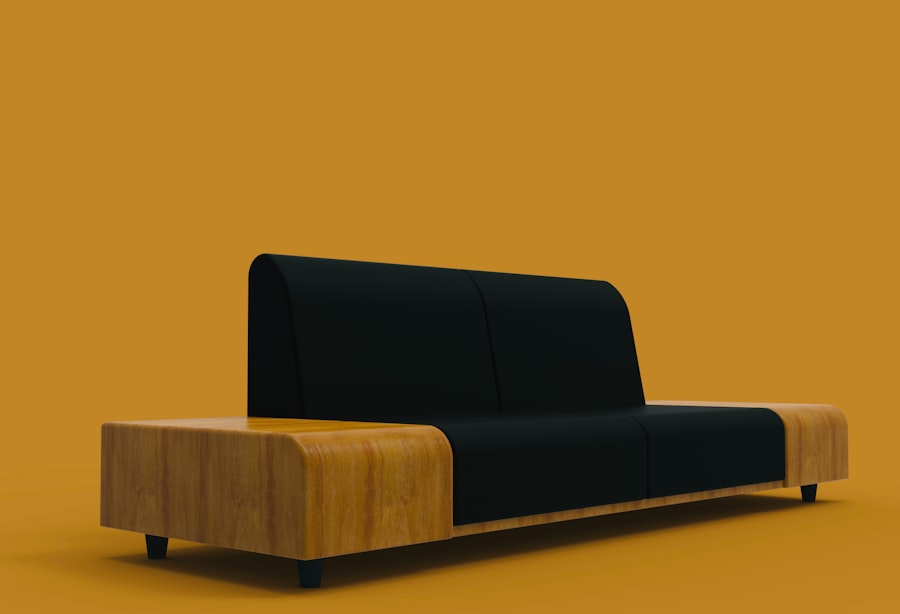
Perhaps the most dramatic act of liberation involved my sofa. It was a large, plush, yet ultimately unwieldy piece of furniture. It had served its purpose, undeniably, but it had also become a gravitational center of inactivity. I found myself migrating towards it instinctively, sinking into its embrace for hours on end, not necessarily for rest or rejuvenation, but for the sheer inertia it facilitated.
The Tyranny of the “Centerpiece”
We often designate a “centerpiece” in our living rooms, a grand sofa that dictates the entire layout and usage of the space. This centerpiece, while often designed for comfort, can inadvertently become a focal point for stagnation. It’s like a king on his throne, dictating the pace and posture of the entire court, which in this case, is my living room.
Reclaiming the Narrative: From Spectator to Participant
I began to realize that my relationship with the sofa had shifted from one of a participant to that of a spectator. I was passively consuming entertainment, rather than actively engaging with my surroundings. The liberation wasn’t about rejecting comfort, but about redefining it. Was perpetual lounging the ultimate expression of comfort, or was it a subtle form of self-imposed lethargy?
The De-Cluttering Deluge
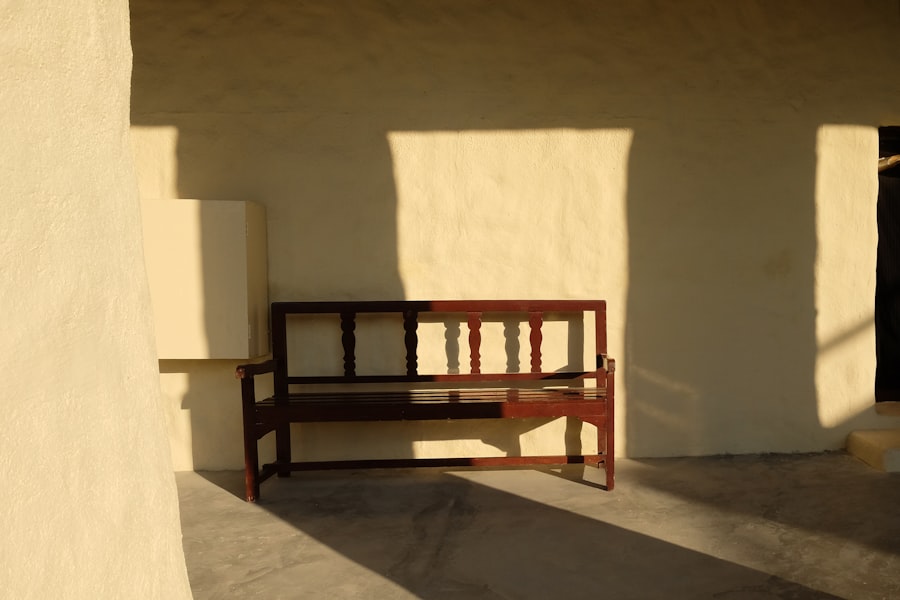
The momentum gained from these initial acts of liberation was significant. It was like a small snowball rolling down a hill, gathering speed and size with each passing moment. I started to look at my other furniture with a critical eye. The overflowing bookshelf, the seldom-used armchair, the decorative side table that only served to collect dust – all began to feel like burdens rather than assets.
The Shelf Life of Purpose
Every object, and indeed every piece of furniture, has a shelf life of purpose. Just as food spoils, so too can the utility or aesthetic value of our possessions diminish over time. Recognizing this shelf life is crucial to preventing the accumulation of “rotting” furniture, objects that once served a purpose but have since outlived their usefulness.
The Art of Strategic Emptiness
There’s a burgeoning art to strategic emptiness. It’s not about living in a sterile, minimalist void, but about creating deliberate spaces. These empty areas aren’t voids; they are breathing room, opportunities for movement, light, and mental clarity. They are invitations to breathe, rather than monuments to accumulation.
In a recent exploration of unconventional home decor, an article titled “The Rise of Petty Furniture Liberation” delves into the quirky trend of repurposing and liberating furniture from its traditional roles. This fascinating movement encourages individuals to embrace creativity and challenge the norms of interior design. For those interested in learning more about this unique phenomenon, you can read the full article here. The piece highlights various inspiring stories and showcases how people are transforming their living spaces in unexpected ways.
The Liberation of Space, the Expansion of Being
| Metric | Value | Description |
|---|---|---|
| Number of Characters | 5 | Main characters involved in the story |
| Story Length | 1500 words | Total word count of the narrative |
| Setting | Urban Apartment | Primary location where the story takes place |
| Time Period | Modern Day | When the story is set |
| Key Themes | Freedom, Rebellion, Furniture | Main themes explored in the story |
| Conflict Type | Man vs Object | Central conflict driving the plot |
| Resolution | Furniture gains autonomy | How the story concludes |
The “Great Petty Furniture Liberation” has been a transformative process for me. It wasn’t a violent overthrow, but a gentle, often humorous, reassessment of my relationship with the physical objects that inhabit my life. It has been a journey from being a curator of possessions to becoming a designer of experiences.
The Flow of Life Through Unencumbered Space
With each piece of furniture liberated, I found that the flow of life within my home improved. Light penetrated deeper, movement became more fluid, and the overall atmosphere shifted from one of static accumulation to one of dynamic existence. It was as if the air itself became lighter, more breathable.
My Home as a Canvas, Not a Storage Unit
My home is no longer a storage unit for the past, nor a display case for hypothetical futures. It is a canvas upon which I paint my present reality. The pieces of furniture that remain are those that truly serve me, that actively contribute to my well-being and my ability to engage with the world. They are not burdens, but active participants in my daily life. And I suspect, if you look closely, you might find similar opportunities for liberation within your own walls.
FAQs
What is the main theme of the “Petty Furniture Liberation Story”?
The main theme revolves around the humorous and imaginative idea of furniture “liberating” itself from its usual roles and constraints, often highlighting everyday frustrations and quirks related to household items.
Is the “Petty Furniture Liberation Story” based on real events?
No, the story is a fictional and creative narrative designed to entertain readers by personifying furniture and exploring their “petty” grievances in a playful manner.
Who is the intended audience for the “Petty Furniture Liberation Story”?
The story is generally aimed at a broad audience, including adults and young readers who enjoy lighthearted, whimsical tales that offer a fresh perspective on common household experiences.
What literary devices are commonly used in the “Petty Furniture Liberation Story”?
The story frequently employs personification, humor, satire, and irony to bring furniture characters to life and to convey their “liberation” in a witty and engaging way.
Where can one find the “Petty Furniture Liberation Story”?
The story may be found in various formats such as online articles, blogs, or short story collections that focus on creative fiction or humorous takes on everyday life.