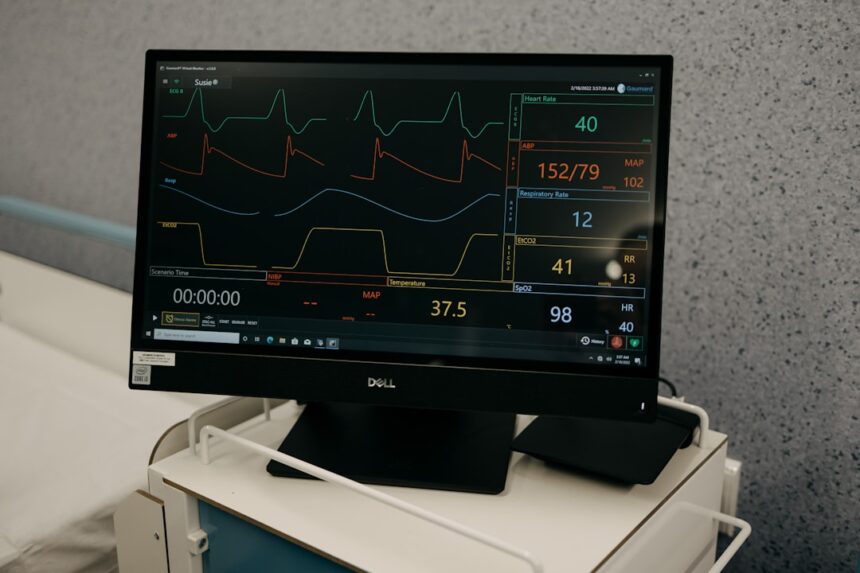
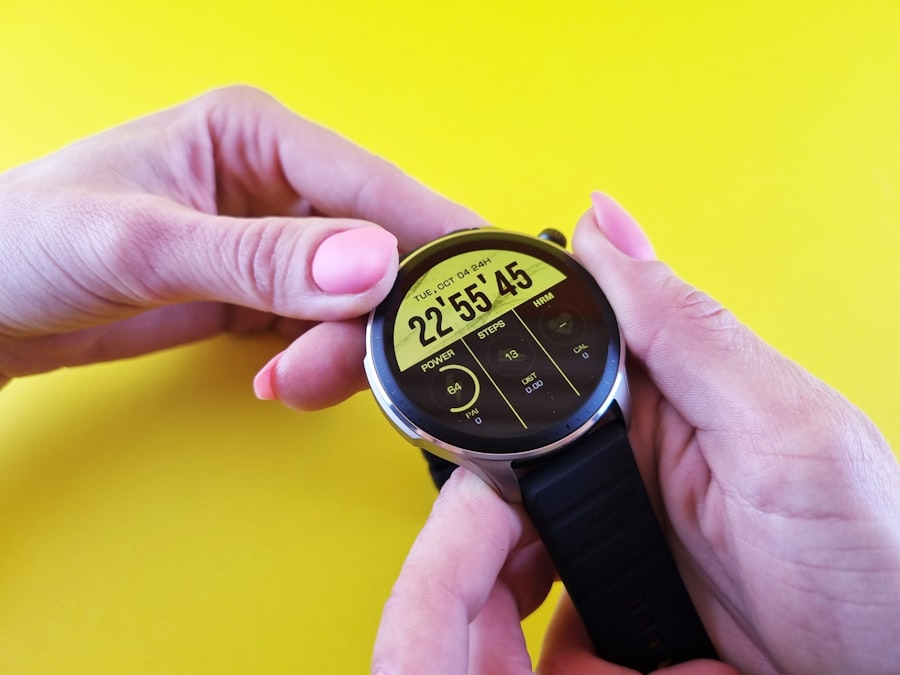
The question of whether the data logged by my smartwatch, specifically my heart rate, can be admitted as evidence in a court of law is a complex one, a legal labyrinth where technology and jurisprudence intertwine. For many of us, these wearable devices are more than just chronometers; they are personal health monitors, a constant stream of physiological data flowing from our wrists. But when the stakes are high, when lives and liberty hang in the balance, can this seemingly innocuous data truly hold sway in a court of justice?
The legal system has long grappled with the admissibility of evidence. Historically, this revolved around tangible objects, eyewitness accounts, and documented records. However, the digital revolution has opened a Pandora’s Box of new evidence types, from emails and social media posts to surveillance footage and, increasingly, data from personal electronic devices. My smartwatch, with its ability to track my pulse, steps, sleep patterns, and more, falls squarely into this evolving category.
Defining Admissibility: The Gatekeepers of Evidence
Before any piece of evidence, digital or otherwise, can be considered by a judge or jury, it must first pass through the stringent gates of admissibility. This is not a free-for-all; legal rules are in place to ensure that only reliable, relevant, and ethically obtained evidence sees the light of day in court. Think of these rules as the sentinels guarding the courtroom, preventing unreliable or prejudicial information from influencing the pursuit of truth.
Relevance: Does it Matter?
The most fundamental hurdle is relevance. Does the heart rate data from my smartwatch actually have a bearing on the case at hand? If I am on trial for a crime, and my smartwatch data shows a significantly elevated heart rate during a specific timeframe, that might be relevant. For instance, if the prosecution is arguing I was stressed and therefore guilty, my heart rate data could be presented. Conversely, if the data is unrelated to any material fact in dispute, it will likely be deemed irrelevant and excluded.
Reliability: Can We Trust the Source?
This is where the smartwatch heart rate evidence faces its most significant challenge. Courts are rightfully skeptical of unverified or potentially inaccurate data. Unlike a certified medical device used in a clinical setting, a consumer-grade smartwatch is not designed for forensic accuracy. Its sensors, algorithms, and calibration can be subject to a host of variables.
Accuracy of Smartwatch Sensors
The optical sensors used in most smartwatches shine light into the skin and measure the amount of light absorbed by blood flow. This process, known as photoplethysmography (PPG), can be affected by a multitude of factors. Movement, skin pigmentation, hand temperature, and even the tightness of the watch band can all distort readings. If my smartwatch consistently overestimates or underestimates my heart rate, its data becomes a shaky foundation upon which to build a legal argument.
Calibration and Manufacturer Standards
Unlike medical-grade equipment that undergoes rigorous regulatory approval and calibration, consumer smartwatches operate under different standards. While manufacturers strive for accuracy, their primary aim is usually to provide general wellness insights, not precise clinical measurements. This lack of standardized calibration is a significant hurdle for admissibility. If a defense attorney can demonstrate that the smartwatch’s readings are prone to error or have not been independently verified to a scientific standard, the court may question its reliability.
Authentication: Proving it’s the Real Deal
Even if the heart rate data is deemed relevant and reliable, it must also be properly authenticated. This means proving that the data actually comes from my smartwatch, that it hasn’t been tampered with, and that it accurately represents the data recorded at the time in question.
Chain of Custody for Digital Evidence
Just as physical evidence needs a documented chain of custody to ensure it hasn’t been altered, digital evidence requires similar meticulous handling. This involves demonstrating how the data was extracted from the device, by whom, and with what methods. Was it downloaded directly from the watch, or through an app and then exported? Were there any intermediaries that could have corrupted the data? A broken chain of custody can render even potentially valuable evidence inadmissible.
Expert Testimony for Data Integrity
To navigate the complexities of digital authentication, courts often rely on expert witnesses. A digital forensic expert can testify about the methods used to extract and preserve the data, ensuring its integrity. They can explain the data format, the software used, and any potential vulnerabilities. This expert testimony acts as a bridge, translating the technical intricacies of digital evidence into terms the court can understand and trust.
Hearsay Rules and Exceptions
Beyond the foundational requirements of relevance, reliability, and authentication, the heart rate data from my smartwatch will also be scrutinized under the rules of evidence, particularly the hearsay rule.
What is Hearsay?
Hearsay is an out-of-court statement offered in court to prove the truth of the matter asserted. Generally, hearsay is inadmissible because the person who made the statement is not present in court to be cross-examined. If my smartwatch “stated” that my heart rate was 120 bpm at a certain time, and this statement is being offered to prove that my heart rate was indeed 120 bpm, it could be considered hearsay.
Exceptions to the Hearsay Rule
However, the law recognizes various exceptions to the hearsay rule, designed to admit reliable out-of-court statements. The applicability of these exceptions to smartwatch data is a developing area.
Business Records Exception
One potential avenue for admissibility might be the business records exception. If the data is generated and maintained by the smartwatch manufacturer as part of their regular business operations, it might qualify. However, this exception typically applies to records made by individuals with knowledge of the facts who are acting in the regular course of business. It’s debatable whether automated data logging by a consumer device fits this description precisely.
Present Sense Impression
Another exception, the present sense impression, applies to statements describing or explaining an event or condition made while the declarant was perceiving the event or condition, or immediately thereafter. While my smartwatch isn’t a “declarant” in the human sense, the data represents an immediate, real-time recording. However, the legal interpretation of this exception in the context of automated device data is far from settled.
Recent discussions surrounding the admissibility of smartwatch heart rate data as evidence in court have gained traction, particularly in light of a related article that explores the implications of wearable technology in legal settings. This article delves into how heart rate monitoring from smartwatches can provide critical insights into an individual’s physiological state during key events, potentially influencing the outcomes of legal cases. For more information on this topic, you can read the article here: Smartwatch Heart Rate Evidence in Court.
The “Fit” of the Evidence: Beyond Mere Data
Even if my smartwatch heart rate data passes the initial hurdles of admissibility, it must also “fit” the specific context of the case. This involves considering how the data might be perceived by a jury and whether its potential prejudicial effect outweighs its probative value.
Prejudicial vs. Probative Value
A cornerstone of evidence law is the balancing of probative value against prejudicial effect. Probative value refers to how strongly the evidence tends to prove or disprove a fact. Prejudicial effect refers to the likelihood that the evidence will unfairly bias the jury against a party, leading them to decide the case on emotional grounds rather than the evidence presented.
Narratives of Physiology as Powerful (and Potentially Misleading) Testimony
The raw numbers of a heart rate reading can sound remarkably authoritative. When presented in court, a graph showing a spike in my heart rate might be interpreted by a jury as definitive proof of distress, exertion, or even guilt. This is where the danger lies. Without proper context and expert interpretation, these physiological signals can become powerful, yet misleading, narratives.
The “CSI Effect” and Digital Overtures
The pervasive influence of crime shows, often referred to as the “CSI Effect,” means that juries may have heightened expectations regarding the certainty and conclusiveness of digital evidence. My smartwatch data, even if presented with caveats, might be perceived as an irrefutable scientific truth, overshadowing other forms of evidence.
Expert Testimony: The Bridge to Understanding
Given the technical nature of smartwatch data and the potential for misinterpretation, expert testimony will almost certainly be crucial for its admission and effective utilization in court.
Recent developments in the use of smart watches as evidence in court cases have sparked significant interest among legal professionals and technology experts alike. A particularly insightful article discusses how heart rate data collected from these devices can be utilized to support or challenge claims made during trials. This innovative approach raises questions about the reliability and admissibility of such evidence in legal proceedings. For more details on this topic, you can read the full article here.
Who is the Expert?
The expert witness in this scenario would likely be someone with knowledge of wearable technology, biometric data analysis, and potentially the medical implications of heart rate variations. This could be an engineer specializing in sensor technology, a data scientist with experience in wearable device data, or even a cardiologist who can interpret the physiological significance of the readings.
Qualifications and Credentials
To be credible, the expert must have demonstrable qualifications and experience relevant to the specific data being presented. Their credentials will be thoroughly scrutinized by the opposing counsel to ensure they are truly an expert in the field.
Explaining the Unseen: Translating Bytes to Insight
The expert’s role is not to opine on guilt or innocence, but to explain the data in a comprehensible manner to the judge and jury. They will need to explain how the smartwatch collects data, the limitations of the technology, and the potential interpretations of the readings within the context of the case.
The Difference Between an Apple Watch Reading and a Holter Monitor
It is essential for the expert to clearly articulate the distinction between data from a consumer device like my smartwatch and data from medical-grade equipment. This distinction is vital in managing jury expectations and preventing the elevation of potentially imprecise data to the status of medical certainty.
Case Law and Evolving Precedents
The legal landscape surrounding the admissibility of digital evidence is constantly shifting. As new technologies emerge, courts are tasked with adapting existing rules and forging new precedents.
Early Battles for Digital Evidence
In the early days of digital evidence, courts were often hesitant, treating computer data with suspicion. Cases involving emails, hard drive contents, and early forms of digital communication laid the groundwork for the acceptance of digital evidence today.
The Rise of Smartphone Data
More recently, the courts have become increasingly familiar with data from smartphones, including location data, call logs, and text messages. This has paved the way for the consideration of data from other personal electronic devices.
Navigating the Frontier of Wearable Device Data
Smartwatch heart rate data represents a newer frontier. While there may not be extensive, well-established case law specifically addressing this exact type of evidence, the principles established in cases involving other digital data will likely be applied. The specific facts of each case, the jurisdiction, and the quality of the evidence presented will ultimately determine its admissibility.
Challenges and Future Directions
The admissibility of smartwatch heart rate data is not a foregone conclusion. There are significant challenges to overcome, but also potential for this data to become a valuable, albeit carefully scrutinized, piece of evidence.
The “Black Box” Problem
One persistent challenge with many digital devices is the “black box” problem. We often rely on the outputs of sophisticated algorithms without fully understanding the internal workings. For smartwatch data, this means presenting data from a system that may not be entirely transparent to the court.
Regulatory Scrutiny and Standardization
As wearable technology becomes more sophisticated and its potential for legal relevance grows, we may see increased calls for regulatory scrutiny and standardization of accuracy and data integrity. This could lead to clearer guidelines for what constitutes admissible data from these devices.
The Unblinking Eye of Technology in the Courtroom
Ultimately, the question of whether my smartwatch heart rate data is admissible in court is a testament to the ever-increasing presence of technology in our lives, and by extension, in our legal system. It is a reminder that the unblinking eye of technology, while offering potential insights, must be carefully examined and rigorously tested before it can be deemed a reliable witness in the pursuit of justice. The path from a personal health tracker to admissible court evidence is a winding one, fraught with legal complexities, but it is a path that will undoubtedly continue to be explored as technology marches forward.

WATCH NOW ▶️ SHOCKING: One Heart Rate Spike Exposed My Brother’s $2M Fraud
FAQs
1. Can heart rate data from a smartwatch be used as evidence in court?
Yes, heart rate data recorded by a smartwatch can be used as evidence in court, provided it is relevant to the case and has been collected and preserved in a manner that maintains its integrity.
2. How reliable is heart rate data from smartwatches for legal purposes?
The reliability of heart rate data from smartwatches depends on the device’s accuracy, the conditions under which the data was recorded, and expert analysis. Courts may consider this data alongside other evidence to assess its credibility.
3. What types of cases might involve smartwatch heart rate evidence?
Smartwatch heart rate data may be used in various cases, including personal injury claims, criminal investigations, alibi verification, and cases involving physical activity or stress levels at specific times.
4. Are there privacy concerns related to using smartwatch data in court?
Yes, using smartwatch data in court raises privacy issues, as it involves personal health information. Legal procedures typically require proper authorization, such as warrants or consent, to access and use this data.
5. How is smartwatch heart rate data authenticated for court use?
Authentication involves verifying the source of the data, ensuring it has not been tampered with, and often includes expert testimony on the device’s functionality and data accuracy to establish its validity as evidence.