The ticking of a clock, once a mundane measure of passing seconds, is increasingly becoming a pivotal witness in the realm of legal proceedings. For years, circumstantial evidence, eyewitness accounts, and forensic science have formed the bedrock of court cases. However, a new, more personal form of data is now emerging from the device on our wrists: the smartwatch. This article will explore how the heart rate data captured by smartwatches is transforming into compelling evidence, becoming a veritable game-changer in court cases.
The modern smartwatch is far more than a timekeeping device; it’s a personal biometric data logger, silently observing and recording our physiological responses to the world around us. At its core, this capability stems from the optical sensors embedded within the device.
The Science Behind the Pulse: Photoplethysmography (PPG)
The primary technology enabling heart rate monitoring on most smartwatches is photoplethysmography (PPG). This technique utilizes light-emitting diodes (LEDs) to shine light into the skin of the wearer’s wrist.
How PPG Works: Light Absorption and Reflection
As blood flows through the capillaries beneath the skin, it absorbs and reflects the light emitted by the LEDs. The amount of light that is reflected back to a photodetector on the smartwatch varies with the volume of blood in the capillaries.
- Heartbeats and Blood Volume: During each heartbeat, the heart pumps blood, causing a surge in blood volume within the arteries and capillaries. This surge leads to increased light absorption and decreased light reflection.
- Between Beats: When the heart is not beating, the blood volume decreases, resulting in less light absorption and more light reflection.
- Detecting the Pattern: The smartwatch’s sensor continuously monitors these fluctuations in reflected light. By analyzing the frequency and pattern of these changes, it can accurately deduce the wearer’s heart rate – the number of times the heart beats per minute.
Data Acquisition and Storage: From Wrist to Cloud
Once captured, this raw biometric data undergoes processing and storage, making it accessible for analysis.
- On-Device Processing: Many smartwatches perform initial processing of the heart rate data directly on the device. This includes filtering out noise caused by movement or other external factors to ensure accuracy.
- Synchronization and Cloud Storage: The processed data is then typically synchronized with a companion smartphone app. From the app, this data can be uploaded to cloud-based servers managed by the device manufacturer. This cloud storage is crucial as it provides a centralized and often secure repository for historical biometric information.
- Data Granularity: The frequency of heart rate readings can vary depending on the smartwatch model and its settings. Some devices record continuously, while others take readings at set intervals. This variability in granularity can impact the type of inferences that can be drawn from the data.
In recent years, the use of smart watches to monitor heart rate has gained attention in legal contexts, particularly as evidence in court cases. A related article discusses how data from these devices can provide crucial insights into a person’s physiological state during critical moments, potentially influencing the outcome of trials. For more information on this topic, you can read the article here: Smart Watch Heart Rate Evidence in Court.
Unlocking the Truth: The Admissibility of Smartwatch Data in Court
The journey of smartwatch heart rate data from a personal health metric to a piece of legally admissible evidence is fraught with challenges, but its potential impact is undeniable. Courts are slowly but surely grappling with how to integrate this novel data source into existing evidentiary frameworks.
The Foundational Pillars of Admissibility
For any piece of evidence to be considered in court, it must meet certain criteria designed to ensure its reliability and relevance. This is where smartwatch heart rate data faces its initial hurdle.
Relevance and Probative Value: Does it Matter?
The fundamental question for any piece of evidence is whether it helps prove or disprove a fact that is central to the case.
- Direct vs. Circumstantial Evidence: Smartwatch data is almost always circumstantial evidence. It does not directly prove guilt or innocence but can be used to infer actions or states of mind. For example, a sudden spike in heart rate might suggest fear, exertion, or stress, which could be relevant to understanding a defendant’s actions during a specific event.
- Linking the Data to the Event: The critical challenge is to convincingly link the recorded heart rate data to a specific incident or time period in question. This requires establishing a clear timeline and demonstrating that the device was indeed worn by the individual in question during that period.
Reliability and Accuracy: Is the Data Trustworthy?
The reliability of the data is paramount. If the method of data collection is inherently flawed or prone to significant error, its probative value is diminished.
- Scientific Validity of PPG: While PPG is a well-established technology, its accuracy can be influenced by various factors, including skin tone, movement artifact, and band tightness. Legal challenges often emerge around the scientific validity and precision of the specific device used.
- Expert Testimony: To address reliability concerns, expert testimony from biometric scientists, engineers, or forensic analysts may be required. These experts can explain the technology, its limitations, and the general accuracy rates of the device in question.
Navigating the Legal Minefield: Authentication and Hearsay
Beyond relevance and reliability, the data must also be properly authenticated and not violate hearsay rules.
Authentication: Proving it’s Real
Authentication is the process of proving that the evidence is what it purports to be.
- Chain of Custody: While not a physical object in the traditional sense, a chain of custody for digital evidence is crucial. This involves documenting how the data was retrieved, from whom, and by whom, ensuring it hasn’t been tampered with.
- Digital Forensics: Specialized digital forensic techniques are employed to extract and preserve the integrity of smartwatch data. This includes verifying the device’s serial number, firmware version, and ensuring that no modifications have been made to the raw data files.
Hearsay Considerations: Out-of-Court Statements
Hearsay is an out-of-court statement offered in court to prove the truth of the matter asserted. Smartwatch data, as a recorded physiological response, is generally not considered hearsay.
- Business Records Exception: In many jurisdictions, data generated in the regular course of business by a reliable electronic device can be admitted under the business records exception to the hearsay rule. The smartwatch manufacturer’s system for data collection and storage often qualifies as such a record.
- Present Sense Impression/Excited Utterance Analogy: While not directly applicable, legal scholars have sometimes drawn parallels between the immediate and unadulterated nature of biometric data capture and concepts like present sense impression or excited utterance, where a statement is made contemporaneously with an event and reflects the speaker’s sensory perception or emotional state.
Real-World Applications: Smartwatch Data in Criminal Defense and Prosecution
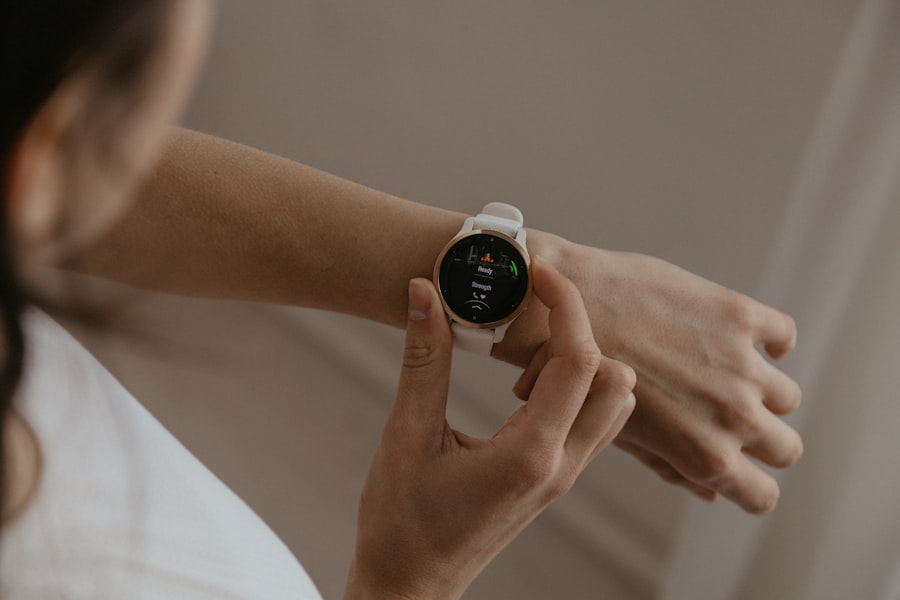
The implications of smartwatch heart rate data span a wide spectrum of legal scenarios, offering novel avenues for both defense and prosecution.
Defense Strategies: Challenging Narratives and Establishing Absence
For the defense, smartwatch data can serve as a silent alibi, a shield against accusations, or a tool to cast doubt on prosecution narratives.
The Alibi Unveiled: Proving Location and Activity
- Disproving Presence: If a defendant claims to have been elsewhere during a crime, but their smartwatch data shows a heart rate indicative of extreme physical exertion or stress at the time of the incident, this could corroborate their alibi and suggest they were not at the crime scene. Conversely, a lack of elevated heart rate during a period of alleged criminal activity could be used to argue against participation if the nature of the crime would typically elicit a strong physiological response.
- Corroborating Activity: In cases where a defendant claims to have been engaged in a specific, physically demanding activity at a particular time (e.g., hiking, running), their smartwatch data, showing corresponding high heart rates and activity levels, can lend significant credibility to their defense.
The State of Mind Defense: Evidence of Fear or Incapacity
- Sudden Fear or Panic: Evidence of a sharp and significant elevation in heart rate immediately preceding or during a specific event could be presented to support a defense of self-defense, duress, or diminished capacity, suggesting the defendant was reacting out of extreme fear or panic, rather than with malicious intent.
- Medical Incapacity: In situations where a defendant’s actions might be called into question due to a medical condition, a smartwatch’s continuous heart rate monitoring could reveal an episode of cardiac arrhythmia, an extreme drop in blood pressure (sometimes inferable from associated heart rate changes), or other physiological anomalies that rendered them temporarily incapable of intentional or reasoned action.
Prosecution Tools: Confirming Witness Accounts and Establishing Motive
On the other side of the courtroom, prosecutors can leverage smartwatch data to bolster their cases, corroborate witness testimony, or infer motive.
Corroborating Witness Testimony: The Objective Witness
- Confirming Allegations of Aggression: If a witness alleges that a defendant became enraged and their heart rate surged during an altercation, the defendant’s smartwatch data showing a dramatic spike in heart rate coinciding with that timeframe could serve as powerful objective corroboration of the witness’s account.
- Evidence of Exertion During a Crime: In cases involving physical struggle or rapid movement during a criminal act, a defendant’s smartwatch data showing elevated heart rates consistent with such exertion could link them to the scene and the commission of the crime.
Inferring Motive and Intent: The Physiological Signature of Emotion
- Stalking and Harassment: In cases of stalking or harassment, a pattern of elevated heart rates in the defendant when in proximity to the victim, even if not directly captured during an interaction, could be presented as evidence of heightened emotional arousal or obsession, potentially indicative of motive.
- Deception Detection (Indirectly): While not a direct lie detector, a sudden and unexplained spike in heart rate during a police interview or testimony could be presented as a physiological indicator of stress or anxiety, which might be interpreted as a sign of deception, although this is a highly contentious area.
The Forensic Examination: Unpacking the Digital Footprint
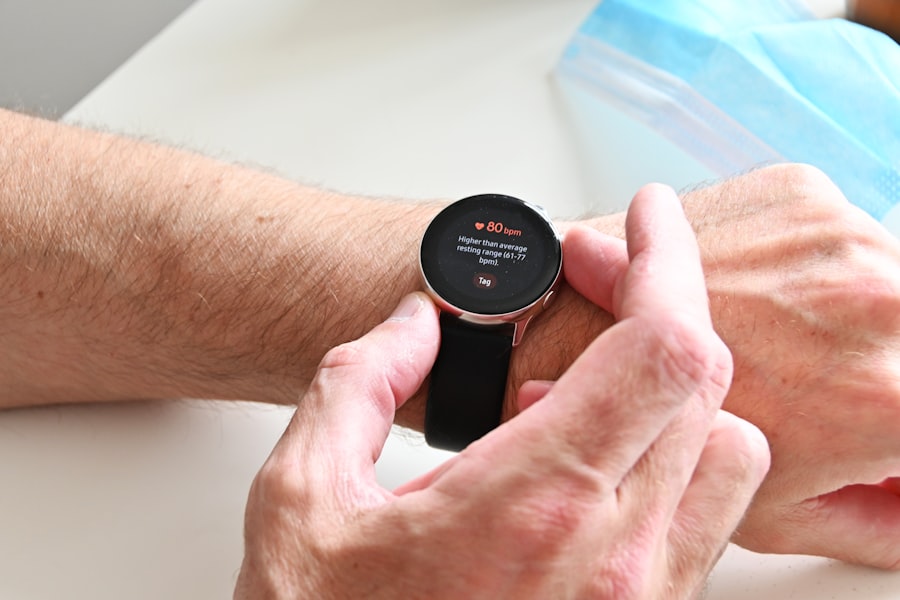
The process of extracting and analyzing smartwatch heart rate data for legal purposes requires specialized expertise, akin to traditional forensic investigations but with a digital overlay.
The Digital Investigator’s Toolkit: Preservation and Extraction
When smartwatch data is deemed relevant to a case, a meticulous process of digital forensic examination begins.
Imaging and Preservation: Locking Down the Data
The first and most critical step is to ensure the integrity of the data.
- Device Acquisition: This typically involves obtaining the smartwatch itself, or if unavailable, accessing the synchronized data from the user’s cloud account or smartphone.
- Forensic Imaging: If the device is accessible, a forensic image of its storage is created. This is a bit-for-bit copy that preserves the data in its original state, preventing any unintended alterations during analysis.
- Cloud Data Extraction: For cloud-stored data, specialized tools and legal authorizations are required to securely extract the relevant information without compromising the data’s integrity or violating privacy protocols.
Data Extraction and Analysis: Piecing Together the Puzzle
Once the data is preserved, it is subjected to rigorous analysis.
- Proprietary Software: Smartwatch manufacturers often use proprietary software and file formats. Forensic analysts may need access to specialized tools or develop custom scripts to interpret this data accurately.
- Timeline Reconstruction: The extracted data is cross-referenced with known event timelines to reconstruct the wearer’s physiological state during critical periods. This involves correlating timestamps from the smartwatch with police reports, witness statements, and other evidence.
- Anomaly Detection: Analysts look for significant deviations from the wearer’s baseline heart rate, as well as patterns that align with known physiological responses to stress, exertion, or specific emotional states.
Interpretation and Reporting: Translating Data into Understandable Evidence
The findings from the forensic examination must be translated into a format that is comprehensible to legal professionals and the court.
Expert Witness Testimony: The Bridge Between Technology and Law
- Explaining the Methodology: The forensic analyst will often act as an expert witness, explaining the technology behind the smartwatch, the methods used for data extraction, and the interpretation of the findings.
- Addressing Limitations: Crucially, the expert must also candidly discuss the limitations of the data, potential sources of error, and any assumptions made during the analysis. This transparency is vital for maintaining credibility.
- Defending the Evidence: The expert witness will be prepared to defend their findings against challenges from the opposing counsel, who may question the accuracy or relevance of the data.
Visualizations and Demonstratives: Making the Invisible Visible
- Graphs and Charts: Complex heart rate data is often presented in visually understandable formats such as graphs and charts, illustrating trends, spikes, and dips over time.
- Animated Recreations: In some complex cases, animated recreations of the data, showing physiological responses superimposed on a timeline of events, can be used to enhance understanding.
Recent discussions surrounding the admissibility of smart watch heart rate data as evidence in court have gained traction, particularly in light of a related article that explores the implications of wearable technology in legal settings. This article highlights how heart rate monitoring from smart devices can provide crucial insights into a person’s physiological state during critical moments, potentially influencing the outcomes of legal cases. For more information on this topic, you can read the full article here.
Challenges and Controversies: The Double-Edged Sword of Biometric Data
| Metric | Description | Relevance in Court | Example Use Case |
|---|---|---|---|
| Heart Rate Accuracy | Degree to which the smartwatch heart rate data matches medical-grade monitors | Determines reliability of data as evidence | Validating timeline of physical activity during an incident |
| Timestamp Precision | Exactness of time recorded for each heart rate measurement | Establishes chronological sequence of events | Corroborating alibi or event timing |
| Data Integrity | Protection against tampering or alteration of heart rate data | Ensures admissibility and trustworthiness in court | Verifying authenticity of evidence submitted |
| Continuous Monitoring Duration | Length of time heart rate was recorded without interruption | Supports comprehensive activity or health profiling | Demonstrating sustained stress or exertion during an event |
| Legal Precedents | Number of cases where smartwatch heart rate data was accepted as evidence | Indicates judicial acceptance and weight of such evidence | Case studies referencing smartwatch data in verdicts |
Despite its burgeoning potential, the use of smartwatch heart rate data in court is not without its significant challenges and ethical considerations. These hurdles must be overcome for the evidence to be considered a reliable, rather than a speculative, tool in the pursuit of justice.
The Accuracy Debate: More Than Just a Number
The fundamental question of how accurate this data truly is, and under what conditions, remains a persistent point of contention.
Movement Artifacts and Inconsistent Readings
- “Ghost” Heartbeats: Vigorous physical activity, sudden jerky movements, or even a loose-fitting watchband can cause motion artifacts. These extraneous signals can be mis interpreted by the sensor as heartbeats, leading to inflated or inaccurate readings.
- Environmental Factors: Temperature extremes, skin perfusion issues, and even certain medical conditions can affect the accuracy of PPG readings. A courtroom might not be the best place to debate the intricacies of how a hot day might skew data.
Calibration and Device Variability
- No Universal Standard: Unlike scientifically calibrated medical devices, consumer-grade smartwatches are not subject to the same rigorous regulatory oversight for medical accuracy. Different models and even different units of the same model can exhibit varying levels of precision.
- Onus on the Accused: The defense may argue that the burden of proof should be on the prosecution to demonstrate the exceptional accuracy of a specific device under the specific conditions it was used, rather than the defense having to prove its inaccuracy.
Privacy Concerns and Data Security: A Pandora’s Box of Personal Information
The highly personal nature of biometric data raises significant privacy concerns that courts must navigate carefully.
Big Brother on Your Wrist: Concerns Over Surveillance
- Unwarranted Access: Critics worry that the widespread adoption of smartwatches and the increasing ease of accessing their data could lead to more pervasive surveillance, with law enforcement potentially seeking access to this intimate information without sufficient justification.
- Scope Creep: There is a concern that once accepted, the scope of what smartwatch data can be used for might expand beyond its intended initial applications, leading to an erosion of personal privacy. The “digital breadcrumbs” left by these devices could become a tool for intrusive investigations.
Data Breaches and Misuse: The Vulnerability of Personal Information
- Third-Party Data Storage: Much of the data is stored by third-party companies, raising questions about data security and the potential for breaches. If this sensitive biometric data is compromised, the ramifications for individuals are significant.
- Motive and Context Distortion: Heart rate spikes can be caused by a multitude of factors – excitement, fear, exercise, or even a strong cup of coffee. Presenting raw heart rate data without providing sufficient context can lead to misinterpretations and the distortion of an individual’s true motives or actions.
Legal Precedents and Evolving Standards: Charting Unfamiliar Territory
The legal landscape surrounding digital evidence is constantly evolving, and smartwatch data is at the forefront of this adaptation.
Building a Body of Case Law
- Lack of Established Precedent: For many types of smartwatch data, there is a limited body of established legal precedent. Judges and legal scholars are still developing the frameworks and guidelines for how this evidence should be treated.
- Adversarial Testing: The admissibility of such evidence will likely be shaped by how it is rigorously tested and challenged in adversarial proceedings, leading to the gradual refinement of evidentiary standards.
The Role of Judicial Discretion
- Balancing Act: Ultimately, judges will play a crucial role in determining the admissibility of smartwatch heart rate evidence. They must weigh the potential probative value against the risks of prejudice, confusion, and unfairness to the parties involved. The judge acts as the gatekeeper, deciding if the evidence serves the truth or merely adds noise and conjecture to the proceedings.
The Future of Justice: Embracing the Digital Witness
As technology continues its relentless march forward, the integration of data from personal devices like smartwatches into the legal system is not a question of “if,” but “how.” The potential for this data to illuminate complex situations and provide objective insights is immense, though it requires a considered and cautious approach.
The Evolving Role of the Digital Footprint
The digital footprint left by our daily activities, from our online searches to our physiological responses captured by wearables, is becoming an increasingly significant aspect of our lives. The legal system must adapt to this reality.
- A New Frontier of Evidence: Smartwatch heart rate data represents a new frontier in digital evidence. It offers a unique window into an individual’s physiological state, which can be incredibly relevant in a variety of legal contexts.
- Technological Literacy for Legal Professionals: As this evidence becomes more common, legal professionals – judges, lawyers, and jurors alike – will need to develop a greater understanding of the technologies involved, their capabilities, and their limitations. This may necessitate increased training and access to expert resources.
Toward Greater Transparency and Accountability
The responsible use of smartwatch data in court hinges on a commitment to transparency and accountability.
- Standardization and Accreditation: As the technology matures, there may be a push for greater standardization in the accuracy and reliability of consumer-grade biometric devices used for evidence. Accreditation processes could help establish trusted sources of data.
- Clear Guidelines and Protocols: Developing clear legal guidelines and forensic protocols for the collection, preservation, analysis, and admission of smartwatch data will be crucial to ensure fair and consistent application across different cases. This will help prevent the “Wild West” scenario of unverified data entering the courtroom.
A More Nuanced Approach to Truth-Seeking
The ultimate goal of the legal system is to unearth the truth. Smartwatch heart rate data, when handled with scientific rigor and legal prudence, can be a powerful tool in this endeavor. It can provide an objective layer of information that complements traditional evidence, offering a more complete and nuanced picture of events. It’s not about replacing human judgment or traditional evidence, but about adding another, often overlooked, dimension to the pursuit of justice. The silent pulse on a wrist, once a personal rhythm, is now poised to become a powerful voice in the courtroom, a testament to how deeply interwoven our digital lives have become with the fabric of our legal system.

WATCH NOW ▶️ SHOCKING: One Heart Rate Spike Exposed My Brother’s $2M Fraud
FAQs
1. Can heart rate data from a smartwatch be used as evidence in court?
Yes, heart rate data recorded by a smartwatch can be used as evidence in court, provided it is relevant to the case and has been collected and preserved in a manner that maintains its integrity.
2. How reliable is heart rate data from smartwatches for legal purposes?
The reliability of heart rate data from smartwatches depends on the device’s accuracy, the conditions under which the data was recorded, and expert analysis. Courts may consider this data alongside other evidence to assess its credibility.
3. What types of cases might involve smartwatch heart rate evidence?
Smartwatch heart rate data may be used in cases involving personal injury, criminal investigations, alibis, or disputes where timing and physical activity are relevant to establishing facts.
4. Are there privacy concerns related to using smartwatch data in court?
Yes, using smartwatch data in court raises privacy issues, and legal procedures typically require proper authorization, such as warrants or consent, to access and use this personal health information.
5. How is smartwatch heart rate data authenticated for court use?
Authentication involves verifying the source of the data, ensuring it has not been tampered with, and often includes expert testimony to explain how the data was collected and its significance to the case.