
The ink on the final court order was barely dry, yet the silence in my home felt louder than any courtroom gavel. It was a silence born of exhaustion, of a long, arduous battle, and ultimately, of a victory that felt more like survival than triumph. This wasn’t just any legal dispute; it was a family patent dispute, a conflict that pitted siblings against each other over an invention that had once been a shared dream.
For years, my siblings and I had nurtured an idea, a spark of innovation that we believed could change a small corner of the world. We poured our energies, our savings, and our collective intellect into bringing it to life. It was a crucible, as all creative endeavors are, forging bonds as much as it was developing technology. But as the fruits of our labor began to ripen, a fissure opened. Disagreements, once minor scuffs on the surface, deepened into chasms, and the shared vision fractured. The patent, our shield and sword, became the very weapon that divided us.
The invention itself was the product of late nights, caffeine-fueled brainstorming sessions, and a shared conviction that we were onto something significant. We envisioned a product that solved a persistent problem, a niche that had been overlooked by larger players. The initial stages were characterized by a spirit of collaboration, and it was exhilarating. We divided tasks based on our individual strengths and weaknesses, a well-oiled machine working towards a common goal.
Shared Vision, Divergent Paths
The divergence began subtly. What one sibling saw as a necessary feature for market penetration, another viewed as an unnecessary complication, a deviation from the core concept. These weren’t petty squabbles; they were fundamental disagreements about strategy, about the very essence of what we were building. It was like tending a garden, where the seeds of innovation were sown, but then different gardeners began pulling in opposite directions, each believing their approach would yield the best harvest.
The Patent as a Double-Edged Sword
The decision to patent was a collective one, a move intended to protect our intellectual property and ensure that our hard work wouldn’t be exploited. However, as the financial stakes increased, so did the tensions. The patent, meant to be a unifying force, became a focal point for our disagreements. Questions of ownership, of contributions, and of future licensing strategies began to surface, and these were not easily resolved. We were at a crossroads, with the path forward obscured by the shadows of distrust.
Winning a patent dispute within a family can be a complex and emotionally charged process, often requiring a delicate balance between legal strategy and personal relationships. For those navigating such challenges, it may be helpful to explore resources that provide insights into effective approaches and potential outcomes. One such article that delves into this topic is available at this link, which offers valuable information on how to handle patent disputes while maintaining familial ties.
The Storm Gathers: Escalation of the Dispute
As the disagreements festered, the personal relationships began to fray. The easy camaraderie of shared dreams was replaced by a cautious politeness, and then by outright antagonism. Legal counsel was sought, not for clarification, but for leverage. The once familiar faces of my siblings began to appear as adversaries, their words weighed not by familial connection, but by legal implication.
Seeking External Counsel
The decision to engage lawyers was a watershed moment. It was the point of no return, where the possibility of amicable resolution seemed to dwindle with each passing day. The advice we received, while professionally sound, further crystallized the adversarial positions. Briefs were drafted, evidence was meticulously gathered, and the narrative of our shared past was reinterpreted through the lens of legal precedent. It was a sobering realization that the very people I had grown up with were now viewed, by their own counsel, as opponents.
The Legal Labyrinth
Navigating the patent system is akin to traversing a treacherous labyrinth. The technicalities of patent law are intricate, and the stakes are incredibly high. Each document filed, each motion presented, had the potential to tip the scales, and the pressure to get it right was immense. This process, designed to settle disputes, often amplifies them, forcing parties into positions of confrontation. The sheer volume of paperwork and the constant exchange of legal arguments can feel like being trapped in a blizzard of conflicting information.
The Emotional Toll
Beyond the legal maneuvers, the emotional toll was devastating. Family dinners, once occasions for warmth and connection, became minefields of unspoken resentments. The shared history that had bound us together was now being dissected and argued over. The invention, our collective brainchild, had become a source of pain and accusation. It was like watching a beloved heirloom, cherished by generations, being chipped away by bitter hands.
The Crucible of Litigation
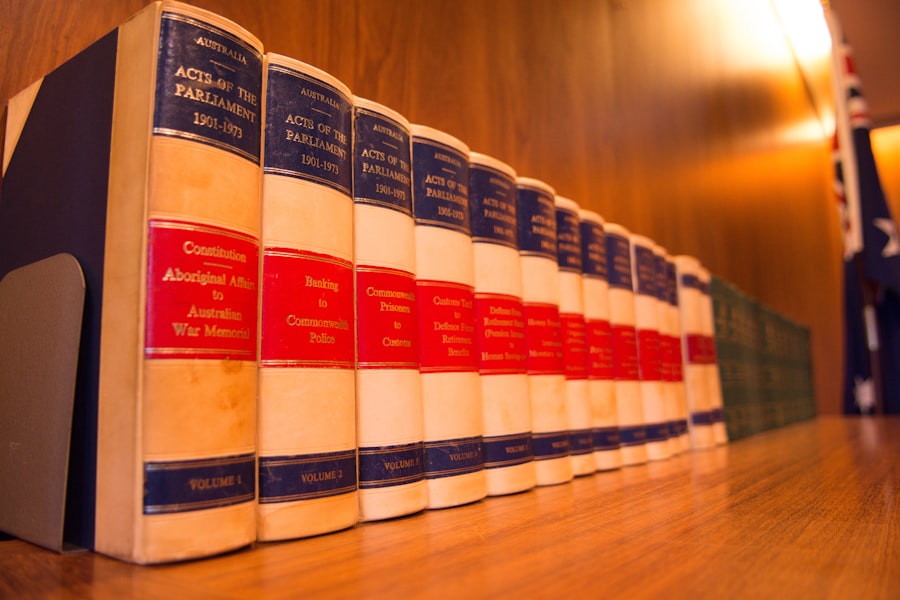
The formal litigation process was a grueling marathon. Depositions, discovery, and preliminary hearings felt like a series of skirmishes leading up to the main battle. The constant fear of losing, of seeing years of effort nullified, was a heavy burden. The legal team, while professional, could only ever be an extension of my own will and evidence. The real fight, the emotional and intellectual wrestling, was mine to endure.
Discovery: Unearthing the Past
The discovery phase was particularly challenging. It involved digging through years of emails, notes, and financial records, all of which were then scrutinized by opposing counsel. Every casual remark, every brainstorming session, was subjected to an almost microscopic examination. The objective was to find evidence to support one’s claim, but it often felt like an invasion of personal history, a forced excavation of memories. It was like sifting through an old attic, not to reminisce, but to find evidence of wrongdoing.
Expert Witness Testimony: The Objective Lens
Expert witnesses provided an objective, albeit often biased, perspective on the technical aspects of the patent. Their testimonies were crucial in explaining the complexities of the invention to the court, but their impartiality was often questioned by the opposing side. This added another layer of complexity, as the validity of their opinions could be challenged, further prolonging the proceedings. These individuals were brought in to shed light, but their pronouncements often cast long shadows of doubt on the other side.
The Trial: A Final Showdown
The trial itself was the culmination of years of legal maneuvering. The courtroom, a place of measured pronouncements and formal decorum, became the stage for our family’s deepest divisions. Witnesses testified, evidence was presented, and the weight of our shared history felt palpable. There was no room for sentimentality; only the cold, hard facts of the case. The stakes were immense, and the outcome felt like it would define not just the patent, but the future of our family.
The Unwinding: Rebuilding and Reconciliation

The victory, when it finally came, was not a sudden burst of joy, but a slow, gradual unwinding of tension. The court’s decision, while vindicating, did not magically erase the years of animosity. There was a sense of relief, undoubtedly, but also a profound weariness and a lingering sadness over what had been lost. The real work, the work of rebuilding relationships, lay ahead.
The Legal Aftermath
Even after the judgment, there were administrative tasks and legal protocols to follow. The intricacies of transferring ownership, of establishing new licensing agreements, required further engagement with legal professionals. It was like the receding tide, leaving behind debris that still needed to be cleared. The formal victory was settled, but the practical implications stretched on.
The Emotional Fallout: Navigating the Scars
The emotional scars ran deep. Trust, once a bedrock of our family, had been eroded. The years of conflict had fostered resentment and a sense of betrayal, and these feelings wouldn’t simply dissipate. The journey of emotional recovery was, and continues to be, a slow and deliberate process. It required acknowledging the pain, offering genuine apologies, and making a conscious effort to move forward, even if the path was uncertain. It’s like tending to a wounded limb; healing takes time and careful rehabilitation.
Towards a New Foundation
Reconciliation was not a given. It required open communication, a willingness to listen without judgment, and a commitment to finding a new normal. The shared dream that had been so brutally fractured needed to be re-examined, not with the ambition of resurrecting the past, but of building something new, something perhaps more resilient. It was about recognizing that even after a storm, the ground can be fertile for new growth, if approached with care and intention.
Winning a patent dispute within a family can be a complex and emotionally charged process, often requiring a delicate balance between legal strategy and personal relationships. For those navigating such challenges, understanding the nuances of patent law and the importance of clear communication is crucial. An insightful article that delves into strategies for resolving these disputes can be found at this link, offering valuable guidance for families facing similar situations. By leveraging the right resources and maintaining open dialogue, it is possible to reach a resolution that honors both the legal and familial aspects of the conflict.
The Lessons Learned: A Legacy of Caution
| Metric | Description | Typical Value/Range | Notes |
|---|---|---|---|
| Case Duration | Time taken from filing to resolution | 6 months – 3 years | Family disputes may be resolved faster due to mediation |
| Success Rate | Percentage of cases won by the patent holder | 40% – 70% | Varies based on evidence strength and legal representation |
| Settlement Rate | Percentage of cases settled out of court | 50% – 80% | Higher in family disputes to preserve relationships |
| Legal Costs | Average legal fees incurred | 5,000 – 50,000 | Costs vary widely depending on complexity and duration |
| Evidence Strength | Quality and quantity of proof supporting patent ownership | High / Medium / Low | Critical factor influencing case outcome |
| Emotional Impact | Effect of dispute on family relationships | High | Often complicates negotiations and settlements |
| Mediation Usage | Frequency of mediation or alternative dispute resolution | 60% – 90% | Common in family patent disputes to avoid court battles |
This experience has left me with a profound understanding of the complexities of family dynamics, especially when interwoven with business and intellectual property. The patent dispute, while ultimately resolved in my favor, served as a stark reminder that the value of family relationships far outweighs any material gain. It’s a lesson etched not in legal documents, but in the heart.
The Fragility of Shared Ambition
I learned that shared ambition, however noble, can be a fragile thing when not underpinned by robust communication and mutual respect. The invention, our proudest achievement, became a catalyst for conflict because we failed to adequately address our differing perspectives and expectations. It’s a cautionary tale about the importance of setting clear boundaries and having open channels for dialogue, even when things are going well.
The Price of Legal Battles
The financial and emotional cost of litigation is immense. The legal fees were substantial, but the intangible cost – the years of stress, the strained relationships, the sheer emotional exhaustion – was far greater. If there is any advice I could offer, it would be to exhaust every avenue of amicable resolution before resorting to the adversarial path. The courtroom is a place of judgment, not of healing.
Redefining Family and Future
Ultimately, the victory in this family patent dispute was not just about owning an invention. It was about navigating a profound personal crisis and emerging with a renewed, albeit altered, sense of family. The paths we took were fraught with difficulty, but the journey, however painful, has provided a unique perspective on the enduring importance of human connection. It has taught me that even the most formidable challenges can be overcome, but that the rebuilding process requires courage, patience, and a profound understanding of what truly matters. We survived the tempest, and now, the task is to rebuild the harbor, stronger and more mindful than before.

WATCH NOW ▶️ SHOCKING: One Heart Rate Spike Exposed My Brother’s $2M Fraud
FAQs
What are common causes of patent disputes within families?
Patent disputes within families often arise due to disagreements over ownership rights, contributions to the invention, profit sharing, or the management of the patent. Conflicts may also stem from unclear agreements or misunderstandings about intellectual property rights.
How can family members prevent patent disputes before they occur?
To prevent disputes, family members should establish clear, written agreements detailing each person’s contributions, ownership percentages, and rights to the patent. Consulting with an intellectual property attorney to draft contracts and clarify expectations is highly recommended.
What legal steps can be taken to resolve a patent dispute among family members?
Legal steps include negotiation, mediation, or arbitration to reach an amicable settlement. If these fail, parties may file a lawsuit in a court specializing in intellectual property to determine ownership and rights based on evidence and patent law.
How important is documentation in winning a patent dispute with family?
Documentation is crucial. Records such as invention disclosures, patent applications, correspondence, and agreements can provide evidence of each party’s contributions and intentions, which are vital in resolving disputes and establishing ownership.
Can family relationships impact the outcome of a patent dispute?
While family relationships do not directly influence legal rulings, they can affect negotiations and willingness to settle. Courts focus on legal facts and evidence rather than personal relationships, but maintaining good communication may help resolve disputes more amicably.