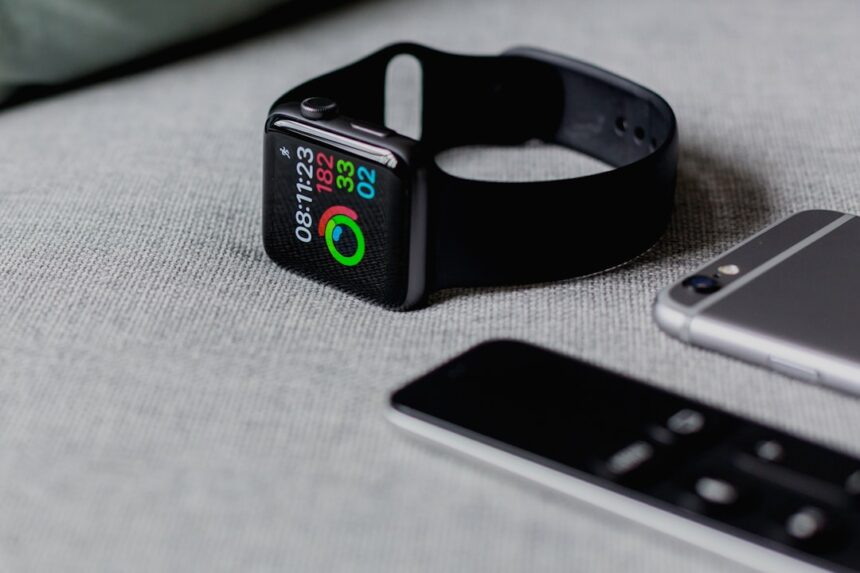
The digital world, once a largely uncharted territory, has become an extension of ourselves, a silent partner in our daily lives. Our smartphones, smartwatches, and even smart home appliances, once novelties, now hum with a constant stream of data, a symphony of information about our activities, our environments, and, potentially, the truths and falsehoods that swirl around us. I’ve spent a considerable amount of time pondering the implications of this ubiquitous digital presence, not just for convenience, but for its latent power to illuminate what might otherwise remain obscured. This is an exploration into how these increasingly sophisticated devices, tools often wielded for entertainment or efficiency, can also become instruments in the intricate process of uncovering lies.
Every interaction we have with our smart devices leaves a trace, a digital breadcrumb. From the simple act of sending a text message to the complex algorithms that track our online browsing habits, these actions are meticulously recorded. Understanding this digital footprint is the first step in deciphering the narratives that may be spun around us, or that we might be tempted to spin ourselves. It’s akin to a detective meticulously piecing together a crime scene, where every misplaced cigarette butt or smudge on a doorknob tells a story.
Location Data: More Than Just Maps
The GPS capabilities of our smartphones are perhaps the most potent tools for verifying or debunking statements about physical presence. When someone claims to have been in a particular place at a specific time, the corresponding location data can serve as an objective witness. It’s not about constantly triangulating every movement, but about having the ability to cross-reference claims with verifiable digital records. This data can be accessed through various applications that request location permissions, and in legal contexts, can be subpoenaed.
Time Stamps and Geotags: The Unwavering Record
Every photograph taken with a smart device, every check-in on social media, and many transmitted messages are embedded with precise timestamps and, often, geotags. These are not subject to the vagaries of human memory or intentional misdirection. A geotagged photograph of a sunset in Paris, for instance, is a stark counterpoint to a claim of being stuck in a business meeting in London. While it’s important to acknowledge potential spoofing or deliberate manipulation, the default state of this data is one of factual reporting, making it a powerful evidentiary tool.
App Activity Logs: The Silent Witnesses
Beyond explicit location sharing, the data generated by our apps paints a more nuanced picture. An app designed for tracking fitness might reveal a period of inactivity that contradicts a statement about a strenuous workout. Conversely, a travel app might show significant planning and booking activity that aligns with a declared trip. These logs, often accessible through device settings or specialized data extraction services, can reveal patterns of behavior that are difficult to fabricate credibly over sustained periods.
Communication Records: The Unspoken Exchange
Our smart devices are conduits for communication, and the records they keep are invaluable in understanding the flow of information and the relationships between individuals. These are not just the words spoken or typed, but the metadata surrounding them, which can reveal significant insights.
Call Logs and SMS Metadata: The Skeleton of Conversation
While the content of encrypted messages might be inaccessible, the call logs and SMS metadata are readily available. This information includes who was contacted, when, and for how long. A consistent pattern of communication with a particular individual, or a sudden cessation of contact, can corroborate or contradict narratives about relationships or recent interactions. If someone claims not to have spoken to a certain person for weeks, but call logs show multiple daily calls, the discrepancy becomes apparent.
Digital Trails in Messaging Apps: Beyond the Latest Chat
Many messaging applications retain conversation histories, even if they are presented as ephemeral. While platforms may emphasize privacy, the underlying data often exists on the device or can be retrieved through backups. The consistency or inconsistency of these digital conversations with spoken accounts can be a critical factor in discerning truth from falsehood. Even deleted messages can sometimes be recovered through forensic data recovery techniques, making the digital memory of these platforms surprisingly persistent.
In recent discussions about the intersection of technology and human behavior, an intriguing article explores how smart devices can be utilized to detect deception. The piece delves into various methods, including voice analysis and biometric sensors, that can help identify signs of lying. For those interested in understanding the implications of these advancements, you can read more about it in this insightful article: Using Smart Devices to Catch Liars.
Behavioral Analysis: The Pattern of Truth and Deception
Beyond static data points, smart devices offer a window into behavioral patterns. The way we interact with our devices, the websites we visit, the apps we use – all contribute to a unique digital fingerprint that can, in certain contexts, reveal deviations from expected or truthful behavior.
App Usage Patterns: The Rhythms of Our Lives
The frequency and duration of our app usage can be telling. If someone claims to be completely detached from social media, but their device logs show hours spent scrolling through feeds, the contradiction is evident. Similarly, if an individual claims to have spent an evening reading, but their device activity primarily consists of gaming or streaming video, their statement may be inaccurate. These usage patterns form the background hum of our digital lives, and deviations can be a siren song of deception.
App Switching and Multitasking: The Ebb and Flow of Focus
The way we switch between applications can also provide clues. Rapid, almost frantic switching between disparate apps might indicate a distraction or an attempt to appear engaged in multiple activities simultaneously, potentially to cover up a lack of focus on a particular task or conversation. Conversely, sustained engagement with a single application, as might be expected during focused work or study, can lend credibility to statements about such activities.
Website Browsing History: The Virtual Wanderings
Our browsing history is a catalog of our intellectual curiosity, our research efforts, and our leisure pursuits. If someone claims to be an expert on a particular topic without any corresponding browsing history related to that subject, their claim might be questionable. Conversely, a deep dive into specific research papers or online forums can substantiate claims of expertise or in-depth investigation. This digital trail acts like a library card, showing what knowledge we’ve actively sought out.
Device Interaction Patterns: The Unconscious Cues
Even the subtle ways we interact with our devices can offer insights. While not as concrete as location data, patterns of screen time, app opens, and even typing speed can, in aggregated and analyzed forms, reveal anomalies. This is an area that blurs the lines between factual data and behavioral psychology, where the digital realm offers an ever-expanding canvas for observation.
Typing Speed and Accuracy: The Rhythms of Expression
While not a definitive lie detection tool, variations in typing speed and accuracy can sometimes correlate with stress or deception. If someone typically types with a certain rhythm and suddenly their speed fluctuates dramatically with increased errors during a critical communication, it might suggest an underlying anxiety or a struggle to formulate truthful responses. This is a more complex analysis, often requiring baseline data for comparison.
Screen Time and Activity Peaks: The Digital Heartbeat
The distribution of our screen time throughout the day can reveal whether our stated activities align with our actual engagement. If someone claims to have had a quiet evening at home, but their device shows a flurry of activity late into the night, the narrative might be less than accurate. These peaks and troughs in device usage can be seen as a digital heartbeat, a rhythm that can betray inconsistencies.
Digital Forensics: The Deep Dive into Data
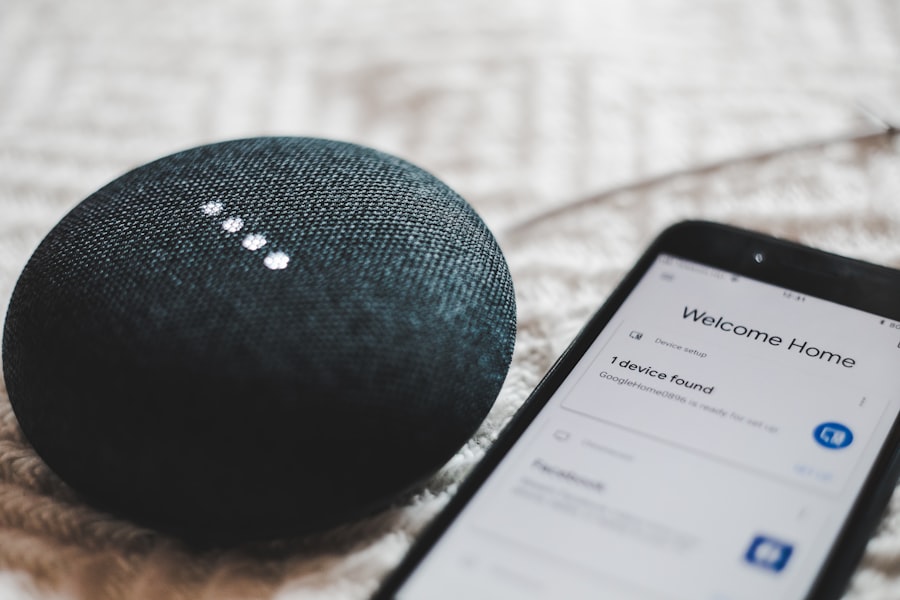
When standard observation isn’t enough, digital forensics offers a more rigorous approach to uncovering hidden truths. This involves sophisticated techniques to extract and analyze data from devices, often going beyond what is immediately apparent to the end-user.
Data Recovery: Retrieving the Vanished
Even deleted information can often be recovered using specialized tools and techniques. This can include deleted messages, call logs, browsing history, and even fragments of documents. The ability to retrieve what was seemingly erased is a powerful weapon against deliberate concealment. It’s like finding a shredded document that can be meticulously pieced back together.
Undeleted Files and Partitions: The Ghost in the Machine
Our devices often don’t truly erase data; they simply mark the space as available for new information. Until that space is overwritten, fragments of deleted data can persist. Digital forensic tools are designed to scan these areas, identifying and reconstructing these remnants. This makes the act of deletion less of a clean slate and more of a temporary obscuration.
Metadata Extraction and Analysis: The Tale Told by Bits and Bytes
Beyond the content itself, metadata – data about the data – is incredibly valuable. This includes information like creation dates, modification dates, author, and software used. Analyzing this metadata can reveal discrepancies. For example, a document claiming to have been written at a certain time might have a creation date that contradicts that narrative.
Malicious Software and Tampering Detection: The Digital Intrusion
In some cases, devices may have been compromised with malware or subjected to unauthorized modifications. Digital forensics can detect these intrusions, which might be used to alter data, disguise activities, or facilitate deception. Identifying such tampering is crucial to ensuring the integrity of the evidence.
Rootkits and Spyware: The Invisible Watchers
Sophisticated malicious software can operate undetected, monitoring activity, capturing keystrokes, or even manipulating data logs. Forensic analysis can identify the signatures of such software and the evidence of their operations. These are the digital equivalents of hidden surveillance devices, meticulously planted to observe and record.
File Integrity Checks: Ensuring Authenticity
Verifying the integrity of digital files is also a key aspect of forensics. Techniques like hashing can create a unique digital fingerprint for a file. If this fingerprint changes, it indicates that the file has been altered, raising questions about its authenticity and the intentions behind any modifications.
The Ethics of Digital Scrutiny: A Double-Edged Sword

As we delve deeper into the capabilities of smart devices for uncovering lies, it’s imperative to acknowledge the ethical considerations involved. This power, like any potent tool, can be misused, and the line between legitimate inquiry and invasive surveillance requires careful navigation.
Privacy vs. Truth: A Constant Tug-of-War
The data generated by our smart devices is intrinsically linked to our privacy. While uncovering deception is a valid pursuit, it must be balanced against the fundamental right to privacy. The methods employed should be proportionate to the perceived transgression and conducted with transparency and due process where applicable. The digital world is a private garden, and not everyone has the right to wander its paths without invitation or justification.
Consent and Authorization: The Gatekeepers of Access
In most personal contexts, accessing someone’s device data without their explicit consent would be a violation of privacy. However, in legal or investigative scenarios, authorized access through warrants or subpoenas can be permissible. The key is understanding the boundaries of permitted access and respecting the digital autonomy of individuals.
Data Minimization and Purpose Limitation: No More Than Necessary
When data is collected for the purpose of uncovering lies, it should be limited to what is strictly necessary for that objective. Holding onto excessive amounts of personal data beyond the immediate need increases the risk of misuse and data breaches. Similar to a surgeon only excising the diseased tissue, we should only collect the data that directly addresses the suspected falsehood.
The Potential for Misinterpretation: Seeing What We Want To See
It’s crucial to remember that digital data, while objective in its raw form, can be interpreted subjectively. A pattern of activity might have an innocent explanation that is not immediately apparent. Over-reliance on digital clues without considering contextual information or human factors can lead to incorrect conclusions and unjust accusations. The digital breadcrumbs can sometimes lead us astray if we don’t consider the full landscape.
Confirmation Bias: The Echo Chamber of Assumption
We are all susceptible to confirmation bias, the tendency to favor information that confirms our existing beliefs. When looking for lies, it’s easy to interpret ambiguous digital evidence as proof of deception, even if other explanations are possible. A conscious effort must be made to remain objective and consider alternative interpretations.
The Nuance of Human Behavior: Beyond Binary Truths
Human beings are complex, and their motivations and actions are rarely black and white. Digital data often captures behavior, but it may not fully capture the intent behind that behavior. A seemingly deceptive digital trail might be the result of misunderstanding, miscommunication, or a personal struggle rather than a deliberate attempt to deceive.
Recent advancements in technology have led to innovative ways of detecting deception, particularly through the use of smart devices. These gadgets can analyze voice patterns, facial expressions, and even physiological responses to help identify when someone may not be telling the truth. For those interested in exploring this fascinating intersection of technology and psychology, a related article can be found at this link, which delves deeper into the methods and implications of using smart devices to catch liars.
The Future of Truth Detection: AI and the Digital Oracle
| Metric | Description | Typical Range/Value | Relevance to Lie Detection |
|---|---|---|---|
| Heart Rate Variability (HRV) | Variation in time intervals between heartbeats | 20-200 ms | Changes in HRV can indicate stress or nervousness linked to deception |
| Galvanic Skin Response (GSR) | Measures skin conductance related to sweat gland activity | 0.5-20 microsiemens | Increased GSR often correlates with emotional arousal during lying |
| Respiration Rate | Number of breaths per minute | 12-20 breaths/min (normal) | Altered breathing patterns may indicate stress or deception |
| Facial Microexpressions Detection Accuracy | Percentage of correctly identified microexpressions linked to lying | 70-85% | Helps identify subtle emotional cues associated with deception |
| Voice Stress Analysis Accuracy | Effectiveness of detecting stress in voice patterns | 60-75% | Stress in voice can be a sign of lying but is not always reliable |
| Overall Lie Detection Accuracy | Combined accuracy of smart devices in detecting lies | 65-80% | Varies depending on device and context; not foolproof |
The integration of Artificial Intelligence (AI) into smart devices is poised to revolutionize our ability to uncover lies. AI’s capacity to process vast amounts of data, identify subtle patterns, and learn from experience holds immense potential for more sophisticated and nuanced truth detection.
Algorithmic Lie Detection: The Rise of the Digital Verifier
AI algorithms are being developed to analyze various forms of digital communication and behavior for signs of deception. These systems can scrutinize linguistic patterns, vocal inflections (in recorded calls), and even micro-expressions captured by device cameras to identify physiological markers associated with lying. This is akin to a sophisticated lie detector, but one that operates within the digital realm.
Natural Language Processing (NLP): Deciphering the Subtleties of Language
NLP allows AI to understand and interpret human language. By analyzing the structure, tone, and content of written or spoken communication, AI can identify inconsistencies, evasiveness, or linguistic cues that are often associated with deception. The way words are used, the hesitations, the shifts in topic – AI can be trained to recognize these as potential red flags.
Behavioral Biometrics: The Unique Digital Fingerprint of Truthfulness
Beyond linguistic analysis, AI can also analyze behavioral biometrics. This includes patterns of typing, mouse movements (on computers), and even the way someone navigates a digital interface. Deviations from an individual’s established “truthful” biometric profile can be flagged as potentially indicative of deception. This is the idea of finding a unique rhythm or cadence to someone’s honest interactions.
Predictive Analytics and Anomaly Detection: The Early Warning System
AI can also be used for predictive analytics and anomaly detection, identifying unusual patterns of behavior that might signal an impending deception or a hidden agenda. For instance, a sudden surge in activity on specific websites or a pattern of evasive communication leading up to a significant event could be flagged for further investigation. This is like an early warning system, highlighting unusual blips on the digital radar before they escalate.
Trend Analysis and Deviation Identification: Spotting the Outliers
By analyzing historical data, AI can establish baseline patterns of normal behavior. Any significant deviation from these established trends can be flagged as an anomaly. These anomalies don’t automatically signify a lie, but they warrant closer attention and investigation, much like how a doctor might investigate a sudden spike in a patient’s vital signs.
Proactive Threat Assessment: Anticipating Deception
In certain professional contexts, AI-powered systems can be used for proactive threat assessment, analyzing communications and behaviors to identify potential risks or early signs of deception before they can cause harm. This is about leveraging smart devices not just to uncover existing lies, but to anticipate and mitigate future ones.
The pervasive nature of smart devices has transformed our relationship with information and, consequently, with truth. While these devices were initially designed for convenience and connection, their capacity to meticulously record our digital footprints and reveal patterns of behavior makes them powerful, albeit complex, tools in the ongoing human endeavor to discern fact from fiction. As technology continues to advance, our ability to uncover lies with the assistance of our smart companions will only become more sophisticated, urging us to remain vigilant, ethical, and discerning in our pursuit of truth.

WATCH NOW ▶️ SHOCKING: One Heart Rate Spike Exposed My Brother’s $2M Fraud
FAQs
What types of smart devices are commonly used to detect lies?
Smart devices used to detect lies often include wearable sensors that monitor physiological signals such as heart rate, skin conductivity, and facial expressions. Examples include smartwatches, fitness trackers, and specialized lie detection gadgets equipped with biometric sensors.
How do smart devices detect signs of lying?
These devices analyze physiological indicators that may change when a person is being deceptive, such as increased heart rate, sweating, or micro-expressions. Algorithms process this data to identify patterns that could suggest dishonesty, although results are not always definitive.
Are smart devices for lie detection reliable?
While smart devices can provide useful data on physiological responses, they are not foolproof lie detectors. Factors like stress, anxiety, or medical conditions can affect readings, and no device can guarantee 100% accuracy in detecting lies.
Can smart devices be used in legal or professional settings to catch liars?
Currently, the use of smart devices for lie detection in legal or professional contexts is limited and often not admissible as evidence. Their results are considered supplementary and should be interpreted cautiously alongside other investigative methods.
What are the privacy concerns related to using smart devices for lie detection?
Using smart devices to monitor physiological data raises privacy issues, including consent, data security, and potential misuse of sensitive information. It is important to ensure ethical guidelines and legal regulations are followed when employing such technology.