The hum of the engine, the silent witness to my daily commute, had become something far more sinister. It wasn’t just the miles logged, the fuel consumed, or the oil changes scheduled that occupied my thoughts. It was the data, the breadcrumbs of my existence, being meticulously collected, analyzed, and, in my case, weaponized. I am here to share a story that isn’t a tale of romantic comedy or a thrilling exposé, but a stark, pragmatic account of how the very technology designed to enhance our lives can become a tool of profound betrayal and, subsequently, a means of uncovering that betrayal. This is not a narrative designed to evoke pity or outrage, but to inform. It’s a journey into the heart of modern infidelity, viewed through the cold, hard lens of data.
Modern vehicles are no longer mere mechanical conveyances; they are sophisticated data hubs. From the moment I turn the ignition, a cascade of information begins to flow, recorded and, in many cases, stored. This data, initially intended for performance monitoring, diagnostics, and driver assistance features, paints an ever-increasingly detailed picture of our movements and habits.
GPS and Location Tracking
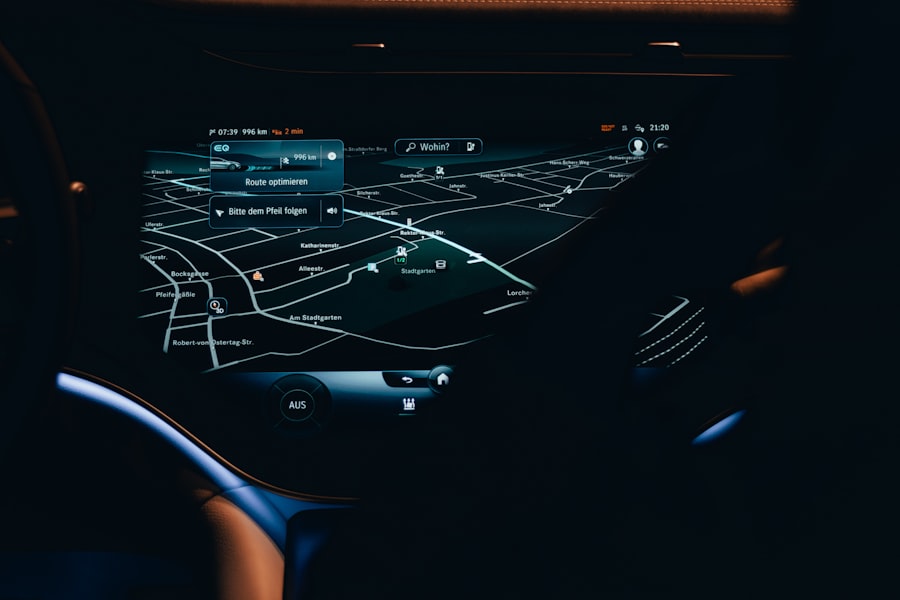
The most obvious and perhaps the most potent piece of data is location. Global Positioning System (GPS) receivers, standard in almost all new cars, meticulously record where I go, when I go there, and for how long. This isn’t just about knowing the route taken for a road trip; it’s about the precise coordinates, timestamped with an accuracy measured in meters. This granular level of detail, when aggregated, can reveal patterns that are far more revealing than simple trip logs.
Historical Navigation Records
Vehicles often store a history of previously programmed destinations and routes. This, in itself, might seem innocuous, a helpful feature for remembering frequently visited places. However, when examined without context, these stored locations become potential clues, highlighting places I had no business visiting, or places I repeatedly visited that were uncharacteristic of my usual routines.
Real-Time Location Services
Many vehicles offer real-time location services, either through integrated manufacturer apps or third-party services. This allows for remote tracking of the vehicle’s current position. While often marketed for security and recovery purposes, this feature, in the wrong hands, becomes an almost unassailable surveillance tool.
Vehicle Performance Metrics
Beyond location, vehicles meticulously collect data on their operation. Engine RPMs, fuel consumption, braking patterns, acceleration rates, and even steering inputs are all recorded. While this data primarily serves vehicle maintenance and efficiency, it can indirectly confirm or contradict the circumstances of a journey. For instance, aggressive acceleration and hard braking might indicate a hasty departure or arrival, while consistent, moderate driving might suggest a more leisurely, perhaps clandestine, excursion.
Speed and Acceleration Data
The sheer speed at which a vehicle travels, and how quickly it accelerates or decelerates, can be telling. Were these journeys characterized by high speeds, suggesting a rush? Or were they characterized by cautious, perhaps even hesitant, driving? The nuances of how I interacted with the accelerator and brake peddle, translated into data points, could reveal a narrative of urgency or evasion.
Engine Diagnostics and Error Codes
While primarily for mechanics, engine diagnostics can sometimes flag unusual activity. A sudden surge in engine temperature, an unexpected stall, or even the triggering of specific error codes might correspond to specific events or locations, adding another layer of factual evidence. While not directly about infidelity, these codes could, in certain circumstances, correlate with the circumstances of a suspicious journey.
In-Vehicle Infotainment and Connectivity Records
The modern car is a connected device. The infotainment system logs connection to other devices via Bluetooth, Wi-Fi hotspots used, and even the types of media played. This can reveal who I was communicating with or what I was listening to, potentially offering context to my movements.
Bluetooth Device Pairing History
The history of devices paired with the car’s Bluetooth system can indicate who was in the vehicle with me. If a new, unrecognized device appears in this history, it raises questions. Were these connections established with business associates, or someone else entirely? The logs themselves are simply factual entries, but their implications can be profound.
Wi-Fi Hotspot Usage
If my vehicle’s Wi-Fi hotspot was used, the data could reveal which networks were accessed. This might seem unrelated, but if the hotspot was frequently used in locations far from home or work, and linked to activity that couldn’t be corroborated by my usual schedule, it becomes a curious anomaly.
In a fascinating turn of events, a husband utilized car data to uncover his wife’s secret activities, leading to a dramatic revelation in their relationship. This incident highlights the growing intersection of technology and personal privacy, raising questions about trust and surveillance in modern relationships. For a deeper exploration of similar themes, you can read more in the article titled “Caught in the Act: The Dangers of Digital Surveillance” available at this link.
The Initial Seeds of Suspicion
Doubt, once sown, can blossom into a suffocating vine. For me, the seeds of suspicion were not sown by a single dramatic revelation, but by a gradual accumulation of inconsistencies, a dissonant hum beneath the surface of our seemingly ordered life. It began with a subtle shift, a redirection of my usual patterns, like a river subtly altering its course, unnoticed until the landscape it carved has irrevocably changed.
Unaccounted for Time and Mileage
The most tangible indicator was often the accumulation of mileage that didn’t align with my stated activities. The car’s odometer, a silent accountant of my travels, would register miles that had no readily apparent explanation. These discrepancies, initially dismissed as minor errors in my memory or estimations, began to form a pattern, a persistent ghost in the machine.
Discrepancies in Daily Commute Logs
My daily commute, a predictable ebb and flow of traffic, suddenly seemed to have extra legs. The time spent in transit would inexplicably lengthen, the distance covered exceeding the known route. This was not a matter of estimation; the car’s internal systems were capturing the reality, a reality I was failing to acknowledge or explain.
Weekend Excursions Without Clear Purpose
Weekend trips, once characterized by shared activities or clear recreational pursuits, started becoming vague. “Running errands” became a frequent, and increasingly thin, excuse for extended periods away from home. The car data, however, told a more precise story of where those “errands” actually led.
In a surprising turn of events, a husband utilized car data to uncover his wife’s secret activities, leading to a heated confrontation. This incident highlights the growing concerns surrounding privacy and technology in relationships. For those interested in exploring similar themes, you can read more about the implications of technology in personal lives in this insightful article. Check it out here.
Changes in Driving Habits
My driving behavior itself began to subtly transform. The once familiar rhythm of my acceleration, braking, and cornering seemed to have acquired a new cadence. This wasn’t about reckless driving; it was about a shift in the underlying intention, a new purpose guiding the wheels.
Erratic Acceleration and Braking Patterns
Sudden bursts of acceleration followed by abrupt braking, not indicative of traffic conditions, began to appear in the data. This suggested a sense of urgency, a desire to reach a destination quickly, or perhaps, a hasty departure. The smooth flow of my usual driving was disrupted, replaced by a more agitated rhythm.
Deviations from Regular Routes
The GPS data, when cross-referenced with my known destinations and routines, began to highlight detours. Were these new roads taken for scenic value, or to avoid detection? The car’s logs didn’t offer an answer, but they posed a question, a pointed finger towards unexplored territories.
The Revelation Through Car Data
The realization that my car, a silent passenger, held the keys to a profound deception was a chilling one. It wasn’t a sudden epiphany, but a slow, methodical unveiling, like peeling back layers of an onion, each revealing a more pungent truth. The data, once inert and technical, transformed into a narrative, a factual account of my wife’s infidelity.
Accessing Vehicle Log Data
Gaining access to the vehicle’s log data proved to be a critical turning point. This wasn’t a casual browse. It required a deliberate effort to understand the systems at play and how to extract the relevant information.
Utilizing Manufacturer’s Mobile Applications
Most modern vehicles come with companion mobile applications provided by the manufacturer. These apps often provide access to key vehicle data, including location history, driving behavior reports, and maintenance alerts. For me, this was the initial gateway. The app, designed for convenience, became a window into a hidden truth.
Exploring Third-Party Data Aggregators
Beyond manufacturer apps, there are third-party services that can integrate with vehicle data through subscriptions or OBD-II dongles. These services often offer more advanced analytics and historical data storage, providing a more comprehensive overview of a vehicle’s activity. This became necessary as I sought to piece together a more complete picture.
Cross-Referencing Location and Time Stamps
The true power of the data lay in its ability to be cross-referenced. Each data point, when viewed in isolation, was merely information. When combined, however, it painted a damning picture. The location of the vehicle at specific times, when contrasted with my wife’s stated whereabouts, became the undeniable evidence.
Analyzing GPS Trails Against Stated Alibis
This was the cornerstone of the investigation. I would compare the GPS trails of the car with the explanations my wife provided for her absences. The disconnect was often stark and irrefutable. A claim of being at a friend’s house for coffee would be contradicted by a GPS log showing the car parked at a secluded location miles away.
Identifying Recurring Unexplained Destinations
The consistent appearance of certain locations in the GPS history, locations that had no logical connection to my wife’s everyday life, was a significant red flag. These were not one-off deviations, but patterns, suggesting a sustained clandestine activity. The car, in its silent testimony, revealed the geography of betrayal.
Interpreting Driving Patterns
Beyond just where the car had been, how it had been driven also offered clues. The data on speed, acceleration, and braking could corroborate or contradict the narratives being presented.
Correlating Speed Data with Travel Times
If my wife claimed a relaxed drive to a destination, but the speed data indicated consistent high speeds and rapid acceleration, it suggested a different narrative – one of urgency, perhaps to meet someone secretly or to depart quickly after an encounter. The data became a silent witness to her haste.
Noticing Deviations Indicating Avoidance Behavior
The data could also reveal instances where the vehicle took circuitous routes, potentially to avoid areas with known acquaintances or to reach a destination without being easily observed. These were not simply “taking the scenic route”; they were calculated deviations from the most direct path, suggesting a desire for concealment.
The Emotional and Practical Aftermath
Discovering infidelity through cold, hard data is a uniquely disorienting experience. It strips away the emotional nuances, the potential for misinterpretation, and leaves one confronting a stark, undeniable reality. The data, while providing clarity, also brought a weight of emotional fallout, a storm of grief, anger, and disillusionment.
The Shock of Objective Evidence
The data offered no room for doubt. Unlike hearsay or vague suspicions, vehicle data is objective. It doesn’t lie, it doesn’t have ulterior motives; it simply records facts. This objectivity, while ultimately helpful in confirming the truth, made the initial realization incredibly jarring. It was as if the very foundation of my reality had been shaken, replaced by a cold, hard blueprint of deception.
Confronting the Inescapable Truth
The undeniable presence of GPS logs, timestamped and irrefutable, left no space for denial or rationalization. The “facts” presented by the car data were a stark counterpoint to the comforting narratives that had been woven. It was a brutal confrontation with reality, stripped bare of any pretense.
Reconciling Data with Lived Experience
The emotional work of reconciling the objective data with the lived experience of a relationship meant to be built on trust was perhaps the most challenging aspect. The data provided proof, but it couldn’t erase the pain of knowing that proof was necessary. It was like discovering a beautifully crafted sculpture was made of hollow materials.
The Legal and Personal Ramifications
The evidence gleaned from the vehicle data had significant implications, both legally and personally. It provided the factual basis for difficult decisions about the future of the marriage and potentially in legal proceedings.
Documenting Evidence for Divorce Proceedings
In the unfortunate event of divorce, verifiable data from vehicle logs can be presented as evidence of infidelity. This objective documentation can significantly strengthen a legal case, shifting the focus from subjective accusations to concrete facts. My investigation was not solely emotional; it was also about gathering tangible evidence.
The Breakdown of Trust and Future Relationships
The experience of being betrayed, especially when uncovered through such an unromantic method, leaves deep scars. Rebuilding trust, both within oneself and in future relationships, becomes an arduous process. The car data, while a tool for uncovering deceit, also served as a stark reminder of how easily trust can be shattered. It was a harsh lesson in the fragility of human connection, amplified by the cold certainty of technology. The hum of the engine, once a symbol of freedom and progress, had become a siren song of disillusionment, a stark reminder that even in the most mundane aspects of our lives, profound truths can lie hidden, waiting to be unearthed by the relentless pursuit of factual evidence.
FAQs
1. How can car data be used to track someone’s movements?
Car data, such as GPS location, trip history, and mileage records, can be accessed through the vehicle’s onboard computer system or connected apps. This information reveals where and when the car has been driven, allowing someone to track the movements of the person using the vehicle.
2. Is it legal to use car data to monitor a spouse?
The legality of using car data to monitor a spouse varies by jurisdiction. In some places, accessing vehicle data without consent may violate privacy laws. It is important to understand local laws and obtain permission before accessing or using such data.
3. What types of car data are commonly recorded and accessible?
Modern vehicles often record data including GPS location, speed, acceleration, braking patterns, engine diagnostics, and trip logs. This data can be accessed through the car’s infotainment system, telematics services, or third-party apps linked to the vehicle.
4. Can car manufacturers or service providers share vehicle data with third parties?
Car manufacturers and service providers typically have privacy policies governing data sharing. They may share data with authorized third parties for maintenance, safety, or legal reasons, but generally require user consent. Unauthorized sharing is usually prohibited.
5. What precautions can individuals take to protect their privacy regarding car data?
To protect privacy, individuals can review and adjust privacy settings on connected car apps, disable location tracking features if possible, regularly clear trip history, and be cautious about sharing vehicle access or login credentials with others.