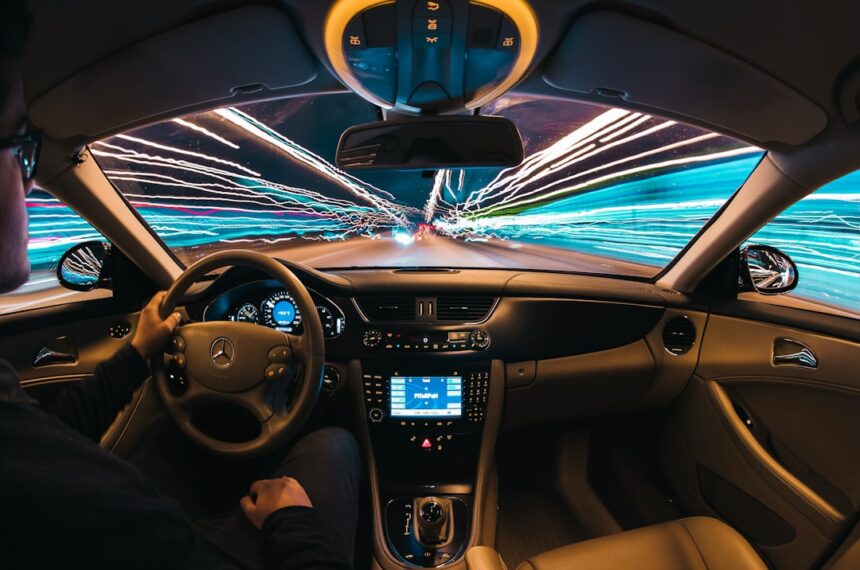
I’m going to tell you a story. It’s one that, if you asked me a month ago, I would have dismissed as the stuff of late-night cable thrillers. But then, life has a funny way of rewriting scripts, doesn’t it? My script, in particular, had a plot twist I was entirely unprepared for, a twist that unfolded not in whispers or hushed conversations, but through the cold, hard data streamed from my own car. Yes, the “smart car” – a term that once conjured images of seamless connectivity and effortless living. Now, it’s a symbol, a stark monument to a broken trust.
I remember the day I bought it. It was sleek, sophisticated, and brimming with what felt like an almost sentient intelligence. The salesman, a man whose smile seemed permanently affixed, painted a picture of convenience, of a future where my car anticipated my needs, navigated my life with effortless grace. He spoke of advanced security features, of integrated systems that would make driving a truly seamless experience. I was, I admit, impressed. It felt like stepping into the future, a future where technology was our obedient servant. Little did I know that this servant would soon become the most unforgiving witness I could ever imagine. The idea of a car possessing such a detailed memory of its movements, its occupants, its very essence, was fascinating. Now, it’s terrifying.
A Marriage of Convenience, or so I Thought
My marriage to Sarah had, for years, felt like a well-oiled machine. We moved through life with a comfortable rhythm, a predictable cadence. We had our routines, our shared jokes, the comfortable silence that comes from years of knowing each other intimately. Or so I believed. I viewed our relationship as an established structure, a sturdy house built on the foundations of shared experiences and mutual respect. The cracks, however, must have been there, hairline fractures I was too busy, too complacent, to notice. My focus was on building a successful career, on providing for our life, on the tangible achievements I could see and measure. The intangible, the delicate ecosystem of a relationship, I treated with a sort of passive assumption that it would simply maintain itself, like a well-funded endowment.
The Rise of the Connected Vehicle
The integration of the smart car into our lives was initially met with enthusiasm. It offered navigation that made my notoriously bad sense of direction a thing of the past. It could connect to my phone, allowing me to take calls hands-free, a crucial safety feature in my line of work. The apps it supported promised to streamline everything from ordering groceries to streaming music. It was, in essence, an extension of my digital world, a mobile command center. I saw it as a tool for efficiency, a symbol of progress. The subscription services, the over-the-air updates, all contributed to this sense of an evolving, almost living entity. It was a significant investment, but one that felt justified by the promise of a more connected and convenient future.
In a surprising turn of events, a smart car played a pivotal role in uncovering a wife’s affair, leading to a dramatic revelation for her unsuspecting husband. This incident highlights the growing intersection of technology and personal relationships, raising questions about privacy and trust in the digital age. For more insights on this intriguing story, you can read the related article here: Smart Car Snitches on Wife’s Affair.
Subtle Shifts in the Routine
The first inkling was subtle, a whisper in the digital wind. Sarah, who was usually meticulous about her commute, started taking different routes. Not drastically different, just enough to register with someone who, like me, appreciated precision. She attributed it to “trying to avoid traffic,” a perfectly logical explanation. Yet, something about the specificity of these detours, the almost artistic avoidance of particular routes, began to niggle at the edges of my perception. It was like a dissonant chord in a familiar melody, noticeable only to ears attuned to the original harmony.
The Curious Case of the Errant Journeys
Her car usage began to diverge from the established patterns. Trips that were previously short and functional were now elongated. Sometimes, the car would be parked for hours in locations that didn’t align with her stated appointments. I’d wake up in the morning, and the car’s dashboard would display a history of journeys I couldn’t account for. It was as if the car had developed a mischievous streak, a desire to explore beyond its usual territory, taking its passenger along for what seemed like unplanned excursions. I’d review the daily summaries, a dispassionate log of mileage and destinations, and find discrepancies. Where had those extra twenty minutes come from? Why was the car parked near that particular business park on a Saturday afternoon, a place she rarely, if ever, had a reason to visit?
The Alarms of Inertia and Distance
The car’s system would often alert me to its status. “Engine off,” “Parked,” “Distance traveled.” These simple notifications, in retrospect, were like tiny alarms, ringing in the background of my awareness. One afternoon, I received a notification that the car had been stationary for over two hours in a part of town I knew Sarah had no reason to be. My first thought was that she’d forgotten to turn it off, a rare oversight. But the longer the period of inactivity, the more the unease grew. It was the digital equivalent of static on a radio channel, a disruption to a clear broadcast.
The Data Doesn’t Lie
Technology, in its purest form, is often seen as objective. It operates on algorithms, on defined parameters, devoid of human emotion or bias. My smart car, in this regard, was a perfect machine. It recorded, it logged, it presented facts. And it was these facts, meticulously documented, that began to paint a picture far more complex, and far more devastating, than I could have ever imagined. The car wasn’t a passive observer; it was a silent, digital chronicler of my wife’s increasingly clandestine activities.
In a surprising turn of events, a smart car became an unexpected witness in a marital dispute, leading to revelations about a wife’s affair. This incident highlights the growing concerns surrounding privacy and the implications of technology in our daily lives. For more insights into how technology can inadvertently expose personal secrets, you can read a related article on this topic at this link. As smart devices become more integrated into our lives, the potential for unintended consequences continues to rise.
The GPS Footprints of Deception
The GPS data was the most damning. It provided a precise, undeniable trail of the car’s movements. I could access historical data, plotting journeys on a map with an accuracy that was both remarkable and, in my case, excruciating. There were regular deviations from her typical routes, particularly during times when she claimed to be at work or running errands. These weren’t random detours; they were consistent, recurring patterns that led to specific locations. It was like finding a secret map, marked with red Xs where X marks the spot of betrayal.
Unexplained Stops and Prolonged Stays
Reviewing the logs, I saw records of the car being parked, often for extended periods, in areas far from her usual haunts. These weren’t quick stops for coffee or shopping. These were hours of inactivity, recorded precisely. I cross-referenced these times with her alibis, and the discrepancies were stark. The car sat idle while she was supposedly attending a client meeting, or stuck in traffic. It was a ghost in the machine, performing acts of subterfuge while its supposed owner was elsewhere, weaving a web of deceit.
The Familiarity of the Unfamiliar
What was most unsettling was the pattern of these unfamiliar destinations. They weren’t random. They were specific places, repeated with an alarming regularity. It was like seeing a recurring character in a story you didn’t know you were reading. This wasn’t a single indiscretion; it was a sustained narrative of secrecy. The car’s memory had become a repository of her hidden life, each logged journey a chapter in a story I never wanted to be a part of.
The Connectivity Log: More Than Just Music
Beyond the GPS, the car’s connectivity logs offered another layer of evidence. It tracked which devices were connected, when, and for how long. While I initially saw this as a convenience, it became a digital Rosetta Stone for her infidelity. There were Bluetooth connections to devices that weren’t mine, for durations that extended beyond what a brief phone call would necessitate. These were long, uninterrupted connections, suggesting a sustained presence beyond the quick exchange of information.
The Phantom Bluetooth Signals
The car’s interface would flash notifications of Bluetooth devices connecting and disconnecting. Often, these were my phone, or Sarah’s. But then, other, unfamiliar device names would appear. They were cryptic, alphanumeric strings, not the friendly names of colleagues or friends. The duration of these connections, coupled with the car’s location data, was a powerful indicator. It was like finding unsent letters, addressed to someone unknown, hidden within the digital mail system.
Patterns of Interaction Beyond My Knowledge
The duration and frequency of these connections were particularly revealing. They didn’t align with casual conversations. They were more prolonged, more consistent. When I cross-referenced these with the car’s location at the time, it became clear that these were not incidental connections. They were indicative of sustained interaction within the vehicle, with someone other than myself. The car’s electronics were acting as a silent accomplice, recording the digital whispers of an affair.
The Confrontation and the Car’s Role
The moment of confrontation was not a dramatic cinematic scene. It was quiet, almost anticlimactic, fueled by a cold certainty that had settled in my gut like an anchor. I presented her with the data, not as accusations, but as irrefutable facts. The car was not an emotional participant; it was a provider of objective truth. It was the silent referee that had observed the entire game, and its scoreboard was brutally honest.
Presenting the Evidence: Facts, Not Feelings
I laid out printouts of the GPS logs, highlighted routes, and connectivity records. I didn’t shout or accuse. I simply presented what the car had recorded. My voice, usually warm and familiar, was flat, devoid of inflection. I explained that the car’s system, designed for utility and safety, had inadvertently become a repository of information that contradicted her accounts. It was like showing someone a mirror, and the reflection was not what they expected, or wanted, to see.
The Unfolding Narrative of Discrepancies
As I spoke, tracing the lines on the printed maps, pointing to the timestamps, I saw a flicker of something in her eyes – not necessarily guilt, but perhaps shock, or a dawning realization that her attempts at deception had been meticulously documented. Each datapoint, a small shard of glass, was being assembled into a mosaic of infidelity. The car, in its impassivity, had become the ultimate storyteller, its narrative compelling due to its absolute lack of subjective bias.
The Digital Ledger of Lies
The car’s logs were a digital ledger, meticulously recording every deviation, every unexplained stop, every clandestine connection. It was a testament to the unseen, a hidden history brought to light by the very technology that was meant to enhance our lives. I felt a profound sense of violation, not just by her actions, but by the fact that my own possessions, my own trusted tools, had been complicit in this deception. The car, which I had seen as a symbol of modern convenience, had become an instrument of my own painful awakening.
The Silence of Admission
There was no dramatic confession, no tearful plea for forgiveness as you might see in a film. Instead, there was a profound silence. Her attempts to explain away the inconsistencies crumbled under the weight of the data. The car’s logs were a testament to her actions, a silent accuser that her words could not refute. The reality was stark, and
FAQs
What does it mean that a smart car “snitched” on a wife’s affair?
It means that data or information recorded by the smart car, such as GPS locations, messages, or call logs, inadvertently revealed evidence of the wife’s extramarital relationship.
How can a smart car collect information about its users?
Smart cars are equipped with various sensors, GPS tracking, Bluetooth connectivity, and infotainment systems that can store data like travel routes, phone contacts, call history, and text messages synced from a connected smartphone.
Is it common for smart car data to be used in personal disputes like affairs?
While not extremely common, there have been instances where data from smart devices, including cars, have been used as evidence in personal disputes, including divorce or custody cases.
Can the data from a smart car be accessed without the owner’s permission?
Accessing data without permission may violate privacy laws. However, owners or authorized users can access the data, and in some cases, law enforcement or legal representatives may obtain it through proper legal channels.
What precautions can users take to protect their privacy in smart cars?
Users can regularly review and delete stored data, disable unnecessary data sharing features, use strong passwords for connected apps, and be cautious about syncing personal devices with the car’s system.