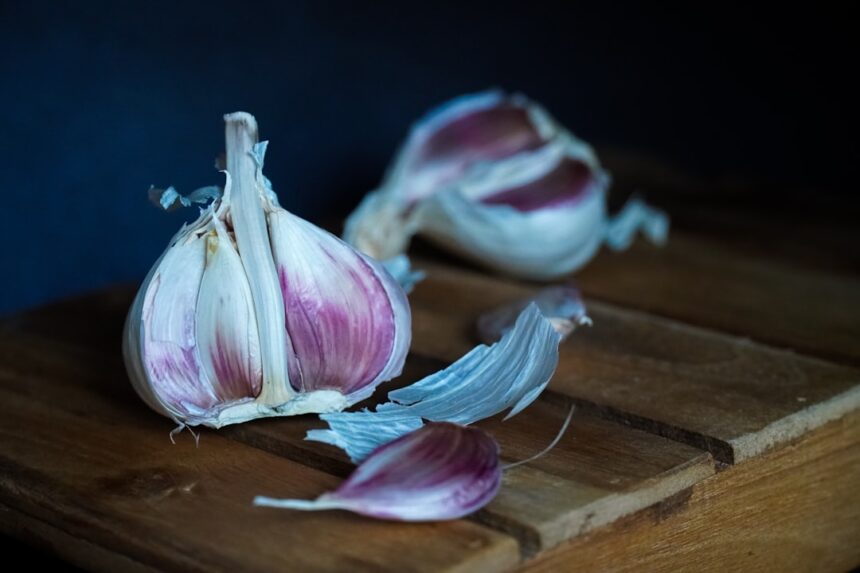
I remember the day I bought it. It was a small, unassuming ceramic dish, its glaze a muted, earthy tone. Nothing about it screamed “heirloom” or “centerpiece.” It was, in fact, designed specifically for its purpose: holding roasted garlic. I’d seen it in a kitchenware shop, dismissed it as a novelty, and then, on a whim, picked it up. It felt solid in my hand, a comforting weight. It was the beginning of a culinary chapter I didn’t know I was writing.
The Spark of a Small Necessity
Before the garlic dish, I admit, roasted garlic was a somewhat haphazard affair. A foil packet, a small ramekin that always felt a bit too shallow, a desperate attempt to contain the fragrant, bubbling cloves. It was functional, certainly, but it lacked a certain ceremony. The acquisition of this specialized dish was, therefore, a practical decision, albeit one delivered with a touch of aesthetic appreciation. I wasn’t seeking grand pronouncements from my kitchenware; I was seeking a more elegant solution to a recurring culinary need. The dish sat on my counter for a few days, a silent observer of my kitchen routine. I’d look at it, then at my developing grocery list, mentally ticking off the necessary ingredients for a fragrant addition to pasta sauces, bread spreads, or simply as a standalone treat.
Initial Forays into Flavor
My first few uses were tentative, experimental. I’d halve garlic heads, drizzle them with olive oil, perhaps add a sprig of rosemary or thyme, and nestle them into the dish. The ceramic cradled the garlic, its unglazed interior seeming to absorb some of the essential oils, lending a subtle earthiness to the final product. The dish itself proved to be an efficient conductor of heat, ensuring even roasting. The steam that rose from the oven, carrying the sweet, mellowed aroma of the garlic, began to fill my kitchen with a sense of anticipation. This was more than just cooking; it was the careful cultivation of flavor, and the garlic dish was my unassuming tool.
The Dish as a Culinary Anchor
Over time, the garlic dish became more than just a vessel. It became a familiar fixture. Its presence on my counter was a quiet reminder of the simple pleasures that could be extracted from humble ingredients. It was the silent partner in countless meals, from intimate dinners to casual gatherings. Its chipped rim, a tiny imperfection acquired through years of use, became as familiar to me as the grain of the wood on my kitchen table. The dish was a silent witness to my culinary evolution, a steadfast companion through the ebb and flow of my kitchen endeavors.
In light of the recent discussions surrounding the retirement of the beloved garlic dish, it is interesting to explore how culinary traditions evolve over time. A related article that delves into the significance of this change and its impact on food culture can be found at this link. The piece offers insights into the reasons behind the decision and reflects on the broader implications for gastronomy enthusiasts everywhere.
The Routine and the Ritual
A Symphony of Simplicity
The process of roasting garlic in this dish became a ritual. It wasn’t a grand, elaborate ceremony, but rather a series of consistent, deliberate actions. I would select firm, unblemished bulbs, their papery skins hinting at the treasure within. The slicing of the tops, exposing the tightly packed cloves, was done with a sharp knife, a clean cut that promised easy release of flavor. Drizzling the olive oil was done with a steady hand, ensuring each clove received its due. Then, the careful placement into the dish. The dish itself, with its perfectly sized cavities, made this step almost instinctual. It was a culinary ballet, choreographed by habit and honed by experience.
The Oven’s Embrace
The journey into the oven was always a moment of quiet satisfaction. The ceramic, preheated slightly in the oven, would begin its work. The heat would penetrate the garlic, coaxing out its sugars, transforming its pungent bite into a mellow, sweet richness. The aroma that would invariably emanate from the oven was a testament to the transformative power of heat and time. It was a scent that spoke of comfort, of home, of good food shared. The garlic dish, absorbing and radiating this warmth, became an integral part of this sensory experience.
From Oven to Table: A Seamless Transition
Once roasted, the dish itself often transitioned directly to the table. The caramelized cloves, soft and spreadable, were a visual and aromatic delight. The slightly charred edges provided a textural contrast to the creamy interior. I would often present it with crusty bread, allowing guests to help themselves, spooning the roasted garlic onto their plates. There was an inherent intimacy in this act of sharing, of offering a tangible representation of the labor and care that went into our meal. The dish, in its unadorned functionality, facilitated this connection.
The Gathering Storm of Change
Observing the Subtle Shifts
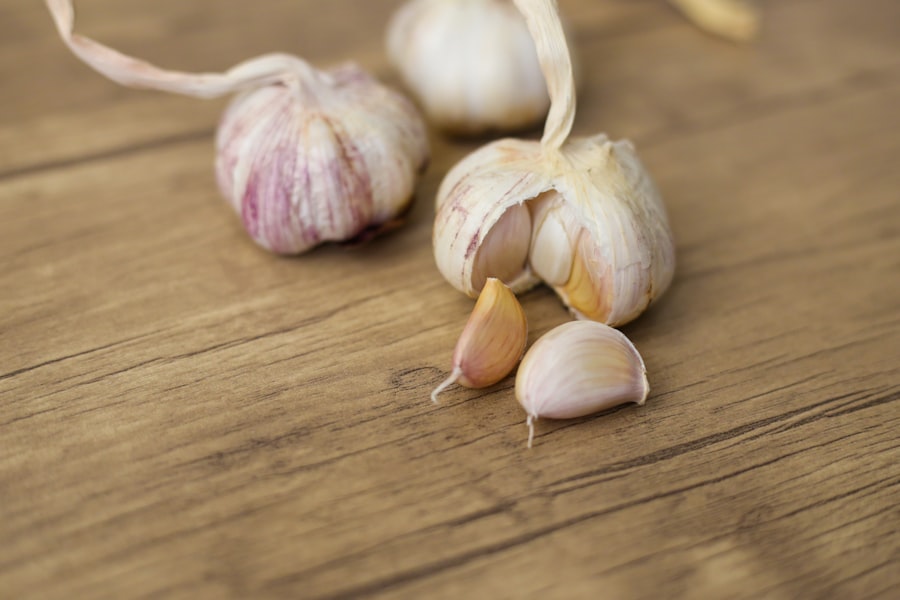
As years passed, the frequency of the garlic dish’s use began to subtly decline. It wasn’t a conscious decision at first. Life, as it often does, began to reconfigure itself. My culinary landscape, once a familiar terrain, began to present new paths and unexpected detours. New flavor profiles, new cuisines, new ingredients emerged and demanded my attention. The garlic dish, while still present and functional, found itself sharing the stage with an ever-growing cast of kitchen tools. It was like a seasoned actor, still capable of delivering a masterful performance, but no longer cast in every production.
The Rise of New Culinary Horizons
My interest in experimentation grew. I started exploring cuisines that featured different aromatic bases – ginger and chilies from Southeast Asia, cumin and coriander from the Middle East. While roasted garlic remained a beloved accompaniment, it was no longer the sole star. New dishes demanded different supporting actors: freshly sautéed garlic, minced and added at the beginning of a stir-fry, or garlic confit, slowly simmered in oil, offering a different texture and flavor profile. The garlic dish, designed for a singular roasted preparation, began to feel a little less versatile in this expanding culinary universe.
The Silent Observation of Underutilization
I noticed its increasing period of dormancy. It would sit on the shelf, a silent observer of my more active kitchen endeavors. The dust, a subtle patina, began to accumulate on its surface, a gentle accumulation of time and disuse. It was like an old friend, still valued, but with whom I was spending less and less time. There was no resentment, no bitterness, just the quiet acknowledgment of changing priorities, of a natural drift away from a once constant companion.
The Unspoken Decision
The Evidence of Infrequent Use
One afternoon, while rearranging my kitchen cabinets, my hand brushed against its familiar ceramic form. I pulled it out, intending to give it a quick wipe and return it to its place. But as I held it, the evidence of its infrequent use became undeniable. The dust was thicker than I’d realized. There were no new chips or marks, but a subtle fading of its glaze, a testament to its lack of recent interaction with the heat of the oven or the oils of my cooking. It was a beautiful object, still perfectly functional, but its purpose in my current kitchen narrative was fading.
The Weight of Unfulfilled Potential
I realized that keeping it felt almost like holding onto a promise that was no longer being fulfilled. It felt like keeping a perfectly good tool that had simply outlived its prime role in my specific toolkit. The dish represented a chapter of my culinary journey, a valuable one, but perhaps one that was now closed, or at least, significantly altered. It was like a well-worn hiking boot; it served me well on many trails, but now new footwear was needed for the different terrains I was exploring.
The Ethical Consideration of Space
Beyond sentimentality, there was also the practical consideration of space. My kitchen, like many, has its limitations. Every object occupies a square inch, a cubic centimeter of valuable real estate. The dish, while not excessively large, was a tangible presence that could be reallocated. It was a question of resource management, of ensuring that the tools I kept were actively contributing to my current culinary endeavors.
In recent discussions about culinary traditions, the story of retiring the garlic dish has sparked considerable interest among food enthusiasts. Many are reflecting on the cultural significance of garlic in various cuisines and how its potential retirement might impact culinary practices. For those curious about the broader implications of such changes in food culture, a related article can be found at this link, which explores the evolving nature of traditional dishes and their place in modern dining.
The Farewell and the Future
| Metric | Value | Description |
|---|---|---|
| Story Origin | Unknown | The exact origin of the “retiring the garlic dish” story is unclear, often considered a folk tale or metaphor. |
| Common Interpretation | Letting go of past burdens | The story is often interpreted as a metaphor for moving on from old habits or grudges. |
| Usage Frequency | Low | The phrase/story is not widely used in mainstream culture or literature. |
| Related Themes | Forgiveness, Renewal | The story relates to themes of forgiveness, renewal, and personal growth. |
| Geographical Relevance | Varies | The story’s meaning and usage may vary by cultural or regional context. |
The Search for a New Home
The decision to retire the garlic dish was not made lightly. It was a process of evaluation, of acknowledging the natural evolution of both myself and my kitchen. The next step, then, was to find it a new home. I wasn’t interested in simply discarding it; that felt disrespectful to the years of good service it had provided. I wanted it to continue its purpose, to be a vessel for fragrant, roasted garlic for someone else. This was akin to seeing off a child who was leaving for college – a mix of pride, a touch of sadness, and a hopeful anticipation of their continued success in a new environment.
The Act of Donation and its Implications
I considered various options: offering it to friends, donating it to a local charity shop, or even listing it online for free. Ultimately, I decided to offer it to a younger relative who was just beginning to set up their own kitchen. They were enthusiastic about trying new recipes and, I suspected, would appreciate the simplicity and effectiveness of the dish. This felt like the most fitting end, a passing on of a useful tool to someone who could benefit from it. It was a way of ensuring its continued functionality, of allowing it to begin a new chapter of its own.
The Lingering Echo of the Aroma
Even though the dish has moved on, the memory of its presence lingers. I can still, in my mind’s eye, conjure the image of it nestled in the oven, its ceramic form radiating warmth and its contents slowly transforming into mellow, sweet perfection. The aroma of roasted garlic, a scent so deeply intertwined with this dish, will undoubtedly evoke a sense of nostalgia. It’s a testament to how even the most utilitarian objects can become imbued with meaning, becoming silent repositories of our experiences and memories. It’s a reminder that retiring a cherished item isn’t an erasure, but a transition, an acknowledgment of a completed cycle and the anticipation of new beginnings. The dish has served its purpose; its story, for me, has reached its natural conclusion, making way for new culinary narratives and new protagonists.
FAQs
What is the meaning behind the story of retiring the garlic dish?
The story of retiring the garlic dish typically symbolizes letting go of old habits or traditions that no longer serve a positive purpose. It often reflects themes of change, renewal, and moving forward in life.
Why is garlic significant in the story?
Garlic is often used symbolically in literature and stories due to its strong flavor and cultural associations with health, protection, and sometimes superstition. In the context of the story, garlic may represent something persistent or deeply ingrained that the character chooses to retire or leave behind.
Is the story of retiring the garlic dish based on a real cultural practice?
While the story may draw inspiration from cultural practices involving garlic, such as its use in cooking or folklore, the narrative itself is generally a metaphorical or fictional tale rather than a direct account of a specific cultural ritual.
What lessons can be learned from the story of retiring the garlic dish?
The story often teaches lessons about embracing change, the importance of self-reflection, and the courage to abandon outdated or harmful practices. It encourages readers to consider what they might need to “retire” in their own lives for personal growth.
How is the story of retiring the garlic dish typically used in discussions or teachings?
This story is commonly used in educational or motivational contexts to illustrate the concept of transformation and the value of letting go. It can serve as a metaphor in discussions about personal development, cultural change, or the evolution of traditions.