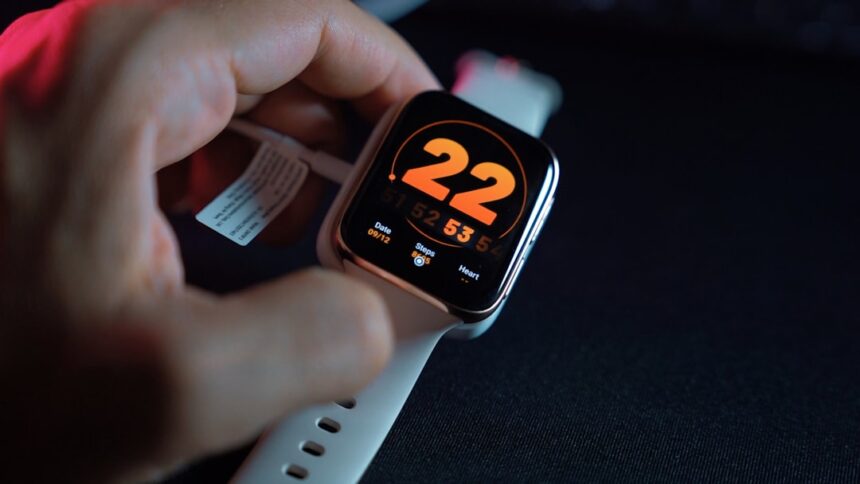
I’ve always been a bit of a data enthusiast. Numbers, patterns, the story they weave – it’s a language I find fascinating. So, when I strapped on my first smartwatch, it felt like unlocking a personal data stream, a constant flow of information about my own physical existence. Sleep cycles, step counts, the calories I’d burned – it was all there, presented in neat little graphs and digestible figures. But one metric always seemed to hold a particular, and sometimes unsettling, mystery: my heart rate.
It would ping me occasionally, a gentle notification or a stark alert, informing me that my heart had ventured into territory it “shouldn’t” be in, at least according to the algorithms. Initially, I dismissed it as a glitch, a digital phantom limb. But the more it happened, and the more I delved into the capabilities of this wrist-bound sentinel, the more I realized there was a complex and often overlooked story unfolding within my own cardiovascular system, a story my smartwatch was diligently, if sometimes cryptically, trying to tell me. This isn’t about the thrill of the latest gadget; it’s about understanding a piece of technology that’s becoming an extension of our health monitoring, a digital stethoscope on our wrists.
My heart, this tireless engine that pumps life through my veins, has always operated with a certain organic unpredictability. I remember as a child, the sheer exertion of a playground chase would leave me breathless, my chest heaving, my heart a drum solo against my ribs. But as I grew, with the demands of adulthood and perhaps a less vigorous lifestyle, those moments became less frequent, replaced by a subtle hum, a background rhythm that I rarely consciously perceived. The smartwatch, however, brought that hum into sharp focus, transforming it from an abstract biological process into a quantifiable data point.
The Heart as a Biological Pump
At its core, the heart is a remarkably efficient muscular pump. Its primary function is to circulate blood throughout the body, delivering oxygen and nutrients to every cell and removing waste products. This ceaseless activity is orchestrated by a complex electrical system, which dictates the rhythmic contractions of the heart muscle. The rate at which these contractions occur, measured in beats per minute (bpm), is known as the heart rate.
Understanding Basal Heart Rate
The basal heart rate, or resting heart rate, is a foundational metric. This is the number of times your heart beats per minute when you are completely at rest, typically measured first thing in the morning before getting out of bed. For most adults, a healthy resting heart rate falls between 60 and 100 bpm. However, this is a broad range, and individual variations are influenced by numerous factors.
Factors Influencing Basal Heart Rate
- Fitness Level: Individuals who are physically fitter, especially endurance athletes, often have lower resting heart rates. Their hearts are more efficient and can pump more blood with each beat, meaning they don’t need to beat as often.
- Age: Generally, resting heart rate can be slightly higher in younger individuals and may tend to increase slightly with age.
- Genetics: There is a genetic component to heart rate, meaning some people are naturally predisposed to having higher or lower resting rates.
- Medications: Certain medications, such as beta-blockers, are designed to lower heart rate, while others can have the opposite effect.
- Emotions: Stress, anxiety, excitement, and even happiness can temporarily elevate heart rate.
The Heart Rate’s Dynamic Nature
While a resting heart rate provides a baseline, the true story of my heart’s activity is in its fluctuations. It’s a dynamic organ, constantly adjusting its output in response to the body’s needs. The smartwatch, with its continuous monitoring, captures these shifts, revealing a more nuanced picture than I ever could have gleaned from sporadic manual checks.
Heart Rate During Physical Activity
When I engage in exercise, my heart rate naturally increases. This is the body’s intelligent response to demand more oxygen and nutrients for the working muscles. The higher the intensity of the exercise, the higher the heart rate climbs. This is often the most obvious and easily understood change in heart rate, and the smartwatch readily tracks this during workouts.
Heart Rate During Sleep
Even during sleep, the heart doesn’t entirely switch off. It continues its vital work, albeit at a reduced pace. My smartwatch allowed me to see how my heart rate dipped and ebbed throughout the night, often reaching its lowest point during deep sleep. This reduction is part of the body’s restorative processes, allowing for physical and mental recovery.
Recent advancements in smartwatch technology have revealed a hidden feature that can help users monitor their health more effectively, particularly concerning high heart rates. An insightful article discusses how these devices can detect abnormal heart rhythms and alert users before they become serious health issues. For more details on this groundbreaking capability, you can read the full article here: Smartwatch Exposed High Heart Rate Secret. This development not only enhances personal health monitoring but also emphasizes the importance of wearable technology in preventive healthcare.
The Tech Behind the Beat: How Smartwatches Measure Heart Rate
The accuracy of these notifications and insights hinges on the technology embedded within the smartwatch. It’s not magic, but a clever application of physics and biology. Understanding this mechanism demystifies the alerts and builds confidence in the data. When my smartwatch first flashed a “high heart rate” alert, my initial reaction was skepticism. How could this small device, a mere accessory, be reliably gauging something as fundamental as my pulse?
Photoplethysmography: The Light-Sensing Heart Monitor
The dominant technology used in most modern smartwatches for heart rate monitoring is called photoplethysmography (PPG). It’s a fancy term, but the principle is relatively straightforward. Essentially, the smartwatch uses light to detect blood flow.
The Principle of Light Absorption
PPG sensors employ light-emitting diodes (LEDs) that shine light into your skin. This light penetrates the superficial layers of the skin and is absorbed by your blood. When your heart beats, it pushes blood through your arteries. This surge of blood causes a temporary increase in blood volume in the capillaries underneath the skin.
Red vs. Green Light
Many smartwatches use green LEDs for heart rate monitoring. Green light is particularly well-suited for this because it is readily absorbed by hemoglobin, the molecule in red blood cells that carries oxygen. As blood volume increases with each heartbeat, more green light is absorbed, and less is reflected back to the sensor. Conversely, when blood volume decreases between beats, less light is absorbed, and more is reflected.
The Photodetector’s Role
A photodetector, also part of the sensor array, measures the amount of light that is reflected back. By analyzing the variations in the reflected light intensity, the smartwatch’s internal processor can infer the pulsatile blood flow, which is directly correlated with your heart rate. The more pronounced the fluctuations in reflected light, the faster your heart is beating. It’s like the device is “seeing” your pulse by observing how much light gets swallowed by the passing blood.
Algorithms and Signal Processing
The raw data from the PPG sensor is just that – raw. It’s a stream of light intensity changes. To transform this into a meaningful heart rate reading, sophisticated algorithms come into play. These algorithms are the intelligence behind the readout, meticulously filtering out noise and interpreting the signals.
Differentiating True Pulses from Noise
Skin movement, ambient light, and even the color of your skin can introduce “noise” into the PPG signal, distorting the readings. The algorithms are designed to distinguish the subtle, rhythmic patterns of blood flow from these extraneous influences. This is a complex computational task, akin to trying to hear a whisper in a crowded room.
Motion Artifacts
One of the biggest challenges is what’s known as motion artifact. If I’m walking briskly or waving my arm, the movement itself can cause variations in the light reaching the sensor, mimicking a change in blood flow. Advanced algorithms employ techniques like accelerometers and gyroscopes (also built into the watch) to detect and compensate for these movements, ensuring that only genuine heartbeats are registered.
Signal Averaging and Filtering
Algorithms also use signal averaging and filtering techniques to smooth out the readings and reduce the impact of transient fluctuations. By looking at a series of heartbeats, rather than just one, the system can arrive at a more stable and accurate average heart rate. Different algorithms might prioritize different aspects, such as speed of response versus ultimate accuracy.
Decoding the Alerts: When My Heart Rate Goes Rogue

The most compelling aspect of learning about my smartwatch’s high heart rate “secret” wasn’t just the technology, but the action it prompted. Those alerts, initially a source of mild annoyance, began to serve as important cues. They were not judgments, but rather signals for me to pay closer attention.
High Heart Rate Notifications: What Do They Mean?
When my smartwatch flags a high heart rate, it’s usually an alert for an elevated pulse rate that exceeds a predefined threshold, often considered to be above 100 bpm for an extended period while the device has registered as resting. This threshold can sometimes be customized within the smartwatch’s settings, allowing for a degree of personalization.
Resting vs. Active High Heart Rate
It’s crucial to differentiate between a high heart rate that occurs during vigorous physical activity and one that occurs while I am at rest. A high heart rate during exercise is expected and healthy; it’s the body responding to exertion. The alerts that signal a potential issue are typically those that occur when I am sedentary or engaged in low-intensity activities.
The Significance of Persistent Elevation
The persistence of a high heart rate when I should be resting is what raises concern. It’s not about a fleeting Spike, but a sustained elevation, suggesting that my cardiovascular system is working harder than it needs to without any apparent physiological reason. This is where the smartwatch acts as an early warning system.
Potential Causes for High Resting Heart Rate
- Stress and Anxiety: Emotional states like stress and anxiety trigger the release of hormones such as adrenaline, which can rapidly increase heart rate. My smartwatch often confirmed periods of elevated stress with a corresponding rise in my heart rate, even when I thought I was relatively calm.
- Dehydration: Insufficient fluid intake can cause the blood to thicken slightly, making it harder for the heart to pump. This can lead to an elevated heart rate as the heart compensates.
- Fever or Illness: When the body is fighting off an infection, its metabolic rate increases, and the heart rate rises to deliver more oxygen and immune cells to the affected areas.
- Caffeine and Stimulants: Consumption of caffeine, nicotine, and certain other stimulants can temporarily increase heart rate.
- Anemia: A deficiency in red blood cells means less oxygen is being carried throughout the body, forcing the heart to beat faster to compensate.
- Thyroid Imbalances: An overactive thyroid (hyperthyroidism) can lead to an abnormally fast heart rate.
- Arrhythmias and Other Heart Conditions: In some cases, a persistently high heart rate could be indicative of an underlying heart rhythm disorder (arrhythmia) or other cardiovascular issues.
Irregular Rhythm Notifications: A Different Kind of Warning
Beyond just the rate, some smartwatches are now equipped to detect irregularities in the heart’s rhythm. This is a more advanced feature, relying on even more sophisticated analysis of the PPG data. These alerts are generally more concerning than simple high-rate notifications.
Atrial Fibrillation (AFib) Detection
One of the primary conditions these features aim to detect is atrial fibrillation (AFib). AFib is a common type of irregular heart rhythm where the upper chambers of the heart (the atria) beat chacially and irregularly, out of coordination with the lower chambers (the ventricles). This can lead to ineffective blood pumping and increase the risk of stroke.
How Smartwatches Infer Irregularity
The algorithms in these advanced smartwatches analyze the timing between successive heartbeats. In a regular rhythm, these intervals are relatively consistent. In the case of AFib, the intervals become erratic and unpredictable. The smartwatch detects these significant variations and flags them as a potentially irregular rhythm. It’s like listening to a drummer who’s suddenly lost the beat.
The Importance of Consulting a Doctor
It is critical to understand that these smartwatch notifications, while valuable, are not a diagnostic tool. They are indicators, designed to prompt further medical investigation. If my smartwatch flags an irregular rhythm, it’s not a diagnosis of AFib; it’s a strong suggestion to schedule an appointment with my physician.
Next Steps After an Irregular Rhythm Alert
- Record the Data: Note down when you received the alert, what you were doing, and any other symptoms you experienced.
- Schedule a Doctor’s Appointment: This is the most crucial step. Share the information from your smartwatch with your doctor.
- Further Medical Testing: Your doctor may recommend an electrocardiogram (ECG or EKG), Holter monitor, or other tests to accurately diagnose any underlying condition.
The Limitations and Nuances of Smartwatch Heart Rate Monitoring
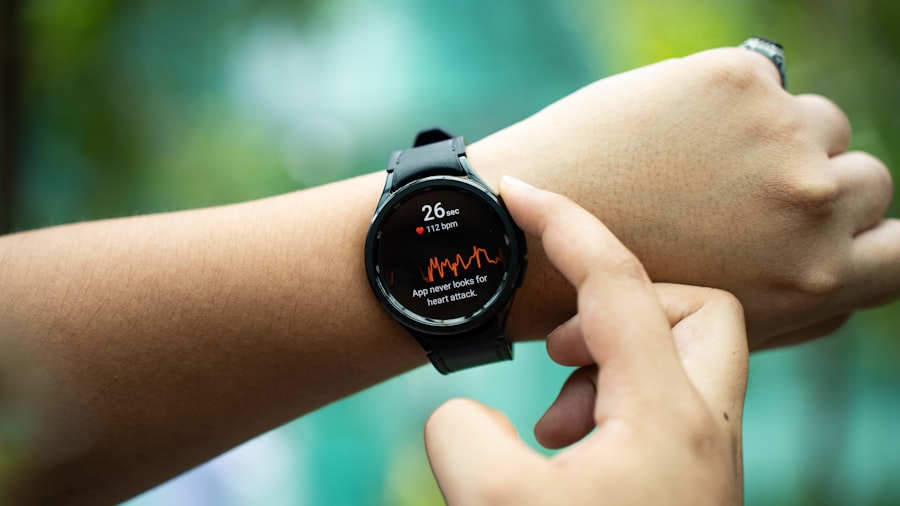
While my smartwatch has become an invaluable companion in understanding my heart’s activity, it’s essential to acknowledge its limitations. It’s a tool, not a medical professional, and its readings should always be interpreted with a degree of caution and common sense.
Factors Affecting Accuracy
As I’ve already touched upon, various factors can influence the accuracy of PPG-based heart rate monitoring. Understanding these helps me to contextualize the data.
Skin Tone and Tattoos
Darker skin tones can absorb more light, potentially leading to less accurate readings compared to lighter skin tones. Similarly, tattoos, particularly those with dark or dense ink, can interfere with the light transmission and reflection, impacting the sensor’s ability to capture an accurate pulse. My own experience has shown that sometimes a slight adjustment of the watch band, or ensuring good skin contact, can make a difference.
Environmental Conditions
Extreme temperatures can affect blood flow to the extremities, and intense ambient light can interfere with the optical sensors. If I’m exercising in very cold conditions, I might notice a slight discrepancy compared to my usual readings.
Watch Fit and Placement
The snugness of the watch band is paramount. If the watch is too loose, it can shift on the wrist, leading to intermittent contact and inaccurate readings. If it’s too tight, it can restrict blood flow, potentially affecting the pulse. The ideal placement is typically about a finger’s width above the wrist bone.
When to Trust Your Gut (and Your Doctor)
There are times when my smartwatch might register a slightly elevated heart rate, but I don’t feel any different. In these instances, it’s important to weigh the technology’s data against my own physiological sensations and consult with a medical professional if concerns persist. The smartwatch is a data point; it’s not the entire patient.
The Power of Subjective Experience
My own subjective feeling of well-being is still a critical component of health monitoring. If my smartwatch indicates a high heart rate, but I feel perfectly fine, I’ll usually monitor it for a while. However, if I experience symptoms like dizziness, shortness of breath, or chest discomfort, even if the smartwatch doesn’t immediately flag a high rate, I will seek medical attention.
The Role of Professional Diagnosis
Ultimately, a smartwatch is a helpful accessory for personal health awareness. It can provide early warnings and motivate healthier habits. However, it cannot replace the expertise of a qualified healthcare provider. Any significant or persistent deviations from what is considered normal, especially concerning heart rhythm, warrant professional medical evaluation and diagnosis.
Recent studies have revealed that smartwatches can sometimes expose a hidden secret about high heart rates, prompting users to take their health more seriously. This intriguing topic is explored in detail in a related article that discusses the implications of wearable technology on personal health monitoring. For those interested in learning more about this fascinating connection, you can read the full article here. The findings suggest that while these devices can be beneficial, they may also lead to unnecessary anxiety if users misinterpret the data.
My Smartwatch: A Digital Health Compass, Not a Doctor
| Metric | Description | Value | Unit |
|---|---|---|---|
| Average Resting Heart Rate | Typical resting heart rate detected by smartwatch | 72 | bpm |
| High Heart Rate Threshold | Heart rate level triggering smartwatch alert | 120 | bpm |
| Alert Frequency | Number of high heart rate alerts per day | 3 | alerts/day |
| False Positive Rate | Percentage of alerts not related to actual health issues | 15 | % |
| Battery Impact | Battery usage increase due to continuous heart rate monitoring | 10 | % per day |
| Data Privacy Concern | Percentage of users worried about heart rate data exposure | 40 | % |
Reflecting on my journey with my smartwatch and its heart rate monitoring, I’ve come to appreciate it not as a perfect oracle, but as a capable and insightful compass. It points me in directions I might otherwise have missed, nudging me to explore the terrain of my own health with greater awareness.
Building Healthier Habits Through Data
The concrete data provided by my smartwatch has been a powerful motivator. Seeing the direct correlation between my sleep quality and my resting heart rate, or how a brisk walk positively impacts my cardiovascular recovery, has been more convincing than any abstract health advice could ever be. It’s like having a personal trainer whispering insights in my ear, backed by numbers.
The Feedback Loop of Well-being
The continuous feedback loop created by the smartwatch has allowed me to cultivate a more proactive approach to my health. I’m more mindful of stress management techniques because I can see the physiological impact. I pay more attention to hydration because I’ve observed its effect on my heart rate. It’s a self-reinforcing cycle of awareness and action.
Gamification of Health
For me, the smartwatch has also introduced an element of gamification to my health. Achieving personal bests in fitness, maintaining a low resting heart rate, or consistently meeting sleep goals provides a sense of accomplishment that fuels further healthy behaviors. It’s a subtle but effective form of self-encouragement.
Empowering Proactive Health Management
The “secret” of my smartwatch’s high heart rate monitoring isn’t a hidden code or a futuristic algorithm only accessible to a select few. It’s the accessible integration of health-monitoring technology into our daily lives, empowering us to become more informed participants in our own well-being.
Early Detection and Intervention
The potential for early detection of subtle physiological changes is perhaps the most significant advantage. Whether it’s noticing a trend of consistently elevated resting heart rates or an occasional irregular rhythm notification, these signals can prompt me to seek medical advice before a condition might escalate. This proactive stance can lead to better outcomes and less invasive treatments.
A Partnership in Health
I see my smartwatch as a partner in my health journey, not a substitute for medical expertise or personal responsibility. It’s a powerful tool that, when used thoughtfully and in conjunction with professional medical guidance, can unlock a deeper understanding of my body and contribute to a path of sustained well-being. The data it provides is a powerful language, and I’m learning to interpret its vital messages with growing confidence.
FAQs
What does a smartwatch detect when it shows a high heart rate?
A smartwatch with heart rate monitoring capabilities detects an elevated number of heartbeats per minute, which may indicate physical exertion, stress, or potential health issues such as arrhythmia or other cardiac conditions.
How accurate are smartwatches in measuring heart rate?
Smartwatches use optical sensors to measure heart rate and are generally accurate for everyday monitoring. However, their accuracy can vary depending on the device model, sensor placement, skin tone, and movement during measurement.
Can a smartwatch alert me to a serious heart condition?
Some advanced smartwatches can detect irregular heart rhythms and high heart rates, prompting users to seek medical advice. However, they are not a substitute for professional medical diagnosis and should be used as a supplementary tool.
What should I do if my smartwatch shows a consistently high heart rate?
If your smartwatch consistently records a high heart rate without obvious cause, it is advisable to consult a healthcare professional to rule out any underlying medical conditions.
Are there privacy concerns with smartwatches monitoring heart rate data?
Yes, heart rate data collected by smartwatches is sensitive health information. Users should review privacy policies and ensure data is stored securely and shared only with trusted parties to protect their personal health information.