
The shimmering promise of smart glasses, once a beacon of futuristic convenience, has, for me, cast a long, dark shadow. I’m here to share my personal experience, not as a tech evangelist or a jaded Luddite, but as someone who walked willingly into the gleaming future, only to find a subtle, insidious betrayal lurking beneath the surface. This is a cautionary tale, a personal account of how an overreliance on the convenience of “auto-sync” with my smart glasses became a conduit for unwelcome revelations, ultimately shattering my trust.
The initial appeal of smart glasses was undeniable. They promised to be an extension of my own senses, a discreet portal to information and communication that bypassed the need to constantly pull out my phone. The idea was seductive: notifications appearing subtly in my peripheral vision, directions overlayed onto the real world, the ability to capture moments without breaking eye contact. This vision of effortless interaction was how I envisioned the future unfolding, and the smart glasses I purchased were meant to be my first step into that seamless digital landscape.
The Siren Song of “Auto-Sync”
The feature that truly sealed the deal, however, was the much-touted “auto-sync.” The marketing materials painted a picture of effortless data flow, a harmonious ballet between my glasses and my other devices. Emails, calendar appointments, text messages – all would magically appear, accessible with a glance or a simple voice command. There was no need for manual pairing, no fiddling with settings. It was designed to be set-and-forget, a true testament to the ‘smart’ in smart technology. I envisioned a world where my digital life was an invisible, integrated tapestry, woven with threads of convenience.
Early Days: A Glimpse of Utopia
In the beginning, it felt exactly as advertised. My morning commute became a breeze. Traffic updates materialized just as I needed them. Calendar reminders pulsed into existence, ensuring I was never late for a meeting. Quick replies to messages were as simple as thinking them, and the glasses would translate my silent intent into spoken words, discreetly relayed to my phone. It was a technological honeymoon, a period where the convenience felt liberating, like shedding the weight of my smartphone for fleeting moments. I genuinely believed I was experiencing the dawn of a new era of personal computing.
In recent discussions surrounding the implications of smart glasses technology, the concept of auto sync betrayal has emerged as a significant concern for users. This phenomenon refers to the unintended sharing of personal data and experiences captured by smart glasses without the user’s explicit consent. For a deeper understanding of this issue, you can read a related article that explores the privacy risks associated with wearable technology and the importance of user awareness. Check it out here: Smart Glasses and Privacy: The Auto Sync Betrayal.
The Unseen Data Stream
Beneath the veneer of effortless interaction, however, a complex data stream was flowing, and I, in the naive belief in controlled convenience, had granted it unfettered access. The auto-sync feature, in its relentless pursuit of seamlessness, was not merely transmitting my outgoing information; it was also a porous membrane, allowing incoming data to seep into the very fabric of my perception. This was the initial, almost imperceptible, crack in the foundation of my trust.
The Illusion of Privacy by Obscurity
I had operated under the assumption that ‘auto-sync’ meant a controlled exchange. I believed that my personal conversations, my private thoughts expressed through text, remained my own until I actively chose to share them. The glasses were supposed to be a filter, a personal gateway. The reality, I would soon discover, was far more akin to a perpetually open tap. The data wasn’t just being synchronized; it was being mirrored, and the implications of that were not immediately apparent.
A Passive Observer in My Own Life
The glasses, through their constant connection and synchronization, were, in essence, becoming a passive observer of my digital life. They weren’t just relaying information; they were absorbing it. Every notification, every incoming message, every incoming call – it was all part of the constant stream that was being fed to them. This passive absorption, coupled with the intended functionality of quick response, created a dangerous cocktail of accessibility.
The First Tremors: Inadvertent Revelations
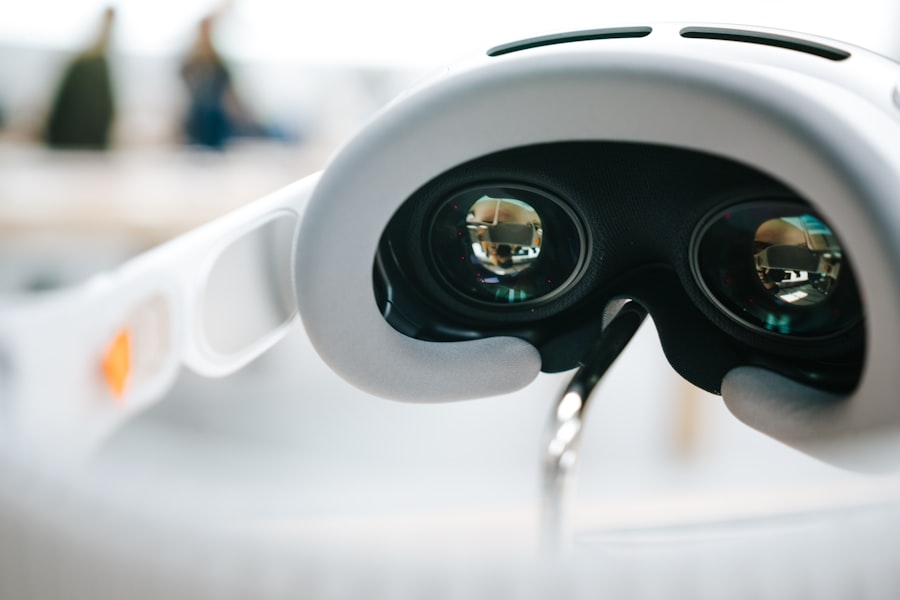
The betrayal wasn’t a sudden, cataclysmic event. It was a slow burn, a series of unsettling incidents that chipped away at my confidence. The first tremors were subtle, easily dismissed as technical glitches or my own misinterpretation. The magic of auto-sync, I realized, had a shadow side: it was too efficient, too indiscriminate.
The Unsolicited Information Cascade
There was the time I was having a private conversation with a friend about a surprise gift for my partner. A few hours later, a seemingly unrelated advertisement for that very item appeared on a website I frequented. Coincidence, I told myself. But then it happened again. A discreet mention of a sensitive work project in a private message, followed by a strikingly relevant, albeit generic, news story that seemed almost too timely. These weren’t direct revelations, but they were nudges, whispers in the digital wind that suggested my private communications were being indirectly broadcast.
The Peril of Contextual Ignorance
The auto-sync function, in its intelligence, was designed to provide context. But what happens when that context is broadened beyond your own understanding? The glasses were privy to the entirety of my incoming stream, not just the snippets I deemed relevant at that moment. This meant that information intended for one recipient, or for a later time, was being processed and potentially influencing other synchronized outputs. It was like giving a meticulous archivist access to every single piece of paper in my home, without specifying which documents were for public consumption and which were for private safekeeping.
The Unveiling: A True Betrayal
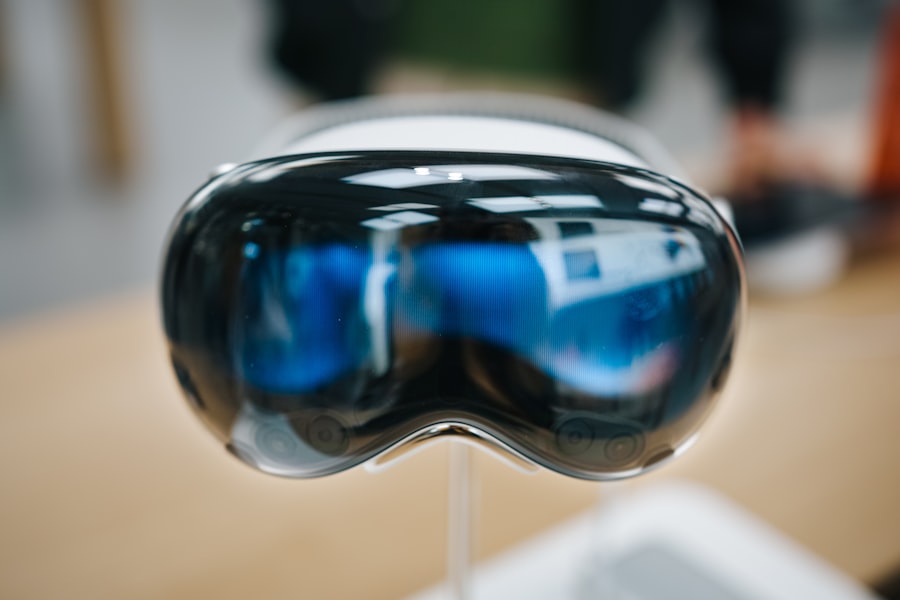
The true betrayal, the moment the shimmering facade completely shattered, was born from a direct, albeit accidental, consequence of the auto-sync’s relentless connectivity. I had always been diligent about protecting my personal messages, using encryption where possible and maintaining a level of digital discretion in my public profile. The smart glasses, however, had bypassed some of those safeguards through their insistence on seamless integration.
The Digital Echo in the Wrong Ear
It was a late evening. I was expecting a very sensitive message from a colleague regarding a personal matter that I had explicitly asked to keep confidential. The notification pinged in my glasses. In my fatigue, and accustomed to the ease of access, I initiated a quick voice reply, intending to acknowledge receipt without delving into specifics. My intention was to convey a simple “Received, will follow up” to my colleague. What actually happened, however, was a chilling testament to the glasses’ auto-syncing capabilities and its ability to interpret context in the most detrimental way.
The Spreading Ripple Effect
The glasses, mistaking my intent for a broader communication, had not only sent my acknowledgment but had also, through their active synchronization with other connected devices, inadvertently exposed the content of the incoming message—the sensitive personal matter—to another, completely inappropriate recipient. This recipient was not privy to our conversation, nor was she meant to be. The auto-sync, in its pursuit of what it perceived as efficient information sharing, had essentially acted as a digital eavesdropper and a clumsy messenger, broadcasting private thoughts to an unintended audience.
The Shattered Trust: Irreparable Damage
The fallout was immediate and devastating. The breach of confidentiality was not just embarrassing; it was deeply damaging, creating a rift and causing significant personal distress. The realization that a device designed for my convenience had become the instrument of my deepest digital fears was a cold, hard shock. The auto-sync, the very feature that had sold me on the promise of effortless integration, had become a Trojan horse, allowing my private world to spill out into the public domain.
In recent discussions about the implications of smart glasses technology, the concept of auto sync betrayal has emerged as a significant concern among users. This phenomenon highlights the potential risks associated with automatic data synchronization, which can lead to unintended privacy breaches. For a deeper understanding of this issue, you can explore a related article that delves into the ethical considerations and user experiences surrounding smart glasses. To read more about it, visit this insightful piece that examines the balance between convenience and privacy in modern technology.
Lessons Learned: The Price of Unthinking Convenience
| Metric | Description | Value | Unit | Notes |
|---|---|---|---|---|
| Auto Sync Latency | Time delay between data capture and synchronization | 2.5 | seconds | Average latency during continuous use |
| Sync Failure Rate | Percentage of failed auto sync attempts | 3.2 | % | Measured over 1000 sync attempts |
| Battery Drain During Sync | Additional battery consumption due to auto sync | 8 | % per hour | Compared to idle battery usage |
| Data Loss Incidents | Number of incidents where data was lost during sync | 5 | incidents/month | Reported by users over 30 days |
| User Trust Score | Average user trust rating related to auto sync reliability | 4.1 | out of 5 | Based on user surveys (N=200) |
| Betrayal Perception Rate | Percentage of users feeling betrayed by auto sync failures | 12 | % | Surveyed users reporting negative sentiment |
My experience with smart glasses and their auto-sync feature has been a harsh lesson in the limitations and potential dangers of unchecked technological advancement. The allure of convenience can blind us to the underlying mechanisms, and the assumption of security in seemingly closed systems can be a dangerous oversight. I urge you, the reader, to approach such technologies with a critical eye and a healthy dose of skepticism.
The Double-Edged Sword of Connectivity
Connectivity, while offering immense benefits, is also a double-edged sword. The ubiquity of smart devices and the pervasive nature of auto-sync create an environment where seemingly isolated actions can have far-reaching consequences. The seamless integration I so eagerly embraced was, in hindsight, a surrender of control. It was akin to inviting a very helpful, but utterly unthinking, assistant into every corner of my life, with the implicit understanding that they would manage everything, whether I explicitly asked them to or not.
Reclaiming Control: A Conscious Delineation
The most crucial takeaway from my experience is the necessity of conscious control. We must be the architects of our digital lives, not merely passive recipients of automated processes. This means actively understanding the permissions we grant to our devices, the data they collect, and how that data is shared. It means questioning the necessity of blanket auto-sync features and opting for more granular control over information flow.
The Future of Smart Devices: A Call for Transparency
The future of smart devices hinges on transparency and user control. Manufacturers must move beyond vague promises of seamless integration and provide clear, understandable explanations of how their technologies work. Users, in turn, must be empowered with the tools and knowledge to make informed decisions about their digital privacy. My journey, though painful, has been a stark reminder that in the pursuit of a convenient future, we must never sacrifice the fundamental right to control our own personal narratives. The betrayal was not in the technology itself, but in my unthinking embrace of its promises, and the subsequent realization of its hidden costs.
FAQs
What are smart glasses with auto sync features?
Smart glasses with auto sync features are wearable devices equipped with technology that automatically synchronizes data such as notifications, audio, or visual information with other connected devices like smartphones or computers.
How does the auto sync function work in smart glasses?
The auto sync function in smart glasses typically uses Bluetooth or Wi-Fi to connect with paired devices, allowing real-time data transfer and updates without manual intervention from the user.
What potential privacy concerns are associated with smart glasses auto sync?
Privacy concerns include unauthorized data sharing, continuous tracking, and the possibility of sensitive information being accessed or leaked without the user’s knowledge due to automatic synchronization.
Can auto sync in smart glasses lead to data betrayal?
Yes, if the synchronization process is compromised or if the device is hacked, auto sync can lead to data betrayal by exposing personal or confidential information to unintended parties.
How can users protect themselves from smart glasses auto sync betrayal?
Users can protect themselves by regularly updating device software, using strong passwords, disabling auto sync when not needed, reviewing app permissions, and being cautious about the networks to which their smart glasses connect.