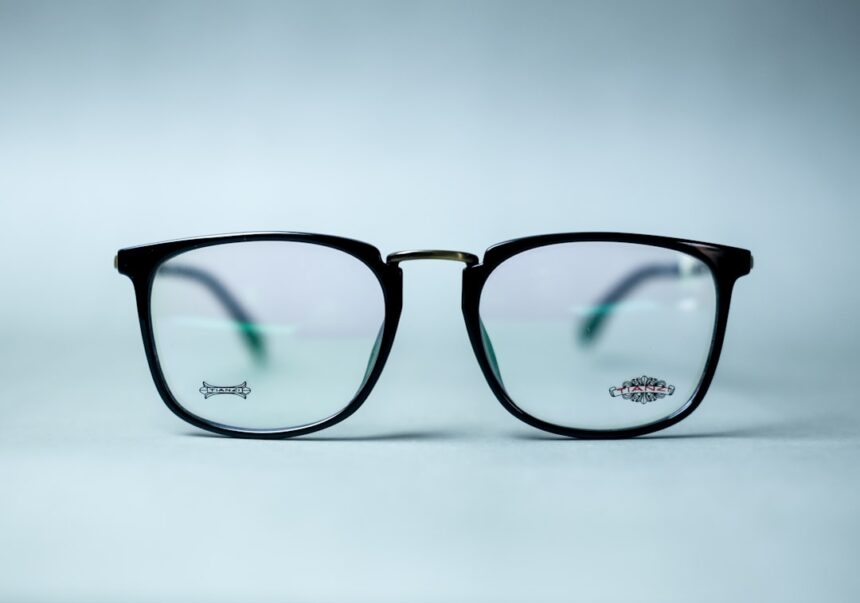
My smart glasses, once a window to a seamlessly augmented reality, are now marred by a spiderweb of cracks across the left lens. It’s not a dramatic, shattering explosion, but a creeping, insidious fracture that distorts my perception. This isn’t just about a faulty piece of technology; it’s about the disruption of a personal interface, a gateway to information and interaction that has become woven into the fabric of my daily life. The experience has led me to reflect on the fragility of such advanced, yet delicate, devices and the consequences when their visual integrity is compromised.
My smart glasses, designed to overlay digital information onto my physical surroundings, have always been my constant companion. I’ve relied on them for everything from navigating unfamiliar streets to discreetly checking notifications during meetings, all without pulling out my phone. This specific pair, a sleek, lightweight model, had become an extension of my own senses, enhancing my awareness and efficiency. The first signs of trouble were subtle, almost imperceptible.
The Unseen Impact: Micro-Fissures and Stress Points
Initially, I didn’t notice anything amiss. Perhaps it started with a microscopic fissure, invisible to the naked eye, born from a minor bump or temperature fluctuation. These minuscule imperfections are the silent saboteurs of glass, accumulating over time and creating invisible stress points. It’s akin to the pressure building up in a dam before a catastrophic breach, only on a much smaller, more personal scale. I might have attributed any fleeting visual anomalies to screen refresh rates or a momentary glitch in the display’s projection.
A Speck of Dust or Something More Sinister?
Then came the moment of undeniable realization. A faint line, like a single strand of a spider’s silk, began to appear. At first, I dismissed it as a smudge or a speck of dust that had somehow infiltrated the inner workings of the lens. I meticulously cleaned the exterior, hopeful that a simple wipe would resolve the issue. However, the line persisted, stubbornly refusing to yield to my efforts. This persistent anomaly served as the first stark signal that something more fundamental had gone wrong.
The Spreading Network: From Single Line to Complex Web
What began as a solitary fracture soon multiplied. Within days, the single line had branched out, forming an intricate, almost artistic, pattern much like the delicate geometry of a frost-covered windowpane. Each new crack added another layer of distortion, further obscuring the augmented visuals and introducing a disorienting blur. It was as if the digital world I was meant to see was being slowly consumed by a monochrome mosaic of brokenness.
If you’re interested in learning more about the potential issues surrounding smart glasses, including the common problem of cracked lenses, you might find this article insightful. It discusses various factors that contribute to lens damage and offers tips on how to maintain your smart glasses effectively. For more information, check out the article here: Smart Glasses Maintenance Tips.
The Mechanics of the Rupture: Understanding the Vulnerability
The realization of the cracked lens prompted a deeper dive into the underlying causes. Smart glasses, despite their sophisticated internal components, often rely on relatively delicate materials for their visual displays. Understanding these vulnerabilities is key to preventing future occurrences.
Material Science and Consumer Electronics: A Delicate Balance
The lenses in smart glasses are typically made from specialized polymers or treated glass designed for both optical clarity and the ability to integrate projected light. However, they are not engineered to withstand the same kind of physical stresses as, say, the Gorilla Glass on a smartphone screen, which is often subjected to more direct impact. The thinness and the complex layering required for displaying information contribute to a higher susceptibility to damage. It’s a constant battle for manufacturers: creating lightweight, comfortable devices that can also survive the rigrates of everyday use.
Environmental Factors: The Silent Predators
The environment in which these devices operate can play a significant role. Extreme temperature changes, from the biting cold of winter to the sweltering heat of summer, can cause materials to expand and contract. Over time, this thermal cycling can induce microscopic stress in the lens material, creating the perfect conditions for a fracture to propagate. I recall experiencing my glasses during a sudden cold snap after being in a warm office, a situation that could very well have been the catalyst for the initial crack.
Physical Stress and Everyday Hazards: The Accidental Blow
The most common culprit, however, is undoubtedly physical impact. These devices, worn on the face, are inherently exposed. A careless brush against a doorway, a dropped pen that ricochets, or even an accidental nudge from a stranger can be enough to initiate a crack. Unlike a smartphone, which is usually tucked away in a pocket or bag, smart glasses are always “on display,” making them magnets for unintended contact. My particular incident likely involved a moment where the glasses caught on something during a hurried movement, an everyday hazard that went unnoticed until the damage became apparent.
The Impact on My Augmented Experience: A Blurry World
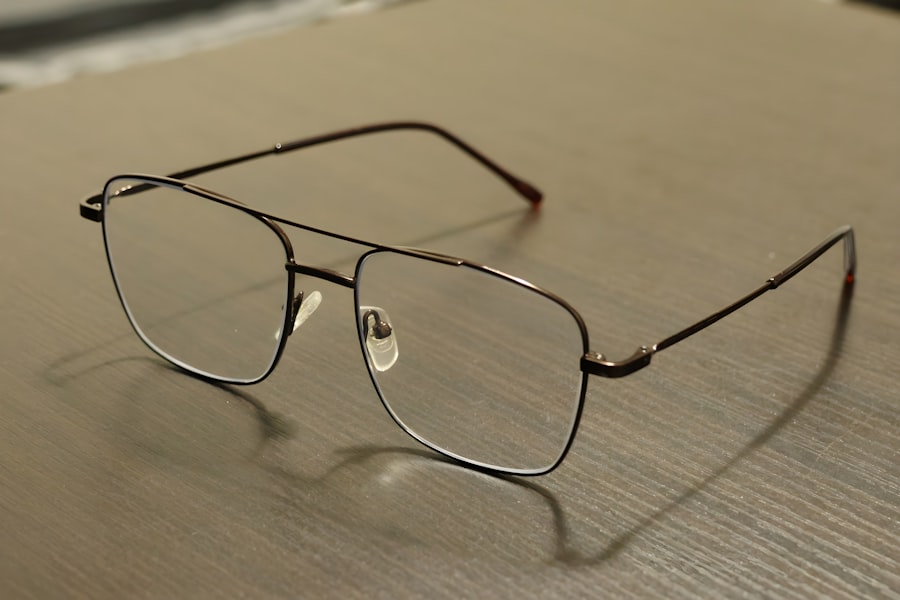
The cracked lens isn’t just a cosmetic flaw; it profoundly affects the functionality of my smart glasses, transforming a seamless augmented experience into a fragmented and frustrating one.
Visual Distortion: The Jigsaw Puzzle of Sight
The most immediate and impactful consequence is the visual distortion. The cracks act like prisms, bending and scattering the projected light. Instead of crisp, clear text or vibrant graphical overlays, I’m now presented with a warped and blurry rendition. Information that was once instantly accessible and easily digestible now requires a conscious effort to decipher, like trying to put together a jigsaw puzzle where half the pieces are missing or distorted. This fundamentally undermines the core purpose of the device.
Reduced Immersion: The Breaking of the Illusion
The immersion that smart glasses offer is built on the illusion of seamless integration between the digital and physical worlds. A cracked lens shatters this illusion. The visible imperfections pull me out of the augmented reality, constantly reminding me of the underlying technology and its failing hardware. It’s like watching a high-definition movie on a pixelated screen; the magic is lost, replaced by a jarring awareness of the medium. I find myself disengaging from the augmented overlays, opting instead to rely on my unaided vision, which defeats the purpose of wearing the glasses in the first place.
Functional Limitations: Tasks Become Tedious
Many of the tasks I previously performed with ease have now become tedious or even impossible. Navigation is particularly challenging; directions are obscured, and the map overlays are a jumbled mess. Reading notifications is a squinting, frustrating endeavor, often requiring me to remove the glasses altogether. Even simple tasks like glancing at the time become a struggle. The efficiency I once gained from my smart glasses has been replaced by a frustrating inefficiency, a constant battle against the damaged interface.
Repair, Replacement, or Resignation: Navigating the Options

Faced with a cracked lens, the question of what to do next inevitably arises. The options are limited and often come with significant considerations.
The Allure of Repair: A Feasible Fantasy?
The immediate instinct is to seek a repair, to miraculously mend the fractured glass. However, the reality of repairing smart glasses lenses is often more complex than it appears. Unlike a smartphone screen, which might be a replaceable module, the integrated lens systems in many smart glasses are often proprietary and difficult to access. The precision engineering involved means that a DIY repair is almost entirely out of the question and specialized repair services, if even available, can be prohibitively expensive. It’s like trying to fix a delicate watch with a hammer; the tools and expertise required are highly specialized.
The Inevitable Upgrade: A Costly Solution
In many cases, the most practical, albeit financially painful, solution is replacement. Manufacturers often design smart glasses with a degree of obsolescence, making individual component repair difficult or impossible to encourage upgrades. This means that a cracked lens can necessitate the purchase of an entirely new device. While this ensures a fully functional experience, it comes at a significant cost, especially considering the premium price point of most smart glasses. It’s a stark reminder that technological advancement often comes with an environmental and economic burden.
The Philosophical Embrace: Learning to Live with Imperfection
There’s also the option of simply learning to live with the imperfection. This involves accepting the reduced functionality and the visual annoyance as a new reality. While this might seem like a resigned approach, it can offer a valuable lesson in adapting to technological limitations and perhaps even a shift in perspective towards our reliance on such devices. It forces me to re-evaluate which features are truly essential and which are merely conveniences, prompting a more mindful approach to technology use.
If you’ve ever experienced the frustration of cracked smart glasses lenses, you might find it helpful to read about common solutions and preventative measures. A related article discusses various ways to protect your eyewear and maintain their functionality over time. For more insights, check out this informative piece on smart glasses maintenance at this link. Taking care of your smart glasses can greatly enhance your experience and prolong their lifespan.
Lessons Learned: A Glacial Understanding of Durability and Dependence
| Metric | Value | Unit | Notes |
|---|---|---|---|
| Average Repair Cost | 120 | USD | Cost to replace cracked lens on popular smart glasses models |
| Lens Replacement Time | 45 | Minutes | Average time taken by authorized service centers |
| Frequency of Lens Cracks | 15 | Percent | Percentage of users reporting cracked lenses within first year |
| Warranty Coverage | 6 | Months | Typical warranty period covering lens damage |
| Material Hardness | 7.5 | Mohs Scale | Hardness rating of common smart glasses lenses |
| Impact Resistance | 5 | Joules | Energy absorbed before lens cracks |
My experience with the cracked smart glasses lens has provided a far from enjoyable, but undeniably valuable, education. It has underscored the fragility inherent in even the most advanced consumer electronics and highlighted my own growing dependence on these visual enhancements.
The Tyranny of the Seamless: Reconsidering Constant Augmentation
The cracked lens has been a wake-up call, a harsh interruption to the illusion of seamless augmentation. I’ve realized how easily I’ve come to rely on the constant stream of information and assistance provided by my smart glasses. The fracture has forced me to confront the “tyranny of the seamless,” a state where we expect technology to function flawlessly and unobtrusively, forgetting the underlying complexity and potential for failure. This experience has encouraged a more measured approach, a conscious decision about when and why I choose to engage with augmented reality.
The Importance of Robust Design: A Plea to Manufacturers
This incident also serves as a personal plea to manufacturers. While innovation is commendable, it shouldn’t come at the expense of durability and repairability. The constant drive for thinner, lighter devices can inadvertently lead to increased fragility. A greater emphasis on using more resilient materials, designing for easier component replacement, and offering accessible repair services would significantly enhance the longevity and user satisfaction of these promising technologies. The future of wearable tech depends on a balance between cutting-edge functionality and practical, long-term usability.
A New Appreciation for the Unaugmented: The Clarity of the Real
Perhaps the most profound lesson is a renewed appreciation for my own unaided senses. When the digital overlay is obscured by cracks, I am forced to engage more directly with the physical world, to observe and interpret it without the filter of technology. There’s a certain clarity and authenticity in unfiltered reality that I had, in my pursuit of augmentation, begun to overlook. The cracked lens, in its own disruptive way, has helped me to see the world more clearly, even as it obscures the digital.
FAQs
What should I do if my smart glasses lens is cracked?
If your smart glasses lens is cracked, it is best to stop using them immediately to avoid further damage or injury. Contact the manufacturer or an authorized repair center to inquire about lens replacement options.
Can a cracked smart glasses lens affect the device’s functionality?
Yes, a cracked lens can impair the display quality, touch sensitivity, and overall performance of smart glasses. It may also compromise the device’s durability and user experience.
Are cracked lenses covered under warranty for smart glasses?
Warranty coverage for cracked lenses varies by manufacturer and warranty terms. Many warranties do not cover accidental damage like cracks, so it is important to review your specific warranty policy or consider purchasing additional protection plans.
Is it possible to replace just the lens on smart glasses?
In many cases, the lens can be replaced separately, but this depends on the model and manufacturer. Some smart glasses require professional service for lens replacement, while others may allow user replacement with compatible parts.
How can I prevent my smart glasses lenses from cracking?
To prevent cracks, handle your smart glasses with care, store them in a protective case when not in use, avoid dropping them, and keep them away from extreme temperatures or pressure. Regular maintenance and cleaning with appropriate materials also help maintain lens integrity.