
I’ve always been fascinated by the subtle dances of human interaction, the unspoken negotiations that occur in every conversation. For years, I’ve delved into the science of deception, seeking objective markers that could strip away the veneer of falsehood. This exploration led me to an area that, while not a perfect crystal ball, offers a tangible way to probe the truth: the detection of lies through heart rate spikes. It’s a journey into the physiological tremors that can betray our inner unease when we stray from honesty.
When we engage in deception, our brains don’t just fire up the machinery of fabrication; they also trigger a cascade of physiological responses. Think of it like a tiny alarm system going off within our bodies. This isn’t about conscious control, but rather an involuntary reaction to the stress and cognitive load associated with lying. My research has focused on understanding these reactions, particularly those that manifest in our cardiovascular system.
The Autonomic Nervous System: The Body’s Unconscious Interpreter
At the heart of these physiological shifts lies the autonomic nervous system (ANS). This incredible network acts as the body’s primal conductor, managing involuntary functions like breathing, digestion, and, crucially for our discussion, our heart rate. The ANS has two main branches: the sympathetic and the parasympathetic.
The Sympathetic Nervous System: The “Fight or Flight” Response
The sympathetic nervous system is our body’s alarm bell. When it’s activated, it prepares us for action – to either confront a threat or flee from it. This is commonly known as the “fight or flight” response. In the context of deception, the perceived threat might not be a saber-toothed tiger, but rather the potential for discovery or the fear of social repercussions. My studies have consistently shown that engaging in deceptive behavior can trigger this sympathetic arousal.
Hormonal Surges and Their Effects
When the sympathetic nervous system kicks in, it orchestrates a symphony of hormonal releases, primarily adrenaline (epinephrine) and noradrenaline (norepinephrine). These hormones are like tiny messengers, coursing through our bloodstream and preparing our bodies for increased activity. They are the architects of many observable changes.
- Increased Heart Rate: One of the most immediate and noticeable effects is a surge in heart rate. The heart beats faster, pumping more blood to our muscles and organs, ensuring we’re ready to react. This is the primary signal I look for.
- Elevated Blood Pressure: Alongside the accelerated heart rate, blood pressure also tends to rise. This is because the blood vessels constrict, redirecting blood flow.
- Peripheral Vasoconstriction: Blood is diverted away from the extremities (like fingers and toes) and towards the core. This is why you might notice a subtle cooling of the skin in the hands or feet during moments of heightened stress.
- Increased Respiration: Our breathing rate also increases, taking in more oxygen to fuel the impending action. This can lead to shallow, rapid breaths.
The Parasympathetic Nervous System: The “Rest and Digest” Counterbalance
The parasympathetic nervous system, conversely, is responsible for calming the body down, promoting “rest and digest” functions. It acts as a brake on the sympathetic system, helping us recover from stressful situations. While its role in actively detecting lies via heart rate spikes is less direct, its interplay with the sympathetic system is crucial for understanding baseline and deviations.
Cognitive Load: The Mental Gymnastics of Lying
Deception isn’t just a simple act of misdirection; it’s a cognitively demanding process. Imagine building a complex sandcastle with intricate turrets and moats. It requires focus, planning, and constant effort to maintain its integrity. Similarly, constructing a convincing lie demands significant mental energy.
The Effort of Fabricating and Maintaining a Falsehood
When I lie, I’m not just saying something untrue; I’m actively engaged in several mental tasks simultaneously:
- Recalling the Truth: I must first access the actual facts of the situation. This is the foundation upon which the lie is built, but it’s information I need to suppress.
- Inhibiting the Truth: I have to actively prevent the true information from surfacing, both in my thoughts and in my communication. This requires a constant mental override.
- Constructing the Lie: I need to formulate a plausible alternative narrative. This involves creativity and the ability to weave a consistent story.
- Maintaining Consistency: The lie must be sustained over time and across different questioning. Any inconsistencies can unravel the entire edifice.
- Monitoring the Interlocutor: I must also pay close attention to your reactions, assessing whether my lie is being believed or if I’m raising suspicion. This adds another layer of mental processing.
This intense cognitive load, this mental exertion, places a strain on our resources. This strain, in turn, can be a significant trigger for the physiological responses mediated by the ANS.
In exploring the fascinating connection between physiological responses and deception detection, an intriguing article discusses how heart rate spikes can serve as indicators of lying. By analyzing the body’s involuntary reactions, such as increased heart rate, one can potentially uncover truths hidden beneath the surface. For more insights on this topic, you can read the full article here: How to Use Heart Rate Spikes to Catch a Lie.
Heart Rate Spikes: The Measurable Tremors of Deception
The heightened activity of the sympathetic nervous system, fueled by the cognitive strain of deception, directly impacts our heart rate. A heart rate spike, in this context, is a noticeable and often rapid increase in the number of times your heart beats per minute. It’s not a subtle whisper; it’s a rhythmic drumbeat that can echo the internal turmoil of a fabricated story.
Identifying a “Spike”: Baselines and Deviations
I can’t simply look at a heart rate and declare someone a liar. It’s far more nuanced than that. The key lies in identifying deviations from a person’s baseline heart rate.
Establishing a Baseline: The Unvarnished Truth of Rest
Before I can even begin to look for spikes, I need to understand what is normal for you. This involves monitoring your heart rate during periods of calm, neutral conversation or simple tasks. This is your physiological signature when you are not under duress or engaged in deception. It’s like calibrating a sensitive instrument; you need to know its resting state before you can measure any changes.
- Neutral Questioning: I might ask you about your favorite color, your commute, or a neutral anecdote from your day. During these times, your heart rate should remain relatively stable.
- Minimizing External Stressors: The testing environment itself needs to be as relaxed and non-threatening as possible to ensure the baseline reflects your typical physiological state.
Detecting Deviations: The Ascent from Calm
Once a baseline is established, any significant and rapid increase in heart rate during questioning about sensitive or potentially deceptive topics becomes a flag. These aren’t gradual incline; they are often sharp ascents.
- Sudden Increase: The spike is characterized by a swift acceleration in heart rate, often within a few seconds of a question that prompts deception.
- Sustained Elevation: The elevated heart rate may persist for a short period before gradually returning to baseline, or it might fluctuate with subsequent deceptive statements.
- Repetitive Peaks: In cases of prolonged or complex deception, you might observe multiple spikes throughout the interaction.
The Magnitude and Duration of the Spike
The intensity and duration of the heart rate spike can also provide clues. These are not standardized measurements, but they offer layers of interpretation.
- Intensity of Deception: It’s reasonable to hypothesize that a more significant lie, one that carries a greater perceived risk or requires more elaborate fabrication, might elicit a more pronounced heart rate spike. This is akin to a larger ripple effect in a pond.
- Individual Physiological Differences: However, it’s crucial to remember that individuals vary greatly in their physiological responses. What might be a notable spike for one person could be a minor fluctuation for another. This is why having a personal baseline is indispensable for accurate interpretation.
- Duration Matters: A fleeting spike that quickly subsides might indicate a fleeting moment of internal conflict, while a sustained elevated heart rate could suggest a more prolonged state of anxiety associated with deception.
Factors Influencing Heart Rate Spikes: Beyond Simple Deception
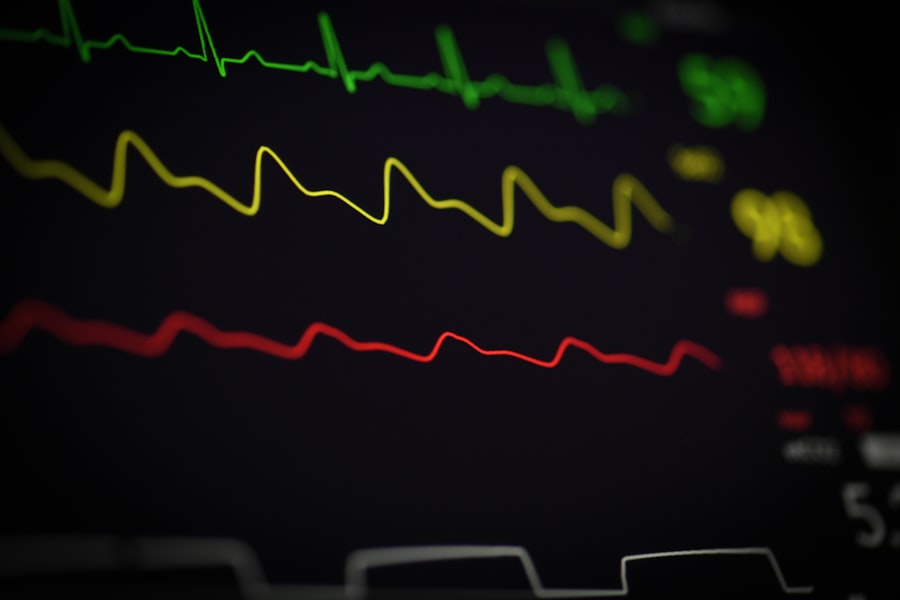
It’s tempting to view a heart rate spike as a direct, unambiguous sign of lying. However, my investigations have revealed that the human body is a complex orchestra, and many factors can influence heart rate. It’s vital to approach this with a detective’s mind, considering all possibilities before drawing a conclusion.
Stress and Anxiety: The Uninvited Guests
The most significant confounding factor when interpreting heart rate spikes is stress and anxiety. Deception is stressful, yes, but so are many other situations. When I see a spike, I must consider if the stress is truly from lying, or from something else entirely.
The Ambiguity of Arousal
The physiological symptoms associated with the sympathetic nervous system activation – increased heart rate, sweating, rapid breathing – are not exclusive to deception. They are general markers of arousal.
- Fear of Being Disbelieved: I might exhibit a heart rate spike not because I am lying, but because I genuinely fear that you won’t believe the truth I am telling. This is particularly relevant in situations where I have a history of being misunderstood or where the truth itself is extraordinary.
- General Anxiety: If I suffer from generalized anxiety disorder, my baseline heart rate might be elevated, and any form of questioning, even if I’m being truthful, could trigger a physiological response.
- Pressure of the Situation: Being interrogated or observed can be inherently anxiety-provoking. The mere act of being scrutinized can cause my heart to race, regardless of my honesty.
- Embarrassment or Shame: Discussing sensitive personal information, even truthfully, can lead to embarrassment or shame, which can trigger a stress response and a subsequent heart rate spike.
Cognitive Effort: Not All Lies Are Created Equal
As I mentioned earlier, lying is cognitively demanding. However, the degree of demand varies.
- Simple Omissions vs. Elaborate Fabrications: A simple omission, like not mentioning I ate a cookie when I was asked if I had any snacks, requires less cognitive effort than crafting a detailed alibi for a more significant transgression. My research indicates that more complex lies tend to produce more pronounced physiological responses.
- Familiarity with Lies: If I’ve rehearsed a lie extensively, it might become more automatic and require less active cognitive manipulation to maintain. This could potentially lead to a less pronounced heart rate spike compared to an impromptu lie.
- Familiarity with the Truth: Similarly, if the truth is complex or something I don’t recall well, the effort to access and articulate it accurately could also lead to a temporary increase in heart rate, mimicking a deceptive response.
Individual Differences: The Unique Rhythms of Each Person
Each of us is a unique biological entity. My heart rhythms will not mirror yours perfectly. This is a fundamental principle to acknowledge.
- Baseline Heart Rate Variations: As I’ve stressed, people have different resting heart rates. What is a significant spike for one person might be a normal fluctuation for another.
- Physiological Sensitivity: Some individuals are naturally more physiologically reactive than others. Their autonomic nervous systems are more finely tuned to respond to stimuli.
- Coping Mechanisms: I may have developed or learned specific coping mechanisms that help me manage anxiety or stress, which can influence my physiological responses. For example, I might consciously try to regulate my breathing, which can, in turn, affect my heart rate.
- Underlying Medical Conditions: Certain medical conditions, such as thyroid problems or cardiac arrhythmias, can directly affect heart rate and complicate the interpretation of any observed spikes.
The Practical Application: Heart Rate Monitoring in Lie Detection

The potential for utilizing heart rate spikes in lie detection is undeniable, but it’s a tool that demands careful application and awareness of its limitations. I don’t see it as a standalone solution, but rather as a piece of a larger puzzle.
Physiological Monitoring Technologies
The tools I use to track these subtle physiological shifts are becoming increasingly sophisticated.
Heart Rate Monitors: From Simple to Advanced
- Wearable Devices: Nowadays, many consumer-grade wearable devices, such as smartwatches and fitness trackers, are capable of continuously monitoring heart rate. While these are not clinical-grade instruments, they can provide a wealth of data over time.
- Electrocardiogram (ECG) Devices: For more precise and reliable measurements, I would turn to medical-grade ECG machines. These provide a detailed tracing of the heart’s electrical activity and are the gold standard for accurate heart rate monitoring.
- Polygraphs: The traditional polygraph, often referred to as a “lie detector,” is a device that combines multiple physiological measurements, including heart rate, blood pressure, respiration, and galvanic skin response (skin conductivity). My understanding of these devices is that they aim to capture a broader spectrum of physiological reactions considered to be associated with deception.
Applications and Limitations
The allure of objective truth detection is strong, but it’s essential to ground these applications in reality.
Areas of Potential Use
- Forensic Investigations: In certain legal contexts, physiological monitoring might be employed as part of an investigative process, though its admissibility as sole evidence is often debated.
- Security Screening: Some high-security environments might incorporate physiological assessments, though their effectiveness and ethical implications are subjects of ongoing discussion.
- Psychological Research: My primary use for this technology is in controlled research settings to better understand the complex interplay between cognition, emotion, and physiology.
The Cautionary Tale: Not a Foolproof Method
It is absolutely crucial to reiterate that focusing solely on heart rate spikes is not a foolproof method for detecting lies.
- The Risk of False Positives: As discussed, stress, anxiety, or even a strong emotion can mimic the physiological signs of deception, leading to a false positive. I might appear deceitful when I am merely nervous or scared.
- The Risk of False Negatives: Conversely, a practiced or desensitized liar, or someone who doesn’t experience significant physiological stress when lying, might not exhibit detectable heart rate spikes, leading to a false negative. They might be cool as a cucumber on the outside, even when their words are a labyrinth of falsehoods.
- Ethical Considerations: The use of such technology raises significant ethical questions regarding privacy, consent, and the potential for misuse. It’s a powerful tool that requires responsible handling.
Recent studies have shown that monitoring heart rate spikes can be an effective method for detecting deception, as physiological responses often reveal more than verbal cues. For those interested in exploring this fascinating intersection of psychology and technology, a related article can provide deeper insights into the science behind these techniques. You can read more about it in this informative piece on the subject, which discusses various methods of lie detection and their implications. To learn more, visit this article.
Augmenting Lie Detection: Beyond the Heart’s Rhythm
| Metric | Description | Typical Range | Interpretation for Lie Detection |
|---|---|---|---|
| Resting Heart Rate (RHR) | Baseline heart rate when calm and relaxed | 60-80 beats per minute (bpm) | Used as a reference to identify spikes |
| Heart Rate Spike | Sudden increase in heart rate above baseline | Increase of 10-20 bpm or more | May indicate stress or anxiety linked to deception |
| Time to Peak | Time taken for heart rate to reach peak after stimulus | 1-3 seconds | Quick spikes may correlate with immediate stress response |
| Recovery Time | Time for heart rate to return to baseline after spike | 10-30 seconds | Longer recovery may indicate sustained stress or guilt |
| Spike Frequency | Number of heart rate spikes during questioning | Varies per individual | Multiple spikes during critical questions may suggest deception |
| Contextual Correlation | Matching spikes with specific questions or topics | N/A | Essential to differentiate lies from other stressors |
While heart rate spikes offer a valuable window into the physiological manifestations of deception, I understand that relying on a single indicator is like trying to navigate with only one sense. My approach focuses on integrating this data with other observable cues to build a more comprehensive picture.
Other Physiological Indicators
The sympathetic nervous system’s reach extends beyond the heart. Other physiological changes can also provide supporting evidence.
Beyond Heartbeat: A Symphony of Signs
- Respiration Changes: A noticeable change in breathing patterns, such as a sudden increase in breath rate, holding of breath, or gasping, can accompany a heart rate spike.
- Galvanic Skin Response (GSR): Increased sweating, leading to a rise in skin conductivity, is another classic sign of sympathetic arousal linked to stress and deception.
- Pupil Dilation: While harder to measure consistently without specialized equipment, pupil dilation can also be an indicator of cognitive effort and emotional arousal.
- Microexpressions: These are fleeting facial expressions that flash across a person’s face for a fraction of a second, often revealing a true emotion that contradicts spoken words.
Behavioral Cues: The Body’s Silent Language
While I focus on the internal physiological landscape, observing external behavior is equally important.
Non-Verbal Communication as a Clue
- Eye Contact: While stereotypes often suggest liars avoid eye contact, the reality is more complex. Excessive or unnaturally steady eye contact can also be a sign of trying too hard to appear truthful.
- Body Language: Fidgeting, self-soothing gestures (like touching one’s face or hair), or a general sense of restlessness can be indicative of unease.
- Speech Patterns: Changes in vocal pitch, hesitations, stammering, or an increase in the use of filler words (“um,” “uh”) can suggest cognitive effort or discomfort.
The Importance of Context: Understanding the Narrative
Finally, and perhaps most critically, I always consider the context of the situation.
The Story Behind the Data
- Nature of the Question: Was the question direct and accusatory, or open-ended and neutral?
- Emotional Salience: How important is the topic of conversation to the individual?
- Previous Interactions: What is the history of trust and communication between the parties involved?
By weaving together the threads of physiological data, observable behaviors, and contextual understanding, I can achieve a more nuanced and potentially accurate assessment than by focusing on any single element in isolation. The heart rate spike is a powerful signal, but it’s a signal that requires careful listening and interpretation within the broader symphony of human expression.
The Future of Lie Detection: Towards Integrated Systems
My ongoing research into lie detection isn’t about finding a magic bullet. Instead, it’s about building a more robust and reliable toolkit. The future, as I see it, lies in the integration of multiple lie detection modalities.
Multi-Modal Approach: A Holistic View
The days of relying on a single physiological marker are likely numbered. The future is about a more comprehensive and integrated approach.
Combining Strengths for Greater Accuracy
- Synergistic Analysis: By analyzing data from heart rate monitors, EEG, fMRI (functional magnetic resonance imaging), eye-tracking technology, and behavioral observation simultaneously, I can build a more holistic picture of a person’s state. This is akin to having multiple witnesses providing testimony, each offering a unique perspective on the same event.
- Machine Learning and AI: Advanced algorithms and artificial intelligence are becoming increasingly capable of identifying complex patterns and correlations within large datasets of physiological and behavioral information. These tools can help sift through the noise and pinpoint subtle indicators that might escape human observation.
- Brainwave Patterns: Research into electroencephalography (EEG) and functional magnetic resonance imaging (fMRI) is exploring how deception affects specific brain regions and electrical activity patterns. Changes in brainwave frequencies or the activation of particular neural networks could offer additional layers of insight.
Ethical Frameworks and Responsible Implementation
As these technologies advance, so too must our ethical considerations. The power to probe the inner workings of deception comes with a significant responsibility.
Navigating the Moral Landscape
- Informed Consent: Ensuring individuals fully understand the nature of the monitoring, the data collected, and how it will be used is paramount. Consent must be freely given, specific, and informed.
- Data Privacy and Security: Robust measures must be in place to protect the sensitive physiological and behavioral data collected, preventing unauthorized access or misuse.
- Preventing Bias: I must be vigilant in working to eliminate biases that could be inadvertently built into the algorithms or data collection processes, ensuring that these technologies are applied fairly and equitably across diverse populations.
- Focus on Rehabilitation and Understanding: My ultimate goal is not to punish but to understand. The insights gained from lie detection research should ideally be used to foster honesty, improve communication, and, where appropriate, assist in rehabilitation and therapeutic interventions.
The journey of detecting lies through physiological markers, particularly heart rate spikes, is a continuous exploration. It’s a scientific pursuit that requires patience, meticulous observation, and a deep respect for the complexities of human nature. While the tremor of a racing heart may not be a definitive verdict on deceit, it is a compelling clue, a whisper from the body that, when interpreted with care and integrated with other evidence, can bring us closer to the elusive truth.
FAQs
What is a heart rate spike and how is it related to lying?
A heart rate spike is a sudden increase in the number of heartbeats per minute. When a person lies, their body may experience stress or anxiety, which can trigger the autonomic nervous system and cause the heart rate to increase temporarily. This physiological response can sometimes be used as an indicator that someone might be lying.
How can heart rate spikes be measured during a lie detection process?
Heart rate spikes can be measured using devices such as heart rate monitors, electrocardiograms (ECG), or wearable fitness trackers. These devices track the heart’s activity in real-time, allowing observers to detect sudden increases in heart rate that may coincide with deceptive behavior.
Are heart rate spikes a reliable indicator of lying?
While heart rate spikes can indicate stress or nervousness, they are not definitive proof of lying. Various factors such as fear, excitement, or physical activity can also cause heart rate increases. Therefore, heart rate data should be used alongside other behavioral and physiological cues for more accurate lie detection.
Can anyone learn to use heart rate spikes to detect lies effectively?
Detecting lies based on heart rate spikes requires understanding of physiological responses and experience in interpreting the data accurately. Professionals such as polygraph examiners receive training to analyze heart rate changes in context. However, for laypersons, relying solely on heart rate spikes without proper training may lead to incorrect conclusions.
What are the ethical considerations when using heart rate spikes to catch a lie?
Using heart rate data to detect lies raises privacy and consent issues. It is important to obtain permission before monitoring someone’s physiological responses. Additionally, since heart rate spikes are not foolproof indicators of deception, relying on them without corroborating evidence can lead to unfair judgments or accusations.