I’ve always been drawn to the forgotten, to the things that others have deemed useless. Perhaps it’s a remnant of childhood curiosity, the urge to dig through a dusty attic or a cluttered garage, hoping to unearth something remarkable. This fascination led me, some years ago, to a particular section of a sprawling junkyard on the outskirts of the city. To the casual observer, it was a wasteland of decaying metal, rusting hulks, and the ghosts of once-proud machines. Yet, to me, it was a veritable goldmine, a treasure trove waiting to be explored – a junkyard goldmine, if you will, built not on precious metals, but on the accumulated detritus of progress.
My journey into the world of salvaged materials began, as many journeys do, with a singular event. I was working on a personal restoration project, a vintage motorcycle that had seen better days. I needed a specific carburetor part, something obscure and no longer manufactured. After exhausting conventional channels, I found myself at the gates of what can only be described as an industrial graveyard. The sheer scale of it was breathtaking, a testament to our disposable culture. Mountains of metal, arranged in seemingly random piles, offered a stark contrast to manicured gardens and gleaming shopping malls.
Beyond the Surface Aesthetic
It’s easy to dismiss a junkyard as an eyesore, a blight on the landscape. The pervasive scent of oil and decay, the cacophony of creaking metal and distant machinery – these elements can be off-putting. However, for those willing to look past the superficial, a different narrative emerges. Each piece of discarded material has a story, a history of its service, its purpose, and its eventual retirement. A rusted fender might have once protected a family on a cross-country road trip. A cracked engine block might have powered countless journeys, bearing witness to a thousand sunsets. This inherent narrative, this unwritten history, is what truly captivates me. It’s like reading a forgotten diary, each entry a clue to a past life.
The Economic Underpinnings of Salvage
The economic reality of a junkyard is far more complex than it might appear. While most people see waste, the salvage industry sees raw materials. Metals like steel, aluminum, and copper retain significant value, even in their corroded state. This value drives the industry, creating a constant flow of materials from manufacturers and consumers to the reclamation facilities. My interest, however, extends beyond the mere monetary valuation. I’m interested in the potential for reuse, for repurposing, for breathing new life into what has been cast aside.
The concept of finding value in what seems like worthless items is beautifully illustrated in the article “The Worthless Junkyard Was a Goldmine.” This piece explores how individuals can uncover hidden treasures in discarded materials, transforming them into valuable assets. For a deeper understanding of this intriguing phenomenon, you can read more in this related article here.
Unearthing the Metal Manuscript
The sheer volume of metal in a typical junkyard is staggering. It’s a landscape sculpted by human consumption, where vehicles, appliances, and industrial machinery are systematically dismantled and categorized. My initial explorations were guided by a simple pragmatism: what could be useful for my projects? However, this soon evolved into a more nuanced appreciation for the inherent qualities of different metals and their historical significance.
Steel: The Backbone of Industry
Steel, in its myriad forms, is the dominant element in most junkyards. From the thick structural beams of scrapped buildings to the thin panels of a car’s body, steel is everywhere. Its ubiquity, however, belies its importance. Historically, steel has been the bedrock of industrial development, enabling everything from skyscrapers to railroads. In a junkyard, you can find different grades and compositions of steel, each with unique properties. Some pieces are incredibly dense and strong, while others are more malleable.
Types of Ferrous Metals Found
- Mild Steel: This is the most common type, found in car bodies, appliance casings, and general structural components. It’s relatively soft and easy to work with, making it ideal for many simple fabrication tasks.
- High-Carbon Steel: Often found in tools, springs, and heavier-duty components, this steel is harder and more brittle than mild steel. It can hold a sharp edge and is resistant to wear.
- Stainless Steel: While less prevalent in older junkyards, stainless steel can be found in appliance parts, kitchen sinks, and certain automotive trim. Its corrosion resistance makes it highly desirable.
Aluminum: The Lighter Alternative
Aluminum offers a distinct contrast to steel. It’s lighter, more corrosion-resistant, and possesses a unique aesthetic. I’ve found aluminum in car wheels, engine blocks, appliance components, and even old radio and television casings. Working with aluminum requires different techniques than steel, but its properties make it invaluable for certain applications where weight is a critical factor.
Recognizing Different Grades of Aluminum
- Cast Aluminum: Often found in engine blocks and intricate housings, cast aluminum has a duller finish and can be more brittle.
- Sheet Aluminum: Commonly used for body panels and siding, sheet aluminum is more pliable and can be easily formed.
- Forged Aluminum: High-strength alloys, often found in wheels or structural components, are typically forged.
Copper and Brass: The Conductors of Antiquity
While not as voluminous as steel or aluminum, the discovery of copper and brass in a junkyard is often met with a unique sense of satisfaction. These metals, with their distinct coloration and historical significance, feel like unearthed artifacts. Copper wiring, pipes, and decorative elements, as well as brass fixtures and fittings, are all valuable finds. Their conductivity makes them vital for electrical applications, while their aesthetic qualities lend themselves to decorative pieces.
The Value of Non-Ferrous Metals
- Copper: Prized for its excellent conductivity, copper is found in electrical wiring, plumbing, and heat exchangers. Its distinct reddish-brown hue deepens with age and oxidation.
- Brass: An alloy of copper and zinc, brass offers a warm, golden appearance and good corrosion resistance. It’s found in plumbing fixtures, musical instruments, and decorative hardware.
Beyond the Metal: Untapped Potential in Other Materials
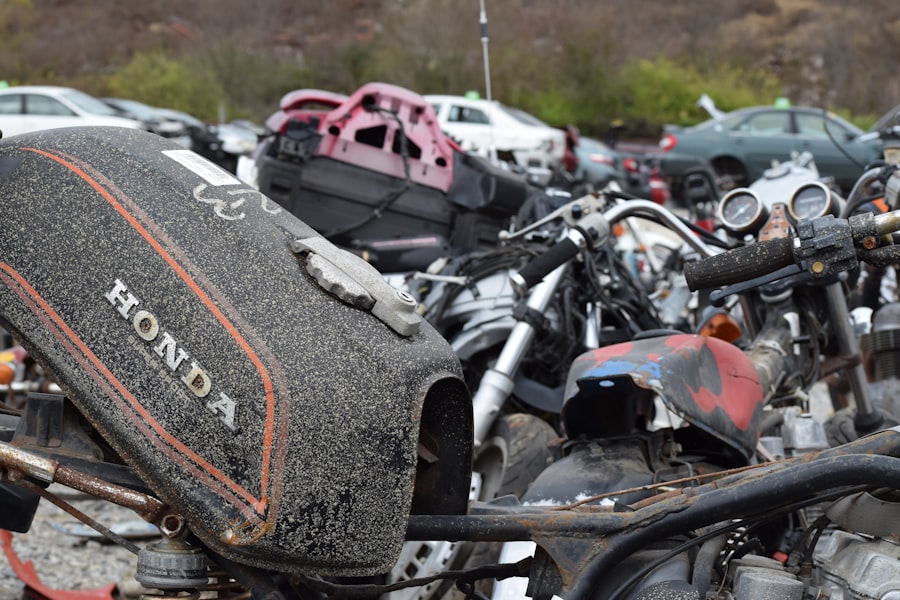
While metal forms the bulk of a junkyard’s offerings, the exploration doesn’t stop there. Closer inspection reveals a wealth of other materials, each with its own set of potential applications and stories. These components, often overlooked by those solely focused on scrap value, represent a different layer of the “worthless goldmine.”
The Anatomy of a Vehicle: A Component’s Second Life
Cars, in particular, are intricate machines composed of thousands of individual parts. Beyond the chassis and engine block, there are countless elements that can be salvaged for reuse. I’ve developed a keen eye for specific components that, while no longer functional in their original vehicle, retain immense potential for repurposing.
Salvageable Vehicle Components
- Glass: Windshields, windows, and mirrors, though often cracked, can sometimes be repurposed for artistic projects or specific industrial applications if intact and of suitable size and type.
- Rubber: Tires, hoses, and seals, while degraded by time, can occasionally be found in usable condition for less critical applications or can be broken down for their constituent materials.
- Plastics: Interior plastics, trim pieces, and dashboard components, while often brittle, can be utilized in crafts or for creating molds and jigs.
- Fasteners and Hardware: Nuts, bolts, screws, and brackets are often standard sizes and can be reused in countless projects.
Industrial Scraps: A Different Kind of Raw Material
Junkyards aren’t solely filled with vehicles. Industrial sites also contribute their share of discarded machinery, equipment, and structural elements. These items, often larger and more robust, present different challenges and opportunities for salvage.
Examples of Industrial Salvage
- Gears and Bearings: Intricately machined components that can be cleaned and reused in mechanical projects or used as decorative elements.
- Pipes and Tubing: Metal pipes of various sizes can be cut, welded, and repurposed for structural or decorative uses.
- Sheet Metal: Larger sheets of steel or aluminum from industrial equipment can be cut and fabricated into custom parts or structures.
Everyday Objects: The Ghosts of Domesticity
Less frequent, but equally fascinating, are the remnants of domestic life that sometimes find their way into industrial salvage yards. These include discarded appliances, tools, and even bits of furniture.
Domestic Remnants with Potential
- Appliance Components: Motors, heating elements, and sturdy metal casings from refrigerators, washing machines, and ovens can be repurposed.
- Hand Tools: Rusted but still functional hand tools can often be restored with careful cleaning and lubrication.
The Art of Transformation: From Junkyard to Workbench

The true “gold” in this junkyard goldmine isn’t the material itself, but the potential for transformation. It requires a shift in perspective, recognizing that a discarded object is not an end, but a beginning. My workshop, a testament to this philosophy, is filled with the fruits of these explorations.
Repurposing and Upcycling Strategies
The process of transforming salvaged materials is often referred to as upcycling, giving new life and often increased value to an object or material. This contrasts with recycling, where materials are broken down into their raw state to create new products.
Common Upcycling Techniques
- Cleaning and Restoration: Thorough cleaning, removal of rust and grime, and application of protective coatings are often the first steps in restoring a salvaged item.
- Fabrication and Modification: Cutting, welding, drilling, and shaping materials to fit new purposes is a core skill in working with salvaged components.
- Assembly: Combining different salvaged parts to create something entirely new, often with a functional or artistic purpose.
- Finishing: Painting, polishing, or otherwise enhancing the aesthetic appeal of repurposed items.
Inspiring Projects Born from Discarded Items
The possibilities are virtually limitless. I’ve built custom furniture from old car parts, created unique lighting fixtures from discarded industrial components, and even incorporated reclaimed metal into architectural elements. Each project is a dialogue between the original purpose of the material and its new intended function.
Examples of Creative Interventions
- Automotive Furniture: Coffee tables crafted from engine blocks, chairs made from vintage car seats, and lamps fashioned from exhaust pipes.
- Industrial Art: Sculptures created from gears, pipes, and sheet metal, evoking a sense of industrial heritage.
- Functional Decor: Shelving units constructed from old radiators, wall art made from hubcaps, and planters fashioned from brake drums.
The concept of finding value in what seems like worthless junk is beautifully illustrated in the article about how a seemingly abandoned junkyard turned out to be a treasure trove for collectors and enthusiasts. This transformation highlights the idea that one person’s trash can truly be another’s treasure. For more insights on this fascinating topic, you can read the full story in this related article.
The Ethical and Environmental Imperative
| Metric | Value | Description |
|---|---|---|
| Junkyard Size | 5 acres | Total area of the junkyard |
| Number of Items | 10,000+ | Count of scrap and salvageable items |
| Valuable Components Found | 350 | Count of rare or valuable parts extracted |
| Estimated Worth | High | Overall value of the junkyard’s contents |
| Scrap Metal Weight | 20 tons | Total weight of recyclable metals |
| Unique Finds | 15 | Rare or one-of-a-kind items discovered |
| Potential Profit Margin | 75% | Estimated profit from selling valuable items |
My fascination with junkyards is not solely driven by creative impulse or economic pragmatism. There’s a growing awareness of the environmental impact of our consumer culture, and the salvage industry plays a crucial role in mitigating this. By diverting materials from landfills and giving them a second life, I feel I am contributing, in my own small way, to a more sustainable future.
Reducing Waste and Landfill Burden
The sheer volume of waste generated by modern society is a pressing global issue. Junkyards act as a repository for these discarded items, and by actively salvaging materials, I am directly contributing to reducing the amount of waste that ends up in landfills. This not only conserves valuable land but also reduces the potential for environmental contamination.
The Longevity of Materials
Many of the materials found in junkyards, particularly metals, are incredibly durable. When they are discarded after a relatively short lifespan, it represents a significant loss of embedded energy and resources. Repurposing these materials extends their utility far beyond their initial design, embodying a principle of resourcefulness.
The Circular Economy in Practice
The concept of a circular economy, where resources are kept in use for as long as possible, extracting the maximum value from them whilst in use, then recovering and regenerating products and materials at the end of each service life, is increasingly important. Junkyards are, in many ways, practical examples of this principle in action. They are places where materials that would otherwise be considered “end-of-life” are made available for reinvention.
My Role in a Resource-Conscious Society
By actively engaging in salvaging, I am participating in a system that prioritizes reuse and regeneration over disposal. This mindset, when adopted by individuals and industries alike, is crucial for building a more sustainable and resource-efficient world. The “worthless” items in a junkyard are, in essence, a testament to our capacity for reimagining and rebuilding.
The Enduring Appeal: A Continuous Discovery
My relationship with the junkyard is one of continuous discovery. Each visit, each new pile of discarded items, presents a fresh opportunity to learn, to create, and to connect with the past. It’s a place where the ordinary becomes extraordinary, and where the forgotten holds immense potential. This is why I truly believe that a junkyard, when viewed through the right lens, is a veritable goldmine, brimming not with glittering jewels, but with the raw, untamed promise of what can be.
The Thrill of the Hunt
There’s an undeniable thrill in the search. It’s like being an archeologist of the modern age, carefully sifting through the layers of discarded history. You never know what you might find. A rare component for a long-forgotten machine, a unique piece of metal with an interesting patina, or simply an object that sparks a new creative idea – the possibilities are always there, waiting to be unearthed.
Fostering a Mindset of Resourcefulness
This pursuit has fundamentally altered my perception of “waste.” I now see potential where others see refuse. It has fostered a deep sense of resourcefulness, encouraging me to find solutions and create value from what is readily available, rather than always seeking new purchases. This mindset is a valuable asset, not just in the workshop, but in all aspects of life.
A Legacy of Creation
Ultimately, my work with salvaged materials is about more than just finding interesting items. It’s about the act of creation, of breathing new life into forgotten objects, and of leaving a tangible mark of my efforts. The “hidden treasure” in a junkyard is not just in the materials themselves, but in the stories they can tell, the new forms they can take, and the enduring legacy of human ingenuity that they represent.
FAQs
What is the main idea behind the phrase “the worthless junkyard was a goldmine”?
The phrase suggests that a place or item initially considered useless or worthless, like a junkyard, actually contains valuable resources or opportunities, much like a goldmine.
How can a junkyard be considered a goldmine?
A junkyard can be considered a goldmine if it contains valuable scrap materials, rare parts, or items that can be recycled, repurposed, or sold for profit, turning what seems like waste into wealth.
What types of valuable materials are commonly found in junkyards?
Common valuable materials found in junkyards include metals like copper, aluminum, steel, and sometimes precious metals, as well as reusable automotive parts, electronics, and machinery components.
Why do some people overlook the value in junkyards?
People may overlook the value in junkyards because the items appear old, broken, or discarded, leading to assumptions that they have no worth or use, without recognizing the potential for recycling or restoration.
What skills or knowledge are helpful for turning a junkyard into a profitable venture?
Skills such as metalworking, mechanical repair, knowledge of recycling markets, and the ability to identify valuable parts or materials are helpful for extracting value and making a junkyard profitable.