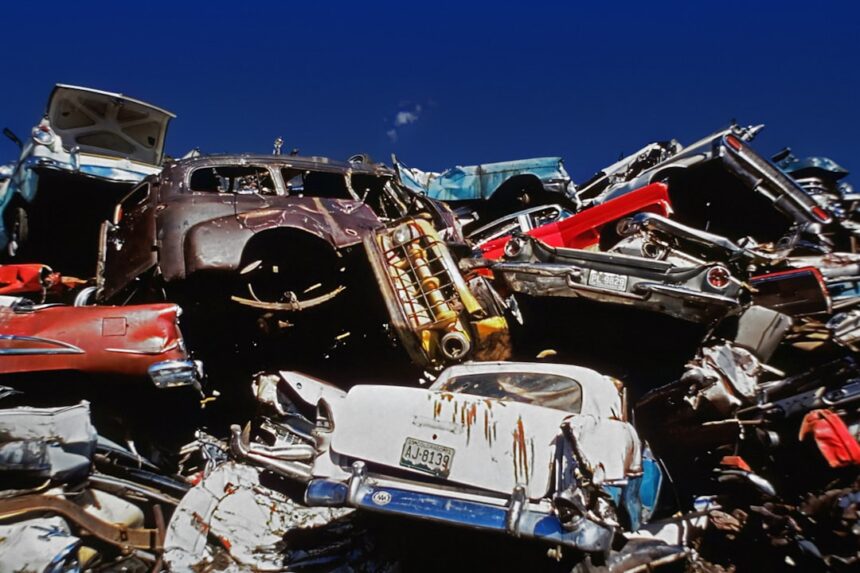
A sprawling testament to decades of accumulation, my family’s junkyard, a place that has been the bedrock of my existence, is now facing a legal tempest. It’s not merely a plot of land filled with discarded vehicles and forgotten machinery; it’s an ecosystem, a living, breathing entity that holds the echoes of generations. Now, those echoes are being challenged by a tide of legal demands, threatening to sweep away the very foundations of our heritage.
My earliest memories are painted in the hues of weathered metal and the distinct scent of oil. This junkyard isn’t just a business; it’s the tangible history of my family, a chronicle etched in the chassis of rusting cars and the silent dignity of aging tractors. It was my grandfather’s dream, a vision born from necessity and a keen eye for potential in what others deemed waste. He saw not junk, but resources. He saw not an eyesore, but an opportunity. This place, over the years, has been my sandbox, my classroom, and my inheritance. It is where I learned the value of hard work, the ingenuity of repurposing, and the quiet satisfaction of building something enduring from the fragments of the past. The sheer scale of it, the mountains of metal that stretch towards the horizon, always felt like a protective shell, a fortress against the ephemeral nature of modern life. We are custodians of this sprawling monument to resourcefulness, a stark contrast to the disposable culture that now dominates our society.
A Legacy Forged in Scrap
Born into this environment, I absorbed its rhythm and its logic. The clang of hammers, the roar of engines being dismantled, the careful sorting of reusable parts – these were the lullabies of my childhood. My father, inheriting the mantle, expanded the operation, driven by the same unwavering principle: nothing is truly lost, only waiting to be reborn. He instilled in me a profound respect for the land and the materials it held, teaching me that every piece, no matter how small or corroded, had a story and a potential purpose. This junkyard is more than just a collection of items; it’s a tapestry woven from the threads of our family’s perseverance. It’s a place where we’ve weathered storms, both literal and metaphorical, always finding a way to adapt and survive. The sheer density of our collection speaks volumes about our commitment to sustainability, a concept that is now fashionable but for us, has been a way of life for generations.
The Ecosystem of Rediscovery
The junkyard is not a static landscape. It’s a dynamic ecosystem where nature has begun to reclaim its territory. Wildflowers bloom defiantly through cracked asphalt, and birds build their nests in the hollowed-out husks of old vehicles. This natural integration is not an accident; it’s a testament to the living, breathing quality of our operation. We have always strived to coexist with our environment, understanding that our presence, while industrial, need not be destructive. The sheer volume of materials we process can be overwhelming to an outsider, a chaotic labyrinth of forgotten dreams. But to me, it’s a meticulously organized archive, a puzzle where every piece fits into a larger, intricate design. We’ve developed a unique understanding of this complex web, knowing where to find specific components, how to salvage them efficiently, and how to ensure that our operations have minimal impact on the surrounding flora and fauna.
In a recent legal battle over a family junkyard, tensions have escalated as relatives dispute ownership and management rights. This case highlights the complexities of inheritance and property laws, particularly when it comes to unconventional assets like junkyards. For further insights into similar legal disputes and their implications, you can read the related article at this link.
The Shadow of the Law Descends
For years, we operated in a relative peace, our existence a quiet hum in the background of the bustling world. But recently, a new element has entered our narrative, a somber chord disrupting the familiar melody: legal scrutiny. A series of official pronouncements, wrapped in bureaucratic language, have descended upon us like a sudden downpour, threatening to flood the foundations we’ve so carefully built. These aren’t minor infringements; they are substantial challenges to the very legality of our continued operation, casting a long shadow over our future. It feels as though the world, which once turned a blind eye to our existence, has suddenly decided to focus its harsh, unyielding gaze upon us.
Declarations and Demands
The initial missives were politely worded notices, citing regulations we hadn’t fully grasped or, in some cases, had fallen out of compliance with due to outdated practices. We tried to address them, to tidy up the edges, to ensure our paperwork was in order. But these were just the first drops in a growing deluge. The subsequent communications escalated in tone and rigor. Suddenly, we were faced with official investigations, lengthy questionnaires, and stringent deadlines. It felt as though we were being treated as an anomaly, a relic out of time, rather than a long-standing and functional part of the local economy. The sheer volume of legal jargon and technicalities presented a formidable barrier, a labyrinth designed to disorient and overwhelm.
The Barrage of Allegations
The core of the issue, as we understand it, revolves around a complex web of environmental regulations and land-use zoning ordinances. While we have always prided ourselves on our responsible practices, the legal framework has evolved, and our traditional methods, honed over decades, are now being scrutinized under a new, unforgiving lens. Allegations range from improper storage of hazardous materials – something we’ve always taken pains to manage, albeit with older, less advanced systems – to concerns about potential runoff polluting nearby water sources. These are serious accusations, and while we believe they are either exaggerated or based on misunderstandings, they carry significant weight in the legal arena. It’s like being accused of poisoning a well when you’ve only ever drawn water from it yourself for generations.
Navigating the Legal Labyrinth

The legal battle we face is akin to navigating a dense, uncharted jungle. Every step is fraught with potential pitfalls, and the path forward is obscured by the tangled vines of legislation and precedent. We are not warriors, trained in the art of legal combat, but rather tenders of a business built on tangible labor and honest dealing. The abstract nature of legal proceedings, the reliance on abstract principles and interpretations, feels fundamentally at odds with the concrete reality of our work. We are trying to decipher a language that is not our own, a language spoken in hushed tones in sterile rooms, far removed from the open air and the honest dirt of our junkyard.
The Role of Counsel
Recognizing the gravity of the situation, our first course of action was to seek professional guidance. We have engaged legal counsel, experienced individuals who are now our navigators in this alien terrain. They are the ones who can translate the legalese into understandable terms, who can identify the strengths and weaknesses of our position, and who can chart a strategic course through the legal quagmire. Their expertise is invaluable, their presence a much-needed anchor in the storm. However, even with their guidance, the process is slow, often frustrating, and inherently costly. The legal profession, with its specialized knowledge and fee structures, can feel like another insurmountable barrier for a family business.
Precedent and the Weight of History
Our legal team is meticulously examining existing case law, searching for precedents that might support our position or, conversely, set unfavorable examples. The history of junkyards, of scrap metal operations, and of land use in our region is being dissected, argument by argument. We are discovering that our business, a cornerstone of our family’s identity, is being viewed through the prism of an evolving legal landscape, one that often prioritizes neat, uniform development over the weathered charm of established, pragmatic operations. The weight of precedent can be a heavy burden, like an ancient stone that presses down, dictating the shape of what can and cannot be.
The Stakes: More Than Just Property
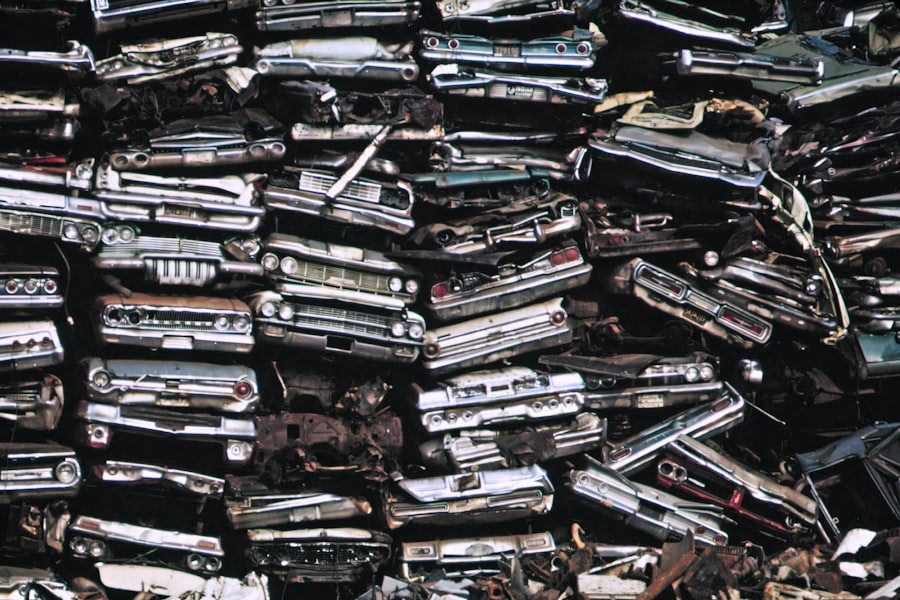
The implications of this legal battle extend far beyond the confines of our property lines. The stakes are monumentally high, encompassing not just the financial viability of our business but also the preservation of our family’s legacy and the livelihoods of those who depend on us. This junkyard has been more than just a source of income; it has been a source of pride, a symbol of resilience, and a tangible connection to our roots. Losing it would be like severing a vital artery.
Economic Repercussions
The immediate economic impact is undeniable. We are incurring significant legal fees, diverting resources that could otherwise be invested in upgrades or expansion. Beyond that, there is the specter of fines, potential remediation costs, and, in the worst-case scenario, the forced closure of our operation. The ripple effect of such a closure would be felt throughout our local community, impacting suppliers, transport companies, and the families of our employees. Many of our long-term workers have been with us for decades, their skills honed by their time here. To displace them would be a betrayal of the loyalty they have shown us.
The Erosion of Heritage
Perhaps more distressing than the financial concerns is the potential erosion of our heritage. This junkyard is a living museum, a testament to generations of hard work, ingenuity, and a deep-seated commitment to resourcefulness. To see it dismantled or legally rendered unusable would be a profound loss, a silencing of our family’s story. It’s the equivalent of a library being told to burn its books because the shelves are not uniformly manufactured. The intangible value of this place, the pride and identity it has fostered for so many years, is immeasurable. It’s a physical embodiment of our family’s journey, and its loss would leave a gaping void.
In a recent legal battle over a family junkyard, tensions have escalated as relatives clash over ownership and management rights. This dispute has drawn attention not only for its emotional stakes but also for the implications it holds for local zoning laws and environmental regulations. For a deeper understanding of the complexities involved in such family disputes, you can read more in this insightful article about similar cases at family-owned businesses facing legal challenges.
The Path Forward: Resilience and Hope
| Metric | Details |
|---|---|
| Case Name | Smith Family vs. Johnson Family Junkyard Dispute |
| Location | Springfield, Illinois |
| Start Date | January 15, 2023 |
| Current Status | Ongoing |
| Number of Parties Involved | 4 (2 families) |
| Legal Issues | Property ownership, environmental regulations, zoning laws |
| Number of Court Hearings | 5 |
| Estimated Legal Costs | 150,000 |
| Environmental Impact Assessments Conducted | 2 |
| Expected Resolution Date | December 2024 |
Despite the daunting challenges, a spirit of resilience permeates our family and our operation. We are not a family that folds easily under pressure. This junkyard has taught us the art of endurance, the ability to find value even in the most challenging circumstances. While the legal storm rages, we are determined to weather it, to fight for our right to continue our legacy, and to emerge on the other side, perhaps changed, but unbroken. The path ahead is uncertain, a winding road shrouded in mist, but we hold onto a flicker of hope, a steadfast belief in the righteousness of our cause and the enduring strength of our family’s commitment. We are like the old metal we salvage, battered and worn by time, but still possessing an inherent strength and the potential for a renewed purpose, if only given the chance. We will continue to advocate for our position, to work with the authorities to find resolutions, and to protect the legacy that has defined us for so long. The fight is far from over.
FAQs
What is a legal battle over a family junkyard?
A legal battle over a family junkyard typically involves disputes among family members regarding ownership, management, or inheritance of the junkyard property and business operations.
What are common causes of disputes in family junkyard legal battles?
Common causes include disagreements over property rights, division of profits, succession planning, business decisions, and unresolved inheritance issues.
Who can be involved in a family junkyard legal dispute?
Family members such as siblings, parents, children, or extended relatives who have a stake in the junkyard business or property can be involved in the dispute.
What legal actions are commonly taken in these disputes?
Legal actions may include filing lawsuits for ownership claims, seeking court orders for business management, mediation or arbitration to resolve conflicts, and probate court proceedings for inheritance matters.
How can families prevent legal battles over a junkyard?
Families can prevent disputes by creating clear ownership agreements, establishing formal business structures, drafting wills or trusts, maintaining open communication, and seeking legal advice for succession planning.