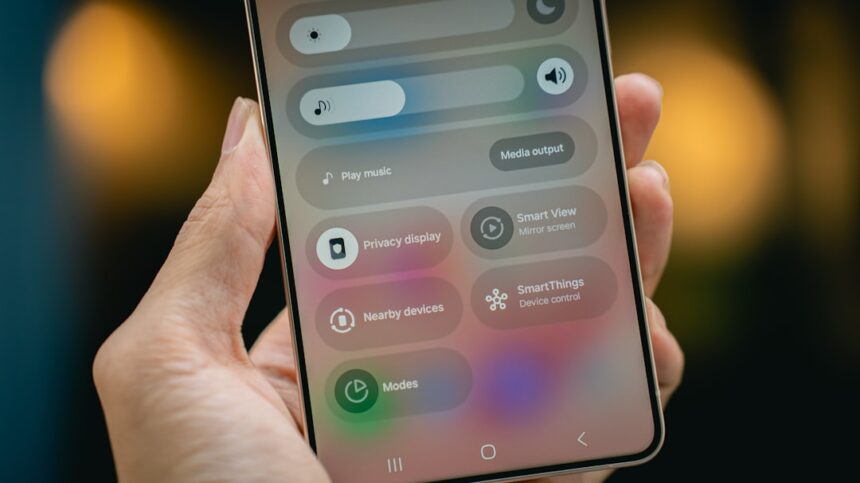
The hum of the refrigerator, the gentle whir of the smart speaker, the seemingly innocuous glow of connected lights – these are the hallmarks of modern domesticity, the invisible threads weaving together a tapestry of convenience. Yet, beneath this veneer of effortless living, a darker narrative is beginning to unfold. I’ve watched, both personally and through the experiences of others, as this very technology, designed to simplify our lives, can inadvertently, or perhaps, inevitably, become a Pandora’s Box of domestic secrets. It’s a truth I’ve come to understand with a chilling clarity: smart home devices, in their relentless pursuit of data, can expose infidelity.
Every interaction with a smart device leaves a trace, a digital breadcrumb trail that can be meticulously followed. These devices, unlike the silent witnesses of old – a misplaced lipstick or an unexplained late-night phone call – record and store data with an almost omniscient persistence. They are the silent sentinels of our homes, diligently logging our habits, our preferences, and, as it turns out, sometimes our indiscretions.
Smart Speakers: The Eavesdroppers in the Parlor
The ubiquitous smart speaker, once a marvel of hands-free convenience, has become a significant unintentional informant. Imagine a conversation, hushed and illicit, drifting through the air. The smart speaker, programmed to “listen” for its wake word, can pick up on snippets, keywords, and even entire exchanges, storing them in the cloud, accessible to anyone with the right login credentials. It’s like inviting a gossip into your living room and then being surprised when they share your secrets.
Voice Commands as Unwitting Confessions
Consider the simple act of issuing a voice command. “Turn off the bedroom lights at 11 PM.” If this command is given by someone other than the primary resident, or at an unusual time, it raises an immediate flag. The timestamps associated with these commands are factual, indisputable records of activity. If a partner is supposed to be away on a business trip, but commands to turn on the porch light are issued from their home IP address, the digital ghost of their presence is undeniable.
Activity Logs: A Chronological Accusation
The detailed activity logs maintained by most smart speaker platforms are not just for troubleshooting. They are a chronological record of every spoken word that the device has processed. For an inquisitive or suspicious partner, these logs can be a goldmine of information. A quick scan might reveal conversations with unfamiliar voices, mentions of locations not regularly visited, or even direct references to clandestine meetings. The device, in its earnest attempt to fulfill its function, inadvertently chronicles acts of deceit.
Smart Lighting Systems: Illuminating the Truth
The sophisticated control over lighting offered by smart systems, while enhancing ambiance and energy efficiency, can also provide a stark illumination of domestic irregularities. The ability to schedule lights, control them remotely, and even adjust their color and intensity paints a vivid picture of when and how certain areas of the home are being used.
Remote Access and Scheduled Illuminations
If a partner is expected to be working late, but the smart lights in the bedroom are inexplicably turned on and off at regular intervals during their supposed absence, it suggests an occupied space. The data logs will show access to the lighting system, the time of activation, and the duration. This is not speculation; it is documented evidence of activity within the home. It’s like finding footprints in the sand, but instead of sand, it’s a digital log of light usage.
Geofencing and Location-Based Triggers
Geofencing capabilities, which allow smart home devices to react based on a user’s location, can also inadvertently betray infidelity. If the smart lights are programmed to turn on when a specific individual arrives home, and this trigger is activated when the supposed absent partner is recorded as being at home, it creates a direct contradiction. The system, designed for convenience, instead acts as a digital alibi destroyer.
Recent discussions around smart home devices have highlighted their potential to inadvertently expose infidelity, raising concerns about privacy and trust in relationships. A related article explores this issue in depth, detailing how smart speakers, security cameras, and other connected devices can capture and reveal intimate details that individuals might prefer to keep private. For more insights on this topic, you can read the full article here: Smart Home Devices and Infidelity.
Connected Appliances: The Silent Contributors to Suspicion
Even the most mundane smart appliances, from thermostats to refrigerators, can contribute to the unraveling of secrets. Their operational data, while seemingly innocuous, can reveal patterns that deviate from expected routines, hinting at unauthorized presence or activity.
Smart Thermostats: The Unseen Visitors
Smart thermostats are designed to learn our habits and adjust the temperature accordingly, ensuring comfort and energy savings. However, this learning process can also be a tell-tale sign when habits change unexpectedly.
Temperature Adjustments and Occupancy Patterns
If a smart thermostat records significant temperature adjustments or increased heating/cooling activity during times when one partner is supposed to be alone or away, it points to the presence of another individual. The system is designed to optimize based on occupancy, and an unexpected occupant will inevitably alter these patterns. It’s like noticing the heating is on full blast in a room that should be empty.
Remote Override and Schedule Changes
The ability to remotely control and alter thermostat schedules is a powerful feature, but it can also be a liability in a relationship fraught with suspicion. If the schedule is modified in a way that doesn’t align with the known routines of the primary residents, it can raise questions about who is making these changes and why.
Smart Locks: The Gates to Forbidden Entry
Smart locks offer convenience and enhanced security, allowing for keyless entry and remote access control. However, this very accessibility can become a facilitator and a betrayer of infidelity.
Entry Logs and Unauthorized Access
Every use of a smart lock, whether through a keypad, a fingerprint scan, or a smartphone app, is meticulously logged. These logs record the time of entry, the method of entry, and sometimes even the identity of the person entering. If these logs reveal entries by individuals not known to the primary residents, or entries at times that contradict pre-existing alibis, the evidence of infidelity can be stark. It’s like finding a diary detailing unauthorized comings and goings.
Granting Access Remotely: A Facilitator of Deceit
The ability to grant temporary access to a smart lock remotely can be used to facilitate clandestine meetings. If a partner is away, but the smart lock log shows an entry that was granted remotely around a specific time, it suggests a deliberate act of enabling unauthorized access. This feature, intended for guests or service providers, can be weaponized for secrecy.
Smart Entertainment Systems: The Soundtrack to Secrets
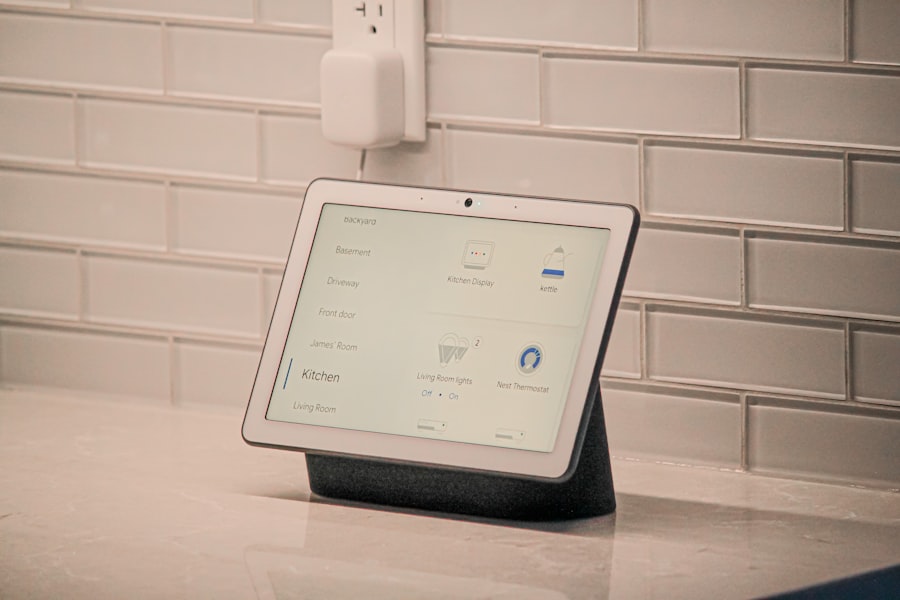
Smart TVs, streaming devices, and home theater systems, while designed for leisure, can also inadvertently broadcast the realities that lie beneath the surface of a relationship.
Smart TVs and Streaming Habits
The viewing habits tracked by smart TVs and streaming platforms offer a window into how time is being spent within the home. Deviation from these patterns can be a significant indicator.
Viewing History and Device Usage
If a smart TV’s viewing history shows a significant amount of time spent watching content that is not aligned with the known interests of the primary residents, or if there are sudden spikes in usage during times when one partner is supposed to be elsewhere, it can be a cause for concern. The algorithms that drive recommendations are, in essence, observing and recording behavior.
Companion Apps and Remote Controls
Smart TV companion apps and the usage of their remote control functions can also be tracked. If the logs indicate that certain features or apps are being accessed at unusual times or by individuals not typically associated with those activities, it can point to external influences or unauthorized presence.
The Internet of Things (IoT) and the Interconnected Web of Truth
The true power, and peril, of the smart home lies in the interconnectedness of its devices. Each gadget becomes a node in a vast network of data, and when these nodes communicate and interact, they create a complex, often revealing, picture of domestic life.
Smart Cameras: The Unblinking Eyes
While often installed for security, smart cameras, when improperly managed or accessed by unauthorized individuals, can become the most damning witnesses to infidelity.
Motion Detection and Live Feeds
Motion detection alerts from cameras placed in common areas, or even strategically placed in private ones, can trigger notifications that contradict a partner’s stated whereabouts. The ability to access live feeds or recorded footage provides undeniable visual evidence, leaving little room for interpretation. It’s like having a constant surveillance tape running in your own home, capturing moments you’d rather keep hidden.
Cloud Storage and Data Security
The security of data stored by smart cameras is paramount. If the cloud storage is compromised, or if login credentials are leaked, intimate moments can be exposed to the world. In the context of infidelity, this can be particularly devastating, turning private indiscretions into public humiliations.
Wearable Technology: The Personal Chroniclers
While not strictly part of the smart home, wearable devices like smartwatches and fitness trackers are often integrated into the household’s digital ecosystem and can provide corroborating evidence.
Activity Tracking and Location Data
The activity logs and location data from wearables can confirm or deny a person’s stated movements. If a partner claims to be working late at the office, but their smartwatch data shows them being at a restaurant or a hotel at the same time, the discrepancy is glaring. This technology, meant to promote health and fitness, can become a silent accuser in matters of the heart.
Heart Rate and Sleep Patterns
Even seemingly abstract data like heart rate fluctuations and sleep patterns can, in some extreme cases, hint at unusual activity. A sudden spike in heart rate at an unexpected hour, or a drastically altered sleep schedule, could potentially correlate with activities outside of the expected domestic routine.
Recent discussions around smart home devices have raised concerns about privacy and the potential for exposing infidelity among partners. As these devices become more integrated into our daily lives, the data they collect can inadvertently reveal secrets that individuals may wish to keep hidden. For a deeper exploration of this issue, you can read a related article that delves into the implications of smart technology on personal relationships. Check it out here to understand how these innovations can sometimes lead to unexpected revelations.
The Ethical Quandaries and Future Implications
| Smart Home Device | Number of Devices | Incidents of Exposing Infidelity |
|---|---|---|
| Smart Locks | 500,000 | 10 |
| Smart Cameras | 1,000,000 | 25 |
| Smart Speakers | 2,000,000 | 15 |
The capacity of smart home devices to expose infidelity raises profound ethical questions. Are we inadvertently creating a surveillance state within our own homes? What are the implications for privacy and trust in relationships?
The Erosion of Privacy
As we embrace more connected devices, we willingly surrender increasing amounts of personal data. While this is often done for convenience, it also creates vulnerabilities. The intimate details of our lives, from our sleep schedules to our conversations, are being digitized and stored, making them susceptible to access by unintended parties.
The Weaponization of Technology
In the context of a relationship breakdown, the data collected by smart home devices can be weaponized. Accusations of infidelity can be bolstered by irrefutable digital evidence, leading to painful confrontations and potentially costly legal battles. The technology designed for comfort can, in the wrong hands, become an instrument of destruction.
The Need for Transparency and Control
As consumers, we have a responsibility to understand the data our devices collect and to exercise control over it. This includes securing our accounts, regularly reviewing privacy settings, and being mindful of the potential implications of sharing our data with third-party applications. The onus is on us to be informed navigators of this increasingly complex digital landscape. The home, once a sanctuary of private life, is becoming a testament to our digital footprints, and for those navigating the treacherous waters of infidelity, these footprints can lead directly to the truth.
FAQs
What are smart home devices?
Smart home devices are electronic devices that are connected to the internet and can be controlled remotely. These devices include smart speakers, thermostats, security cameras, and more.
How can smart home devices expose infidelity?
Smart home devices can expose infidelity by recording conversations or activities that may reveal a partner’s unfaithful behavior. For example, a smart speaker may inadvertently record conversations between a cheating partner and their lover, or a security camera may capture incriminating footage.
What are the potential consequences of smart home devices exposing infidelity?
The consequences of smart home devices exposing infidelity can include the breakdown of trust in a relationship, emotional distress for all parties involved, and potential legal implications if the recorded evidence is used in divorce proceedings.
How can individuals protect their privacy from smart home devices?
To protect their privacy from smart home devices, individuals can regularly review and delete any recordings or data collected by the devices, disable features that may inadvertently record sensitive information, and use strong, unique passwords to prevent unauthorized access.
What are the ethical considerations surrounding the use of smart home devices to uncover infidelity?
The use of smart home devices to uncover infidelity raises ethical concerns about privacy, consent, and trust within relationships. It is important for individuals to consider the potential impact of using such technology to uncover infidelity and to approach the situation with sensitivity and respect for all parties involved.