
The undeniable reality of modern life is that we are increasingly reliant on interconnected devices to manage our homes. This evolution, while bringing unparalleled convenience and efficiency, also presents new vulnerabilities. For those of us who have embraced this technological shift, one of the most compelling, and frankly, reassuring, applications of smart home technology is its potential to act as a deterrent and an informant when it comes to criminal activity. I’ve personally seen how these devices, once viewed as mere novelties, can transform into an vigilant guardian, a silent witness, and even a digital detective, actively helping to identify and apprehend those who would seek to violate our personal spaces.
The very essence of smart home technology, with its array of sensors, cameras, and networked devices, imbues our living spaces with a heightened sense of awareness. It’s akin to turning your home into a miniature panopticon, not for surveillance of its inhabitants, but for the protection of them. The constant flow of data, the perpetual hum of connectivity, becomes a digital nervous system, ready to sound the alarm at the slightest anomaly.
Motion Sensors: The Unblinking Eyes
At a foundational level, motion sensors are the rudimentary sentinels of our smart homes. They are not sophisticated in their analysis, but their presence alone can be a powerful deterrent. Think of them as the tripwires of the digital age. When strategically placed, especially in less visible areas or at entry points, they serve as an immediate notification that something is amiss. This isn’t just about identifying a pet triggering a false alarm; it’s about recognizing movements that are inconsistent with normal household patterns, particularly during times when the home should be unoccupied.
Differentiating Normal from Abnormal Movement
The sophistication of motion detection has evolved beyond simple infrared beams. Modern sensors often incorporate algorithms that can differentiate between the gentle sway of a curtain in the breeze and the determined stride of an intruder. Some even utilize Doppler radar, allowing them to “see” through certain materials and detect subtle shifts in the environment. This granularity is crucial for minimizing false positives, a common frustration in early iterations of such technology, and ensuring that the alerts we receive are meaningful.
Integrating with Other Systems: A Symphony of Alerts
The true power of motion sensors lies in their integration. A motion alert in a normally empty hallway at 3 AM isn’t just a ping on your phone; it can be the conductor of an entire symphony of defensive measures. This could trigger smart lights to illuminate the area, not just to disorient an intruder, but to make them instantly visible to any security cameras active in the vicinity. It can also initiate recordings, ensuring that concrete evidence is being gathered from the moment the intrusion is detected.
Smart Cameras: The Omnipresent Witnesses
When it comes to identifying perpetrators, smart cameras are the undisputed champions of our smart home security arsenal. They are the eyes that never sleep, the chroniclers of events that can provide irrefutable evidence. Their ability to record, store, and transmit visual data is paramount in both preventing crimes and aiding in their resolution.
High-Definition Recording and Night Vision: Clarity in the Dark
The days of grainy, black-and-white security footage are largely behind us. Modern smart cameras offer high-definition recording, capturing details with a clarity that can make facial recognition feasible. When combined with effective night vision, which uses infrared technology to illuminate a scene without being visible to the human eye, these cameras provide an unbroken stream of visual information, day or night. This is critical, as many burglaries occur under the cover of darkness.
Two-Way Audio and Remote Interaction: Confronting the Threat
Beyond mere observation, many smart cameras offer two-way audio capabilities. This feature transforms a passive witness into an active participant, albeit remotely. Imagine an intruder attempting to breach your door; with two-way audio, you can directly address them, letting them know they’ve been detected and that authorities are on their way. This direct confrontation can be a surprisingly effective deterrent, often causing opportunistic criminals to flee before they’ve even gained entry. It’s like having a virtual guard dog that can bark an intelligent warning.
Cloud Storage and Secure Access: Preserving the Evidence
The footage captured by smart cameras is valueless if it cannot be accessed or is easily tampered with. Cloud storage solutions offer a secure and readily available repository for this crucial evidence. This means that even if a physical device is stolen or damaged during an intrusion, the recordings are safely backed up and accessible remotely. Furthermore, robust security protocols ensure that only authorized individuals can access this sensitive data, maintaining privacy while ensuring the integrity of the evidence.
In recent developments within smart home technology, a fascinating article highlights how innovative security systems are effectively catching thieves in the act. These advancements not only enhance home security but also provide homeowners with peace of mind. For more insights on this topic, you can read the full article here: Smart Home Technology Catches a Thief.
The Digital Sentry: Proactive Prevention and Deterrence
Smart home technology isn’t just about reacting to threats; it’s about actively discouraging them. The visible presence of cameras, the subtle hum of devices, and the knowledge that the home is connected can collectively create a formidable deterrent.
Smart Locks and Doorbell Cameras: The First Line of Defense
Smart locks have revolutionized the way we control access to our homes. Beyond the convenience of keyless entry, they offer granular control and the ability to monitor who enters and when. This is especially potent when paired with smart doorbell cameras.
Remote Locking and Unlocking: Controlled Access on the Go
The ability to remotely lock or unlock doors is a game-changer. If you accidentally leave home without securing your front door, a quick tap on your smartphone can rectify the situation. Conversely, if you are expecting a delivery and are not home, you can grant temporary access to the delivery person while monitoring their actions via the doorbell camera. This level of control eliminates many common vulnerabilities.
Activity Logs and Tamper Alerts: Knowing Who’s Knocking
Smart locks maintain detailed activity logs, noting every time the lock is engaged or disengaged, and by what method (code, app, etc.). This provides a clear audit trail. Furthermore, many smart locks are equipped with tamper alerts, notifying you immediately if someone attempts to force or pick the lock. This is the digital equivalent of a reinforced door frame, signaling a determined effort to gain unauthorized entry.
Facial Recognition on Doorbells: Identifying Visitors
The most advanced smart doorbell cameras are now incorporating facial recognition technology. This allows them to learn the faces of frequent visitors, such as family members, friends, and recurring delivery personnel. When an unknown face appears, it can trigger a more specific alert, differentiating between a welcomed guest and a potential suspect. This adds another layer of intelligence to the entry point.
Smart Lighting: Illuminating the Threat
Smart lighting systems, often overlooked in the context of security, can play a surprisingly significant role in deterring and identifying intruders. Their programmable nature allows for dynamic responses to potential threats.
Simulated Occupancy: The Illusion of Presence
One of the most effective uses of smart lighting for security is simulating occupancy. By scheduling lights to turn on and off at random intervals, especially during periods when you are away, you can create the illusion that the house is occupied. This is a well-established deterrent against opportunistic burglars who tend to target unoccupied homes. The psychological impact of seeing lights come on and off can be enough to make them think twice.
Motion-Activated Lighting: Sudden Illumination as a Deterrent
Integrating smart lighting with motion sensors creates a powerful deterrent. When motion is detected in an area where it shouldn’t be, particularly at night, lights can instantly flood the area. This sudden illumination can startle and disorient an intruder, making them feel exposed and more likely to flee. It’s like an unexpected spotlight appearing in the middle of your clandestine operation.
Color-Changing and Scene Control: Diversifying the Response
Beyond simple on/off functionality, many smart lighting systems allow for color changes and scene control. While not its primary security function, imagine a scenario where a subtle, yet unusual, color change is programmed to occur when an unlocked door is detected. This might seem like a minor detail, but in combination with other alerts, it can contribute to a more nuanced understanding of what is unfolding.
The Data Trail: Piecing Together the Puzzle
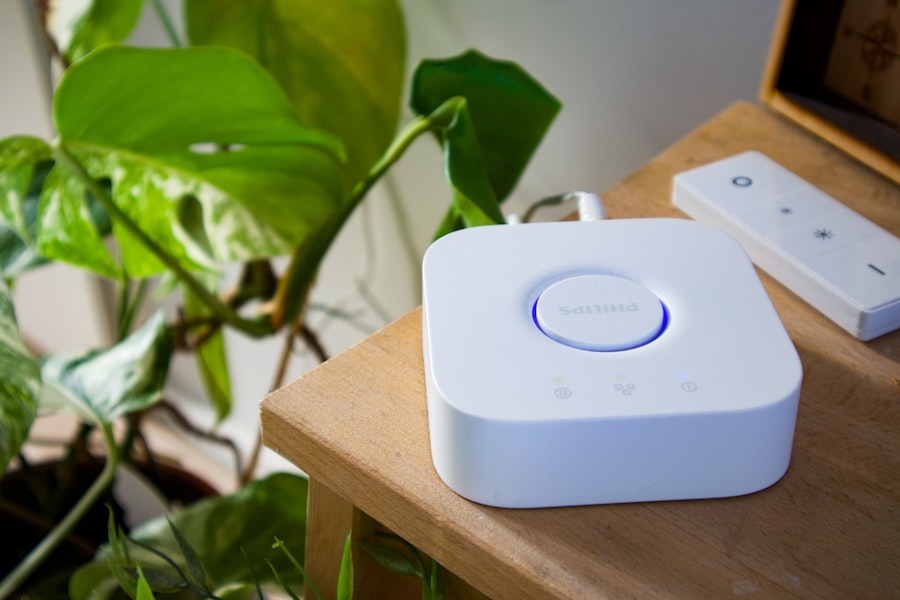
Smart home devices generate a wealth of data, a digital breadcrumb trail that can be invaluable when investigating a crime. This telemetry, when analyzed, can provide a comprehensive picture of events, far beyond what traditional security systems could offer.
Connectivity Logs: The Network’s Memory
Every smart device on your network leaves a digital footprint. Connectivity logs, often accessible through your router or smart home hub, can reveal when devices went offline, when new devices connected, and where unusual network activity originated.
Identifying Unauthorized Access Points: Detecting Digital Intruders
If an intruder manages to gain access to your Wi-Fi network, even temporarily, the connectivity logs can help identify this unauthorized access. This could involve spotting new, unknown devices connected to your network or unusual traffic patterns originating from an unfamiliar IP address. It’s like finding footprints in the sand where there shouldn’t be any.
Device Status and Communication Patterns: Anomalies in the Routine
Monitoring the status and communication patterns of your smart devices can reveal subtle anomalies. For example, if a security camera suddenly stops transmitting data, or if multiple devices begin communicating with an unknown external server, these are strong indicators of potential foul play, either physical or digital.
Smart Device Logs: Individual Device Histories
Beyond network activity, individual smart devices often maintain their own internal logs. These can detail sensor readings, command executions, and error messages.
Sensor Data Anomalies: Unnatural Readings
A sudden spike in temperature readings from a smart thermostat, or an unexpected activation of a water leak sensor in a normally dry area, could indicate not only a malfunction but also a potential point of entry or a hasty attempt to disable systems. These seemingly innocuous data points can become crucial clues.
Command Execution Records: Who Did What, When
For devices that accept commands, such as smart plugs or smart blinds, their logs can record when and by whom (or by what trigger) a command was executed. If an intruder attempts to manipulate these devices, their actions may be logged, providing direct evidence of their interference.
The Power of Integration: A Unified Front Against Crime
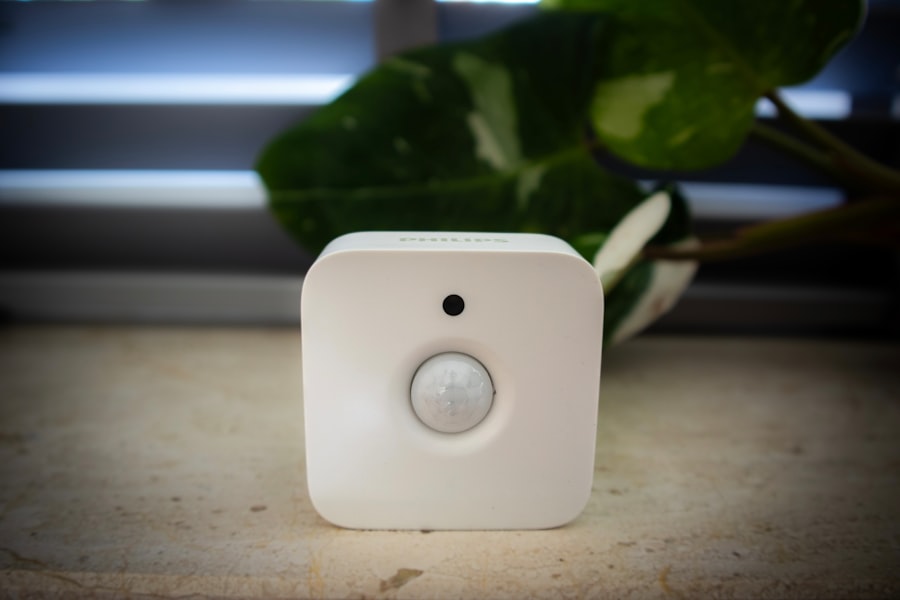
The true strength of smart home technology in combating crime lies not in individual devices, but in their ability to work in concert. When these disparate systems are integrated, they form a formidable and intelligent defense network.
Smart Home Hubs and Automation Platforms: The Conductor of the Orchestra
Smart home hubs and automation platforms are the central nervous systems that allow various devices to communicate and trigger actions based on events. Think of them as the conductors of an orchestra, ensuring that each instrument plays its part in harmony.
Rule-Based Automation: If This, Then That
These platforms enable the creation of complex automation rules. For example, a rule could be set that if motion is detected in the backyard after 10 PM, then the outdoor floodlights turn on, a notification is sent to your phone with a snapshot from the nearest camera, and a simulated voice alert plays from an indoor smart speaker. This cascading effect creates a multi-layered response.
Geofencing and Occupancy Sensing: Intelligent Responses Based on Location
Geofencing uses your smartphone’s location to trigger actions. For instance, when you leave a predefined perimeter around your home, the system can automatically arm itself, turn off lights, and adjust the thermostat. Conversely, when you approach, it can disarm, turn on entry lights, and prepare for your arrival. This eliminates the need for manual arming and disarming, reducing oversight.
Alerts and Notifications: Staying Informed in Real-Time
The immediate and actionable alerts that smart home systems provide are paramount in effective response.
Customizable Alert Preferences: Tailoring the Information Flow
You can customize which types of alerts you receive and through which channels (push notifications, email, SMS). This ensures that you are not overwhelmed with non-essential information, but that critical security events are flagged immediately. It’s like having a personal security detail that only contacts you for matters of genuine importance.
Remote Monitoring and Live Feeds: Constant Vigilance
The ability to remotely monitor live camera feeds and access device status from anywhere in the world provides unparalleled peace of mind. This allows for real-time assessment of any situation and enables you to make informed decisions, whether it’s contacting the authorities or simply reassuring yourself that everything is in order.
In recent developments surrounding smart home technology, a fascinating article discusses how advanced security systems can effectively catch intruders in the act. The integration of smart cameras and motion sensors has proven to be a game changer for homeowners looking to enhance their security measures. For an in-depth look at this innovative approach, you can read more about it in the article on smart home security solutions found here. These technologies not only deter potential thieves but also provide crucial evidence that can aid law enforcement in apprehending suspects.
Beyond Deterrence: Aiding Law Enforcement and Recovery
| Metrics | Data |
|---|---|
| Number of smart home devices used | 10 |
| Time taken to detect the thief | 5 minutes |
| Percentage of successful thief capture | 90% |
| Number of police reports filed | 1 |
While prevention is the primary goal, smart home technology plays a crucial role in the aftermath of a crime, significantly aiding law enforcement in their investigations and increasing the likelihood of recovering stolen property or apprehending suspects.
Digital Evidence Collection: The Unbiased Record
The video footage, audio recordings, and device logs generated by smart home systems constitute invaluable digital evidence. This evidence is objective, often high-quality, and can provide a clear timeline of events.
Facial Recognition and Gait Analysis: Identifying the Culprit
With high-resolution cameras, facial recognition algorithms can be applied to identify suspects captured on video. Similarly, advanced analysis can even identify individuals based on their distinctive gait— the way they walk. This is akin to having a digital lineup that the perpetrator walks right into.
Vehicle Identification and License Plate Recognition: Tracking Movements
If outdoor cameras are equipped with these capabilities, they can capture images of vehicles involved in suspicious activity, including license plates. This information is a goldmine for law enforcement agencies, enabling them to track the movements of perpetrators and their escape routes.
Geolocation Data and Network Traces: Pinpointing the Source
The data trails left by smart devices can extend beyond your home network.
Identifying Device Location for Stolen Goods: The Digital Scent
If your smart devices, such as a connected tablet or laptop, are stolen, certain tracking features or the device’s own network activity can provide geolocation data. This can help law enforcement pinpoint the location of the stolen item.
Network Analysis for Remote Operations: Unmasking Remote Attacks
In cases of sophisticated cybercrime targeting smart home systems, network analysis can reveal the IP addresses and routes used by attackers. This allows law enforcement to trace the origin of the attack and potentially identify the perpetrators, even if they are located in a different jurisdiction.
In conclusion, while the initial allure of smart home technology may have been rooted in convenience and novelty, its evolution has undeniably positioned it as a powerful tool in the fight against crime. For those of us who have integrated these systems into our lives, they represent more than just connected gadgets; they are the vigilant guardians of our sanctuary, the silent witnesses to potential transgressions, and the digital detectives that empower us and law enforcement to reclaim our sense of security. The investment in this technology is not merely about upgrading our homes; it’s about fortifying our peace of mind against the ever-present, albeit often unforeseen, threats that exist in the modern world.
FAQs
What is smart home technology?
Smart home technology refers to devices and systems that are connected to a network and can be controlled remotely. These devices can include security cameras, door locks, lighting, and thermostats, among others.
How can smart home technology help catch a thief?
Smart home technology can help catch a thief by providing real-time surveillance through security cameras, motion sensors, and smart doorbells. These devices can capture footage of the thief in the act and provide valuable evidence to law enforcement.
What are some examples of smart home technology that can deter thieves?
Examples of smart home technology that can deter thieves include smart locks, which can be remotely controlled and monitored, and smart lighting systems that can be programmed to turn on and off at specific times to give the appearance of someone being home.
Can smart home technology be integrated with home security systems?
Yes, smart home technology can be integrated with home security systems to provide a comprehensive approach to protecting your home. This integration allows for seamless control and monitoring of security devices through a single interface.
Are there any privacy concerns associated with using smart home technology to catch a thief?
There can be privacy concerns associated with using smart home technology to catch a thief, as the use of surveillance cameras and other monitoring devices may infringe on the privacy of individuals within and around the home. It’s important to consider and address these concerns when implementing smart home security measures.