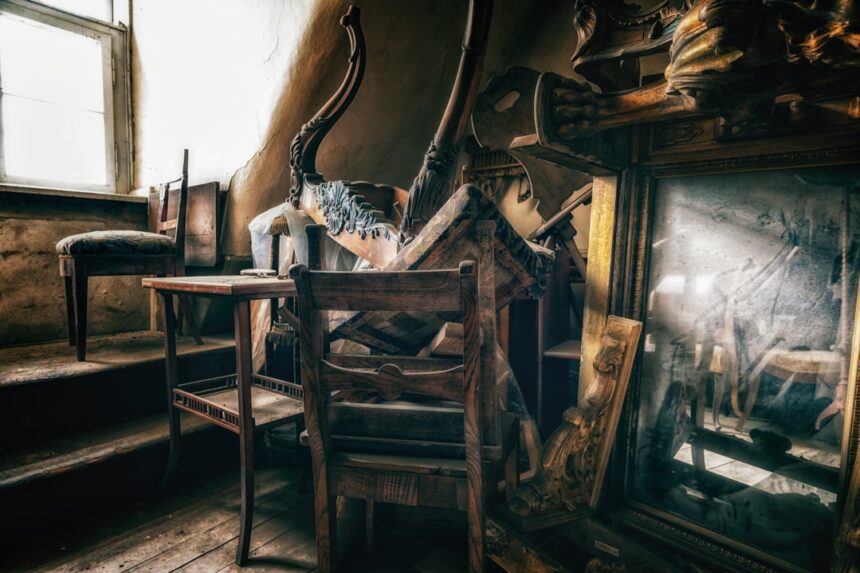
The creak of an old floorboard, the subtle misalignment of a bookcase, or the peculiar draft from a seemingly solid wall – these are the initial whispers that might lead one to suspect a hidden space. My journey into uncovering such a secret within my own home began not with a dramatic revelation, but with a nagging sense of unease, a persistent feeling that the geometry of my living space didn’t quite add up. It was akin to noticing a missing piece in a familiar puzzle, a subtle imperfection that, once perceived, becomes impossible to ignore. This article aims to demystify the process of discovering and revealing a hidden room, detailing the investigative techniques, the potential challenges, and the eventual transformation of such a space, all from my personal experience.
The realization that my home might harbor a clandestine chamber didn’t manifest overnight. It was a gradual accumulation of small observations, like pebbles building a cairn. My house, a Victorian-era structure, is replete with period details and a certain inherent charm that often comes with age. However, there were architectural quirks that, at the time, I simply attributed to the eccentricities of older construction.
Structural Inconsistencies
The Unexplained Wall Space
In the main hallway, a substantial wall, ostensibly supporting the upper floors and housing electrical conduits, seemed unusually thick. When I measured its depth, comparing it to other load-bearing walls, there was a discrepancy. This space, approximately eighteen inches, felt disproportionate to its apparent function within the layout. It was a visual anomaly, a silent question mark in the otherwise orderly arrangement of my home.
The Peculiar Bookcase
Adjacent to this wall stood a large, built-in bookcase. While attractive and functional, its depth, when measured from the wall outwards, also seemed to extend further than logically required to house its shelves. Initially, I theorized it was an over-engineered piece designed for maximum storage, but the sheer depth began to plant a seed of doubt. It felt less like an intentional design and more like a deliberate camouflage.
Auditory Clues
Subtle Hollow Sounds
Occasionally, when I would move across the hallway, a faint, almost imperceptible hollow sound would emanate from the vicinity of the bookcase. It was not the solid thud of plaster and lath against structural timber, but a slightly resonant echo, as if there were empty space behind the surface. This sound was so faint that it could easily be dismissed as a trick of acoustics or the settling of the house, but it was persistent enough to keep me listening.
The “Dead Air” Phenomenon
I began to experiment, tapping on walls with a knuckle. Most produced the expected solid sound. However, around the base of the bookcase, and in specific sections of the hallway wall, the tap yielded a muted, less substantial sound. This “dead air” phenomenon, a concept I’d encountered in discussions on building construction, suggested the absence of solid material behind the plaster. It was a crucial clue, a breadcrumb leading me deeper into the mystery.
In a fascinating exploration of luxury home features, a recent article delves into the allure of hidden rooms and secret spaces that add an element of surprise and intrigue to high-end residences. These concealed areas often serve as private retreats, home theaters, or even secret libraries, showcasing the creativity and innovation of modern architecture. For more insights on this captivating trend, you can read the full article here: Hidden Rooms in Luxury Homes.
The Investigative Process: Following the Breadcrumbs
With these initial suspicions coalescing into a tangible possibility, I embarked on a more systematic investigation. This phase was akin to a detective painstakingly piecing together evidence, looking for patterns and inconsistencies that would reveal the underlying truth. The goal was not to demolish and rebuild, but to understand the existing structure and identify the most plausible entry points, or rather, the intended entry points.
Architectural Review
Consulting Building Plans (or Lack Thereof)
My first step was to see if any original building plans existed for the property. Unfortunately, these were long lost to time, a common issue with older homes. The absence of official documentation meant I had to rely solely on the physical evidence and my own observations. This lack of a roadmap amplified the feeling of venturing into the unknown, but it also made any discovery more profoundly rewarding.
Examining Structural Load-Bearing Elements
I spent considerable time studying the external walls and the visible internal support structures. I looked for any unusual variations in brickwork or timber framing that might indicate a sealed-off opening. This involved tracing potential beam runs and identifying where they terminated or transitioned. It was a methodical process of elimination, trying to understand how the building was put together and where an anomaly might logically have been incorporated.
Non-Destructive Testing
Sound and Resonance Analysis
I employed a simple but effective method: a rubber mallet and a keen ear. By gently tapping along the length of the suspect wall and the bookcase, I meticulously mapped out areas of differing resonance. This allowed me to create a rudimentary sonic map, highlighting the boundaries of where the sound shifted from solid to hollow. It was a painstaking process, requiring patience and a willingness to revisit areas multiple times.
Infrared Thermography (Experimental)
While not strictly necessary in the end, I did consider using an infrared camera. The theory was that a sealed, unheated space might register as a cooler area on the wall surface, especially during colder months. I did not proceed with this on a large scale, as the other methods were proving sufficiently indicative, but it highlights the range of tools available for such investigations.
The Breakthrough: Identifying the Concealed Entrance
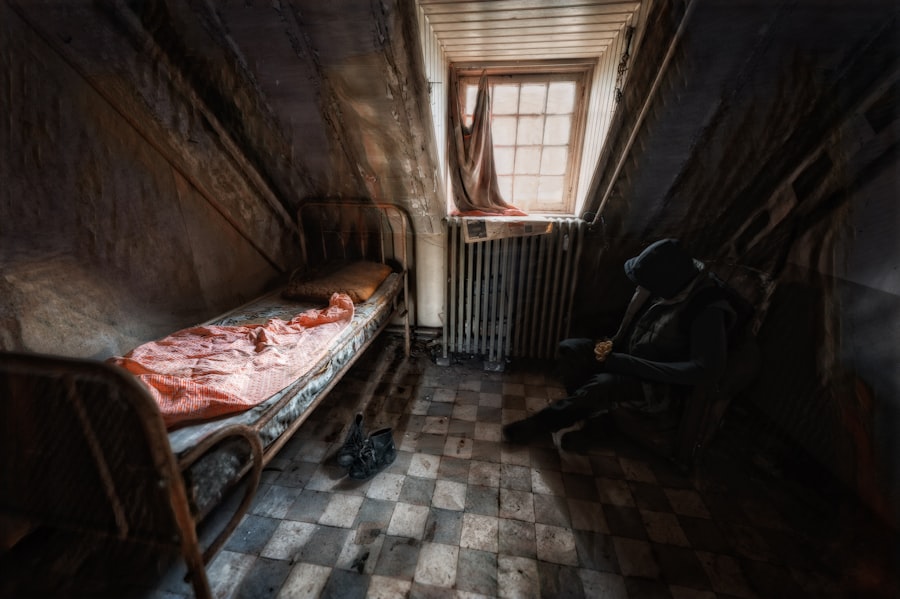
The culmination of my investigation was the identification of the most likely point of access. This wasn’t a dramatic Hollywood reveal, but a subtle, almost apologetic, compromise in the construction. It was like finding a loose thread that, when pulled, begins to unravel a larger tapestry.
The Bookcase as the Key
Subtle Gaps and Seams
Upon closer examination, the built-in bookcase, which had always struck me as slightly too deep, revealed subtle inconsistencies in its construction. Along one edge, where it met the wall, I noticed a slight imperfection in the joinery – a nearly imperceptible gap that seemed too deliberate to be accidental. This gap, when examined under direct light, appeared to be masked by a cleverly disguised trim.
The “Floating” Shelf Support
One particular shelf, deeper than the others, seemed to be supported by a seemingly decorative bracket. However, when I gently prodded this support, it exhibited a slight give, unlike the other fixed supports. This suggested it might be part of a larger mechanism, designed to swing or detach. This was the most significant clue, the “X” on my rudimentary map.
The Wall’s Deceptive Facade
Minor Plaster Variations
Similarly, the wall adjacent to the bookcase, the one with the unexplained thickness, showed minor variations in its plaster finish. In one specific area, directly behind where the suspect shelf bracket was located, the plaster felt marginally different to the touch – a slightly smoother, perhaps less ingrained surface compared to the rest. This suggested a section that had been plastered more recently, or perhaps with a different application technique.
The Revelation: Opening the Hidden Chamber
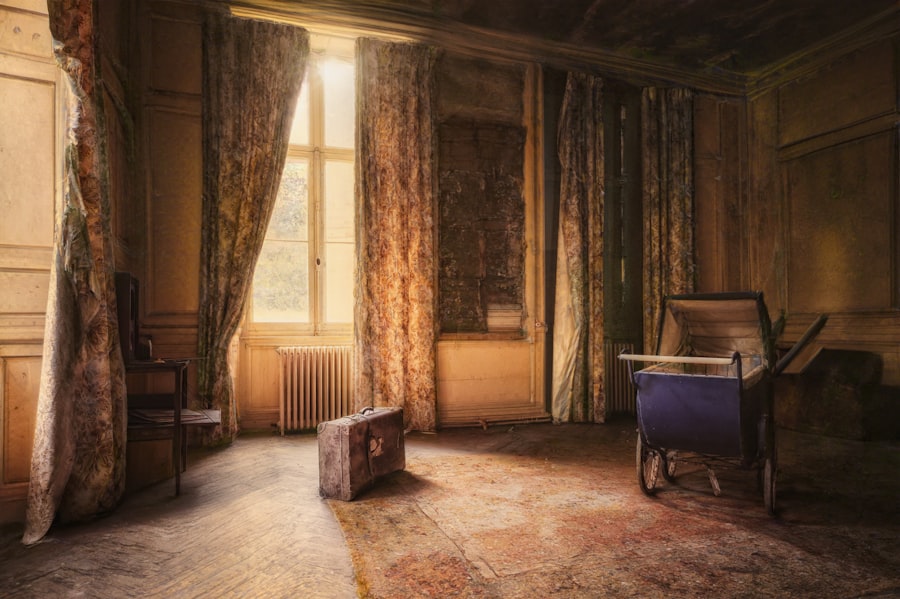
The act of revealing the hidden room was a carefully orchestrated process, born from months of observation and the application of logic. It required precision, not brute force, as I was keen to preserve the integrity of the surrounding structure. The moment of opening was met with a quiet thrum of anticipation, a feeling of stepping across a threshold into a forgotten fragment of the house’s history.
Accessing the Mechanism
Dexterous Manipulation
Armed with the knowledge that the bookcase shelf was likely the key, I began to gently manipulate the suspect bracket. It was not a simple press or pull, but a specific sequence of pressures and slight rotations. I employed a thin, wedge-shaped tool to apply calibrated force. This was a delicate dance, requiring patience and a steady hand.
The Click of Release
After several tentative attempts, there was a faint but distinct “click.” It was the sound of internal latches disengaging. The deeper shelf, which had appeared fixed, now moved inwards slightly, revealing a darker cavity behind it. This was the moment of undeniable confirmation. The unseen space was no longer theoretical, but a tangible reality.
The First Glimpse
A Dust-Kissed Atmosphere
With the shelf retracted, a narrow, dark opening was revealed. The air that escaped was stale, carrying the faint scent of dust and aged wood. I shone my flashlight into the void, illuminating a small, rectangular space, roughly the dimensions of a walk-in closet. It was a moment of profound quiet, the normal sounds of the house seemingly muted by the presence of this hidden realm.
The Reveals Within
An Unadorned Space
The hidden room itself was unadorned, a stark contrast to the Victorian elegance of the rest of the house. The walls were unfinished plaster, and the floor was simple, unvarnished timber planks. It was clear this was not a room intended for comfort or display, but for a specific, perhaps secretive, purpose.
Vestiges of the Past
Within the chamber, I found a few small, intriguing items. A single, tarnished silver locket, a small stack of brittle letters tied with faded ribbon, and a child’s wooden toy horse. These artifacts, though mundane, spoke volumes, offering silent testimony to the lives that had passed through this hidden space. They were like whispers from the past, hinting at why such a room might have been created.
In the world of luxury real estate, hidden rooms have become a fascinating trend that captures the imagination of many homebuyers. These secret spaces often serve as private retreats or entertainment areas, adding an element of surprise and exclusivity to high-end properties. If you’re intrigued by the concept of hidden rooms and want to explore more about their design and functionality, you can read a related article that delves into the creative ways homeowners are incorporating these hidden gems into their residences. Check it out here for some inspiring ideas.
The Transformation: Breathing New Life into the Secret Luxury
| Room Type | Location | Size | Features |
|---|---|---|---|
| Hidden Room | Luxury Home | 200 sq ft | Secret entrance, security system, hidden storage |
The discovery of the hidden room presented a unique opportunity. It was not merely an architectural curiosity, but a blank canvas, a space ripe for repurposing. The process of transforming it was about respecting its origins while imbuing it with a new, intentional purpose, integrating it seamlessly back into the functioning of the house, yet retaining its inherent mystery.
Design Considerations
Preserving the Secret
The primary design consideration was to maintain the element of surprise. The entrance had to remain discreet, the mechanism functional and easily operable, yet unintimidating. The goal was to create a space that felt like a discovery, not a deliberate reveal to every visitor.
Functionality and Comfort
Creating a Reading Nook
After careful consideration, I decided to transform the space into a reading nook. The relatively small size was ideal for creating an intimate and cozy atmosphere. I envisioned a comfortable armchair, soft lighting, and shelves for a curated selection of books. This felt like a fitting use for a room that had, in its own way, held its secrets in quiet contemplation.
The Integration of Modern Amenities
Discreet Lighting Solutions
Installing lighting required careful planning to avoid compromising the hidden nature of the room. I opted for low-profile LED strip lighting, carefully concealed along the ceiling edge. This provided ample illumination without being overtly visible when the room was not in use.
Climate Control (Minimal)
Given the size of the space, extensive climate control was unnecessary. However, I ensured adequate ventilation to prevent any mustiness and to maintain a comfortable temperature for occasional use.
The Final Touches: A Personal Sanctuary
The transformation was a slow and deliberate process. It involved reinforcing the shelf mechanism to ensure smooth operation, painting the interior walls a soothing color that complemented the aged wood, and carefully selecting furnishings that maximized comfort and functionality within the limited space. The result is a personal sanctuary, a room that offers a quiet escape from the demands of the outside world. It is a space that, while revealed, still holds a certain inherent mystique, a testament to the secrets that can lie hidden within the most familiar of places. The secret luxury, now accessible, remains a delightful enigma, a chapter of my home’s history brought back to life.
FAQs
What is the hidden room in a luxury home story about?
The hidden room in a luxury home story is about the discovery of a secret room or space within a high-end residential property. This hidden room may have been intentionally concealed or forgotten over time, and its discovery often adds an element of mystery and intrigue to the property.
How are hidden rooms in luxury homes typically discovered?
Hidden rooms in luxury homes are often discovered during renovations, remodeling, or routine maintenance of the property. Sometimes, they are found by accident when a wall is knocked down or a floorboard is lifted. In other cases, homeowners may intentionally search for hidden spaces based on historical records or architectural clues.
What are some common features of hidden rooms in luxury homes?
Hidden rooms in luxury homes may have various features, such as secret entrances behind bookshelves, false walls, concealed doors, or hidden compartments within furniture. Some hidden rooms may also be equipped with advanced security measures or unique architectural designs to maintain their secrecy.
Are hidden rooms in luxury homes a recent trend?
The concept of hidden rooms in luxury homes is not a recent trend. In fact, hidden rooms and secret passages have been a part of architectural design for centuries, often serving practical purposes such as providing a safe space during times of conflict or as a means of discreetly moving between rooms.
What are some potential uses for hidden rooms in luxury homes?
Hidden rooms in luxury homes can serve a variety of purposes, including as private libraries, home theaters, wine cellars, panic rooms, or even as a secluded retreat for relaxation. Some homeowners may also use hidden rooms to showcase valuable collections or as a unique feature for entertaining guests.