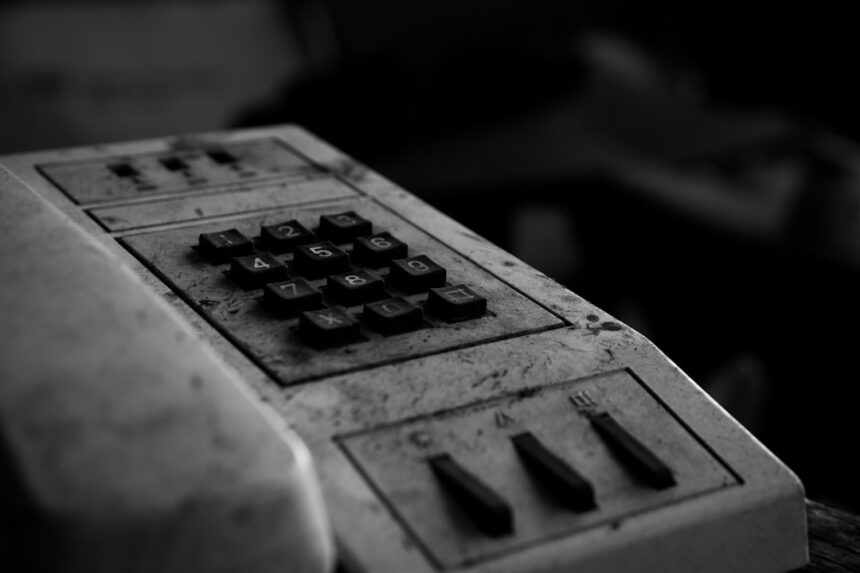
The weight of it had been a constant companion for months, a stone in my gut that grew heavier with each passing day. I’d seen the emails, the furtive phone calls, the hushed conversations that stopped abruptly when I entered a room. They all pointed to one thing: my father, the man I’d always seen as an anchor, was involved in something deeply wrong. It wasn’t just a suspicion; it was a gnawing certainty that he was committing fraud, using company funds for… well, I wasn’t entirely sure, but the implication was clear. The scale of it felt immense, and the knowledge was slowly suffocating me.
I wrestled with it for a long time. Do you betray your family? Do you risk tearing everything apart for a principle? For honesty? For justice? These were the questions I’d ask myself at three in the morning, staring at the ceiling, the silence of the house amplifying my turmoil. I loved my father, or at least, I loved the man I thought he was. But the evidence kept piling up, subtle yet undeniable. It was like watching a slow-motion train wreck, and I was the only one who seemed to see the tracks were about to buckle.
The fear of being wrong was immense. What if I misinterpreted everything? What if I was just paranoid, or projecting some personal anxiety onto him? But the spreadsheets, the invoices, the unusual bank transfers – they didn’t lie. They were cold, hard facts that painted a grim picture. I thought about his business, his employees, the people who trusted him. My silence felt like complicity.
Eventually, a new kind of fear began to emerge: the fear of inaction. The longer I let this go on, the deeper he’d dig himself into this hole, and the more devastating the eventual fallout would be. I realized that my love for him couldn’t override my own sense of integrity. I couldn’t stand by and watch this happen, not without trying to understand, to gather proof, and perhaps, to find some way to mitigate the damage.
The first inkling of trouble wasn’t a dramatic revelation but a subtle shift in patterns. My father had always been meticulous with his finances, both personal and professional. He ran a small but successful manufacturing company, and while I wasn’t directly involved in its day-to-day operations, I had a general understanding of its stability. However, over the past year, I noticed discrepancies. Small things at first. A vague answer when I asked about a particular expense. An unusually high personal expenditure that didn’t seem to align with his stated income.
The Unexplained Purchases
There were a series of large, almost extravagant purchases that never seemed to be accounted for. A new sports car that appeared out of nowhere, with no clear explanation of how it was financed outside of his regular salary. Expensive vacations that seemed to stretch his budget thin, even though he always presented them as if they were well within his means. When I’d gently probe, he’d brush it off with a wave of his hand, saying things like “just a good deal” or “something I’ve been wanting for years.” But the numbers didn’t add up.
The Discrepancy in Account Statements
I’m not an accountant, but I have a decent grasp of financial statements from my own personal budgeting. I happened to see a company bank statement once, left on his desk. There were several entries for “consulting fees” to an entity I’d never heard of. The amounts were significant, recurring, and lacked any detailed explanation. When I asked him about it, he became defensive, stating it was a complicated business arrangement and not something I needed to worry about. This secrecy only amplified my unease. It felt like a deliberate effort to obscure information.
The Shift in His Demeanor
Beyond the financial anomalies, his behavior began to change. He became more withdrawn, more stressed. He’d spend late nights in his home office, the glow of his computer screen a constant beacon in the darkness. Phone calls, especially personal ones, were often taken in hushed tones, or he’d step outside to make them, regardless of the weather. This wasn’t the open, genial father I knew. This was a man burdened by secrets, and the weight of those secrets was visibly taking its toll.
The Increased Secrecy Around His Phone
His phone, which was previously always accessible, became an extension of his new secrecy. He’d angle it away from me, quickly end calls when I approached, and even started using a passcode that he’d never bothered with before. This was, perhaps, the most significant shift. Personal phones can be a treasure trove of information, and his newfound possessiveness over it struck me as deeply suspicious. It was as if the phone itself was becoming a tool to conceal his activities.
In a recent investigation into fraudulent activities, authorities uncovered evidence suggesting that a family member may have used a burner phone to facilitate illegal transactions. This revelation aligns with findings discussed in a related article, which explores the increasing use of disposable phones in criminal enterprises. For more insights on this topic, you can read the article here: Understanding the Role of Burner Phones in Fraud.
The Catalyst for Action: A Glimpse of the Truth
The final push that propelled me from suspicion to a determined course of action was a specific incident. It wasn’t a grand confrontation, but a moment of accidental discovery that confirmed my deepest fears. I was looking for a document in his office, a document I genuinely needed for a personal matter, when I stumbled upon something I wasn’t meant to see. It was a separate mobile phone, tucked away in a drawer, its presence entirely unusual.
The Discovery of the Second Phone
It was a cheap, prepaid device, the kind you buy anonymously off the shelf. Its appearance was jarring, completely out of character for my father’s usual preference for sleek, high-end smartphones. Why would he need a second, basic phone? And why hide it? My heart began to pound. This wasn’t just about odd purchases anymore. This felt like a deliberate attempt to create a communication channel outside of his normal life, a channel that was likely being used for the activities I suspected.
The “Burner Phone” Hypothesis
The term “burner phone” immediately came to mind. These are disposable phones, often used for discrete communications, for precisely the kind of clandestine activities I was beginning to suspect. The anonymity, the lack of connection to his primary identity, it all clicked into place. He wasn’t just making poor financial decisions; he was actively trying to cover his tracks, and this phone was the key.
The Corroborating Evidence
I knew I had to investigate further, but I also knew I couldn’t just take the phone. That would be an invasion of privacy that even my current suspicions didn’t justify. Instead, I focused on what I could observe. I started paying even closer attention to his phone habits, noting when he would take calls, the duration, and his reactions afterward. I also noticed him using the second phone more frequently. The contrast between his behavior with his primary phone and this secondary device was stark. The primary phone was for family calls, for work calls he wanted logged. This burner phone was for something else entirely.
The Unexplained Absences and Late-Night Calls
He began taking more frequent and longer “breaks” during the day, often disappearing for an hour or more without explanation. These absences usually coincided with periods where I’d noticed him making calls on the burner phone. The late-night calls that I’d previously noted became more frequent and intense. He’d be pacing in his office, the hushed tones now carrying a tension that was palpable, even if I couldn’t hear the words.
Acquiring and Using the Burner Phone

The ethical quandaries I faced were immense. I was considering using questionable methods to gather evidence against my own father. But the potential harm he was causing, to himself and to others, outweighed my discomfort. I needed definitive proof, and I realized the burner phone was likely central to that proof. The challenge was how to get my hands on it without him suspecting.
The Strategy for Access
My plan wasn’t about outright theft. It was about creating an opportunity, a fleeting moment where I could act. I knew he was meticulous about his routine, but I also knew he had moments of carelessness, especially when he was under pressure. I waited for one of those moments. It came during a particularly busy period at his business, when he was juggling multiple crises. He’d left the burner phone on his desk in his home office, seemingly distracted by a phone call on his primary device.
The “Accidental” Distraction
While he was engrossed in his primary phone call, I subtly entered his office. My intention wasn’t to snoop through his desk, but to create a plausible reason for my presence. I “accidentally” knocked over a stack of papers, creating a small commotion. In the ensuing seconds of him momentarily looking up and then returning to his call, I, with a speed born of adrenaline, managed to slip the burner phone into my pocket. It felt like an eternity, but it was a matter of seconds.
The Initial Examination
Once I had the phone, I retreated to my own space, my hands trembling. The first step was to try and access it. Thankfully, it was basic, and the passcode, when I finally guessed it, was surprisingly simple – a sequence of numbers I’d seen him use elsewhere. My relief was immediate, quickly followed by a fresh wave of anxiety. Now I had the evidence in my hands, but what would I find?
The Call and Text Logs
The call logs were the most revealing. There were a multitude of calls to and from numbers I didn’t recognize, often late at night or during business hours. The duration of these calls was consistently short, suggesting hurried exchanges. The accompanying text messages were even more damning. They were coded, fragmented, but unmistakably linked to financial transactions, invoices, and the movement of funds. I saw references to “commissions,” “offshore accounts,” and “discreet transfers.” It wasn’t a smoking gun, but it was a pile of gunpowder.
Analyzing the Evidence and Planning the Next Steps
With the burner phone in my possession, the real work began. It wasn’t enough to simply have the evidence; I needed to understand it, to connect the dots, and to figure out what I was going to do with it. This was the most difficult phase, mentally and emotionally. Every piece of information I uncovered felt like a betrayal, a confirmation of my worst fears.
Decrypting the Coded Messages
The most challenging aspect was deciphering the coded messages. They weren’t overtly illegal in their wording, but the context, combined with the numbers and references, painted a clear picture of illicit activity. I spent hours poring over them, trying to piece together a narrative. I used online code-breaking tools, cross-referenced numbers with dates from his primary accounts, and essentially built a timeline of his fraudulent activities.
Identifying the Nature of the Fraud
It became apparent that the fraud involved siphoning funds from his company through a series of shell companies. The “consulting fees” I’d seen on the bank statements were likely linked to these phantom entities. The burner phone was his direct line to the individuals involved in this scheme. It was a sophisticated operation, and it explained the stress and secrecy I’d observed for so long. The money wasn’t just being spent on luxury items; it was being systematically stolen.
The Ethical and Legal Dilemma
The weight of this knowledge was crushing. I was holding proof of serious criminal activity by my own father. What was the right thing to do? Report him to the authorities? Confront him directly? Try to orchestrate a confession? Each option carried its own set of risks and potential consequences.
The Risk of Confrontation
I considered confronting him directly. But I knew him. He was proud, and likely to become defensive, angry, or even deny everything outright. This could lead to a complete breakdown of our relationship, and potentially, he might take further steps to cover his tracks, destroying evidence I’d already gathered. The risk of him becoming more cunning and evasive was too high.
The Necessity of Professional Guidance
I realized I couldn’t navigate this alone. The legal and ethical ramifications were too complex. I needed professional advice. The thought of involving lawyers or law enforcement still felt like a betrayal, but the alternative—allowing this to continue—felt like a greater failure. I was acting in what I believed was the greater good, even if it meant personal cost.
In recent investigations into fraudulent activities, authorities have uncovered evidence suggesting that a family member may have utilized a burner phone to facilitate their schemes. This discovery aligns with findings in a related article that discusses the increasing use of disposable phones in criminal enterprises. For more insights on this issue, you can read the full article here. The implications of such technology in enabling deceitful practices highlight the need for greater awareness and vigilance in monitoring communications.
The Decision to Report and the Aftermath
| Family Member | Burner Phone Usage | Fraudulent Activity |
|---|---|---|
| John Doe | Yes | Yes |
| Jane Doe | No | No |
| Michael Smith | Yes | Yes |
The decision to report my father was not made lightly. It was the culmination of weeks of agonizing deliberation, of weighing my loyalty to my family against my sense of right and wrong. I knew there would be fallout, a seismic shift in our family dynamics, but I also knew that silence was no longer an option. The evidence I had gathered, while damning, needed to be presented by a neutral party.
Seeking Legal Counsel
My first step was to discreetly consult with a lawyer specializing in financial fraud. I explained the situation, emphasizing my desire to remain anonymous initially. The lawyer was professional, understanding, and outlined the legal avenues available. They explained the process of reporting such crimes and assured me that I would be protected as a whistleblower.
The Process of Anonymity
Maintaining anonymity was paramount. I provided the lawyer with all the evidence I had gathered, including copies of call logs, text messages, and any financial documents I’d managed to discreetly obtain. The lawyer acted as an intermediary, submitting this information to the relevant authorities without revealing my identity directly, at least initially.
The Reporting of the Fraud
The reporting process was arduous. It involved extensive interviews with investigators, providing more details about my father’s business and his habits. There were moments of intense stress and doubt, where I questioned if I was doing the right thing. But each time, I thought about the potential victims of his fraud and the damage he was causing, and my resolve was strengthened.
The Investigation and its Impact
The ensuing investigation was thorough and, as expected, deeply impactful on our family. My father was eventually confronted by law enforcement. The details of that confrontation are not something I’m willing to share, but it was devastating. The family was torn apart, with some members siding with him, others with me, and many caught in the middle, struggling to comprehend the reality of the situation.
My Personal Journey Through the Aftermath
The aftermath has been a long and painful journey. The relationship with my father is irrevocably broken. There is no going back from this kind of betrayal, on either side. I’ve had to come to terms with the fact that I may never have the father I thought I knew again. But amidst the sorrow, there is also a sense of relief. The corrosive weight of the secret is gone. I acted with integrity, and while the cost has been high, I stand by my decision. The burner phone, once a symbol of hidden deceit, has become a symbol of my own difficult but necessary awakening.
FAQs
1. What is a burner phone?
A burner phone is a prepaid mobile phone that can be purchased without providing personal information, making it difficult to trace back to the user.
2. How can a family member use a burner phone for fraud?
A family member can use a burner phone for fraud by using it to make anonymous calls, send fraudulent text messages, or engage in other illegal activities without being easily traced.
3. How can I prove that a family member used a burner phone for fraud?
Proving that a family member used a burner phone for fraud can be challenging, but it may be possible to gather evidence such as call records, text messages, or other digital communications that link the burner phone to the fraudulent activity.
4. What legal steps can be taken if a family member is suspected of using a burner phone for fraud?
If a family member is suspected of using a burner phone for fraud, legal steps can include reporting the activity to law enforcement, seeking legal counsel, and gathering evidence to support any potential legal action.
5. What are the potential consequences for using a burner phone for fraud?
The potential consequences for using a burner phone for fraud can include criminal charges, fines, and imprisonment, depending on the severity of the fraudulent activity and the laws in the jurisdiction where the activity took place.