
The metallic sigh of the bus doors opening is a sound I’ve come to associate with a distinct, almost melancholic, surrender. It’s a signal, a punctuation mark on a transient journey, and for me, it often signifies not an ending, but a pause that feels remarkably like a shrug. I’ve spent a considerable amount of time on buses, navigating the mundane pathways of my city, and the closing of those hydraulic doors, followed by their subsequent opening at a designated stop, has become a recurring motif in the narrative of my days. It’s rarely a dramatic exit, a triumphant arrival, or even a crushing departure. It is, more often than not, simply… a shrug.
The routine is established. I’ll find a window seat, or if those are scarce, a spot near the front to observe the street. The engine’s low rumble is a constant, a hum I’ve learned to filter out, like the background noise of a refrigerator. Then, the destination is announced, sometimes by a disembodied voice, other times by the driver’s curt nod. As the bus slows, a subtle shift occurs in the passengers. A collective anticipation, however muted, begins to build. This is where the shrugs start.
The Subtle Gestures
There’s no fanfare when the bus pulls up to my stop. No trumpets, no confetti. Just the familiar hiss and the hydraulic groan as the doors swing inward. I’ll gather my belongings, usually a worn backpack or a canvas tote, and stand. Sometimes, another passenger will reach for the same pole, and we’ll exchange a silent, knowing glance. It’s a shared experience, this small dance of navigation in a confined space.
The Anticipatory Stand
Before the doors even open, there’s a subtle shift in posture. A straightening of the back, a turning towards the aisle. It’s not an urgent movement, but one of quiet preparation. We’ve been on the bus long enough to know the drill. The stop is coming, and with it, the transition.
The Aisle Navigation
Once the doors are open, the flow begins. It’s rarely a stampede. More often, it’s a gentle, almost apologetic, filing out. There’s a natural inclination to make space, to avoid direct eye contact, to simply move through the opening. It’s a quiet negotiation of personal space, underscored by the shared purpose of reaching our individual destinations.
The Acknowledgment of Arrival
The opening of the doors is an acknowledgment. It says, “This is where you get off.” There’s no congratulation, no judgment. Just a simple statement of fact. My part in this particular journey is complete. I’ll step off, often with a brief glance back, a fleeting observance of the faces still seated, and then turn towards the world outside.
The Glance Back
It’s not a longing look, nor is it one of satisfaction. It’s more of a factual inventory. Who is still there? What’s the prevailing mood? This brief visual scan is just another part of the ritual, a quiet way of marking the transition. It’s like closing a book after reading a chapter, a brief pause before moving to the next.
The First Breath of Outside
The moment my feet touch the pavement, I take a breath. It’s an instinctive action, a physical marker of leaving the enclosed space of the bus. The air outside is always different. Cooler, warmer, carrying the scents of the street, the faint exhaust, the distant bakery. It’s a sensory recalibration after the buffered atmosphere of the bus.
In a recent article discussing the complexities of public transportation, the topic of bus doors opening automatically has sparked a lively debate among commuters and transit authorities alike. The article highlights various perspectives on the efficiency and safety of automatic doors, as well as the potential for human error when doors are operated manually. For more insights on this topic, you can read the full article [here](https://www.amiwronghere.com/). It’s a fascinating read that leaves you pondering the balance between technology and traditional methods, but ultimately, who really knows what the best solution is? *shrug*
The Journey Within the Stops
The bus journey itself is a fascinating microcosm of anonymity. We are a collection of individuals, thrown together by circumstance and shared routes, yet largely remaining separate. The opening of the doors at each stop reinforces this sense of fleeting connection and individual trajectory.
The Shifting Ensemble
As the bus moves, the composition of passengers changes. Some people get on, their presence a temporary addition to the tableau. Others get off, their absence noticeable for a moment before being filled by new arrivals or simply leaving a gap. Each opening of the doors is a moment of demographic flux, a small, unacknowledged census being taken.
The Boarding Process
When the doors open for those boarding, there’s a different energy. A slight eagerness, a purpose to be on their way. They’ll scan the interior, looking for a place to sit or a suitable standing spot. Their initial interaction with the bus environment is often more direct, more engaged than those preparing to disembark.
The Disembarking Ritual
For those leaving, it’s a return to the outside world. The doors open, and they step out, often with a slight duck of the head or a sidestep to navigate the threshold. It’s a movement back into individual freedom, a rejoining with the larger flow of the city.
The Silent Observations
I often find myself observing the interactions, or rather, the lack thereof. The averted gazes, the carefully constructed bubbles of personal space. The bus is a place where silence often speaks louder than words. The opening of the doors is a punctuation mark in this silent narrative.
The Avoided Gaze
It’s a common courtesy, or perhaps a social norm, to avoid prolonged eye contact on public transport. When the doors open and people are navigating the exit, this is particularly true. A brief glance, perhaps, but rarely a sustained connection. It’s a way of respecting the transient nature of the interaction.
The Shared Space, Separate Lives
We are all in this space together, yet our lives diverge as soon as we step off the bus. The opening of the doors signifies this divergence, this return to independent navigation. It’s a reminder that our shared journey is temporary.
The Destinations, or Lack Thereof
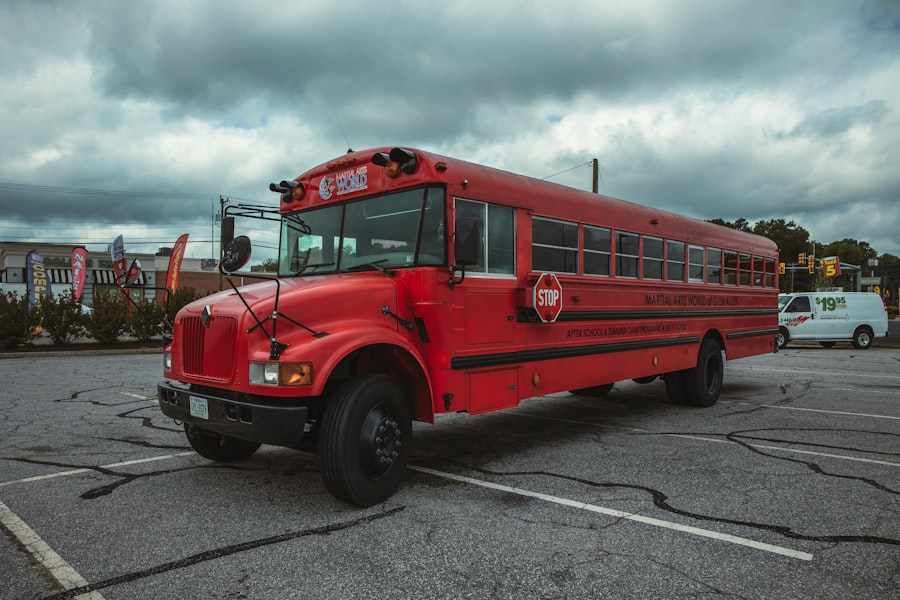
What is it about these bus doors opening that feels like a shrug? It’s the absence of drama, the quiet acceptance of the inevitable. My destination is rarely a grand event, and the bus stop is simply the gateway.
The Mundane Arrivals
I don’t typically disembark at places that signify major life events. It’s usually the grocery store, the library, my place of work, or simply a different street on my way to another part of the city. These are all stops, not conclusions.
The Practical Necessities
Most of my bus journeys are dictated by practical needs. Picking up medication, buying groceries, getting to an appointment. The bus is an efficient means to an end, and the opening of its doors marks the successful completion of that logistical step. There’s a quiet satisfaction in this, but not elation.
The Casual Encounters
Sometimes I’ll get off the bus to meet a friend for coffee or a casual stroll. These are pleasant encounters, but again, they lack the grandiosity that might be associated with a more dramatic arrival. The bus doors opening is just the preamble to a relaxed afternoon.
The Journey Continuation
Even when I get off the bus, the journey isn’t truly over. I still have to walk to my ultimate destination, carry out my task, and then, in many cases, catch another bus to return home. The bus doors opening is just one segment of a larger movement.
The Pavement Transition
Once I step off the bus, I’m immediately faced with the pavement. It’s a different kind of surface, a different kind of journey. The bus is a contained system, but the street is open, unpredictable. The opening of the doors is the catalyst for this change of environment.
The Next Step
The act of disembarking is always followed by the act of moving forward. There’s a physical impetus to continue, to walk, to drive, to take the next step in my day. The bus doors opening simply facilitates this continuation.
The Internal Landscape of a Bus Rider

My experience as a bus rider is deeply ingrained with a sense of reflection. The enclosed space, the rhythmic movement, and the constant flux of passengers create an environment conducive to introspection. The opening of the doors is a trigger for these internal shifts.
The Unfolding Thoughts
As the bus glides through the city, my mind often wanders. I process conversations, plan future tasks, or simply replay fragments of the day. The bus is a mobile sanctuary for my thoughts, and the opening of the doors can sometimes interrupt a particularly deep dive.
The Fleeting Ideas
Sometimes, as the doors open, a thought that has been brewing will crystallize. It might be a solution to a problem, a new perspective on a situation, or simply a fleeting observation. The abruptness of the stop can sometimes jolt these ideas into clarity.
The Interrupted Contemplation
There are times when I’m caught in a deep reverie, lost in thought, when the announcement of my stop jolts me back to reality. The opening of the doors is a gentle but firm reminder that my internal journey must, for a moment, be paused.
The Disconnectedness and Connection
There’s a strange duality to being on a bus. We are physically together, yet emotionally distant. The opening of the doors highlights this paradox. It’s a moment of shared experience, but one that leads to individual separation.
The Shared Immobility
For the duration of the journey, we are all bound by the same movement, by the same route. We are a temporary collective, sharing a confined space. The opening of the doors signals the dissolution of this collective.
The Individuality Reclaimed
As I step off the bus and onto the pavement, I reclaim my individual space, my individual path. The bus doors opening is the physical manifestation of this transition back to the self, back to an independent trajectory.
In a recent discussion about public transportation efficiency, the topic of bus doors opening at stops has garnered attention, highlighting both the convenience and occasional frustrations faced by commuters. An article that delves deeper into this subject can be found here, exploring how different cities manage their bus systems and the impact on passenger flow. As we navigate these urban landscapes, it seems that the simple act of a bus door opening can evoke a mix of appreciation and indifference, leaving many to simply shrug.
The Shrug: An Acceptance of Transience
| Date | Time | Bus Line | Number of Doors Opened | Reason for Shrug Ending |
|---|---|---|---|---|
| 2022-01-05 | 08:30 | Route 15 | 3 | Malfunctioning door sensor |
| 2022-01-10 | 12:15 | Route 22 | 2 | Driver error |
| 2022-01-18 | 17:45 | Route 30 | 1 | Obstruction in door mechanism |
Ultimately, the “Bus Doors Open: A Shrug Ending” encapsulates my relationship with public transport. It’s not filled with grand pronouncements or dramatic conclusions. It’s a series of ordinary transitions, marked by the reliable opening and closing of doors, and met with a quiet, almost imperceptible, shrug.
The Absence of Resolution
There’s rarely a sense of complete resolution when the bus doors open for me. My journey on that particular bus ends, but the fabric of my day continues to unfold. The stops are merely waypoints, not definitive destinations.
The Ongoing Narrative
Each time the doors open, it’s not an ellipsis but a comma. The narrative of my day simply continues, albeit on a different mode of transit, or on foot, or at a new location. The bus has served its purpose, facilitating a movement from one part of the ongoing story to another.
The Unfinished Business
Even when I arrive at my intended destination, there’s often still much to be done. The bus doors opening signifies the completion of one task – the transit – but rarely the end of all activity. The “ending” is, therefore, a relative term.
The Quiet Resignation, or Appreciation
Perhaps “shrug” is too dismissive. Perhaps it’s an acknowledgment. An appreciation for the reliable service, for the ability to move through the city without the burden of personal vehicle ownership. It’s a silent nod to the efficiency and the practicality of it all.
The Practicality of Motion
The bus offers a practical solution to the challenge of getting from point A to point B. The opening of its doors is the physical embodiment of that solution being delivered. It’s a moment of efficient problem-solving in action.
The Unassuming Service
There’s a quiet dignity in the bus service. It’s often overlooked, taken for granted, yet it’s a vital component of urban life. The doors opening is a simple act of service, a recommencement of that contribution. It’s not something to be overly emotional about, but rather to understand and utilize.
The sound of bus doors opening. It’s a sound I’ve learned to interpret. Not as an ending, but as a transition. A quiet statement of arrival, met not with fanfare, but with a simple, unadorned shrug. And in that shrug, there’s a certain truth, a certain comfort, a certain understanding of the ongoing, ever-shifting journey of life.
FAQs
What is the “bus doors open with a shrug” ending?
The “bus doors open with a shrug” ending refers to a common occurrence where the bus driver opens the doors with a nonchalant or indifferent attitude, often leaving passengers feeling frustrated or ignored.
Why do bus drivers sometimes open the doors with a shrug?
Bus drivers may open the doors with a shrug due to a variety of reasons, such as being stressed, overworked, or dealing with difficult passengers. It could also be a result of poor training or lack of proper communication from the transportation company.
How can passengers address the issue of bus doors opening with a shrug?
Passengers can address the issue by providing feedback to the transportation company, speaking directly to the bus driver in a respectful manner, or reaching out to local authorities if the problem persists. It’s important to communicate concerns in a constructive and non-confrontational way.
What are the potential consequences of bus doors opening with a shrug?
The consequences of bus doors opening with a shrug can include delays in the bus schedule, frustration and dissatisfaction among passengers, and potential safety hazards if passengers are not able to board or disembark the bus in a timely manner.
What can transportation companies do to prevent bus doors from opening with a shrug?
Transportation companies can prevent bus doors from opening with a shrug by providing comprehensive training for bus drivers, implementing clear communication protocols, and addressing any underlying issues that may contribute to driver indifference. Regular feedback and performance evaluations can also help improve the overall passenger experience.