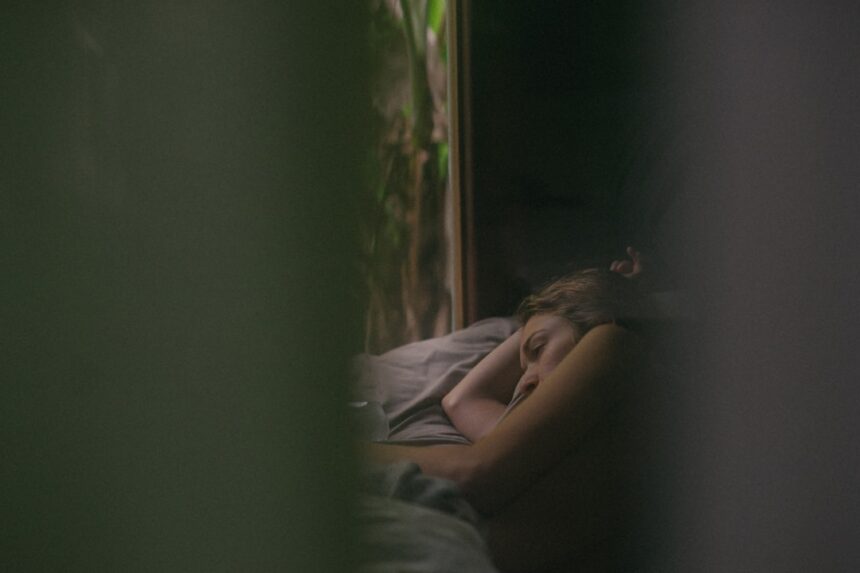
The soft beep of my alarm usually marks the start of my day with a gentle nudge. Today, however, it’s a harbinger of a familiar internal conflict. My eyes, heavy with a fatigue that feels bone-deep, struggle to focus on the numbers glowing from the bedside clock. It’s 3:17 AM. The city outside is a hushed silhouette, but within my small apartment, the quiet is amplified by the presence of another body breathing softly beside me. And that’s where my dilemma truly begins.
Sleep. It’s a fundamental need, a biological imperative. Lately, it feels more like a luxury I can’t afford or, more accurately, one I consistently sacrifice. My body aches with a low-grade exhaustion that has become my constant companion. The bags under my eyes are no longer a temporary nuisance; they are permanent fixtures, testament to the hours I’ve willingly, or perhaps unwillingly, surrendered.
The Physical Toll of Sleep Deprivation
I can feel it in my muscles, a persistent stiffness that makes even simple movements feel like an effort. My reflexes are dulled, my concentration fractured. The simplest tasks, like remembering where I put my keys or recalling a name, feel like Herculean feats. My immune system, I suspect, is also under siege. I’ve noticed a marked increase in minor ailments, sniffles that linger, and a general susceptibility to every bug that seems to be circulating. It’s as if my body, deprived of its necessary repair and rejuvenation, is actively protesting.
The Mental Cost of Insomnia
Beyond the physical, the mental toll is perhaps more insidious. My patience is thinner than it’s ever been. Small annoyances that once would have rolled off me now have the power to fester and irritate. My creativity, once a source of energy and inspiration, feels sluggish, the well running dry. Decision-making, even on minor matters, becomes a chore, burdened by the fog of fatigue. The world appears in muted tones, the vibrancy leached away by a constant state of semi-consciousness.
My Personal Sleep Debt
I’ve tried to quantify my sleep debt, to log the hours I’m missing, but it’s a losing battle. It’s a growing deficit that seems to compound each night. Some nights, I manage four hours. Others, it’s a mere three. The occasional seven or eight-hour stretch feels like a distant, almost mythical memory, a fleeting indulgence I can’t seem to replicate. I tell myself it’s temporary, a phase. But the phase has stretched into months, and the thought of catching up feels overwhelming.
The intricate relationship between the ability to sleep and the feeling of being loved is explored in a thought-provoking article that delves into how emotional well-being impacts our sleep patterns. When individuals feel loved and supported, they often experience reduced anxiety and stress, leading to more restful nights. Conversely, a lack of emotional connection can contribute to insomnia and restless sleep. For a deeper understanding of this connection, you can read the article here: Exploring Sleep and Love.
The Magnetic Pull of Connection
And then there’s him. My partner. The reason for this particular 3:17 AM quandary. He sleeps soundly, his breathing a gentle rhythm against the quiet. And in his presence, a different kind of need surfaces – the need for connection, for intimacy, for the simple, profound act of sharing space and time with someone I care deeply about.
The Comfort of Proximity
There’s an undeniable comfort in his warmth beside me. It’s a silent reassurance, a physical anchor in a world that can often feel chaotic and isolating. The gentle rise and fall of his chest, the steady rhythm of his breath – these are the things that pull me away from the lure of the pillow. It’s a primal instinct, the desire to be near someone safe and cherished.
The Intimacy of Shared Silences
Beyond the physical, there’s the intimacy of shared silences. The quiet moments before sleep, the whispered conversations that exist only in the liminal space between wakefulness and dreams. These are precious, fleeting moments that I often find myself clinging to, unwilling to let them dissolve into the oblivion of sleep. The world outside fades, and for a brief period, it’s just us, a small universe of two.
The Desire for Deeper Engagement
More than just physical proximity, there’s a deeper desire for engagement. To be present, to connect, to share the quiet hours not just in passing sleep, but in conscious, albeit sleepy, companionship. It’s about wanting to be seen, to be acknowledged, and to acknowledge him in return, even when the most eloquent expression might be a gentle hand held.
The Trade-Offs and Compromises

This isn’t a glamorous battle between two equally desirable options. It’s a stark illustration of trade-offs, of compromises I’m constantly making, often without realizing the full extent of the cost until much later. Each hour spent awake, even in the most cherished company, is an hour stolen from my body’s fundamental need for rest.
The Illusion of “Making Up” for Lost Sleep
The notion of “making up” for lost sleep is a fallacy I’ve long since abandoned. A full night’s rest after a prolonged period of deprivation doesn’t erase the cumulative effects. It’s like trying to refill a sieve; the water might reach a temporary equilibrium, but the underlying holes remain, and the deficit will eventually reassert itself.
The Erosion of My Own Needs
In my efforts to prioritize connection, I find myself slowly eroding my own capacity to function. It’s a gradual disintegration, a piecemeal surrender of my well-being. I tell myself it’s worth it, that these moments are priceless. And in the immediate present, they often feel that way. But the long-term consequences are undeniable.
The Unspoken Negotiations
There’s an unspoken negotiation happening in these moments. I’m weighing the immediate gratification of connection against the delayed but more substantial benefit of restorative sleep. And more often than not, connection wins. I’m sure he experiences his own version of this, though I can only speak for myself. The question isn’t just about my own needs, but about the intricate dance of compromise within a shared life.
The Competing Demands of Life

It’s easy to frame this dilemma in isolation, between sleep and love. But the reality is far more complex. These two elements are constantly vying for attention with a myriad of other demands that tug at my time and energy. Work, personal projects, social obligations, even the simple need for quiet reflection – they all contribute to the ever-present pressure.
The Insatiable Nature of Work
My professional life, in particular, often feels like a relentless tide. Deadlines loom, emails accumulate, and the expectation of constant availability is deeply ingrained. There are periods where work demands stretch into the late hours, making the choice between sleep and a meaningful evening with my partner even more acute.
The Space for Personal Growth and Hobbies
Then there are the things I want to do, the activities that feed my soul and foster personal growth. Reading, learning a new skill, pursuing a creative endeavor – these often get sidelined when exhaustion sets in. They require a certain level of mental energy and focus that sleep deprivation systematically saps away.
The Social Contract and Expectations
Beyond personal pursuits, there are the social contracts. Friends and family expect our presence, our engagement. While these interactions are often fulfilling, they also represent time commitments that chip away at precious hours that could otherwise be dedicated to rest or quiet intimacy.
The intricate relationship between the ability to sleep and the feeling of being loved has been explored in various studies, highlighting how emotional well-being can significantly impact our sleep quality. For instance, a recent article discusses how secure attachments and loving relationships can lead to deeper, more restorative sleep, while loneliness and anxiety can disrupt our rest. If you’re interested in understanding this connection further, you can read more about it in this insightful piece on the topic at Ami Wrong Here.
Navigating the Tightrope
| Factors | Being Able to Sleep | Being Loved |
|---|---|---|
| Physical Health | Improved sleep quality | Reduced stress and anxiety |
| Mental Well-being | Enhanced cognitive function | Increased happiness and fulfillment |
| Relationships | Improved communication and empathy | Stronger emotional connections |
| Productivity | Increased energy and focus | Boosted motivation and confidence |
The key, I’ve come to understand, isn’t to eliminate one desire in favor of the other, but to find a way to navigate this tightrope with a greater degree of intentionality and self-awareness. It’s about making conscious choices rather than letting circumstances dictate my well-being.
Embracing Discomfort for Long-Term Gain
There are times when I know I should prioritize sleep, even if it means a brief moment of disconnection or a rushed goodbye. This isn’t about valuing sleep over love, but about recognizing that my ability to offer genuine connection is diminished when I am running on empty. It’s a form of self-preservation that ultimately benefits both myself and my partner.
Open Communication as a Bridge
I’ve learned the importance of open and honest communication with my partner about these struggles. When I’m overtired, it’s not a failing on his part, nor on mine. It’s a shared challenge that we can address together. Sharing my exhaustion, my needs, and my desires can foster understanding and help us find solutions that work for both of us.
Setting Boundaries That Serve Both
Establishing healthy boundaries is crucial. This might mean declining a late-night invitation when I’m already depleted, or simply stating that I need to wind down and get to bed. These aren’t selfish acts; they are necessary measures to maintain my own capacity to be present and engaged when I am awake and connected.
Re-evaluating Priorities and Expectations
Ultimately, this dilemma forces me to constantly re-evaluate my priorities and expectations. Am I expecting too much of myself? Are my work demands realistic? Are my social obligations truly serving me? Asking these questions, and being willing to adjust my habits and commitments accordingly, is a continuous process. The goal isn’t to achieve a perfect balance – that seems like an elusive mirage – but to strive for a sustainable equilibrium where both sleep and love can coexist, albeit with the occasional, unavoidable tension. The 3:17 AM moments will likely continue, but perhaps with a little more grace and a clearer understanding of the delicate dance I’m engaged in.
FAQs
What are the benefits of being able to sleep?
Being able to sleep is essential for overall health and well-being. It allows the body to rest and repair, improves cognitive function, and supports emotional well-being.
What are the benefits of being loved?
Feeling loved and supported has been shown to have numerous benefits, including lower stress levels, improved mental health, and a stronger immune system. It also contributes to a sense of belonging and fulfillment.
Can lack of sleep affect relationships?
Yes, lack of sleep can lead to irritability, mood swings, and decreased patience, which can negatively impact relationships. It can also affect communication and problem-solving abilities.
How does feeling loved affect sleep?
Feeling loved and secure can contribute to better sleep quality. It can reduce anxiety and promote relaxation, leading to improved sleep patterns and overall restfulness.
Is it possible to prioritize both sleep and love?
Yes, it is possible to prioritize both sleep and love. By practicing good sleep hygiene and maintaining healthy relationships, individuals can strive to achieve a balance that supports their physical and emotional well-being.