
Proving intent in a forgery case is often the most challenging aspect of preparing a defense or prosecution. It’s not enough to demonstrate that a document was altered or a signature was fabricated; the legal system requires evidence that the accused knew they were doing something wrong and intended to deceive. This element of mens rea, or guilty mind, is what elevates a potential mistake or error into a criminal act. In my experience, delving into the intricacies of proving intent requires a meticulous examination of various factors, each offering a unique perspective on the accused’s state of mind.
Before we can even discuss intent, it’s crucial to establish what constitutes forgery in the eyes of the law. This involves understanding the specific statutes in play and the elements that must be proven. Forgery typically involves the creation or alteration of a document or object with the intent to defraud. The “intent to defraud” is the linchpin, connecting the act of creation or alteration to a culpable mental state. It’s not a passive act; it’s a deliberate step taken to mislead or gain an unfair advantage.
Defining Forgery Legally
Different jurisdictions may have slightly varying definitions, but generally, forgery encompasses:
- False Making: Creating a document or signature that appears to be genuine but is not.
- Material Alteration: Changing an existing genuine document in a way that changes its legal meaning or effect.
- Uttering a Forged Instrument: Presenting a forged document as genuine, with knowledge of its falsity.
The key here is that the act itself must be capable of deceiving an ordinary person. A poorly executed forgery that is obvious to the casual observer might not meet the legal threshold for being “false.”
The Significance of the “Intent to Defraud” Element
This is where the labyrinth of proving intent truly begins. The prosecution must demonstrate that the accused’s actions were driven by a desire to cheat, deceive, or disadvantage another party. This intent is rarely explicitly stated by the accused, making it a matter of inference drawn from circumstantial evidence and the totality of the circumstances surrounding the offense. Without this intent, even a significantly altered document might be something other than forgery – perhaps an error in transcription, a misunderstanding of instructions, or even a prank gone wrong in certain very limited contexts.
In a forgery case, proving intent is crucial to establishing guilt, as it demonstrates that the accused knowingly and willfully engaged in deceptive practices. For a deeper understanding of the legal standards and evidentiary requirements involved in proving intent, you can refer to this informative article on the topic. It provides insights into the nuances of intent in forgery cases and discusses various strategies that can be employed in court. For more information, visit this article.
Direct Evidence Proving Intent
While truly direct evidence of intent is a rare gem in forgery cases, its presence can be incredibly powerful. This type of evidence offers a clear window into the accused’s mind, leaving little room for interpretation. When I encounter direct evidence, it simplifies the prosecution’s burden considerably.
Written Admissions or Confessions
The most straightforward form of direct evidence is a written confession or admission where the accused explicitly states their intention to deceive or defraud. This could be in the form of a recorded statement, a letter, an email, or even notes found in their possession. The specificity of such admissions is vital. A general statement like “I made a mistake” is different from “I deliberately changed X to make Y believe Z.”
Recorded Statements or Communications
Conversations, whether audio or video recorded, where the accused discusses their intent to forge a document can be damning. This includes intercepted communications, recordings made by informants, or even casual remarks overheard by witnesses. The context of these statements is crucial; nuances in tone, body language, and surrounding dialogue can either strengthen or weaken their impact.
Testimony from Accomplices or Co-Conspirators
If the forgery was part of a broader scheme involving multiple individuals, the testimony of an accomplice who can speak directly to the accused’s intent can be invaluable. This type of testimony often comes with its own challenges, such as questions of credibility and potential deals struck with the prosecution, but it can nevertheless be a potent form of direct evidence.
Circumstantial Evidence: Building a Case Through Inference
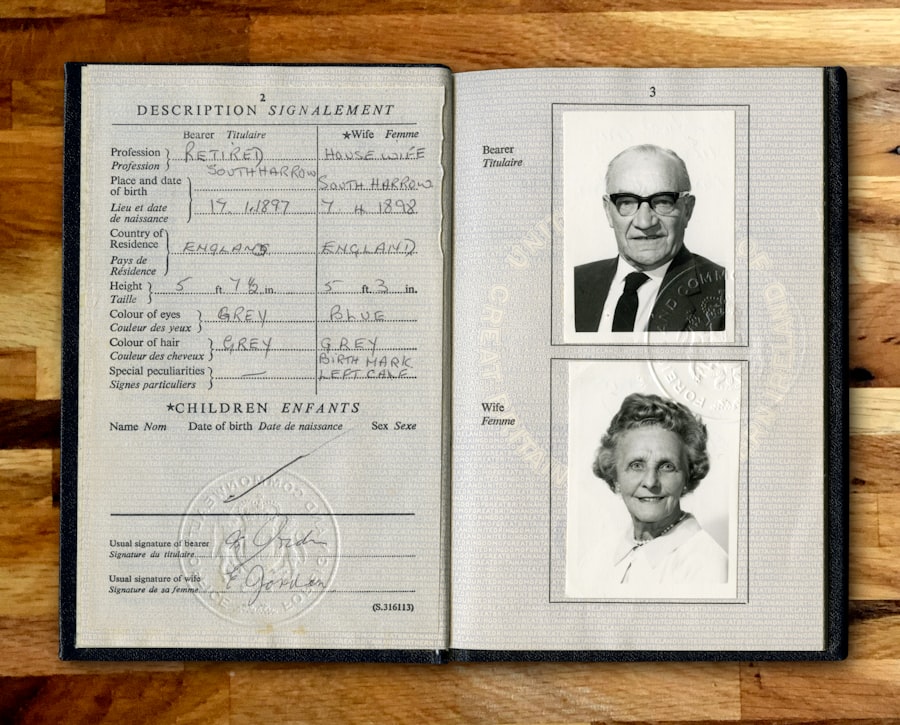
More commonly, prosecutors and defense attorneys must rely on circumstantial evidence to build a case for or against intent. This involves presenting a series of facts and circumstances that, when viewed collectively, lead to a logical conclusion about the accused’s mental state. It’s like assembling a puzzle; each piece might not reveal the whole picture, but together they form a coherent image of intent.
The Nature of the Alteration or Creation
The way a document is altered or created can strongly suggest intent. For instance, a sophisticated forgery that requires skill and planning might imply a greater degree of premeditation and intent than a crude alteration.
Sophistication of the Forgery
A forgery that meticulously replicates an original signature, using similar ink, pen pressure, and style, suggests a deliberate effort to deceive. Conversely, a hastily scrawled signature that bears little resemblance to the genuine one might, in some contexts, suggest a lack of intent or perhaps an attempt to mimic without the intent to defraud (though this is a weaker argument). The careful erasure and rewriting of figures on a financial document, for example, points to a conscious effort to mislead.
Materiality of the Changes
The significance of the alteration to the document’s legal or financial effect is also important. If a minor, inconsequential change is made, it’s harder to argue there was an intent to defraud. However, if the change directly impacts a contract, a check, or official paperwork, the inference of intent becomes much stronger. For example, altering the amount on a check from $50 to $500 is a material change with a clear intent to defraud.
The Forged Document’s Purpose and Context
Understanding why the forged document was created and its intended use can shed significant light on the accused’s motive and intent.
Foreseeable Consequences of the Forgery
The accused is presumed to know the natural and probable consequences of their actions. If the forgery was such that it would foreseeably lead to financial loss for another party, legal consequences, or undue advantage for the accused, then the intent to defraud is more readily inferred. For example, forging a will to increase one’s inheritance clearly demonstrates an intent to defraud other beneficiaries.
Use of the Forged Document
Was the forged document presented to a specific individual or entity? Was it used to gain access to funds, secure a loan, or avoid legal repercussions? The act of using the forged document, especially if it was successful in its deceptive purpose, provides strong evidence of the intent behind its creation. The act of passing a forged check, knowing it’s fake, is a direct manifestation of intent to defraud.
The Accused’s Relationship to the Document and the Victim
The accused’s position of trust or their existing relationship with the person or entity they are defrauding can also be a crucial factor in proving intent.
Position of Trust
If the accused was in a position of trust, such as an accountant with access to financial records, a notary public, or an executor of an estate, their act of forgery might be seen as a more egregious breach of that trust, often implying a higher degree of intent. For example, a treasurer forging financial statements not only commits forgery but also betrays the trust placed in them.
Motive and Gain
While motive is not always a required element of the crime of forgery, it can be highly persuasive evidence of intent. What did the accused stand to gain from the forgery? Was it financial enrichment, avoidance of debt, or revenge? Identifying a clear motive strengthens the argument that the forgery was not an accident but a deliberate act.
Expert Testimony and Forensic Analysis
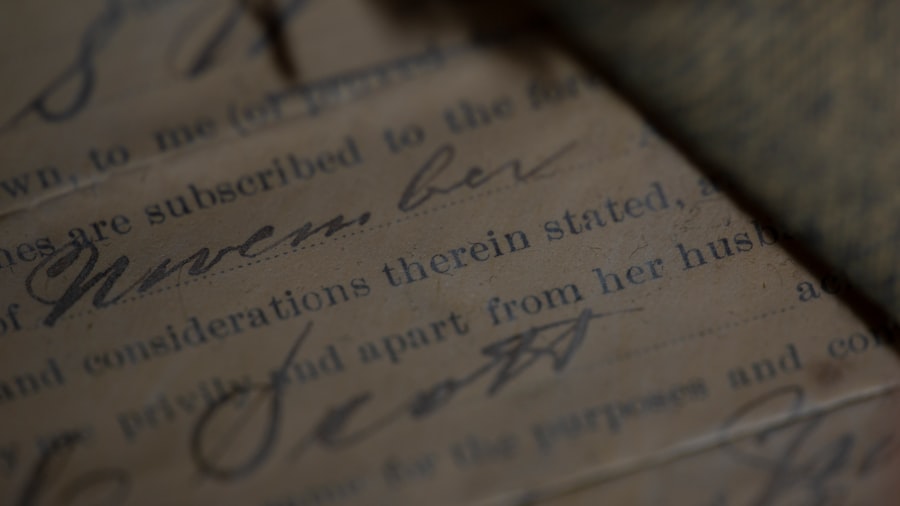
In many forgery cases, the technical aspects of the document itself require expert analysis. Forensic document examiners play a critical role in not only identifying the forgery but also providing insights that can help infer intent.
Handwriting and Signature Analysis
This is a cornerstone of forgery investigation. Experts can compare the disputed signature or handwriting to known samples of the accused’s writing. While this primarily establishes that the accused likely made the mark, it doesn’t directly prove intent. However, the analysis can reveal inconsistencies or deliberate attempts to disguise one’s handwriting, which can be suggestive of intent.
Disguised Handwriting
If an expert identifies deliberate attempts to alter natural handwriting patterns, such as changes in slant, letter formation, or spacing, it can suggest a consciousness of guilt and an intent to conceal the true authorship. This level of manipulation goes beyond a simple error.
Skill Level and Consistency
The skill with which a signature is forged can be telling. A highly skilled forgery might indicate practice and effort, pointing towards greater intent. Conversely, a lack of skill might, in some instances, suggest a less deliberate act, although this is not always the case.
Ink and Paper Analysis
Forensic scientists can analyze the inks and papers used in a document. Tracing the origin of materials and comparing them to known samples can uncover inconsistencies or evidence of age manipulation, which can indirectly support the argument of an intentional deception. For example, using modern ink on an antique-looking document is a clear red flag.
In cases of forgery, establishing intent is crucial for a successful prosecution. A recent article discusses various strategies that can be employed to demonstrate the defendant’s intent, including analyzing their behavior and the context surrounding the alleged forgery. For further insights on this topic, you can read more in this informative piece about how to prove intent in a forgery case at this link. Understanding these nuances can significantly impact the outcome of such legal proceedings.
Common Defenses and How They Address Intent
| Factors to Prove Intent in a Forgery Case | Description |
|---|---|
| Knowledge of the Forgery | Evidence that the individual knew the document was forged |
| Intent to Deceive | Evidence that the individual intended to deceive others with the forged document |
| Benefit or Gain | Evidence that the individual stood to benefit from the forgery |
| Pattern of Behavior | Evidence of a pattern of similar forgeries or fraudulent activities |
| Expert Testimony | Testimony from handwriting experts or other professionals |
Understanding how alleged forgers try to evade responsibility is crucial for anticipating and countering their arguments. Most defenses that focus on the lack of intent often revolve around the idea that the act was not malicious or deceptive.
Accident or Mistake
One of the most common defenses is that the alteration or creation of the document was an accident or a simple mistake. This argument seeks to negate the “intent to defraud” element. For instance, claiming a typo in a contract or a miscalculation on a ledger.
Lack of Knowledge
This defense asserts that the accused did not know the document was forged or altered when they possessed or uttered it. This is particularly relevant to charges of uttering a forged instrument. The prosecution must then prove the accused’s knowledge of the forgery.
Duress or Coercion
In some rare instances, an accused might claim they were forced to commit the forgery under threat or duress. This defense argues that the act was not voluntary and therefore lacks the required intent. However, the degree of duress required to negate intent is usually very high.
Lack of Legal Capacity
While not commonly a primary defense for forgery, in cases involving individuals with severe cognitive impairments, their ability to form the necessary intent might be called into question. This would typically require extensive expert psychological or psychiatric evaluation.
The Role of the Accused’s Actions Post-Forgery
What someone does after a suspected forgery can often provide clearer indications of their intent than the act of forgery itself. These actions can reveal a consciousness of guilt and a desire to cover up their fraudulent activities.
Attempts to Conceal or Destroy Evidence
If the accused actively tries to hide or destroy the forged document, or any related evidence, it strongly suggests they knew the document was illicit and intended to avoid detection. This behavior is often interpreted as an admission of guilt. For example, shredding a forged receipt can imply an intent to hide evidence of fraud.
Evasive Behavior and Lies
When confronted with questions about the document, an accused who gives evasive answers, tells demonstrable lies, or becomes defensive can be seen as trying to cover up their fraudulent actions. While lying alone isn’t proof of forgery, it can be a significant piece of circumstantial evidence when considered alongside other factors.
Subsequent Actions for Financial Gain
If the accused subsequently benefits financially from the forged document, it reinforces the argument that the forgery was undertaken with the specific intent to achieve that gain. The successful exploitation of the forgery points directly back to the initial intent.
Proving intent is a multi-faceted endeavor. It requires a careful and thorough examination of all available evidence, from direct admissions to the subtle nuances of handwriting analysis. My approach, both in preparing a defense or assisting in a prosecution, always begins with clearly identifying the elements of the crime and then systematically gathering and analyzing evidence that speaks directly or indirectly to the accused’s state of mind. The absence of intent is a powerful defense, but the presence of intent, when proven, forms the bedrock of a successful forgery conviction.
FAQs
1. What is forgery?
Forgery is the act of creating, altering, or using a false document with the intent to deceive or defraud. This can include forging signatures, altering contracts, or creating fake identification documents.
2. How is intent proven in a forgery case?
Intent in a forgery case can be proven through evidence such as the individual’s actions, statements, or prior knowledge of the falsity of the document. Intent can also be inferred from the circumstances surrounding the creation or use of the forged document.
3. What evidence is typically used to prove intent in a forgery case?
Evidence used to prove intent in a forgery case can include witness testimony, surveillance footage, forensic analysis of the document, and any communications or documentation related to the creation or use of the forged document.
4. What are the potential consequences of being convicted of forgery?
The consequences of being convicted of forgery can include fines, imprisonment, probation, and a criminal record. The severity of the consequences can vary depending on the specific circumstances of the forgery and the laws of the jurisdiction.
5. What should I do if I am accused of forgery?
If you are accused of forgery, it is important to seek legal representation immediately. Refrain from discussing the case with anyone other than your attorney and cooperate with law enforcement while exercising your right to remain silent.