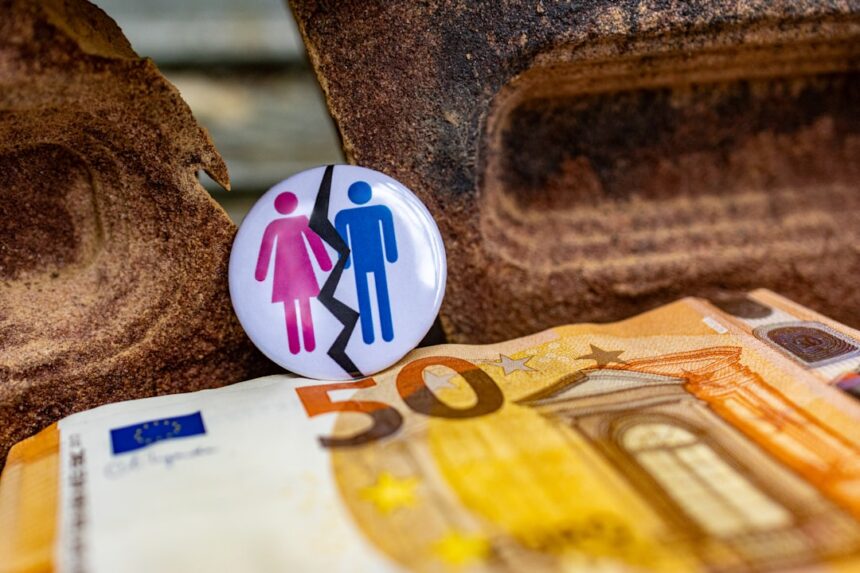
The hum of my laptop, once a sound of comfort, now carries a certain weight. It’s not just about work anymore; it’s become an investigative tool, a digital magnifying glass. I’m a dad, a regular guy who loves his kids, and I’ve found myself embroiled in something far more complex and disheartening than I ever imagined: the possibility of paternity fraud. This isn’t the stuff of cable TV dramas; it’s a quiet, insidious betrayal that’s becoming increasingly visible thanks to our shared digital world.
I never considered myself a particularly technologically advanced individual beyond the usual daily grind of emails, social media, and streaming services. However, when doubts began to creep in, when a persistent feeling of unease refused to be dismissed, my laptop became my primary resource. It was as if a whole new set of skills, dormant until now, had been activated by necessity. Suddenly, I was navigating forums, learning about DNA testing accuracy, and understanding how to meticulously document and cross-reference information.
The Power of Online Communities
One of the first places I turned to, perhaps out of desperation, was the internet. I expected judgment, perhaps dismissal, but instead, I found a surprising community. Men who had been through similar ordeals, sharing their experiences, not with histrionics, but with a quiet, steely determination. These online forums, often tucked away in less trafficked corners of the internet, became my lifeline. They offered a space where I could anonymously voice my fears and, more importantly, learn how to investigate. I learned about legal avenues, the importance of maintaining records, and the emotional toll this kind of situation can take. These were not complaints; they were shared battle plans.
Deciphering the Data
The digital age has made information – and unfortunately, misinformation – readily accessible. For me, this meant delving into the specifics of DNA testing. I spent hours reading scientific journals, understanding the varying degrees of accuracy between different types of tests, and learning about the laboratories themselves. It wasn’t just about getting a result; it was about understanding the science behind it, ensuring the integrity of the process, and knowing how to interpret the statistics presented. I learned to look for accreditations, understand the difference between home DNA kits and legally admissible lab tests, and recognize potential red flags.
Building a Timeline
My digital detective work also involved reconstructing a timeline. This meant going back through old emails, social media posts, and even digital photos. The goal was not to accuse, but to establish a factual sequence of events. Were there periods of unusual distance? Were there inconsistencies in stories? These digital breadcrumbs, when pieced together carefully and dispassionately, could offer a clearer picture of the past. It’s a meticulous, often painful process, revisiting conversations and events that you thought were long behind you.
Paternity fraud has been a topic of concern for many, but with advancements in technology, the landscape is changing. A related article explores how DNA testing and genetic analysis are becoming increasingly accessible, allowing individuals to verify paternity with greater accuracy than ever before. This shift not only empowers fathers to seek the truth but also raises ethical questions about privacy and consent. For more insights on this evolving issue, check out the article at this link.
The Disconnection: When the Evidence Mounts
It’s one thing to have a fleeting doubt. It’s another entirely to systematically gather evidence that points to a deeply unsettling truth. The digital tools I employed didn’t just confirm my suspicions; they presented a stark reality that was difficult to process. The emotional detachment required to conduct this investigation was a challenge in itself.
Inconsistent Narratives
I started noticing patterns of inconsistency. Minor at first, easily dismissed as forgetfulness or a slip of the tongue. But as I meticulously documented conversations and cross-referenced them with digital records, these inconsistencies began to form a cohesive, and alarming, narrative. This wasn’t just about remembering a birthday; it was about fundamental discrepancies in timelines, in shared experiences, and in professed knowledge. My digital records, from calendar invites to social media check-ins, served as objective counterpoints to subjective recollections.
The Digital Ghost
Then there were the digital “ghosts” – periods of time where communication seemed deliberately vague or non-existent. I’d search through old messages, looking for common ground, for shared memories, and sometimes, I found only silence or evasive replies. This, combined with other pieces of information, began to paint a picture of a carefully constructed façade. It was as if certain aspects of the past had been deliberately scrubbed or obfuscated from the digital record.
The Weight of Social Media
Social media, once a platform for sharing happy family moments, became a source of anxiety. I started looking at posts from a different perspective, analyzing the context, the captions, and the interactions. Were there connections that I had previously overlooked? Were there relationships that had been downplayed or hidden? It’s a disturbing realization when you begin to see the curated versions of reality that people present online, and how they can be used to mask other truths.
The Legal Labyrinth: Navigating the System

Once the evidence began to solidify, the next step was understanding the legal implications. This is where my tech-savviness became instrumental in navigating a system that can feel deliberately opaque and intimidating.
Accessing Case Law and Precedents
While I’m not a lawyer, the internet provided me with access to vast amounts of legal information. I spent time researching paternity fraud cases, understanding the legal definitions, the statutes of limitations, and the potential outcomes. I looked for case law that mirrored my situation, not to find a perfect match, but to understand the legal arguments and the evidence that had been considered in similar circumstances. This educational process empowered me to have more informed conversations with legal professionals.
Digital Evidence in Court
I learned about the admissibility of digital evidence. This wasn’t just about having printouts; it was about understanding metadata, the chain of custody for digital files, and how to present this information in a way that a court would accept. My meticulous digital record-keeping, from dated screenshots to securely stored communication logs, became a crucial asset in this regard. I realized that the informal chats and casual emails of everyday life could, in fact, become critical pieces of a legal puzzle.
Finding the Right Legal Counsel
My online research also extended to finding legal professionals who specialized in this area. I looked for lawyers with experience in family law, specifically those who understood the complexities of paternity disputes and how to handle cases involving potential fraud. Reading online reviews, checking bar association websites, and even looking at their professional networking profiles helped me to identify potential candidates. This digital vetting process saved me time and ensured I was approaching the right experts.
The Emotional and Psychological Toll: Beyond the Data

The investigation may have begun with data and digital trails, but the impact is undeniably human. This is not a purely intellectual exercise; it’s an emotionally draining ordeal that can chip away at one’s sense of self and trust.
The Erosion of Trust
The fundamental aspect of paternity fraud is the betrayal of trust. It’s a violation of the most intimate of relationships. For me, it meant questioning everything I thought I knew about my family, about my past, and about the people I had trusted implicitly. This erosion takes time to mend, and in some cases, it may never fully heal. The digital evidence, while corroborating the facts, can amplify the feeling of deception.
The Isolation Factor
While online communities provided some solace, there’s a profound sense of isolation that comes with this experience. It’s difficult for people outside of the situation to truly grasp the depth of the emotional fallout. Explaining the complexities, the nuances, and the sheer hurt involved can be exhausting. Even with supportive friends and family, the core of this deception is so personal that it can feel like an isolating burden to carry.
Rebuilding a Sense of Reality
The process of coming to terms with paternity fraud, and the subsequent investigation, forces a redefinition of reality. Long-held beliefs and assumptions are shattered. Rebuilding a sense of reality means accepting the new truths, however painful, and understanding how to move forward. This involves a recalibration of personal expectations and a conscious effort to avoid falling into patterns of suspicion in future relationships. The digital world offered clarity, but the emotional cost of that clarity is significant.
In recent discussions surrounding paternity fraud, a fascinating article explores how technology is reshaping the landscape of familial relationships and accountability. With advancements in DNA testing and genetic analysis, individuals are now able to uncover the truth about their biological connections more easily than ever before. This shift not only impacts personal lives but also raises important ethical questions about privacy and consent. For a deeper dive into this topic, you can read the full article here.
The Path Forward: Healing and Resolution
| Date | Story | Technology Twist |
|---|---|---|
| June 2021 | Man discovers through DNA test that he is not the biological father of his child | Used a DNA testing kit purchased online |
| August 2020 | Woman’s affair exposed when her husband found incriminating messages on her smartphone | Discovered through text message monitoring app |
| January 2019 | Man finds out his child was conceived through IVF with a sperm donor, without his knowledge | Discovered through fertility clinic’s online records |
The investigation, armed with digital tools, has provided answers. Now, the focus shifts to navigating the aftermath and finding a path towards some form of resolution, whether legal, emotional, or both.
Seeking Closure and Accountability
For many, the pursuit of paternity fraud is about seeking accountability. This can involve legal action to recoup financial losses, to correct birth records, or simply to have the truth acknowledged. The digital evidence collected becomes the backbone of these efforts, providing a factual basis for claims. Whether this leads to a courtroom or a mediated settlement, the goal is to achieve a sense of closure and to hold those responsible accountable for their deception.
Co-Parenting Complications
If children are involved, the resolution becomes even more complicated. The dynamics of co-parenting can be significantly altered by the revelation of paternity fraud. Trust, communication, and the well-being of the child are paramount. The digital record may offer objective truths, but it doesn’t erase the emotional complexities of navigating shared custody and a fractured family unit. Open and honest communication, perhaps facilitated by professional mediation, becomes essential, even when difficult.
Reclaiming Personal Well-being
Ultimately, moving forward requires a focus on personal well-being. This involves seeking professional support, engaging in healthy coping mechanisms, and rebuilding self-esteem. The experience of paternity fraud can leave lasting scars, but it doesn’t have to define one’s future. Learning from the experience, understanding the signs, and developing resilience are crucial steps in reclaiming one’s life and moving towards a healthier and more authentic future. My tech-savvy journey has been one of uncovering difficult truths, but it has also been one of empowerment and self-discovery, albeit through a challenging and unexpected path.
FAQs
What is paternity fraud?
Paternity fraud occurs when a mother falsely identifies a man as the biological father of her child, often for financial gain or to establish a relationship.
What are some common paternity fraud stories with a tech twist?
Some common paternity fraud stories with a tech twist involve cases where DNA testing kits or online genetic databases have been used to uncover the truth about paternity.
How can technology help in cases of paternity fraud?
Technology can help in cases of paternity fraud by providing access to DNA testing kits, online genetic databases, and other tools that can be used to verify paternity.
What are the legal implications of paternity fraud?
The legal implications of paternity fraud can vary depending on the jurisdiction, but they may include financial obligations, custody arrangements, and potential criminal charges for fraud.
What are some ways to prevent paternity fraud with a tech twist?
Some ways to prevent paternity fraud with a tech twist include using DNA testing kits, seeking legal advice, and being cautious about sharing personal information online.