
The air in the Grand Ballroom of the Zenith Convention Center had been thick with anticipation. Crystal chandeliers refracted the light, casting a warm, almost theatrical glow on the hundreds of assembled guests. Suits were sharp, dresses shimmered, and the murmur of polite conversation mingled with the clinking of champagne flutes. It was the annual Zenith Corp. Gala, an event designed to celebrate achievements, foster goodwill, and, let’s be honest, reinforce our corporate image. I was there, mingling, trying to make small talk with department heads and clients, feeling the familiar blend of professional obligation and mild boredom. Then, it happened. Not with a bang, but with a peculiarly quiet, digital implosion.
It started subtly, a flicker on the vast LED screen that dominated one wall of the ballroom. Initially, I, like most others, dismissed it as a minor technical glitch. A pixelated anomaly no doubt. But the anomalies multiplied, spreading like a digital rash across the screen. Then, individual systems began to falter.
Initial Glitches: From Flickering to Frozen
- Presentation Stutters: The carefully curated slideshow showcasing Zenith Corp.’s fiscal year highlights began to stutter, then freeze. Images of soaring profits and ambitious future projects dissolved into static or bizarre, distorted fragments.
- Audio Malfunctions: The live band, mid-performance of a rather bland instrumental piece, abruptly cut out, replaced by a piercing electronic whine that set teeth on edge. Microphones crackled with incoherent bursts of static.
- Lighting Irregularities: The elegant lighting system, designed to create ambiance, began to flicker erratically, plunging sections of the ballroom into Stygian darkness before lurching back to life in jarring, unnatural hues.
These were just the initial symptoms, like a faint fever before a full-blown illness. The more sophisticated systems, the ones that underpinned the entire event’s logistical and aesthetic execution, were the first to truly succumb.
The Network Under Siege
My own tablet, which I’d been using briefly to check an urgent email before putting it away, suddenly sprang to life, displaying a cascade of what looked like random characters and code. It wasn’t just my tablet. Across the room, I saw others similarly affected. Phones buzzed incessantly, screens going black, then displaying nonsensical messages.
Unidentified Data Streams
- Metadata Overload: It became apparent that this wasn’t a random failure. The information flooding our devices, and more importantly, the convention center’s core network, wasn’t just junk data. It was structured, albeit in a way none of us immediately recognized. It felt like an overwhelming influx of information, designed to disrupt rather than destroy.
- Exotic Code Signatures: IT staff, identifiable by their discreet black badges, began to move with a visible sense of urgency, their faces etched with concern. Whispers started about “unfamiliar protocols” and “non-standard packet structures.” The term “metadata bomb” began to circulate, a phrase that sounded more like science fiction than a real-world cyber threat.
The sheer volume and speed of the data influx were staggering. It wasn’t a brute-force attack, designed to overwhelm with sheer data volume. This was something more insidious, a targeted manipulation of the very metadata that makes our digital systems function.
At the recent corporate gala event, discussions surrounding the implications of a metadata bomb took center stage, highlighting the potential risks and challenges organizations face in managing digital information. For those interested in exploring this topic further, a related article can be found at this link, which delves into the intricacies of metadata management and its impact on corporate data strategies.
The “Metadata Bomb” Explained – Or at Least, Suspected
As the panic began to set in, hushed conversations amongst the IT professionals started to offer a glimpse into what was happening. The term “metadata bomb” wasn’t a standard cybersecurity term I was familiar with, and it seemed to be a descriptor they were improvising in the face of an unprecedented event.
Beyond Simple Denial-of-Service
- Exploiting System Dependencies: The core idea, as I pieced it together from snippets of technical jargon, was that the attackers weren’t simply trying to shut down systems. They were targeting the auxiliary data – the metadata – that describes and manages other data. This includes things like file formats, permissions, timestamps, and system configuration details.
- Corrupting the Fabric of Information: By injecting corrupted or malformed metadata, they were effectively poisoning the well for every system that relied on that information to process or access anything. It was like meticulously defacing the index of a library, rendering all the books unreadable.
This wasn’t about stealing intellectual property or encrypting our files for ransom. This was about rendering our entire digital infrastructure unusable, a digital equivalent of releasing a highly contagious, system-specific virus.
The “Bomb” Analogy
- Explosive Disruption: The “bomb” in “metadata bomb” wasn’t about a physical explosion, of course. It was about the instantaneous, widespread, and catastrophic disruption of normal operations. The data injection was designed to propagate rapidly, triggering failures across interconnected systems.
- Remote Detonation: It was also implied that this ‘bomb’ was remotely detonated, a pre-planted digital payload that was triggered at a specific time or under specific conditions – in this case, during our most high-profile corporate event.
The sheer audacity of targeting a gala event, a symbol of corporate success and stability, was chilling. It suggested not just technical prowess, but a deliberate intent to humiliate and disrupt.
The Human Element: Panic and Professionalism
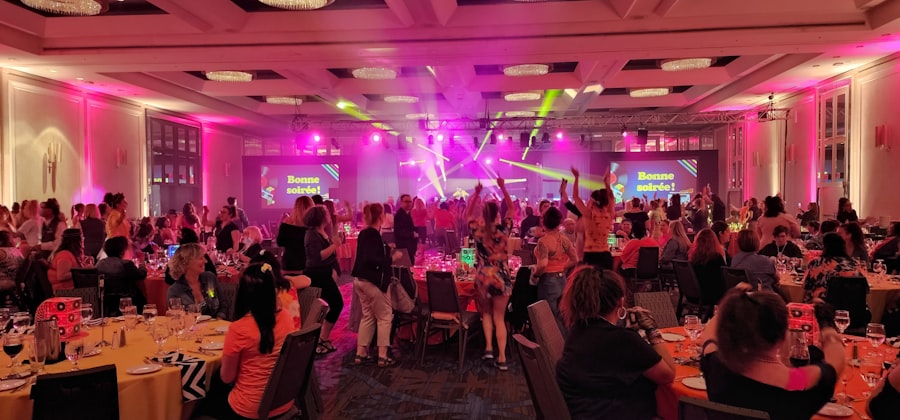
In the midst of the technological meltdown, the human response was a study in contrasts. While some guests reacted with visible alarm, others maintained a surprising degree of composure, a testament, perhaps, to years of navigating corporate crises.
Initial Reactions: From Confusion to Concern
- Whispers and Wide Eyes: The initial confusion gave way to nervous whispers as the extent of the problem became clearer. Faces that minutes before were smiling and engaged now reflected worry and a dawning sense of unease.
- The Retreat of the VIPs: The more senior executives, often the most visible targets, were quickly and discreetly escorted away by security personnel. Their departure only amplified the sense that something serious was afoot.
I found myself observing the scene, a detached analyst amidst the unfolding chaos. My own initial thought was less about personal inconvenience and more about the implications for the company.
The IT Team’s Response: A Race Against Time
- Focused Silences: The IT department, a normally unobtrusive group, were now the focal point. They moved with a desperate, yet organized, efficiency, their faces illuminated by the glow of their still-functioning (or attempting to function) diagnostic equipment.
- Frantic Keyboards: The sound of rapid typing, interspersed with quiet exclamations of frustration, filled the air, a stark counterpoint to the earlier, more festive sounds. They were working on a problem with no immediate playbook.
I saw one young technician, normally placid, grip his desk so tightly his knuckles were white. The pressure they were under was immense, not just to fix the problem, but to do it without further escalating the panic.
The Fallout: Beyond the Ballroom
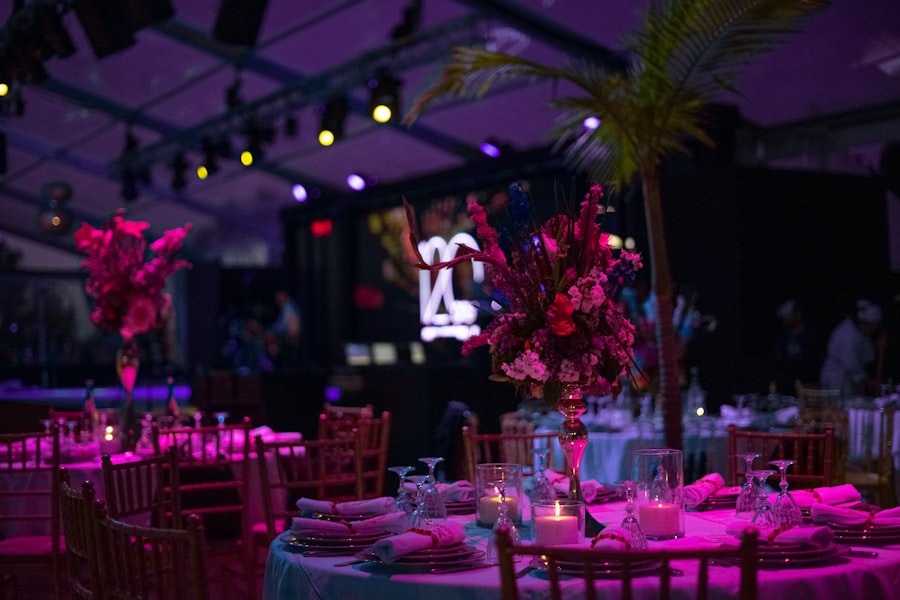
While the immediate impact was concentrated within the Zenith Corp. Gala, the implications rippled far beyond the Grand Ballroom. The systems that failed at the gala were the same systems that underpinned our daily operations.
Immediate Operational Disruptions
- Communication Blackout: Not long after the ballroom incident, word started filtering in from colleagues trying to reach us. Our internal communication systems, email servers, and even our main corporate website were experiencing cascading failures. The gala was just the canary in the coal mine.
- Customer Service Paralysis: For departments directly interacting with clients, this was catastrophic. Orders couldn’t be processed, inquiries couldn’t be answered, and support lines were either jammed or completely dead. This immediately translated into lost revenue and damaged customer relationships.
Long-Term Implications: Trust and Reputation
- Erosion of Confidence: The most significant fallout, in my opinion, was the blow to corporate trust. A company’s reputation is built on its reliability. To be subjected to such a public and disruptive attack, especially during a celebratory event, shatters that perception of stability.
- Increased Scrutiny: We could anticipate increased scrutiny from regulators, investors, and the public. Questions would arise about our cybersecurity defenses, our preparedness, and our ability to safeguard sensitive data and operations.
This wasn’t just a temporary inconvenience; it was a fundamental challenge to our operational integrity and our market standing.
During the recent corporate gala event, discussions around the implications of a metadata bomb sparked significant interest among attendees, highlighting the need for greater awareness of digital security. This topic is further explored in a related article that delves into the complexities and potential consequences of such incidents. For more insights, you can read the full article on this subject here. The conversation at the gala emphasized the importance of safeguarding corporate data in an increasingly interconnected world.
The Investigation and the Lingering Questions
| Event | Location | Date | Number of Attendees | Impact |
|---|---|---|---|---|
| Corporate Gala Event | City Convention Center | October 15, 2022 | 500 | Metadata Bomb |
As the immediate crisis began to be managed, the focus shifted to understanding how this happened and who was responsible. The investigation, I was informed, would be extensive and painstaking.
Tracing the Digital Footprints
- Sophisticated Attack Vectors: Authorities and our own cybersecurity experts would be meticulously examining every log, every packet, every anomaly to trace the origin of the metadata bomb. The sophistication of the attack suggested a well-funded and highly skilled adversary.
- Potential Motives: The investigation would also delve into potential motives. Was this a geopolitical act, a competitive sabotage, a disgruntled former employee, or something entirely new?
The Unanswered Threat Landscape
- A New Class of Cyberweapon: The “metadata bomb” itself represented a new and disturbing development in the cyber warfare landscape. It demonstrated a capability to disrupt systems in a way that was difficult to detect and even harder to defend against.
- The Future of Corporate Security: This event served as a stark reminder that the threat landscape is constantly evolving. We, as a corporation, and indeed, businesses globally, need to reassess our defensive strategies and invest in proactive measures to counter these emerging threats, before the next “bomb” detonates.
The gala, intended to be a showcase of Zenith Corp.’s success, had tragically become a display of its vulnerability. The lingering questions were more pressing than the answered ones, and the path forward, shrouded in the uncertainty of the digital shadows, would be a challenging one.
FAQs
What is a metadata bomb?
A metadata bomb is a technique used to embed hidden data within a file, such as a photo or document, that can be used to track and identify the source of the file.
How can a metadata bomb be used at a corporate gala event?
A metadata bomb could be used at a corporate gala event to embed information such as the photographer’s name, company logo, or event details into the photos taken at the event. This information could then be used for marketing, branding, or tracking purposes.
What are the potential risks of a metadata bomb at a corporate gala event?
The potential risks of a metadata bomb at a corporate gala event include privacy concerns, as the embedded data could reveal sensitive information about attendees or the event itself. Additionally, if the embedded data is not properly managed, it could lead to unauthorized use or distribution of the photos.
How can companies protect themselves from metadata bombs at corporate events?
Companies can protect themselves from metadata bombs at corporate events by implementing strict guidelines for photo and document sharing, using metadata removal tools, and educating employees and event staff about the risks of embedded data.
What are some best practices for managing metadata at corporate events?
Some best practices for managing metadata at corporate events include regularly reviewing and removing embedded data from files, using secure file sharing platforms, and obtaining consent from attendees before sharing photos or documents from the event.