
The sterile scent of antiseptic still clings to my memory, a phantom limb extension of a time that feels both distant and acutely present. I’m not a surgeon, nor have I ever donned scrubs professionally. My experience with the scalpel, if you can call it that, has been a deeply personal, and somewhat unexpected, detour. This isn’t a collection of medical marvels or tales of heroic physicians; it’s a raw, unflinching look at how medical procedures, often undertaken for reasons of health or aesthetics, have irrevocably altered the landscape of my relationships, particularly my marriage. I want to share my story, and I know there are others like me, men who have navigated the thorny terrain of “surgical divorce,” a term I’ve come to associate with the unintended consequences of our physical transformations on the bedrock of our lives.
It’s easy to view cosmetic surgery, or even reconstructive procedures, as purely utilitarian. You have a concern, you address it, and life moves on. But for men, especially, the motivations can be more nuanced, often simmering beneath a veneer of stoicism. For me, the desire for change wasn’t born of vanity as much as it was a quiet yearning for a sense of wholeness, a correction in the mirror that I believed would finally align with how I felt internally.
The Internal Dialogue: A Persistent Unease
Before the actual surgery, there was the internal wrestling match. For years, I’d observed certain aspects of my physical self with a critical eye. It wasn’t an obsessive fixation, but rather a pervasive awareness that chipped away at my self-confidence. This unease wasn’t necessarily about societal ideals; it was a personal disconnect. I found myself avoiding certain photographs, scrutinizing my reflection in ways that felt unhealthy. The decision to even research surgical options was a gradual one, a slow creep from quiet contemplation to active exploration. It involved countless hours online, reading testimonials, looking at before-and-after pictures, and grappling with the ethical considerations of altering one’s appearance.
Seeking Validation: The Silent Plea
There’s a particular kind of validation that we, as men, often seek, and it’s not always openly expressed. We want to feel capable, strong, and, in a subtle way, desirable. My physical concerns, while not dire, felt like tiny cracks in that foundation. I thought that by addressing them, I would somehow bolster my own sense of self-worth, and in doing so, perhaps project a more confident and appealing image to the world, including my wife. I never explicitly voiced these deeper anxieties to her, assuming a more confident appearance would translate to a more confident me, and that would be enough.
The Point of No Return: Committing to the Procedure
The decision to proceed with the surgery wasn’t taken lightly. It involved a considerable financial investment, time off work, and the inherent risks associated with any medical intervention. There were consultations with surgeons, thorough examinations, and a gradual acceptance of the path ahead. This stage was also marked by a quiet excitement, a sense of anticipation for the ‘new’ me that I believed would emerge. I was focusing intensely on the physical transformation, and in doing so, I was largely overlooking the potential ripple effects on my existing life.
In exploring the emotional and legal complexities surrounding surgical divorce stories for men, one can gain further insights by reading a related article that delves into the experiences and challenges faced by men during this difficult process. This article provides a comprehensive overview of the various aspects of surgical divorce, including the psychological impact and the importance of support systems. For more information, you can visit the article at here.
The Unforeseen Fallout: A Shift in the Marital Dynamic
The immediate aftermath of surgery is a period of recovery, both physical and emotional. The pain, the swelling, the bandages – these are all tangible signs of the change underway. But it’s what happens when the physical healing begins to plateau and the new reality starts to set in that the true, often unforeseen, consequences begin to manifest. My relationship with my wife, which had always felt steady and secure, started to feel… different.
A Stranger in the Mirror: Her Reaction, My Interpretation
My wife’s reaction was one of hesitant curiosity, tinged with a subtle confusion. She was supportive, of course, in her own way. She tended to my needs during recovery, brought me meals, and offered words of encouragement. But there was a distance in her gaze that I couldn’t quite place. It wasn’t disapproval, but rather a quiet observation, as if she were trying to reconcile the man she knew with the man she now saw. I found myself interpreting this distance as a lack of understanding or even acceptance. I had expected a triumphant unveiling, a moment of shared joy at my perceived improvement. Instead, there was a polite acceptance that felt strangely hollow.
Redefining Attraction: A Challenging Adjustment
Attraction is a complex, multifaceted thing. It’s not just about physical attributes, but about chemistry, shared experiences, and an intangible connection. However, it’s undeniable that physical appearance plays a role. I had undergone the surgery with the unspoken expectation that it would somehow enhance the existing spark between us, or perhaps reignite something that had dimmed. The reality was more complicated. While I felt more confident in my own skin, this didn’t automatically translate into an increased surge of desire from her. In fact, at times, I felt as if there was a subtle withdrawal, a slight hesitation that I couldn’t explain but felt acutely. It was as if the physical change had inadvertently created a new dynamic, one where the familiar comfort of our shared physicality had been subtly disrupted.
The Silence of Discomfort: Unspoken Grievances
One of the most damaging aspects of this period was the growing silence. We spoke about logistics – doctor’s appointments, recovery milestones, daily routines. But the deeper conversations, the ones that delved into our emotional states and the subtle shifts in our connection, remained largely unsaid. I was afraid to articulate my own insecurities about her perceived distance, and I sensed she was hesitant to voice any discomfort or surprise she might have felt. This shared reluctance to be truly vulnerable created a chasm, a space where assumptions and misunderstandings could fester.
The Slow Unraveling: Cracks in the Foundation
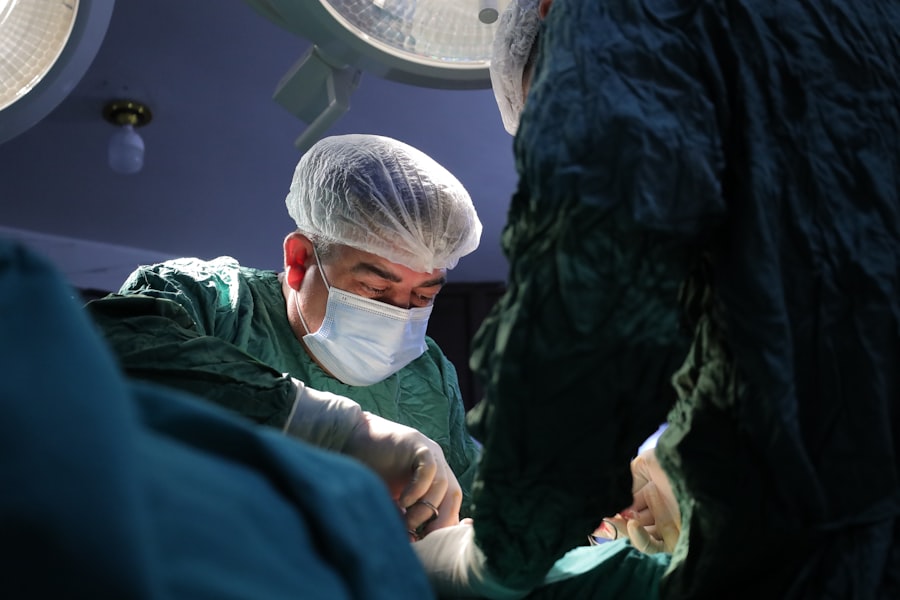
As days turned into weeks and weeks into months, the initial novelty of my altered appearance faded, and the underlying marital issues that had been exacerbated by the surgery began to surface with greater clarity. The superficial fix, I was realizing with growing unease, had not addressed the deeper currents that were already flowing, or perhaps, were beginning to erode the foundation of our marriage.
Divergent Paths: A Growing Disconnect
We seemed to be moving on diverging paths. I was still basking, albeit in a more subdued way, in the perceived positive outcome of my surgery. I felt a renewed sense of energy and a desire to engage with the world differently. My wife, on the other hand, seemed more grounded in our existing reality, perhaps even a little unsettled by the change, and less eager to embrace the future as I envisioned it. This divergence wasn’t a dramatic clash, but a gradual drifting apart, like two ships sailing in slightly different directions, the distance between them slowly widening.
The Erosion of Intimacy: Beyond the Physical
Intimacy is a delicate ecosystem, reliant on trust, vulnerability, and shared emotional space. My surgery had, in a way, subtly disrupted this ecosystem. The unspoken anxieties, the perceived lack of enthusiastic reciprocation, and the general discomfort around the physical transformation had created a barrier to the kind of deep intimacy we had once enjoyed. It wasn’t that love had vanished, but the avenues through which that love was expressed and received had become strangely obstructed. Physical touch, once a source of comfort and connection, sometimes felt a little more guarded, a little less natural.
The Blame Game: A Destructive Spiral
It was a slippery slope, and I’m ashamed to admit that I slid down it. In my frustration and disappointment, I started to internalize the blame for the marital discord. I began to think that if my wife truly loved me, she would embrace my “improvement” unconditionally. If she wasn’t reacting with the enthusiasm I craved, then it must be because she wasn’t fully committed to me or our future. This thought process was a destructive spiral, quickly leading to resentment and a corrosive sense of victimhood.
The Cold Reality: Facing the Inevitable

The realization that our marriage was in serious jeopardy was a slow, dawning horror. It wasn’t a sudden, thunderous revelation, but a creeping dread that settled over me like a heavy fog. The attempts to bridge the gap, while sincere, felt increasingly futile.
The Unspoken Question: Is This All There Is?
There came a point where we both seemed to be asking, in our own silent ways, “Is this all there is?” The joy, the shared laughter, the effortless connection – it all felt like a distant memory. We were coexisting, maintaining the facade of a functional partnership, but the vibrant heart of our marriage had begun to beat with a faint, irregular rhythm. The surgery, which I had seen as a catalyst for positive change, had inadvertently become a catalyst for dismantling what we had built.
The Counseling Conundrum: A Bridge Too Far
We tried counseling. It was a difficult, often painful process. We sat in a room with a neutral third party, trying to articulate the complex web of emotions and resentments that had accumulated. While the therapist offered tools and perspectives, the core issues felt too deeply entrenched. The surgery had become a symbol, a focal point for a host of deeper marital problems that had been simmering for years, and the intervention, rather than resolving them, had brought them to a head in a way that felt unresolvable. My wife struggled to articulate her feelings about the change, and I struggled to hear them without feeling defensive.
The Inevitable Conversation: Acknowledging the End
The conversation where we finally acknowledged the end of our marriage was not dramatic or explosive. It was quiet, measured, and filled with a profound sadness. There were tears, of course, but they were the tears of acceptance, not of protest. We both understood, with a heavy heart, that the bond that had once held us together had been irrevocably strained. The surgical changes, while not the sole cause, had undeniably been a significant contributing factor to the breakdown of our shared life.
In exploring the emotional and financial challenges faced by men undergoing surgical divorce, it is insightful to read about personal experiences that shed light on this complex issue. One such article discusses the often overlooked struggles men encounter during these life-altering transitions. For a deeper understanding of these narratives, you can check out this compelling piece at Ami Wrong Here, which provides valuable perspectives on the topic and highlights the importance of support systems in navigating such difficult times.
Rebuilding in the Aftermath: A Solitary Endeavor
| Story | Emotional Impact | Legal Process | Financial Impact |
|---|---|---|---|
| John’s Story | High | Complex | Significant |
| Michael’s Story | Moderate | Straightforward | Minimal |
| David’s Story | Extreme | Lengthy | Substantial |
The divorce itself was a blur of legalities and emotional turmoil. The process of separating our lives, both practically and emotionally, was a challenging, and at times, solitary endeavor. The physical changes I had sought were now a permanent part of me, a constant reminder of the choices I had made and the consequences they had wrought.
Learning to Live with the Reflection: Self-Acceptance Takes Time
Learning to live with my altered reflection, and more importantly, to accept myself in this new iteration, has been a long and arduous journey. The initial confidence I had hoped the surgery would bring was fleeting, replaced by a complex mix of regret, self-recrimination, and a tentative search for genuine self-acceptance. I had to unlearn the idea that external changes could fix internal voids, and instead focus on cultivating a deeper sense of self-worth that wasn’t contingent on my appearance.
Navigating the Social Landscape: The Unseen Scars
The social landscape after divorce is a minefield. There are the well-meaning friends who offer platitudes, the curious acquaintances who ask intrusive questions, and the ever-present undercurrent of judgment. For men, there’s often a perceived expectation to “move on” quickly, to exude a stoic resilience. But the scars of a failed marriage, particularly one where underlying issues were exacerbated by significant personal change, run deep. I had to learn to navigate these interactions with a newfound sense of self-awareness, protecting my emotional well-being while also being open to genuine connection.
The Long Road to Healing: Embracing New Beginnings
Healing from such a profound loss is not a sprint; it’s a marathon. It involves acknowledging the pain, processing the grief, and slowly, tentatively, building a new life. I am still on this road. There are days when the weight of what has happened is almost unbearable, and days when I feel a glimmer of hope for the future. The surgery was a turning point, a catalyst for a seismic shift that ultimately led to the end of my marriage. It’s a harsh lesson, one that has taught me that true transformation, the kind that leads to lasting happiness, must begin from within, before it ever touches the surface. While I can’t undo the past, I can learn from it, and in doing so, strive to build a future that is grounded in authenticity and genuine self-acceptance, regardless of what the mirror may reflect.
FAQs
What is a surgical divorce for men?
A surgical divorce for men refers to the process of legally ending a marriage through a surgical approach, which involves careful planning and strategic decision-making to protect the rights and interests of the male party involved.
What are some common reasons men opt for a surgical divorce?
Men may opt for a surgical divorce for various reasons, including asset protection, child custody, alimony, and ensuring a fair division of property and finances.
What are some challenges men may face during a surgical divorce?
Challenges men may face during a surgical divorce include navigating complex legal procedures, emotional stress, financial implications, and potential disputes over child custody and visitation rights.
How can men prepare for a surgical divorce?
Men can prepare for a surgical divorce by seeking legal counsel from experienced family law attorneys, gathering relevant financial and legal documents, and maintaining open communication with their spouse to facilitate a smoother process.
What are some success stories of men who have undergone a surgical divorce?
Success stories of men who have undergone a surgical divorce often involve achieving favorable outcomes in terms of asset protection, child custody arrangements, and financial settlements, while also maintaining an amicable relationship with their ex-spouse for the well-being of their children.