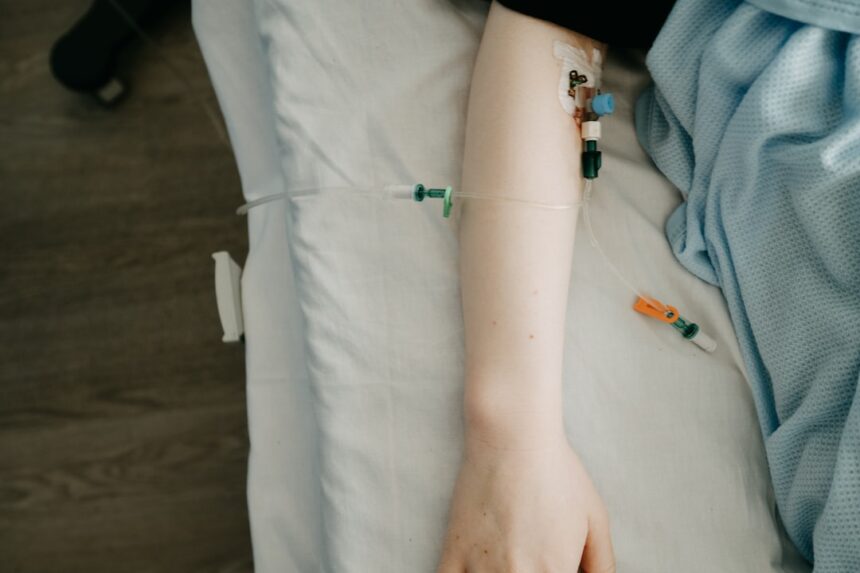
It was an ordinary day, or so I thought. I had just settled into my routine, sipping coffee and preparing for a meeting that seemed mundane at best. Suddenly, the atmosphere shifted dramatically. A loud crash echoed through the office, followed by a series of panicked shouts. My heart raced as I rushed toward the source of the commotion, only to find a colleague collapsed on the floor, clutching his chest in distress. The sight was jarring; it felt surreal, as if I were watching a scene unfold in a movie rather than experiencing it firsthand. In that moment, time seemed to stretch and contract simultaneously. I could hear my own heartbeat thundering in my ears, drowning out the chaos around me. I instinctively knelt beside him, trying to assess the situation. Others gathered around, their faces etched with concern and confusion. It was clear that this was no ordinary incident; we were witnessing an emergency that required immediate action. My mind raced through the possibilities, and I felt a surge of adrenaline as I realized that every second counted.
Key Takeaways
- Unexpected emergencies can happen at any time and being prepared is crucial.
- Nurses are often the first responders in emergency situations and their quick response can be life-saving.
- A timely and accurate diagnosis can make a significant difference in the outcome of an emergency.
- Staying calm under pressure is essential for making quick and effective decisions in emergency situations.
- Training and experience are key factors in how individuals respond to and handle emergency situations.
The Nurse’s Swift Response
Just as panic began to set in among the onlookers, a nurse who happened to be visiting the office rushed forward. Her presence was like a beacon of hope amidst the turmoil. With a calm demeanor and a sense of urgency, she quickly assessed the situation.
I watched in awe as she took charge, her movements precise and deliberate. She instructed someone to call 911 while she knelt beside my colleague, checking for vital signs and asking him questions to gauge his level of consciousness. Her swift response was nothing short of remarkable.
It was evident that she had encountered emergencies like this before; her confidence radiated as she worked efficiently to stabilize him. I could see her focus sharpen as she communicated with him, urging him to stay with her while she performed basic life support measures. In that moment, I realized how crucial it was to have someone with her expertise present during such a crisis.
Her training kicked in, and she became the anchor in a storm of uncertainty.
A Life-Saving Diagnosis
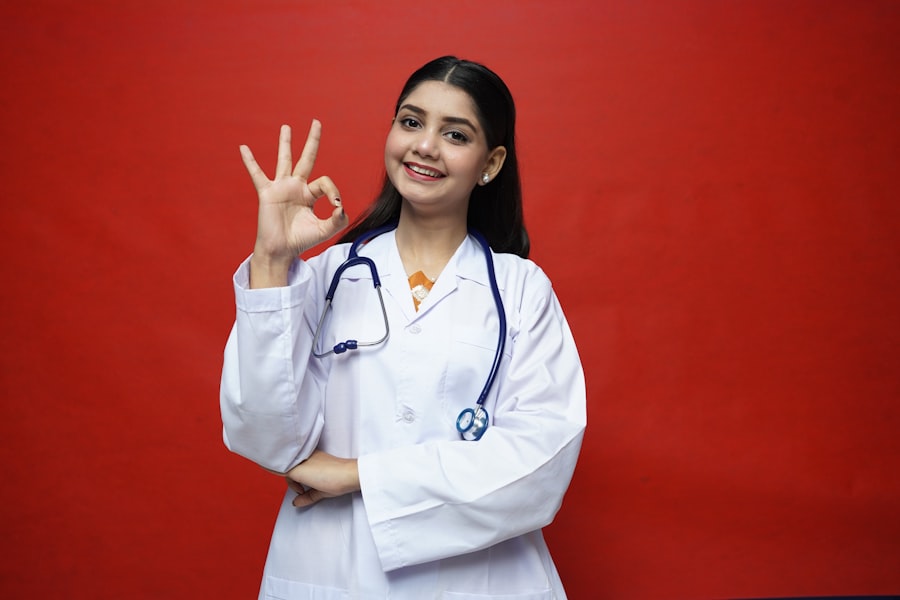
As the nurse continued her assessment, she quickly recognized the signs of a heart attack. Her ability to diagnose the situation so rapidly was astonishing. She relayed her findings to the emergency responders as they arrived, ensuring they had all the necessary information to provide immediate care.
I marveled at how she remained composed under pressure, articulating her observations with clarity and precision. The gravity of the situation weighed heavily on me as I listened to her explain the symptoms and what had transpired leading up to the collapse. It was a stark reminder of how fragile life can be and how quickly circumstances can change.
The nurse’s quick thinking not only helped in diagnosing my colleague’s condition but also set the stage for the medical team to act swiftly upon their arrival.
The Calm Under Pressure
| Metrics | Data |
|---|---|
| Stress Level | Low |
| Heart Rate | Normal |
| Reaction Time | Quick |
| Breathing Rate | Steady |
In the midst of chaos, the nurse’s calmness was palpable. It was as if she had created an oasis of tranquility amid the storm of emotions swirling around us. While others were visibly shaken, she maintained her focus on my colleague, reassuring him with her words and touch.
Her ability to remain composed inspired those around her to do the same; it was as if her confidence was contagious. I found myself reflecting on how crucial it is to have individuals who can maintain their composure during emergencies. The nurse’s calm demeanor not only provided comfort to my colleague but also instilled a sense of hope in all of us witnessing the event unfold.
It reminded me that in moments of crisis, having someone who can think clearly and act decisively can make all the difference between life and death.
The Importance of Training and Experience
As I observed the nurse in action, I couldn’t help but think about the extensive training and experience that had prepared her for this moment. Her ability to assess the situation quickly and accurately was not merely instinctual; it was a culmination of years spent honing her skills in various medical settings. This incident underscored the importance of proper training for healthcare professionals and how it equips them to handle emergencies effectively.
The nurse’s expertise reminded me that emergencies can happen anywhere—at work, at home, or in public spaces—and having trained individuals ready to respond is vital. It made me appreciate the countless hours healthcare workers dedicate to their education and practice, often under challenging circumstances. Their commitment ensures that when crises arise, they are prepared to step in and provide life-saving care.
The Impact of Quick Thinking
The nurse’s quick thinking had an immediate impact on my colleague’s chances of survival. By recognizing the signs of a heart attack early on and initiating appropriate measures, she bought precious time until professional medical help arrived. It was a powerful reminder of how critical it is to act swiftly in emergencies; hesitation can lead to dire consequences.
As I reflected on that day, I realized that quick thinking is not just about having knowledge; it’s about being able to apply that knowledge effectively under pressure. The nurse’s ability to remain focused and decisive in such a high-stress situation exemplified this principle perfectly. Her actions not only saved my colleague’s life but also served as an inspiration for all of us who witnessed her heroism.
Gratitude and Appreciation
In the aftermath of the incident, feelings of gratitude washed over me like a warm tide. I felt an overwhelming appreciation for the nurse who had stepped in when we needed her most. Her selflessness and dedication were evident in every action she took that day.
It was heartening to know that there are individuals like her who are willing to put themselves on the line for others. I also felt grateful for my colleagues who rallied together during those tense moments. The way everyone came together—some calling for help while others provided support—was a testament to our shared humanity.
It reminded me that even in times of crisis, we can find strength in unity and compassion for one another.
The Aftermath and Recovery
In the days following the incident, my colleague began his recovery journey in the hospital. Thanks to the swift actions of the nurse and emergency responders, he received timely treatment that ultimately saved his life. As news spread throughout our office about what had transpired, we all felt a renewed sense of appreciation for our health and well-being.
Witnessing his recovery process was both uplifting and humbling. It served as a reminder of how fragile life can be and how quickly things can change. Each day brought new challenges for him, but he faced them with resilience and determination.
I often thought back to that day—the chaos, fear, and ultimately hope—and how it had transformed our perspective on life.
Recognizing Heroic Actions
As time passed, it became clear that we needed to recognize the heroic actions of the nurse who had intervened that day. Her bravery and quick thinking had made all the difference in my colleague’s life, and it was essential that we honor her contributions publicly. We organized a small gathering at our office where we could express our gratitude and share our stories about that fateful day.
During this gathering, we invited her to speak about her experiences as a nurse and what drives her passion for helping others. Listening to her recount her journey filled us with admiration; it was evident that she viewed her work not just as a job but as a calling. Recognizing her actions not only celebrated her heroism but also highlighted the importance of healthcare professionals in our communities.
Sharing the Story
In sharing our story with others, I realized how powerful it could be in raising awareness about emergency preparedness and response. We decided to document our experience through various channels—social media posts, articles, and even local news outlets—to spread the message about the importance of knowing how to respond during emergencies. By sharing our story, we hoped to inspire others to take action—whether it be learning basic first aid skills or advocating for more training opportunities within their workplaces.
It became clear that our experience could serve as a catalyst for change, encouraging individuals to be proactive rather than reactive when faced with emergencies.
Promoting Awareness and Preparedness
Ultimately, my experience that day reinforced the need for greater awareness and preparedness regarding health emergencies in our communities. We began organizing workshops focused on first aid training and CPR certification for our colleagues and friends, aiming to equip more people with essential skills that could save lives. Promoting awareness about emergency preparedness became a mission for us; we wanted others to understand that anyone can make a difference in critical situations if they are equipped with knowledge and confidence.
As we continued our efforts, I felt hopeful knowing that we were contributing to building a safer environment for everyone around us—a legacy born from an unexpected emergency that changed our lives forever.
In a heartwarming story that highlights the incredible impact nurses can have on their patients’ lives, a recent article titled “Nurse Saved My Life” has been making waves. This story is reminiscent of another inspiring piece featured on Am I Wrong Here, where healthcare professionals go above and beyond their call of duty. These narratives not only celebrate the dedication and compassion of nurses but also remind us of the profound difference they can make in moments of crisis.
WATCH THIS 💔 Hospital Labs Exposed My Wife’s Double Life
FAQs
What is the nurse saved my life story about?
The nurse saved my life story is about a personal experience where a nurse played a crucial role in saving someone’s life. It highlights the dedication, compassion, and expertise of nurses in providing life-saving care.
How did the nurse save the person’s life?
The specific details of how the nurse saved the person’s life will vary depending on the individual story. However, it typically involves the nurse’s quick thinking, medical knowledge, and ability to provide timely and effective care in a critical situation.
What impact did the nurse’s actions have on the person’s life?
The nurse’s actions likely had a profound impact on the person’s life, potentially saving them from a life-threatening situation and providing the opportunity for recovery and continued well-being.
Why are stories of nurses saving lives important?
Stories of nurses saving lives are important as they highlight the crucial role that nurses play in healthcare. They showcase the dedication, skill, and compassion of nurses, and serve as a reminder of the life-saving impact they have on individuals and communities.
How can nurses be recognized for their life-saving efforts?
Nurses can be recognized for their life-saving efforts through various means, such as awards, public recognition, and appreciation events. It is important to acknowledge and celebrate the exceptional contributions of nurses in saving lives and providing high-quality care.