
I’ve spent a good portion of my life fascinated by stories. Not just the grand narratives of heroes and villains, but the quiet, persistent ones that unfold in the everyday. It was this fascination, coupled with a personal connection to the challenges faced by families navigating childhood illness, that led me to the Foundation for Sick Children’s Stories. I’m not a medical professional, nor am I a trained therapist, but I believe deeply in the power of narrative as a tool for understanding, coping, and ultimately, healing. The foundation, in its quiet but impactful way, taps into this profound human need.
My involvement began rather simply. I’d heard about the foundation through a friend of a friend, someone whose child was undergoing treatment for a chronic condition. They spoke of the foundation’s work not in terms of miracles, but in terms of providing a sense of agency and a way to process the overwhelming realities of their situation. Curiosity piqued, I reached out. What I discovered was a dedicated group of individuals, driven by a shared understanding that a child’s illness is not just a medical diagnosis, but a complex emotional and psychological journey.
The foundation’s core mission, as I’ve come to understand it, is to empower sick children and their families by giving them the tools and platform to tell their own stories. This isn’t about sanitizing or sugarcoating; it’s about providing a space for the full spectrum of emotions, fears, and even the small triumphs that occur during such challenging times. Through various programs and initiatives, they aim to foster hope, facilitate healing, and build a community of shared experience.
At its heart, the Foundation for Sick Children’s Stories operates on a simple yet profound principle: the act of storytelling is inherently therapeutic. This isn’t a novel concept, but the foundation approaches it with a specific focus on pediatric illness, recognizing the unique vulnerabilities and perspectives of young patients and their caregivers.
The Power of Narrative in Healing
I’ve seen firsthand how children, when given the opportunity, can articulate their experiences in ways that adults might miss. A drawing of a looming shadow that represents a scary procedure, a short story about a brave knight battling a “germ dragon,” or even just a whispered fear about being alone in a hospital room – these are all forms of narrative that offer invaluable insight. The foundation provides avenues for these expressions.
Creative Expression as an Outlet
The foundation offers a variety of creative outlets. For some children, it’s through art classes where they can visually represent their feelings about their illness or treatment. For others, it might be through writing workshops, where they can craft fantastical tales or journal their daily experiences. I’ve witnessed the tangible relief that comes from a child being able to translate their internal world into something external, something they can hold, look at, and even share. It’s a way of externalizing the fear and confusion.
Validation and Empowerment
One of the most significant aspects of the foundation’s work is validation. When a child’s story is heard, acknowledged, and valued, it sends a powerful message: “You matter. Your experience is important.” This validation can be incredibly empowering, especially for children who might feel overlooked or defined solely by their diagnosis. I’ve seen how this simple act of listening can shift a child’s perspective from one of passive victimhood to one of active participation in their own journey.
The Role of Families in the Narrative
It’s crucial to remember that illness doesn’t just affect the child; it ripples through the entire family system. The foundation recognizes this and actively involves parents and siblings in their storytelling initiatives.
Supporting Caregivers’ Narratives
Parents and guardians often bear an immense emotional and practical burden. They are the front-line advocates, the constant comforters, and the navigators of a complex medical landscape. The foundation provides workshops and support groups where these caregivers can share their own stories, fears, and coping strategies. This space allows them to process their experiences, gain mutual support, and realize they are not alone in their struggles.
Siblings’ Unspoken Stories
Siblings of sick children often experience a unique set of challenges. They may feel neglected, fearful, guilty, or even resentful. The foundation has programs specifically designed to address these unspoken narratives. Through age-appropriate activities, siblings can express their feelings, ask questions, and understand the impact of their sibling’s illness in a healthy way. I’ve seen how these programs can help siblings feel seen and understood, fostering a stronger family bond.
For those interested in heartwarming stories that highlight the resilience and courage of sick children, a related article can be found at this link: Foundation for Sick Children Stories. This article delves into the inspiring journeys of young patients and the impact of community support, showcasing how foundations dedicated to helping sick children make a significant difference in their lives.
Programs and Initiatives: Bringing Stories to Life
The Foundation for Sick Children’s Stories isn’t merely an idea; it’s a collection of tangible programs that bring its mission to life. My interactions with these programs have shown me their thoughtful design and their consistent focus on the child.
The “My Story” Journal Project
This is perhaps one of the foundation’s most accessible and impactful programs. Children are provided with beautifully designed journals and encouraged to fill them with whatever they wish – drawings, poems, thoughts, or even just lists of their favorite things.
Encouraging Daily Reflection
The “My Story” journals encourage daily reflection, a practice that can be incredibly grounding for children facing uncertainty. By regularly recording their thoughts and feelings, children can begin to identify patterns, track their moods, and process their experiences in a consistent manner. I’ve seen journals that are filled with vibrant drawings of a child’s favorite superhero, juxtaposed with a simple, poignant sentence about a difficult doctor’s appointment. It’s this blend of the ordinary and the extraordinary that makes these journals so powerful.
A Personal Chronicle of Resilience
These journals become a personal chronicle of resilience. They document not just the challenges, but also the small moments of joy, the supportive interactions, and the progress made. For the child, it’s a record of their own strength. For the foundation, it’s a deeply personal collection of their lived experiences.
The “Imagination Station” Creative Workshops
These workshops are designed to be vibrant, engaging spaces where creativity can flourish. They are facilitated by trained volunteers who understand how to connect with children and guide them through creative processes.
Art as a Healing Modality
Art is a powerful, non-verbal form of communication. In the Imagination Station, children are given a wide array of art supplies and the freedom to express themselves. From painting to sculpting to collage, the mediums are varied, allowing each child to find their preferred mode of expression. I’ve watched children who are often withdrawn in other settings come alive in these workshops, their faces alight with concentration and their hands busy.
Collaborative Storytelling and Role-Playing
Beyond individual art projects, the workshops often incorporate collaborative storytelling and role-playing. Children might work together to create a shared story, develop characters, and act out their narratives. This not only fosters creativity but also builds social skills and a sense of community among the children, who are all navigating similar life circumstances.
The Foundation for Sick Children has been making a significant impact in the lives of young patients and their families through various initiatives and support programs. For those interested in learning more about the inspiring stories of resilience and hope, you can read a related article that highlights some of these incredible journeys. This article not only showcases the foundation’s efforts but also emphasizes the importance of community support in helping children overcome their challenges. To explore these heartwarming stories, visit this link for more information.
The “Digital Chronicles” Program
In today’s digitally driven world, the foundation has also embraced technology to reach more children and offer new avenues for storytelling.
Multimedia Storytelling
The “Digital Chronicles” program allows children to create digital stories using animation software, video editing tools, and even simple drag-and-drop platforms. This can include creating animated shorts, digital comics, or short documentary-style videos about their experiences. I’ve seen incredibly moving digital stories created by children, some featuring stop-motion animation of their toys acting out their hospital stays, others using voiceovers to narrate their journey.
Online Platforms for Sharing (with privacy)
The foundation utilizes secure online platforms where children can share their digital stories with their families, with other children in the program (anonymously or with consent), and in some cases, with a wider audience to raise awareness. This connectivity can be a vital lifeline, reducing feelings of isolation and fostering a sense of belonging.
The Impact of Shared Experience: Building a Community

One of the most profound aspects of the Foundation for Sick Children’s Stories is its ability to weave a tapestry of shared experience. By bringing children and families together, it creates a unique sense of community that is both supportive and understanding.
Connecting Beyond the Diagnosis
What strikes me most is how these storytelling initiatives allow children to connect with each other as individuals, not just as patients. They transcend their medical conditions and find common ground in their creativity, their sense of humor, and their shared hopes.
Peer Support Through Narrative
When children see their own fears and triumphs reflected in the stories of others, it can be incredibly validating. The foundation facilitates this through small group sharing sessions and online forums, where children can offer encouragement and solidarity to one another. I’ve seen hesitant children find their voice when they realize that another child has experienced something similar, or that their unique perspective is being appreciated by their peers.
Fostering Empathy and Understanding
The act of sharing and listening to diverse stories naturally fosters empathy and understanding, not only among the children but also among the families and volunteers involved. It breaks down barriers and cultivates a more compassionate outlook.
The Invisible Threads of Connection
The community built by the foundation isn’t always visible. It exists in shared glances of understanding, in quiet moments of mutual support, and in the unspoken acknowledgment that everyone in the room understands the unique challenges of their journey.
Parent Support Networks
The parent support groups, facilitated by the foundation, are invaluable. Here, parents can openly discuss the day-to-day realities of managing chronic illness, share practical tips, and offer emotional solace. I’ve heard parents speak of how these groups have provided them with the strength to persevere, knowing they are not alone in their struggles.
Volunteer Engagement as a Source of Strength
The volunteers themselves are an integral part of this community. Many are individuals who have personal experience with childhood illness, bringing a unique level of empathy and understanding to their roles. Their dedication and willingness to listen and support create a ripple effect of positivity.
The Future of Hope and Healing Through Stories
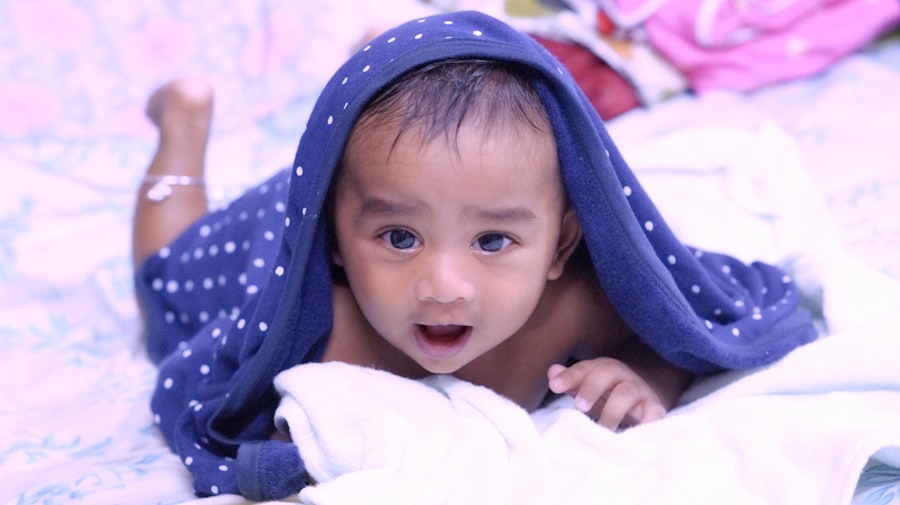
As I reflect on my involvement with the Foundation for Sick Children’s Stories, I feel a deep sense of optimism. The foundation’s approach, while focused on the present needs of sick children, is fundamentally forward-looking.
Expanding Reach and Accessibility
The foundation is continuously exploring ways to expand its reach and make its programs accessible to a wider demographic of children and families, regardless of their geographical location or financial situation.
Leveraging Technology for Wider Impact
The success of the “Digital Chronicles” program points towards the potential of technology to democratize access to these crucial storytelling resources. I anticipate further development in creating user-friendly digital platforms and virtual workshop models.
Partnerships for Greater Support
Collaborations with hospitals, schools, and other charitable organizations are key to extending the foundation’s impact. By working together, they can ensure that more children and families have access to the tools and support they need.
The Enduring Power of Stories
Ultimately, the Foundation for Sick Children’s Stories is built on an enduring truth: stories have the power to heal. They allow us to process difficult experiences, foster connection, and cultivate hope for the future.
A Legacy of Resilience
The stories collected and created through the foundation’s work will form a powerful legacy, a testament to the resilience and strength of children facing adversity. These narratives will continue to inspire and inform for years to come.
Cultivating a Culture of Empathy
By championing the voices of sick children and their families, the foundation is contributing to a broader culture of empathy and understanding. It reminds us all of the importance of listening, of acknowledging individual experiences, and of supporting one another through life’s challenges. My own journey with this foundation has reinforced my belief that even in the face of immense difficulty, the simple act of telling our story can be a profound step towards healing.
FAQs
What is the Foundation for Sick Children Stories?
The Foundation for Sick Children Stories is a non-profit organization dedicated to providing support, resources, and advocacy for children and families dealing with illness and medical challenges.
What services does the Foundation for Sick Children Stories provide?
The Foundation for Sick Children Stories provides a range of services including financial assistance, emotional support, educational resources, and advocacy for children and families facing medical challenges.
How can families access support from the Foundation for Sick Children Stories?
Families can access support from the Foundation for Sick Children Stories by reaching out to the organization directly through their website, hotline, or local chapters. They can also be referred by healthcare professionals.
Is the Foundation for Sick Children Stories a global organization?
The Foundation for Sick Children Stories operates primarily in the United States, but they may also provide support and resources to families in other countries through partnerships and collaborations with international organizations.
How can I get involved with the Foundation for Sick Children Stories?
Individuals can get involved with the Foundation for Sick Children Stories by volunteering, donating, fundraising, or spreading awareness about the organization’s mission and services. They can also participate in events and campaigns organized by the foundation.