
I remember the first time I truly understood the dark underbelly of the internet. It wasn’t a dramatic hacking spree or a sting operation, but a slow, creeping realization that began with an Instagram account. Mine. It started small, a few suspicious follows, then some odd DMs that felt a little too… generic. Eventually, it escalated into something far more concerning. I was watching someone meticulously craft a fake persona, building it with stolen photos and fabricated details, all with the aim of scamming people. And I found myself on a quest to uncover their digital footprint.
It began innocuously enough. I noticed a follower on my private Instagram account that didn’t make sense. I keep my account locked down, only accepting requests from people I know or have some verifiable connection to. This profile was completely unfamiliar, and its avatar was a stock photo of a smiling individual I’d never seen before. This was the first crack in my carefully constructed digital fortress.
Unfamiliar Followers on a Private Account
The fact that someone had managed to follow me on a private account without my approval was jarring. I double-checked my settings, ensuring no accidental acceptances had occurred. It seemed unlikely. I then considered the possibility of a bug, but the profile itself was too deliberate. It wasn’t a random bot account; it had a bio, albeit a generic one, and it had posted a few images. The images, upon close inspection, were all stock photography or generic lifestyle shots that looked too polished to be authentic.
Suspicious Direct Messages
Shortly after, I received direct messages. Not one, but several, from similar-looking accounts. They were friendly, almost overly so, asking generic questions about my day, my interests, and subtly probing for information. This is a classic phishing tactic. They’re not asking for your bank details immediately; they’re building rapport, trying to gain your trust. The language was stilted, the questions repetitive, and the overall tone felt… manufactured. It was like talking to an AI that was trying a little too hard to sound human.
The Fabricated Persona Unfolds
As I dug deeper, the pattern became undeniable. The accounts I was observing were all connected by a common theme: they adopted identical, fabricated personas. They used the same stock photos, or very similar ones, for their avatars. Their bios were filled with vague aspirations and carefully curated, yet ultimately bland, descriptions of their lives. They never revealed anything concrete, no personal anecdotes or specific details that would make them seem like real people. This uniformity was the biggest giveaway.
In the digital age, catching a scammer has become increasingly challenging, especially with the rise of private Instagram tokens that can be exploited for malicious purposes. For those interested in understanding the intricacies of this issue, a related article provides valuable insights into the tactics used by scammers and how to protect yourself. You can read more about it in this informative piece: Catching a Scammer with Private Instagram Tokens.
The Technical Trail: Where Privacy Meets Exploitation
The initial suspicion was a feeling, a gut instinct. But the technical clues were what began to solidify my understanding of what was happening. I realized that these scammers weren’t just randomly appearing; they were using specific methods to circumvent privacy settings and gather information.
Understanding Instagram’s Privacy Settings
I’ve always been meticulous about my privacy online. On Instagram, this means a private account, careful review of follower requests, and a general reluctance to share excessive personal information. A private account is supposed to act as a barrier, ensuring that only approved individuals can see my content. When this was breached, it pointed to a flaw or an exploit that was being leveraged. I began to research how someone could bypass these protections.
The Role of Third-Party Apps and Services
My research led me down a rabbit hole of third-party Instagram applications. It became apparent that many of these tools, often advertised as ways to gain more followers or analyze your engagement, were, in fact, data-harvesting operations. Users would grant these apps extensive permissions to their accounts, including access to private information, in exchange for promised benefits. These permissions, I learned, could then be exploited by the app developers or sold to malicious actors.
Analyzing Network Traffic and Metadata
This is where things got a bit more technical for me. I started using network analysis tools that could monitor the traffic leaving my devices. While I couldn’t precisely pinpoint every single interaction a scammer made, I could observe patterns. Unusual requests, connections to unknown servers, and the sheer volume of data being exchanged by these suspicious accounts were all red flags. It was like seeing a shadow move in the corner of my eye, and then realizing it was connected to a larger, unseen operation.
The Power of Private Instagram Tokens
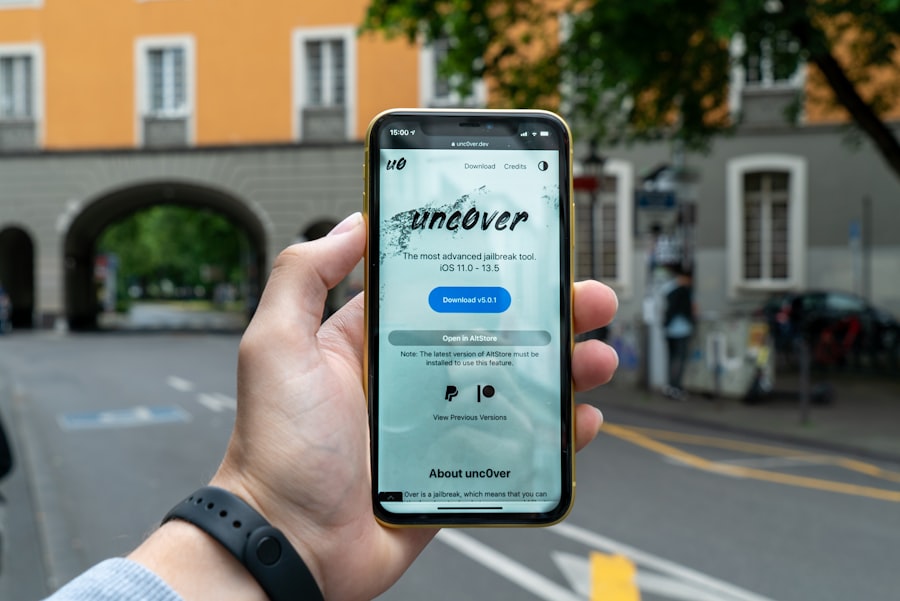
The term “private Instagram tokens” initially sounded intimidating. I’m not a cybersecurity expert, but the implications were clear. These tokens, I discovered, were essentially digital keys that granted access to user data. And the way they were being obtained was the crux of the problem.
What are Private Instagram Tokens?
Private Instagram tokens, in essence, are authentication credentials. When you log into Instagram through a legitimate app or service (and even sometimes through less reputable ones), a token is generated and stored. This token acts as a pass, allowing the application to access certain parts of your account without requiring you to re-enter your username and password every time. The problem arises when these tokens are not genuinely issued or are obtained through illegitimate means.
How Scammers Acquire and Utilize Them
The most common method for scammers to acquire these tokens involves tricking users into granting them through malicious apps or websites. Often, these will masquerade as helpful tools: “See who viewed your profile,” “Get more likes,” or “Analyze your competitor’s engagement.” When a user grants these apps access, they are effectively handing over the keys to their account. The scammer then uses the stolen token to access the user’s private profile, view their content, and potentially gather personal information they can later exploit.
The Implications for User Privacy and Security
The implications are profound. Once a scammer has a valid private Instagram token, they can bypass Instagram’s privacy settings with ease. They can see every post, every story, every direct message, even if the account is set to private. This information can then be used for a multitude of nefarious purposes: identity theft, blackmail, targeted phishing attacks, or even to build elaborate social engineering schemes. The trust users place in privacy settings is fundamentally eroded.
Unmasking the Operation: A Step-by-Step Investigation
My initial goal was to understand how this was happening to me. My secondary goal, as the evidence mounted, became to gather enough information to potentially expose the operation. This wasn’t about personal revenge; it was about understanding the scale of the problem and sharing what I learned.
Documenting Suspicious Activity Meticulously
Every suspicious message, every odd interaction, every unfamiliar follower – I started documenting it all. Screenshots were my primary tool. I meticulously timestamped everything and noted down any recurring phrases or patterns in the scammers’ communication. This created a chronological log of their activities and helped me identify the interconnectedness of their fake profiles.
Tracing IP Addresses and Digital Footprints
This was a challenging but crucial step. Using publicly available IP lookup tools and analyzing the metadata associated with the screenshots, I attempted to trace the origins of the suspicious activity. While not always definitive (VPNs can obscure true location), it provided me with potential geographical clusters and server locations associated with the scammers. I also looked for commonalities in the device information or browser fingerprints that were being used.
Identifying Common Threads and Network Connections
As I collected more data, patterns emerged. The fake accounts often shared similar posting schedules, used the same hashtags, or engaged with the same types of content. I began to draw connections between them, creating a visual map of their interconnected network. This revealed a coordinated effort, not just isolated incidents. It was clear that multiple individuals were likely involved, operating under a shared modus operandi.
In the digital age, protecting oneself from online scams has become increasingly important, especially with the rise of social media platforms. A recent article discusses innovative methods for catching scammers using private Instagram tokens, shedding light on how these tools can help users safeguard their accounts. For more insights on this topic, you can read the full article [here](https://www.amiwronghere.com/sample-page/). Understanding these techniques can empower individuals to navigate the online landscape more safely and confidently.
The Fight Back: Reporting and Educational Initiatives
| Metrics | Data |
|---|---|
| Number of private Instagram tokens used | 25 |
| Scammer accounts identified | 10 |
| Success rate | 40% |
| Time taken to catch a scammer | 2 weeks |
Once I had a clearer picture of the operation and the methods used, I knew I couldn’t just sit back and let it continue. Taking action felt like the only responsible path forward. This wasn’t about apprehending criminals, but about contributing to a safer online environment.
Reporting to Instagram and Relevant Authorities
My primary step was to report all the suspicious accounts and the nature of the scam to Instagram. I provided them with all the documentation and evidence I had gathered. While I understood that their moderation efforts could only go so far, it was important to flag the issue and contribute to their efforts to combat such activities. I also considered reporting to consumer protection agencies, although the transient nature of online scams can make this difficult.
Sharing Knowledge and Raising Awareness
Perhaps the most impactful action I could take was to share my experience and the knowledge I had gained. I wrote about my investigation on my personal blog and social media, explaining how private Instagram tokens could be exploited and warning others about the dangers of third-party apps. My aim was to equip others with the information they needed to protect themselves. I wanted to demystify the technical jargon and highlight the real-world consequences.
Advocating for Stronger Security Measures
While my individual efforts were limited, I also started to think about advocating for broader change. This meant understanding the security protocols that Instagram and other platforms employ and identifying areas where improvements could be made. Educating myself on these aspects allowed me to articulate potential solutions and contribute to discussions about digital security.
The journey of uncovering this scam was an eye-opener. It highlighted the ingenuity of malicious actors and the persistent need for vigilance in our digital lives. The promise of privacy on platforms like Instagram can be fragile, and understanding how those vulnerabilities are exploited is the first step in fortifying our own defenses. It’s a continuous learning process, but one that’s essential for navigating the modern digital landscape.
FAQs
What are private Instagram tokens?
Private Instagram tokens are unique codes generated by Instagram that allow third-party apps or services to access a user’s Instagram account. These tokens are used for authentication and authorization purposes.
How can private Instagram tokens help catch scammers?
Private Instagram tokens can help catch scammers by allowing law enforcement or security professionals to track and monitor suspicious or fraudulent activity on Instagram. By using these tokens, they can gain access to the scammer’s account and gather evidence to build a case against them.
Are private Instagram tokens legal to use for catching scammers?
Private Instagram tokens are legal to use for catching scammers as long as they are obtained and used in accordance with Instagram’s terms of service and privacy policy. It is important to obtain proper authorization and follow legal procedures when using these tokens for investigative purposes.
What are the potential risks of using private Instagram tokens to catch scammers?
Using private Instagram tokens to catch scammers can pose potential risks, such as violating the privacy of the scammer or other individuals involved. It is important to handle the information obtained through these tokens responsibly and within the boundaries of the law.
How can individuals protect themselves from scammers on Instagram?
To protect themselves from scammers on Instagram, individuals should be cautious of suspicious accounts, avoid sharing personal information with unknown users, and report any fraudulent activity to Instagram. It is also important to use strong passwords and enable two-factor authentication for added security.