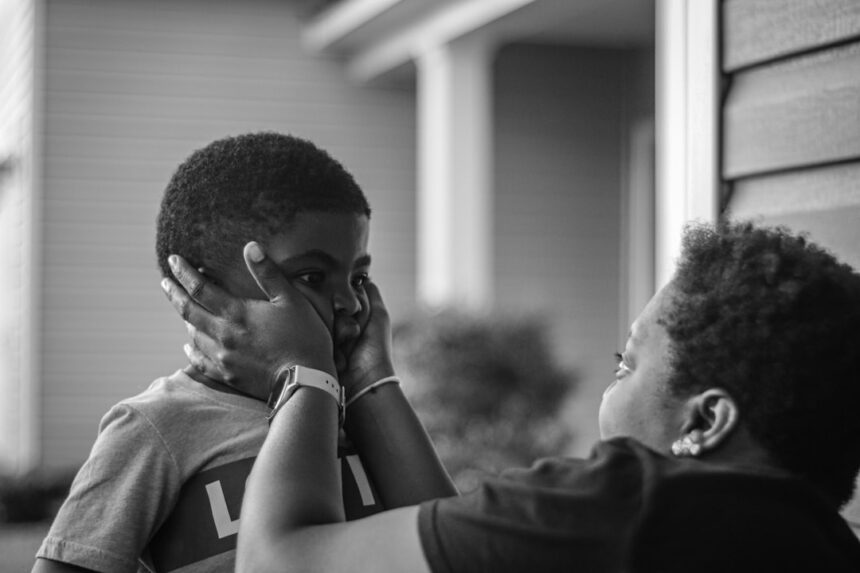
As I reflect on my experiences, I realize that recognizing the cycle of emotional damage is the first step toward healing. It often begins subtly, with small incidents that may seem insignificant at first. However, over time, these moments accumulate, creating a pattern that can be difficult to break.
I have found that acknowledging the existence of this cycle is crucial. It requires me to confront uncomfortable truths about my relationships and the ways in which past traumas have shaped my emotional responses. This recognition is not just about identifying the damage; it’s about understanding how it perpetuates itself through repeated behaviors and reactions.
In my journey, I have learned that emotional damage can manifest in various forms, such as anxiety, depression, or even anger. These feelings often stem from unresolved issues that linger beneath the surface. I have come to understand that recognizing these emotions is not a sign of weakness but rather an act of courage.
By facing the cycle head-on, I can begin to unravel the complexities of my emotional landscape. This process has allowed me to see how my past experiences influence my present interactions, and it has motivated me to seek change.
Key Takeaways
- Recognizing the cycle of emotional damage is the first step towards healing and breaking free from unhealthy patterns.
- Understanding the impact on family dynamics helps in addressing the root causes of emotional damage and fostering a supportive environment for healing.
- Seeking professional help and support is crucial in navigating the complexities of emotional damage and finding effective solutions.
- Breaking the patterns of unhealthy communication is essential for creating a healthier and more positive family dynamic.
- Healing the wounds of the past requires patience, understanding, and a commitment to emotional growth and healing.
Understanding the Impact on Family Dynamics
The impact of emotional damage extends beyond the individual; it seeps into family dynamics, creating a ripple effect that can alter relationships for generations. I have witnessed firsthand how unresolved issues can lead to misunderstandings and conflicts within my family. Each member may carry their own emotional baggage, which can create a toxic environment where communication breaks down.
I have often felt the weight of this atmosphere, where love and support are overshadowed by unspoken grievances and hurt feelings. In my experience, understanding these dynamics has been enlightening. I have come to realize that each family member plays a role in this cycle, whether consciously or unconsciously.
The patterns of behavior that emerge can create a sense of disconnection, making it challenging to foster healthy relationships. By examining these dynamics, I have gained insight into how my actions and reactions contribute to the overall family environment. This awareness has prompted me to take responsibility for my part in the cycle and seek ways to improve our interactions.
Seeking Professional Help and Support

Recognizing the need for professional help has been a pivotal moment in my journey toward healing. Initially, I hesitated to reach out for support, fearing judgment or misunderstanding. However, I soon realized that seeking help is a sign of strength, not weakness.
Engaging with a therapist or counselor has provided me with a safe space to explore my emotions and experiences without fear of reprisal. This professional guidance has been instrumental in helping me navigate the complexities of my feelings and relationships. Through therapy, I have learned valuable coping strategies and tools to manage my emotional responses.
The process has encouraged me to confront difficult topics that I may have avoided for years. I have found that discussing my experiences with a trained professional allows me to gain perspective and clarity. Additionally, support groups have offered me a sense of community, where I can connect with others who share similar struggles.
This collective experience has reinforced the idea that I am not alone in my journey toward healing.
Breaking the Patterns of Unhealthy Communication
| Communication Pattern | Impact | Healthy Alternative |
|---|---|---|
| Blaming | Creates defensiveness and resentment | Using “I” statements to express feelings |
| Interrupting | Disrespects the speaker and disrupts the flow of conversation | Active listening and waiting for the speaker to finish |
| Yelling | Causes fear and escalates conflict | Speaking calmly and respectfully |
| Invalidating | Makes the other person feel unheard and unimportant | Validating the other person’s feelings and perspective |
One of the most significant challenges I have faced is breaking the patterns of unhealthy communication within my family. I have often found myself caught in cycles of blame or defensiveness, which only serve to escalate conflicts rather than resolve them. Recognizing these patterns has been an eye-opening experience for me.
It has required me to examine not only what I say but also how I say it. The tone of voice, body language, and choice of words all play a crucial role in how messages are received. In my efforts to improve communication, I have learned the importance of active listening and empathy.
Instead of reacting impulsively during disagreements, I strive to pause and consider the other person’s perspective. This shift in approach has fostered more constructive conversations and has helped to reduce misunderstandings. By practicing open and honest dialogue, I am gradually dismantling the barriers that have hindered our family’s ability to connect meaningfully.
Healing the Wounds of the Past
Healing the wounds of the past is a deeply personal journey that requires time and patience. I have come to understand that this process is not linear; there are days when I feel empowered and others when old wounds resurface unexpectedly. Acknowledging these feelings is essential for my healing journey.
It allows me to confront the pain rather than suppress it, which can lead to further emotional damage. In my quest for healing, I have found solace in various practices such as journaling and mindfulness meditation. Writing about my experiences has provided an outlet for my emotions, allowing me to process them more effectively.
Mindfulness has taught me to stay present with my feelings without judgment, creating space for healing to occur. As I work through these wounds, I am learning to embrace vulnerability as a strength rather than a weakness.
Rebuilding Trust and Connection Within the Family
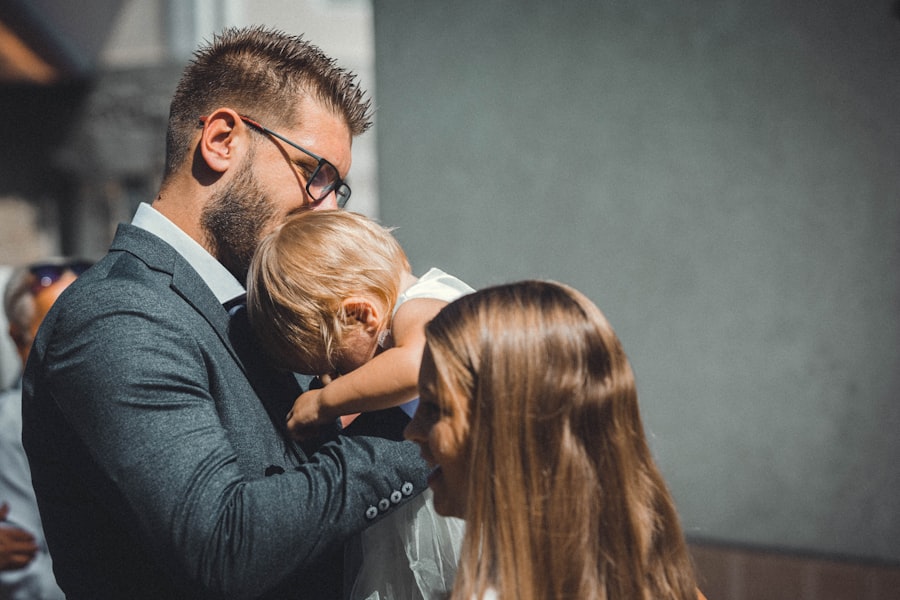
Rebuilding trust within my family has been one of the most challenging yet rewarding aspects of my healing journey. Trust is fragile; once broken, it takes time and consistent effort to restore. I have recognized that rebuilding trust requires transparency and accountability from all parties involved.
It is essential for me to demonstrate reliability through my actions and words consistently. I have also learned that rebuilding trust involves creating opportunities for connection. Simple acts like spending quality time together or engaging in open conversations can help strengthen our bonds.
By prioritizing these moments, I am fostering an environment where trust can flourish once again. As we navigate this process together, I am hopeful that our relationships will deepen and evolve into something more resilient.
Setting Boundaries and Establishing Healthy Relationships
Establishing healthy boundaries has been a transformative aspect of my journey toward emotional well-being. In the past, I often struggled with saying no or asserting my needs, which led to feelings of resentment and burnout. Learning to set boundaries has empowered me to prioritize my well-being while still maintaining meaningful connections with others.
I have discovered that boundaries are not about building walls; rather, they are about creating a safe space for myself and others. By clearly communicating my limits, I am fostering healthier relationships based on mutual respect and understanding. This practice has allowed me to engage more authentically with my family members while also protecting my emotional health.
Nurturing Self-Care and Emotional Well-Being
Nurturing self-care has become an essential component of my healing journey. I have realized that taking care of myself is not selfish; it is necessary for my overall well-being.
In addition to physical self-care, I have also prioritized emotional well-being by practicing self-compassion. Instead of being overly critical of myself during difficult moments, I strive to treat myself with kindness and understanding. This shift in mindset has allowed me to cultivate a more positive relationship with myself, which ultimately reflects in my interactions with others.
Embracing Forgiveness and Letting Go of Resentment
Embracing forgiveness has been one of the most liberating aspects of my healing process. Holding onto resentment only serves to weigh me down emotionally; it creates a barrier between myself and those I care about. Through introspection, I have come to understand that forgiveness is not about condoning past actions but rather about freeing myself from their grip.
Letting go of resentment requires conscious effort and reflection on what truly matters to me. It involves acknowledging the pain while choosing not to let it define my future relationships. As I practice forgiveness—both toward myself and others—I am finding a sense of peace that allows me to move forward with greater clarity and purpose.
Creating a New Narrative for the Family
Creating a new narrative for my family has been an empowering endeavor that allows us to redefine our relationships moving forward. Instead of being defined by past traumas or conflicts, we are actively working toward a shared vision of connection and support. This process involves open discussions about our values and aspirations as a family.
I have found that storytelling plays a significant role in shaping this new narrative. By sharing our experiences—both positive and negative—we are fostering understanding and empathy among family members. This collective storytelling helps us acknowledge our history while also envisioning a brighter future together.
Supporting Each Other Through the Journey of Healing
As we navigate this journey of healing together, supporting one another has become paramount in strengthening our family bonds. Each member brings their unique perspective and experiences, which enriches our collective understanding of emotional health. By offering encouragement and validation during difficult times, we are creating an environment where everyone feels heard and valued.
I have learned that supporting each other requires active participation; it’s not enough to simply offer words of encouragement from afar. Engaging in meaningful conversations and checking in regularly fosters a sense of belonging within our family unit. As we continue on this path together, I am hopeful that our shared commitment to healing will lead us toward deeper connections and lasting resilience.
In conclusion, recognizing emotional damage is just the beginning of a transformative journey toward healing within families. By understanding its impact on dynamics, seeking professional help, breaking unhealthy communication patterns, nurturing self-care, embracing forgiveness, creating new narratives, and supporting one another through this process, we can pave the way for healthier relationships built on trust and connection.
In exploring the intricate dynamics of family relationships and the emotional damage that can sometimes ensue, it’s essential to consider various perspectives and stories that shed light on these complex issues. A related article that delves into similar themes can be found on the website “Am I Wrong Here?” This platform offers a collection of narratives and discussions that resonate with those who have experienced familial emotional challenges. For a deeper understanding, you can read more about these compelling stories by visiting this article on their website.
They Canceled My Christmas, So I Canceled Their Mortgage
FAQs
What is emotional damage in a family story?
Emotional damage in a family story refers to the psychological harm or trauma experienced by individuals within a family due to dysfunctional dynamics, abuse, neglect, or other adverse experiences.
What are some common causes of emotional damage in a family?
Common causes of emotional damage in a family include physical or emotional abuse, neglect, substance abuse, mental illness, divorce, domestic violence, and other forms of trauma.
What are the effects of emotional damage on individuals within a family?
The effects of emotional damage on individuals within a family can include low self-esteem, anxiety, depression, trust issues, difficulty forming healthy relationships, and a range of psychological and emotional challenges.
How can emotional damage within a family be addressed or treated?
Addressing and treating emotional damage within a family often involves therapy, counseling, support groups, and other forms of mental health intervention. It may also require creating a safe and supportive environment for healing and growth.
Can emotional damage within a family be passed down through generations?
Yes, emotional damage within a family can be passed down through generations, as unresolved trauma and dysfunctional patterns can impact the psychological well-being of future family members. Breaking the cycle often requires intentional efforts to address and heal from past emotional damage.