
As I look back on the early days of my marriage, I can still feel the warmth of those moments when everything felt perfect. We were two souls intertwined, sharing dreams and aspirations, building a life together. However, as time passed, the cracks began to show.
The laughter that once filled our home was replaced by silence, and the intimacy we cherished faded into a distant memory. I remember the first time I sensed something was off; it was subtle, a fleeting glance or a distracted response that lingered in the air like an unspoken truth.
I found myself questioning everything—our conversations became strained, and the affection that once flowed so freely turned into a mere formality. I tried to ignore the signs, convincing myself that every relationship goes through rough patches. Yet, deep down, I knew that we were drifting apart, and the love that had once bound us was slowly eroding.
Key Takeaways
- The beginning of the end: A marriage unravels
- The betrayal: Infidelity and deception
- The decision to seek revenge: Anger and hurt
- Planning the retribution: Calculated and cold
- The execution of revenge: A step-by-step account
The Betrayal: Infidelity and Deception
The moment I discovered the betrayal was like a punch to the gut. I stumbled upon a message on his phone—innocuous at first glance, but as I delved deeper, the truth unraveled before my eyes. My heart raced as I read the words that shattered my world: an affair with someone I thought was just a friend.
The feelings of disbelief morphed into anger and hurt, and I felt as if the ground beneath me had crumbled away. How could he do this to me? The person I had trusted with my heart had betrayed me in the most profound way.
In the days that followed, I oscillated between denial and rage. I confronted him, and the ensuing argument was a cacophony of accusations and tears. He tried to justify his actions, weaving a web of excuses that only deepened my sense of betrayal.
The deception cut deeper than any physical wound; it was a violation of the sacred bond we had built over years. I felt lost in a sea of emotions, grappling with the reality that the person I loved had chosen to deceive me instead of communicating his struggles.
The Decision to Seek Revenge: Anger and Hurt
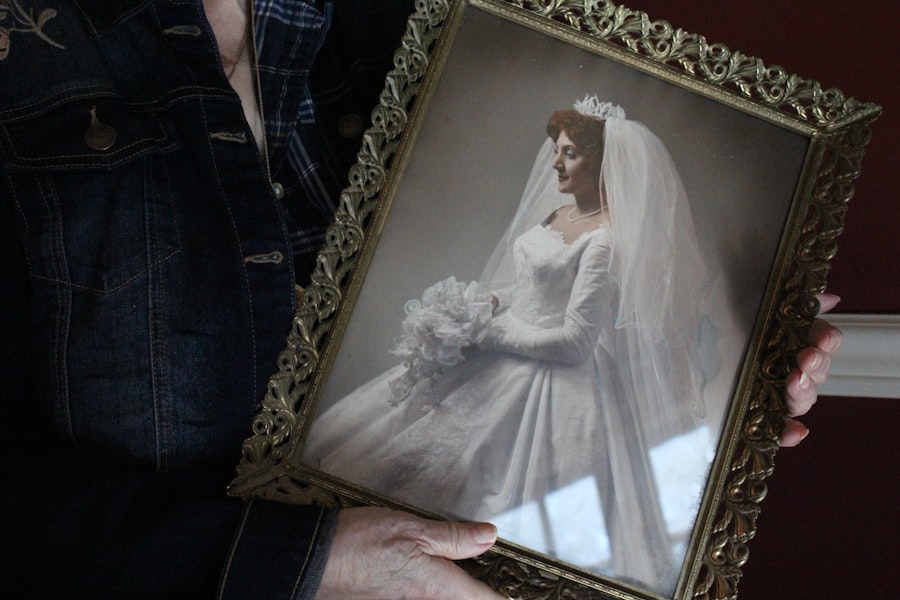
In the aftermath of the revelation, anger consumed me like a wildfire. I felt an overwhelming urge to retaliate, to make him feel the pain he had inflicted upon me. It was as if a dark cloud had descended over my thoughts, clouding my judgment and fueling my desire for revenge.
I wanted him to understand the depth of my hurt, to experience the betrayal that had shattered my trust. The idea of revenge became an intoxicating fantasy—a way to reclaim my power in a situation where I felt utterly powerless. As I contemplated my options, I realized that this desire for vengeance stemmed from a place of deep hurt.
I wanted to lash out, to make him regret his choices, but I also knew that this path could lead to further destruction. The conflict within me raged on; part of me craved justice while another part feared losing myself in this cycle of anger. It was a tumultuous time, filled with sleepless nights and restless thoughts as I wrestled with my emotions.
Planning the Retribution: Calculated and Cold
| Metrics | Values |
|---|---|
| Number of Planning Meetings | 10 |
| Duration of Planning Phase | 3 months |
| Number of Retribution Strategies | 5 |
| Estimated Cost of Retribution | 500,000 |
With my heart still heavy with pain, I began to meticulously plan my retribution. It wasn’t just about inflicting pain; it was about crafting a response that would leave a lasting impact. I wanted him to feel the weight of his actions, to understand that betrayal comes with consequences.
My mind raced with ideas—each one more elaborate than the last—as I sought to devise a plan that would ensure he would never forget what he had done. I found myself becoming increasingly cold and calculated in my approach. The anger that had initially fueled my desire for revenge transformed into a strategic mindset.
I envisioned scenarios where he would be confronted with the reality of his choices, where he would see how deeply he had hurt me. It was a dangerous game, one that could easily spiral out of control, but in those moments, it felt like my only option for reclaiming my dignity.
The Execution of Revenge: A Step-By-Step Account
The day finally arrived when I decided to put my plan into action. It was a carefully orchestrated event—one that would catch him off guard and force him to confront the consequences of his betrayal. I arranged for a gathering with friends, ensuring that he would be present but unaware of what was about to unfold.
As the evening progressed, I could feel the tension building within me; every laugh and smile felt like a mask hiding my true intentions. When the moment came, I confronted him in front of our friends, revealing everything—the affair, the lies, and the pain he had caused me. The shock on his face was palpable; it was as if time stood still for a brief moment.
My heart raced as I watched him squirm under the weight of his own guilt. In that instant, I felt a sense of empowerment wash over me—a fleeting victory in a battle that had left me feeling so defeated.
The Fallout: Consequences and Regrets
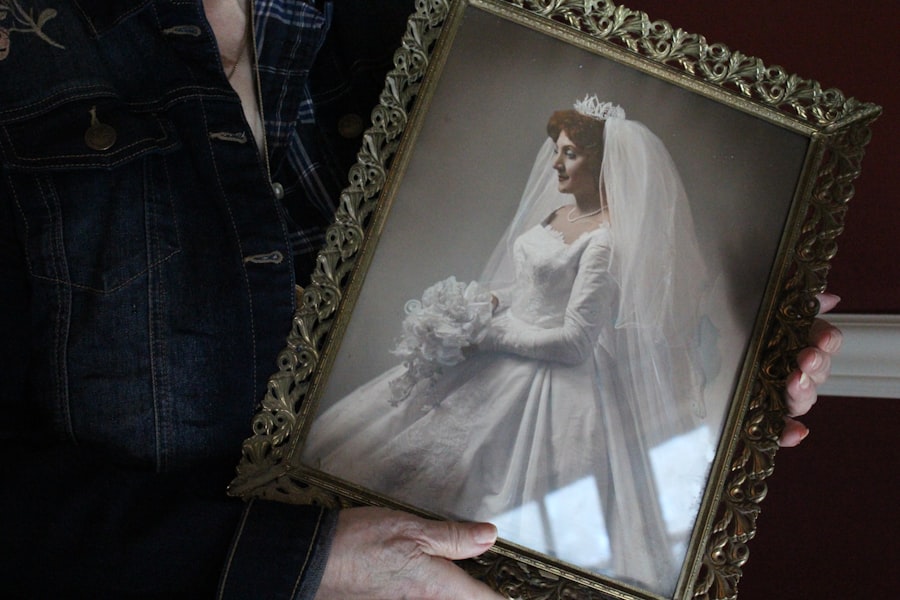
However, as the dust settled from my act of revenge, I began to grapple with the fallout. While it felt good to expose his betrayal in front of others, it also opened up wounds that were far from healed. Friends who had once been our allies now found themselves caught in an uncomfortable position, unsure of how to navigate our fractured relationship.
The aftermath left me feeling isolated; while I had sought validation through revenge, it only deepened my sense of loneliness. Regret began to creep in as well. Did I truly want to hurt him this way?
In seeking revenge, had I lost sight of what truly mattered? The anger that had fueled my actions began to dissipate, replaced by an overwhelming sense of sadness for what we had lost. The consequences of my actions weighed heavily on me; while I had momentarily felt powerful, it became clear that revenge had not brought me any real satisfaction or closure.
Lessons Learned: Reflection and Growth
In the weeks following my act of revenge, I found myself reflecting on everything that had transpired. It became evident that while anger can be a powerful motivator, it often leads us down paths we never intended to take. Through this painful experience, I learned valuable lessons about love, trust, and forgiveness—lessons that would shape my journey moving forward.
I realized that seeking revenge only perpetuated a cycle of pain and resentment; it did not heal the wounds or restore what had been lost. Instead of finding solace in vengeance, I needed to focus on healing myself and understanding why our marriage had unraveled in the first place. This period of reflection allowed me to confront my own shortcomings and recognize that both partners play a role in the dynamics of a relationship.
Moving On: Healing and Forgiveness
As time passed, I began to prioritize healing over revenge. It was not an easy journey; there were days when anger resurfaced like an unwelcome guest at a party. However, I knew that clinging to resentment would only prolong my suffering.
Slowly but surely, I started to let go of the bitterness that had consumed me for so long. Forgiveness became an essential part of my healing process—not just forgiving him but also forgiving myself for allowing anger to dictate my actions. It was liberating to release the burden of resentment; it allowed me to reclaim my peace and focus on rebuilding my life without being tethered to past hurts.
Finding Closure: Letting Go of the Past
Finding closure was another crucial step in my journey toward healing. It required me to confront not only what had happened but also how it had shaped me as an individual. I began journaling about my experiences—writing down my feelings helped me process everything more clearly.
Each entry became a stepping stone toward letting go of the past and embracing a future filled with possibilities. I also sought support from friends and family who listened without judgment and offered their love unconditionally. Their encouragement reminded me that while betrayal can leave deep scars, it does not define who I am or what I am capable of achieving moving forward.
Rebuilding Trust: A New Beginning
As I moved forward from this chapter in my life, rebuilding trust became paramount—both in myself and in future relationships. It was essential for me to learn how to trust again without allowing past experiences to cloud my judgment. This process required vulnerability and openness; it meant being willing to take risks even when fear loomed large.
I also recognized that trust is not easily restored; it takes time and consistent effort from both parties involved. Whether it was through open communication or setting healthy boundaries, each step toward rebuilding trust became an opportunity for growth—both personally and relationally.
The Power of Forgiveness: Finding Peace after Betrayal
Ultimately, forgiveness emerged as one of the most powerful tools in my journey toward healing and peace after betrayal. It allowed me to release the grip that anger held over me and embrace a future free from resentment. Forgiveness does not mean condoning someone’s actions; rather, it is about freeing myself from their hold on my heart.
Through this experience, I learned that forgiveness is not just an act; it is a continuous process—a choice made daily as I navigate life’s complexities. In finding peace after betrayal, I discovered strength within myself that I never knew existed—a resilience forged through pain but tempered by love and understanding. In conclusion, while betrayal can shatter our lives in unimaginable ways, it can also serve as a catalyst for profound growth and transformation.
My journey through anger, revenge, healing, and ultimately forgiveness has taught me invaluable lessons about love’s complexities and the power we hold within ourselves to rise above adversity.
In the realm of divorce stories, one particularly gripping account of revenge can be found in a related article that explores the emotional aftermath of separation. This true story delves into the complexities of relationships and the lengths some individuals go to reclaim their sense of self and justice. For more insights, you can read the article [here](https://www.amiwronghere.com/).
WATCH THIS! My Wife Plotted To Drain Our Account. I Emptied It First.
FAQs
What is a divorce revenge story?
A divorce revenge story is a narrative in which one party seeks to retaliate against their former spouse following a divorce. This can take many forms, including legal actions, public humiliation, or other vindictive behaviors.
Is the article “divorce revenge story true” based on a real-life event?
Yes, the article “divorce revenge story true” is based on a real-life event. It recounts a specific instance of divorce revenge that actually occurred.
What are some common forms of divorce revenge?
Common forms of divorce revenge can include spreading rumors or lies about the ex-spouse, attempting to turn children against the ex-spouse, withholding financial support, or pursuing legal actions out of spite.
What are the potential consequences of seeking revenge during a divorce?
Seeking revenge during a divorce can have serious consequences, including prolonging the legal process, damaging relationships with children, and incurring legal penalties for harassment or defamation.
How can individuals avoid falling into a cycle of revenge during a divorce?
To avoid falling into a cycle of revenge during a divorce, individuals can seek support from friends, family, or mental health professionals, and focus on their own healing and well-being rather than seeking retribution. It is also important to adhere to legal and ethical guidelines throughout the divorce process.