
Call logs serve as a digital record of all the phone calls made and received on a device. They provide essential information, including the date and time of each call, the duration, and the contact details of the person involved. For many, call logs are a vital tool for managing communication, whether for personal or professional purposes.
I often find myself relying on these logs to keep track of important conversations or to recall who I spoke with last. They can also serve as a reminder of missed calls that I may need to return. In today’s fast-paced world, where communication is key, understanding how to navigate call logs can be incredibly beneficial.
They not only help in organizing my contacts but also in monitoring my communication patterns.
However, call logs can also raise concerns, especially when it comes to trust and transparency in relationships.
The information contained within these logs can sometimes lead to questions about fidelity and honesty, prompting individuals to delve deeper into their partner’s communication habits.
Key Takeaways
- Call logs contain a record of all incoming, outgoing, and missed calls on a phone.
- On Android phones, call logs can be accessed through the Phone app or the device’s settings.
- On iPhones, call logs can be accessed through the Phone app or by syncing with iCloud.
- Landline call logs can be checked by accessing the call history on the phone or contacting the service provider.
- Review call logs for any unfamiliar numbers, frequent calls at odd hours, or long durations of calls to unknown contacts.
- Call log monitoring apps can help track and review call logs remotely.
- Comparing call logs with text messages can provide a more comprehensive view of communication patterns.
- Seek professional help from a therapist or counselor to navigate the emotional impact of discovering suspicious call logs.
- Communicate openly and honestly with your partner about your concerns and the call logs you have discovered.
- Set clear boundaries and expectations for communication and transparency in the relationship moving forward.
- After discovering cheating through call logs, focus on self-care, seeking support, and making decisions about the future of the relationship.
Accessing Call Logs on Android Phones
Accessing call logs on an Android phone is a straightforward process that I have come to appreciate. Typically, I start by opening the Phone app, which is usually represented by a green icon with a white telephone symbol. Once inside the app, I can easily navigate to the “Recents” tab, where all my incoming and outgoing calls are listed chronologically.
This feature allows me to quickly glance at my recent interactions without any hassle.
For instance, I can tap on any specific entry to view more details about that call, such as the exact duration and whether it was a missed call.
If I need to keep track of specific numbers or contacts, I can even save them directly from the call log. This functionality is particularly useful when I want to ensure that I don’t lose touch with important contacts or when I need to follow up on missed calls. Overall, the accessibility of call logs on Android phones makes it easy for me to stay organized and informed about my communication history.
Accessing Call Logs on iPhone
Accessing call logs on an iPhone is equally user-friendly, and I find it quite intuitive. To view my call history, I simply open the Phone app, which is represented by a green icon with a white phone symbol, similar to Android devices. Once inside, I tap on the “Recents” tab at the bottom of the screen.
Here, I can see a comprehensive list of all my recent calls, including incoming, outgoing, and missed calls. What I particularly appreciate about the iPhone’s call log feature is its ability to provide additional context for each call. By tapping on an individual entry, I can see not only the duration of the call but also options to call back or send a message directly from that screen.
This seamless integration between calls and messages enhances my overall user experience and makes it easier for me to manage my communications effectively. Additionally, if I ever need to clear out old entries or delete specific calls from my history, the process is simple and straightforward.
Checking Call Logs on a Landline
| Call Date | Caller ID | Call Duration | Call Type |
|---|---|---|---|
| 01/01/2022 | 123-456-7890 | 10 minutes | Incoming |
| 01/02/2022 | 987-654-3210 | 5 minutes | Outgoing |
| 01/03/2022 | 555-555-5555 | 15 minutes | Incoming |
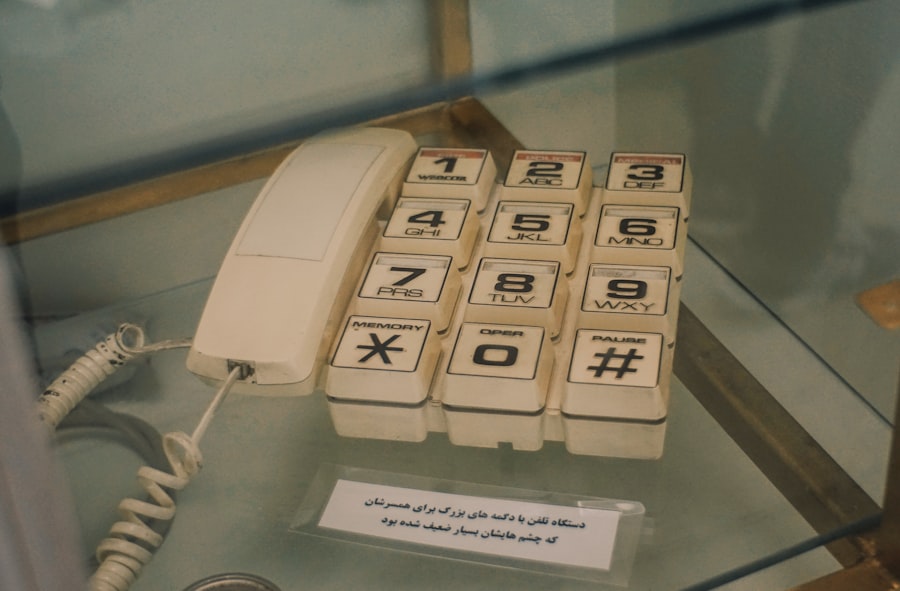
While most of my communication occurs through mobile devices, there are still instances where I rely on a landline phone. Checking call logs on a landline can be a bit different from mobile devices, but it remains an essential task for keeping track of important calls. Many modern landline phones come equipped with caller ID features that display recent calls directly on the device’s screen.
This allows me to see who has called without having to pick up the phone. In addition to caller ID, some landline phones have built-in memory features that store recent calls. If my landline has this capability, I can access the call log by pressing a designated button or navigating through the menu options.
This feature is particularly useful for reviewing missed calls or returning important messages that may have been left on my answering machine. Although landline call logs may not be as comprehensive as those found on mobile devices, they still provide valuable insights into my communication history.
Reviewing Call Logs for Suspicious Activity
Reviewing call logs for suspicious activity can be a sensitive topic, especially in relationships where trust may be questioned. When I find myself in a situation where I suspect something might be amiss, examining call logs becomes a crucial step in seeking clarity. By scrutinizing the numbers and frequency of calls made or received by my partner, I can gather information that may either confirm or dispel my concerns.
However, it’s essential for me to approach this process with caution and an open mind. While certain patterns in call logs may raise red flags—such as frequent calls to unknown numbers or late-night conversations—it’s important not to jump to conclusions without context. I remind myself that there could be innocent explanations for what I observe.
Therefore, while reviewing call logs can provide insights into potential issues, it should be done thoughtfully and with consideration for the feelings of everyone involved.
Using Call Log Monitoring Apps

In an age where technology plays a significant role in our lives, various apps are available that allow me to monitor call logs more effectively. These call log monitoring apps can provide detailed insights into my communication patterns and those of others if necessary. By installing such an app on my device, I can gain access to features like call tracking, detailed reports on call duration, and even alerts for specific contacts.
Using these apps can be particularly beneficial when trying to manage multiple contacts or when I’m concerned about excessive communication with certain individuals. However, I must also consider the ethical implications of using monitoring apps on someone else’s device without their consent. Trust is paramount in any relationship, and while technology offers tools for monitoring behavior, it’s crucial for me to balance this with respect for privacy and open communication.
Comparing Call Logs with Text Messages
Comparing call logs with text messages can provide a more comprehensive view of communication patterns in my relationships. Often, I find that certain conversations may not only occur over phone calls but also through text messages. By reviewing both forms of communication side by side, I can gain insights into how frequently someone is reaching out and the nature of those interactions.
For instance, if I notice that there are numerous texts exchanged with a particular contact but very few calls made, it might indicate a preference for texting over voice conversations. Conversely, frequent calls paired with minimal texting could suggest a different dynamic altogether. This comparative analysis helps me understand not just who is communicating with whom but also how those interactions are taking place.
Ultimately, this holistic view allows me to assess relationships more accurately and make informed decisions about how to address any concerns.
Seeking Professional Help
When navigating complex emotions surrounding trust and communication in relationships, seeking professional help can be invaluable. If I find myself overwhelmed by suspicions or uncertainties regarding my partner’s behavior as reflected in their call logs or other communications, talking to a therapist or counselor can provide clarity and support. Professionals can offer guidance on how to approach sensitive topics without escalating tensions or misunderstandings.
Therapy sessions can also help me explore my feelings more deeply and understand any underlying issues that may be contributing to my concerns. By discussing my thoughts and emotions in a safe environment, I can gain perspective and develop healthier coping strategies. Ultimately, seeking professional help is not just about addressing potential infidelity; it’s about fostering better communication skills and building trust within my relationship.
Communicating with Your Partner
Open communication is essential when addressing concerns related to call logs and potential infidelity. If I suspect something is amiss based on what I’ve observed in my partner’s call history, it’s crucial for me to approach the conversation with honesty and empathy. Instead of making accusations based solely on what I’ve seen in the logs, I aim to express my feelings and concerns in a non-confrontational manner.
I often find that using “I” statements—such as “I feel worried when I see frequent calls from unknown numbers”—can help convey my emotions without placing blame on my partner. This approach encourages dialogue rather than defensiveness and allows us both to share our perspectives openly. By fostering an environment of trust and understanding during these discussions, we can work together to address any underlying issues and strengthen our relationship.
Setting Boundaries and Expectations
Setting boundaries and expectations is vital for maintaining trust in any relationship. After discussing concerns related to call logs or communication patterns with my partner, it’s essential for us both to establish clear guidelines moving forward. This might involve agreeing on how we communicate with others outside our relationship or discussing what constitutes appropriate behavior regarding phone calls and messages.
By openly discussing our boundaries, we create a framework that helps prevent misunderstandings in the future. For instance, if we agree that late-night calls from certain contacts are inappropriate, we both understand what behaviors may lead to discomfort or distrust. Establishing these expectations not only fosters accountability but also reinforces our commitment to each other’s feelings and well-being.
Moving Forward After Discovering Cheating
If I find myself in a situation where infidelity has been confirmed through evidence from call logs or other means, moving forward requires careful consideration and emotional resilience. The discovery of cheating can be devastating; however, it also presents an opportunity for growth—both individually and within the relationship if both parties are willing to work through the challenges together. In this process of healing, it’s essential for me to prioritize self-care and reflection.
Understanding my feelings about the betrayal will help me determine whether I’m willing to forgive and rebuild trust or if it’s healthier for me to move on entirely. Regardless of the path I choose, seeking support from friends or professionals can provide valuable insights as I navigate this difficult journey toward healing and self-discovery. In conclusion, understanding call logs is just one aspect of managing communication in our lives today.
Whether accessing them on mobile devices or landlines, reviewing them for suspicious activity or comparing them with text messages provides valuable insights into our relationships. However, it’s crucial for me to approach these tools thoughtfully—balancing curiosity with respect for privacy—and fostering open communication with partners while setting clear boundaries moving forward.
If you’re concerned about potential infidelity and want to check phone call logs, you might find it helpful to read a related article that provides insights on this topic. For more detailed information, you can visit this article, which offers guidance on how to navigate phone records and what signs to look for when suspecting cheating.
WATCH THIS! Her “Business Trip” Was a Strip Club 2,000 Miles Away
FAQs
What are phone call logs?
Phone call logs are records of all incoming and outgoing calls made on a mobile phone. They typically include the date, time, and duration of each call, as well as the phone number of the caller or recipient.
How can I check phone call logs on my phone?
To check phone call logs on your phone, you can typically access them through the “Phone” or “Call” app. Look for a “Call History” or “Recent Calls” option, where you can view a list of all incoming and outgoing calls.
Can I check someone else’s phone call logs?
In most cases, you cannot check someone else’s phone call logs without their permission. Accessing someone else’s phone call logs without their consent may be illegal and is a violation of their privacy.
What are the signs of cheating in phone call logs?
Signs of cheating in phone call logs may include a high frequency of calls to or from a particular number, especially during times when the person is not with you. Look for patterns of calls to the same number, especially if the calls are made at unusual times or are of long duration.
What should I do if I suspect cheating based on phone call logs?
If you suspect cheating based on phone call logs, it’s important to have an open and honest conversation with your partner. Express your concerns and listen to their explanation. If you are unable to resolve the issue, you may consider seeking the help of a professional counselor or therapist.