
Gravy toast, a dish that may seem simple at first glance, has a rich and storied history that reflects the culinary traditions of various cultures. I often find myself pondering the origins of this delightful comfort food, which combines the humble elements of bread and gravy into a satisfying meal. The roots of gravy toast can be traced back to the early days of cooking when frugality was essential.
In many households, leftover gravy from roasts or stews was repurposed to avoid waste, and what better way to enjoy it than by soaking it into a slice of bread? This practice not only made use of leftovers but also created a dish that was hearty and filling. As I delve deeper into its history, I discover that gravy toast has been embraced by various cultures around the world.
In the United States, it is often associated with Southern cuisine, where biscuits and gravy reign supreme. The concept of pouring rich, savory gravy over bread is not limited to one region; it has found its way into the hearts and kitchens of many. In England, for instance, the tradition of “sopping” bread in gravy dates back centuries, showcasing how this simple dish has transcended time and geography.
The evolution of gravy toast reflects the adaptability of food, as it has been shaped by local ingredients and culinary practices.
Key Takeaways
- Gravy toast has deep cultural roots and is cherished as a comfort food staple worldwide.
- The dish has evolved over time, adapting to various culinary traditions and tastes.
- Making perfect gravy toast involves mastering the balance of crispy toast and rich, flavorful gravy.
- Gravy toast pairs well with a variety of dishes, making it a versatile option for any meal.
- Despite its popularity, gravy toast has sparked some controversy regarding its ingredients and preparation methods.
The Cultural Significance of Gravy Toast
Gravy toast is more than just a meal; it embodies a sense of comfort and nostalgia for many. I often think about how food can evoke memories and emotions, and for me, gravy toast is intertwined with family gatherings and cozy evenings at home. In many cultures, this dish represents a connection to heritage and tradition.
It is often served during special occasions or family dinners, where the act of sharing food brings people together. The warmth of gravy-soaked bread can create an atmosphere of love and togetherness, making it a staple in many households. Moreover, gravy toast serves as a symbol of resilience and resourcefulness.
In times of economic hardship, families have turned to simple ingredients to create satisfying meals. I appreciate how this dish reflects the ingenuity of home cooks who have transformed basic components into something extraordinary. The cultural significance of gravy toast lies not only in its taste but also in its ability to unite people across different backgrounds and experiences.
It is a reminder that food can be a powerful medium for storytelling and connection.
How to Make the Perfect Gravy Toast
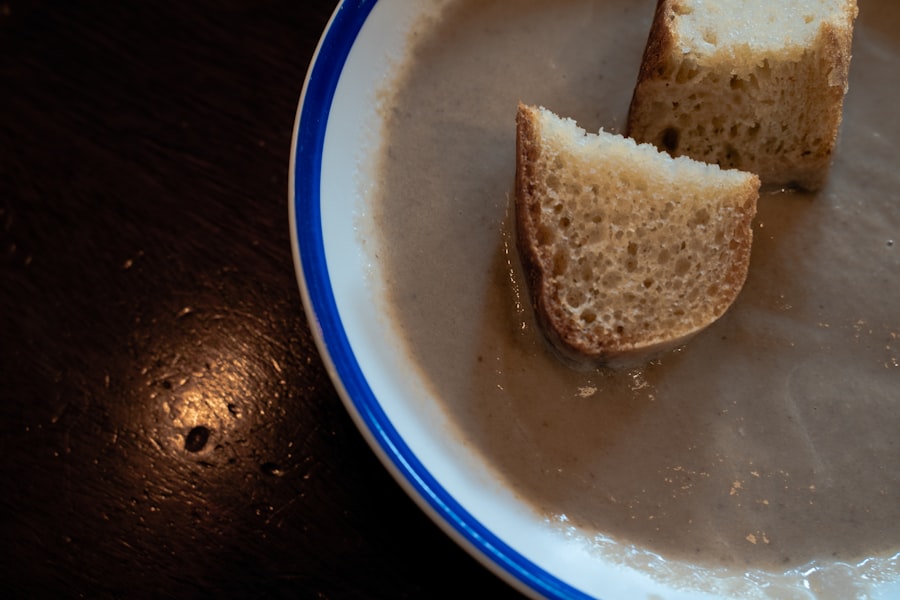
Creating the perfect gravy toast is an art form that requires attention to detail and a passion for flavor. I often start with selecting the right bread; a thick slice of sourdough or a hearty country loaf works wonders for soaking up the gravy. The choice of gravy is equally important; whether I opt for a rich beef gravy or a creamy sausage gravy, the key is to ensure it is well-seasoned and flavorful.
I take my time to prepare the gravy, allowing it to simmer until it reaches the desired consistency—thick enough to cling to the bread but not so thick that it becomes paste-like. Once my gravy is ready, I toast the bread to achieve a golden-brown crust that adds texture to the dish. I find that lightly buttering the bread before toasting enhances its flavor and creates a delightful contrast with the savory gravy.
After toasting, I generously ladle the hot gravy over the bread, allowing it to soak in while still maintaining some crunch. To elevate my gravy toast further, I often add toppings such as sautéed mushrooms, crispy bacon bits, or fresh herbs.
The Health Benefits of Gravy Toast
| Health Metric | Gravy Toast Benefit | Details |
|---|---|---|
| Energy Boost | High | Gravy toast provides carbohydrates and fats that offer a quick source of energy. |
| Protein Content | Moderate | Depending on the gravy ingredients, it can contain moderate protein from meat drippings or broth. |
| Vitamin B | Present | Toast made from whole grain bread contains B vitamins important for metabolism. |
| Iron | Variable | Gravy made from meat drippings can provide some iron, aiding in oxygen transport in the blood. |
| Sodium Level | High | Gravy often contains salt, so sodium intake can be elevated; moderation is advised. |
| Satiety | Good | The combination of fats and carbs helps keep you full for longer periods. |
While gravy toast may not be the first dish that comes to mind when considering health benefits, I believe it can be enjoyed in moderation as part of a balanced diet. One of the primary advantages of this dish is its ability to provide comfort and satisfaction, which can contribute positively to mental well-being. In our fast-paced lives, taking time to enjoy a warm meal can be a form of self-care that nurtures both body and soul.
Additionally, I often experiment with healthier versions of gravy toast by incorporating whole-grain bread and making gravies with lean meats or plant-based alternatives. Whole grains offer more fiber and nutrients compared to white bread, promoting digestive health and keeping me feeling fuller for longer. By using fresh vegetables in my gravies or as toppings, I can enhance the nutritional profile of this dish while still enjoying its comforting qualities.
Ultimately, I find that with mindful preparation, gravy toast can be both indulgent and nourishing.
Gravy Toast Around the World
As I explore the global variations of gravy toast, I am fascinated by how different cultures have embraced this dish in unique ways. In Canada, for instance, poutine—a dish consisting of fries topped with cheese curds and smothered in gravy—has become a beloved comfort food that shares similarities with gravy toast. The concept of combining crispy elements with rich sauces resonates across borders, showcasing how food can transcend cultural boundaries.
In Italy, I discover “bruschetta al sugo,” where toasted bread is topped with a savory meat sauce or gravy. This Italian twist on gravy toast highlights how regional ingredients can influence traditional recipes while maintaining the essence of comfort food. Each culture adds its own flair to this dish, whether through spices, cooking techniques, or accompanying ingredients.
As I savor these diverse interpretations, I appreciate how gravy toast serves as a canvas for culinary creativity around the world.
The Evolution of Gravy Toast

The evolution of gravy toast reflects broader changes in culinary trends and societal norms over time. I often think about how this dish has adapted to modern tastes while retaining its comforting roots. In recent years, there has been a resurgence of interest in traditional comfort foods as people seek solace in familiar flavors during challenging times.
This revival has led to innovative takes on classic recipes, including gourmet versions of gravy toast that incorporate artisanal breads and high-quality gravies.
With the rise of plant-based diets and gluten-free options, I find myself experimenting with alternative ingredients that cater to diverse palates.
For instance, using gluten-free bread or creating vegan gravies allows me to enjoy this beloved dish while accommodating different dietary needs. The evolution of gravy toast is a testament to its enduring appeal and adaptability in an ever-changing culinary landscape.
Gravy Toast: A Comfort Food Staple
For me, gravy toast epitomizes comfort food in its purest form. There’s something inherently soothing about sinking my teeth into warm bread drenched in savory gravy; it evokes feelings of nostalgia and warmth reminiscent of home-cooked meals shared with loved ones. This dish has become my go-to remedy on chilly evenings or when I need a pick-me-up after a long day.
The simplicity of its ingredients belies the depth of flavor it offers—a true hallmark of comfort food. I often find myself reminiscing about family gatherings where gravy toast was served alongside other hearty dishes. It has become synonymous with togetherness and celebration in my life.
Whether enjoyed as a late-night snack or as part of a Sunday brunch spread, this dish holds a special place in my heart and on my plate. Its ability to evoke feelings of warmth and security makes it an enduring staple in my culinary repertoire.
The Art of Pairing Gravy Toast with Other Dishes
One of the joys of enjoying gravy toast lies in its versatility when paired with other dishes. I love experimenting with different combinations that enhance the overall dining experience. For instance, serving gravy toast alongside fried chicken creates a delightful contrast between crispy textures and rich flavors.
The savory notes from both dishes complement each other beautifully, making for a satisfying meal. Additionally, I often pair my gravy toast with fresh salads or roasted vegetables to balance out the richness of the dish. A light arugula salad dressed with lemon vinaigrette provides a refreshing counterpoint to the hearty flavors of the gravy-soaked bread.
This balance allows me to enjoy all aspects of my meal without feeling overwhelmed by heaviness. The art of pairing dishes is an exciting exploration that elevates my enjoyment of gravy toast while showcasing its adaptability.
Gravy Toast: A Versatile Dish for Any Meal
Gravy toast’s versatility extends beyond traditional meal times; it can be enjoyed at breakfast, lunch, or dinner without missing a beat. I often find myself indulging in breakfast variations featuring eggs cooked to perfection atop my favorite toasted bread smothered in savory sausage gravy—a delightful way to start my day on a comforting note. This adaptability makes it an ideal choice for any occasion.
At lunchtime, I might opt for an open-faced sandwich version topped with sliced turkey or roast beef drizzled with rich brown gravy—an easy yet satisfying meal that keeps me fueled throughout the day. Even at dinner parties, serving gourmet versions of gravy toast as appetizers allows me to impress guests while keeping things casual and inviting. Its ability to seamlessly transition between meals showcases why this dish remains beloved across generations.
The Controversy Surrounding Gravy Toast
Despite its widespread appeal, there are those who question the merits of gravy toast—often sparking lively debates among food enthusiasts like myself. Some argue that it lacks sophistication compared to other culinary creations or dismiss it as mere comfort food without depth. However, I believe that every dish has its place within our culinary landscape; what may seem simple can hold profound meaning for many.
The controversy surrounding gravy toast often stems from differing opinions on what constitutes “good” food—some prioritize aesthetics while others value flavor above all else. Personally, I find beauty in simplicity; there’s something undeniably satisfying about enjoying a well-made plate of gravy toast regardless of its presentation. Ultimately, these discussions highlight our diverse perspectives on food culture—a reminder that every dish tells a story worth sharing.
Gravy Toast: A Timeless Classic
As I reflect on my journey with gravy toast, I realize that it truly embodies timelessness—a classic dish that continues to resonate across generations. Its ability to adapt while remaining rooted in tradition speaks volumes about its enduring appeal within our culinary landscape. Whether enjoyed at home or celebrated in restaurants around the world, this dish remains relevant today just as it was decades ago.
In conclusion, my love for gravy toast transcends mere taste; it represents comfort, connection, and creativity within cooking—a timeless classic that will always hold a special place in my heart (and stomach). As I continue exploring new variations and pairings inspired by this beloved dish, I am reminded that food has an incredible power to bring us together while celebrating our shared experiences through flavor—a testament to why we cherish classics like gravy toast for years to come.
In exploring the concept of how truth can endure even in the most unexpected circumstances, one might find it interesting to read about the philosophical implications of perception and reality in the article titled “The Nature of Truth” available at this link. This article delves into the complexities of truth and how it can be influenced by various factors, much like the way gravy toast can evoke different memories and interpretations for different individuals.
WATCH THIS! The Thanksgiving Dinner Guest Who Brought DNA Evidence
FAQs
What is “The Truth Survives Gravy Toast” about?
“The Truth Survives Gravy Toast” is an article that explores the metaphorical or literal significance of gravy toast, often delving into cultural, historical, or culinary contexts to reveal deeper truths or insights.
Is “gravy toast” a common dish?
Gravy toast is a simple dish typically consisting of toasted bread topped with gravy. It is known in various cuisines and can be a comfort food or a traditional meal in some regions.
What themes are discussed in the article?
The article discusses themes such as tradition, cultural identity, the endurance of simple truths, and how everyday items like gravy toast can symbolize larger societal or personal narratives.
Does the article provide historical background on gravy toast?
Yes, the article often includes historical context about gravy toast, explaining its origins, evolution, and significance in different cultures or communities.
Who might find this article interesting?
Readers interested in food history, cultural studies, symbolism in everyday life, or those curious about the deeper meanings behind common dishes would find this article engaging.
Is “The Truth Survives Gravy Toast” a factual or fictional piece?
The article is generally factual, focusing on real cultural and historical information, though it may use metaphorical language to convey its messages.
Where can I find more information about gravy toast?
More information can be found in culinary history books, cultural studies articles, food blogs, and regional cookbooks that explore traditional dishes and their significance.