
As I delve into the world of foreclosure auctions, I quickly realize that understanding the process is crucial for success. Foreclosure auctions are public sales where properties are sold to the highest bidder, typically due to the previous owner’s inability to keep up with mortgage payments. The auction process can vary by state, but generally, it begins with a notice of default, followed by a period where the homeowner can attempt to rectify their financial situation.
If they fail to do so, the property is put up for auction, often at a fraction of its market value. This presents a unique opportunity for investors like myself, but it also requires a thorough understanding of the rules and regulations governing these sales.
Each auction has its own set of procedures, from registration requirements to bidding increments. I learn that some auctions are held on the courthouse steps, while others may take place online. Familiarizing myself with these details not only boosts my confidence but also allows me to navigate the auction landscape more effectively.
Additionally, I discover that properties sold at auction are typically sold “as-is,” meaning I must be prepared for any hidden issues that may arise post-purchase.
Key Takeaways
- Thoroughly research properties and understand the foreclosure auction process before bidding.
- Set a clear budget and develop a strategic bidding plan to avoid overspending.
- Be aware of legal, financial risks, and competition involved in foreclosure auctions.
- Assess property condition and estimate renovation costs accurately to ensure profitability.
- Build relationships with key players and prepare for unexpected challenges post-auction.
Researching and analyzing potential properties
Once I have a solid grasp of the foreclosure auction process, I turn my attention to researching potential properties. This step is critical, as it allows me to identify opportunities that align with my investment goals. I start by scouring online listings and local newspapers for upcoming auctions.
I also utilize various real estate websites that specialize in foreclosure listings, which provide valuable information about each property, including its location, size, and estimated value. As I compile a list of potential properties, I take the time to analyze each one thoroughly. I consider factors such as neighborhood trends, proximity to amenities, and overall market conditions.
I also look into the property’s history, including previous sales and any liens or encumbrances that may affect my ability to purchase it. By conducting this research, I can make informed decisions about which properties are worth pursuing at auction and which ones may pose more risks than rewards.
Setting a budget and sticking to it
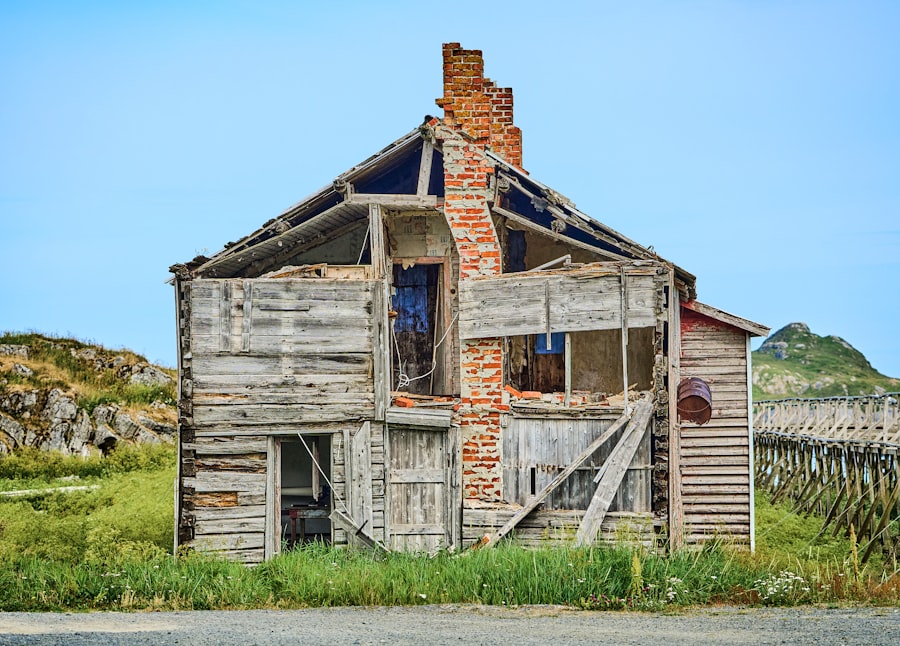
With a list of potential properties in hand, I realize that setting a budget is essential to my success at the auction. I begin by evaluating my financial situation and determining how much I can comfortably invest without jeopardizing my financial stability. This budget will not only include the purchase price but also additional costs such as closing fees, property taxes, and potential renovation expenses.
Once I establish my budget, I make a commitment to stick to it during the auction process. It can be easy to get caught up in the excitement of bidding and lose sight of my financial limits. To combat this temptation, I create a bidding plan that outlines my maximum bid for each property based on my research and analysis.
By adhering to this plan, I can avoid making impulsive decisions that could lead to financial strain.
Developing a bidding strategy
| Metric | Description | Importance | Typical Range | Measurement Frequency |
|---|---|---|---|---|
| Bid Amount | The monetary value placed on a bid for an ad placement or contract | High | Varies by industry and campaign | Per bid |
| Win Rate | Percentage of bids won out of total bids placed | High | 10% – 70% | Daily/Weekly |
| Cost Per Acquisition (CPA) | Average cost to acquire a customer or conversion through bidding | High | Varies widely | Weekly/Monthly |
| Return on Ad Spend (ROAS) | Revenue generated for every unit spent on bidding | High | 1.5x – 5x or more | Weekly/Monthly |
| Click-Through Rate (CTR) | Percentage of users who click on the ad after seeing it | Medium | 0.5% – 5% | Daily/Weekly |
| Impression Share | Percentage of total available impressions captured by the bid | Medium | 20% – 80% | Weekly/Monthly |
| Budget Utilization | Percentage of allocated budget spent during the campaign period | Medium | 80% – 100% | Daily/Weekly |
| Average Position | Average placement rank of the ad in auctions | Medium | 1 – 5 | Daily/Weekly |
As the auction date approaches, I realize that developing a bidding strategy is crucial for maximizing my chances of success. I begin by considering various bidding techniques that can help me stand out among other bidders. For instance, I contemplate whether to start with a low bid to gauge interest or come in strong with a higher initial offer to intimidate competitors.
I also think about timing during the auction itself. Some bidders may wait until the last moment to place their bids, hoping to catch others off guard. However, I’ve learned that this approach can be risky; if too many bidders wait until the end, it can drive up the final price significantly.
Instead, I decide to adopt a balanced approach—placing strategic bids throughout the auction while remaining aware of my budget constraints.
Knowing the competition
Understanding my competition is another vital aspect of preparing for a foreclosure auction. As I observe previous auctions, I take note of who else is participating and their bidding behaviors. Some bidders may be seasoned investors with deep pockets, while others might be first-time buyers looking for a deal.
By identifying these different types of competitors, I can tailor my strategy accordingly. I also consider how many bidders are likely to show up for each property I’m interested in. If there are multiple investors vying for the same property, it may drive up the price beyond what I’m willing to pay.
Conversely, if there are fewer bidders, I might have a better chance of securing a property at a reasonable price. This knowledge allows me to adjust my expectations and strategies based on the competitive landscape.
Understanding the legal and financial risks
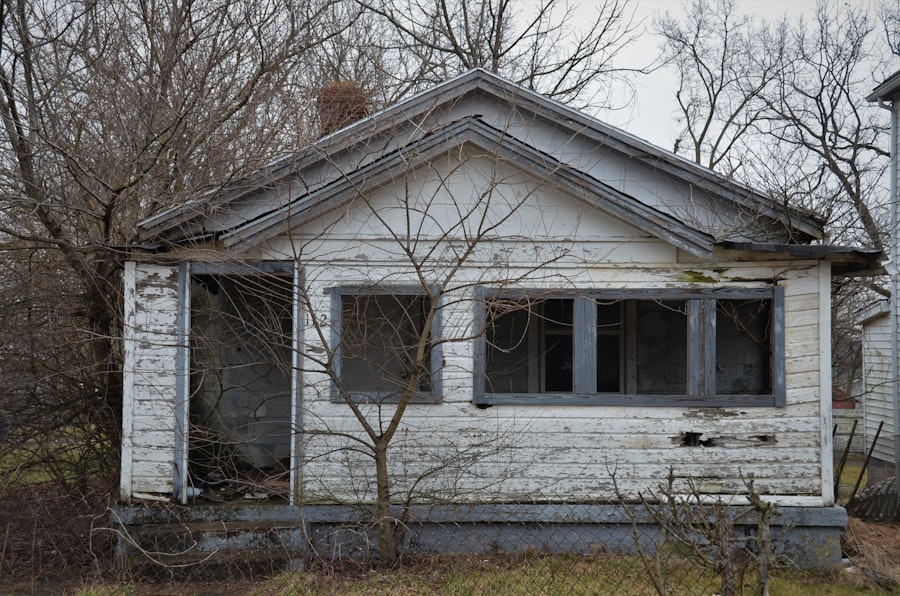
As I prepare for the auction, I recognize that there are inherent legal and financial risks involved in purchasing foreclosed properties. One significant risk is the possibility of hidden liens or encumbrances that could affect my ownership rights after the sale. To mitigate this risk, I make it a priority to conduct thorough due diligence on each property before bidding.
Additionally, I familiarize myself with local laws regarding foreclosure sales and property ownership transfers. Understanding these regulations helps me navigate potential pitfalls and ensures that I’m fully aware of my rights and responsibilities as a buyer. Furthermore, I consult with legal professionals when necessary to clarify any uncertainties regarding contracts or obligations associated with purchasing foreclosures.
Building relationships with key players
In my journey through foreclosure auctions, I’ve come to appreciate the importance of building relationships with key players in the real estate industry. Establishing connections with real estate agents, attorneys, and other investors can provide valuable insights and resources that enhance my chances of success. For instance, real estate agents often have access to off-market listings or insider information about upcoming auctions.
Networking with other investors also allows me to share experiences and learn from their successes and failures. By attending local real estate investment meetings or joining online forums, I can connect with like-minded individuals who can offer advice and support throughout my journey. These relationships not only enrich my knowledge but also create opportunities for collaboration in future investments.
Being prepared for unexpected challenges
Despite thorough preparation, I’ve learned that unexpected challenges can arise during foreclosure auctions. Whether it’s last-minute changes in property status or unforeseen competition from aggressive bidders, adaptability is key. To prepare for these challenges, I remind myself to stay calm and focused during the auction process.
I also develop contingency plans for various scenarios that could impact my bidding strategy. For example, if a property I’m interested in suddenly garners more attention than anticipated, I need to be ready to pivot and either increase my bid or walk away if it exceeds my budget. By maintaining flexibility in my approach, I’m better equipped to handle surprises while still pursuing my investment goals.
Assessing the condition of the property
Once I’ve successfully secured a property at auction, assessing its condition becomes a top priority. Since foreclosures are typically sold “as-is,” it’s essential for me to evaluate any repairs or renovations needed before moving forward with my plans. If possible, I try to conduct a thorough inspection prior to bidding; however, this isn’t always feasible due to time constraints.
After winning an auction, I arrange for a professional inspection as soon as possible. This step helps me identify any major issues that could impact my investment’s profitability. From structural concerns to plumbing or electrical problems, understanding the property’s condition allows me to make informed decisions about renovation costs and timelines.
Evaluating potential renovation costs
With a clear understanding of the property’s condition in hand, I turn my attention to evaluating potential renovation costs. This step is crucial for determining whether the investment will yield a positive return or become a financial burden. I create a detailed list of necessary repairs and improvements based on the inspection report and prioritize them according to urgency and budget constraints.
To get an accurate estimate of renovation costs, I reach out to contractors and obtain quotes for various projects. This process not only helps me gauge expenses but also allows me to build relationships with professionals who may assist me in future projects. By carefully evaluating renovation costs upfront, I’m better positioned to make informed decisions about how much time and money I’m willing to invest in transforming the property into a profitable asset.
Creating a post-auction plan
Finally, as I wrap up my journey through the foreclosure auction process, creating a post-auction plan becomes essential for ensuring long-term success. This plan outlines my goals for the property—whether it’s flipping it for profit or holding onto it as a rental investment—and establishes timelines for renovations and marketing efforts.
By having a clear post-auction plan in place, I’m better equipped to navigate the challenges ahead and maximize my investment’s potential over time. In conclusion, navigating foreclosure auctions requires careful preparation and strategic thinking at every stage of the process. From understanding the auction mechanics to building relationships within the industry and creating actionable plans post-purchase, each step plays a vital role in achieving success as an investor in this unique market.
For those looking to deepen their understanding of foreclosure auction strategies, a related article can be found at this link. This resource provides valuable insights and tips that can enhance your approach to navigating the complexities of foreclosure auctions, making it a great complement to the strategies discussed in the main article.
WATCH THIS! He Stole My Business, I Stole His House: The Foreclosure Twist
FAQs
What is a foreclosure auction?
A foreclosure auction is a public sale where a property is sold to the highest bidder after the homeowner defaults on their mortgage payments. The goal is to recover the outstanding loan balance for the lender.
How does a foreclosure auction work?
When a homeowner fails to pay their mortgage, the lender initiates foreclosure proceedings. The property is then scheduled for auction, where interested buyers can bid. The highest bidder wins the property, often at a price below market value.
What are common strategies for bidding at a foreclosure auction?
Common strategies include researching the property and its title beforehand, setting a maximum bid limit, attending multiple auctions to gain experience, and being prepared to pay immediately if you win. Some buyers also inspect the property if possible and consider potential repair costs.
Can anyone participate in a foreclosure auction?
Generally, yes. Foreclosure auctions are open to the public, but participants must meet specific requirements such as providing a deposit or proof of funds before bidding.
What risks are involved in buying a property at a foreclosure auction?
Risks include purchasing the property “as-is” without warranties, potential liens or unpaid taxes, limited opportunity for property inspection, and the possibility of eviction if the previous owner or tenants remain.
How can I find foreclosure auctions in my area?
Foreclosure auctions are typically advertised in local newspapers, on county or city government websites, and through specialized real estate auction platforms.
Is it necessary to have financing arranged before attending a foreclosure auction?
Yes. Most foreclosure auctions require immediate payment or a deposit on the day of the auction, so having financing or cash ready is essential.
What happens if the winning bidder fails to pay for the property?
If the winning bidder does not complete the payment, they may forfeit their deposit and lose the right to purchase the property. The property may then be offered to the next highest bidder or re-auctioned.
Can foreclosure auction properties be resold immediately?
Yes, once the purchase is finalized and ownership is transferred, the buyer can resell the property. However, they should ensure all liens and legal issues are resolved first.
Are there alternatives to buying at a foreclosure auction?
Yes. Alternatives include purchasing bank-owned properties (REO), short sales, or negotiating directly with homeowners facing foreclosure.