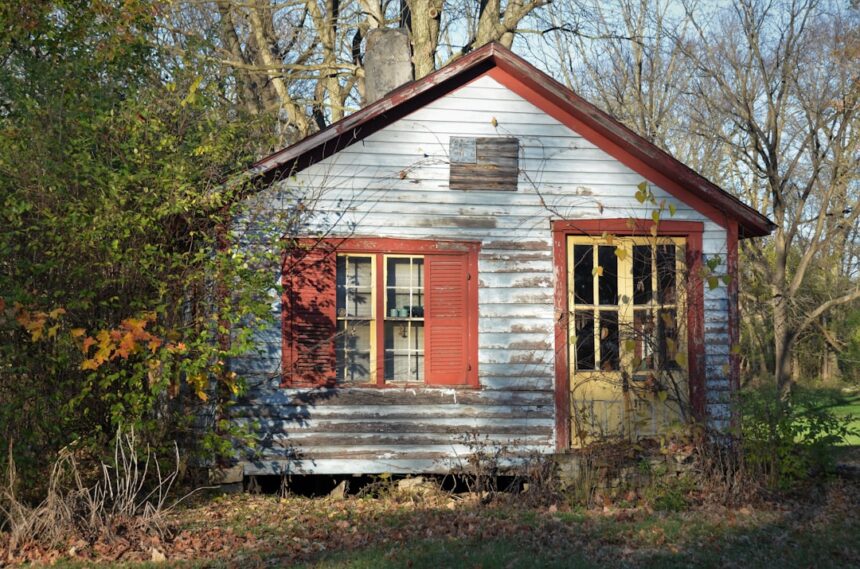
Before diving into the world of property auctions, I find it essential to conduct thorough market research. Understanding the local real estate landscape is crucial for making informed decisions. I start by analyzing recent sales in the area, paying close attention to property types, price trends, and neighborhood dynamics.
This research helps me identify which areas are appreciating in value and which ones may be stagnating. I often utilize online platforms, local real estate websites, and even social media groups dedicated to real estate discussions to gather insights from other buyers and sellers. Additionally, I make it a point to familiarize myself with the specific properties that will be up for auction.
I look for comparable sales, known as “comps,” to gauge whether the auction starting price is reasonable. By understanding the market value of similar properties, I can better assess whether a potential investment is worth pursuing. This research phase not only equips me with valuable knowledge but also boosts my confidence as I prepare to enter the auction arena.
Key Takeaways
- Thorough market research and property inspection are essential before bidding.
- Set a clear budget and get pre-approved for financing to avoid overspending.
- Understand the auction process and attend as a spectator to gain experience.
- Develop and stick to a bidding strategy while staying calm during the auction.
- Review auction terms carefully and consider hiring a professional for guidance.
Set a Budget
Setting a budget is one of the most critical steps in my auction preparation process. I begin by determining how much I can afford to spend without compromising my financial stability. This involves evaluating my current financial situation, including savings, income, and any existing debts.
I also consider additional costs associated with purchasing a property at auction, such as buyer’s premiums, closing costs, and potential renovation expenses. By factoring in these elements, I can create a realistic budget that reflects my true purchasing power. Once I have a clear understanding of my financial limits, I establish a maximum bid that I am willing to place during the auction.
This figure serves as my guiding light throughout the bidding process, ensuring that I do not get swept up in the excitement of the moment and overspend. I also make it a point to communicate this budget to any advisors or partners involved in the bidding process, so we are all on the same page and can work together effectively.
Understand the Auction Process

Understanding the auction process is vital for anyone looking to participate in property auctions. I take the time to familiarize myself with how auctions operate, including the different types of auctions—such as absolute auctions, where properties sell regardless of price, and reserve auctions, where a minimum price must be met. Knowing these distinctions helps me strategize my approach based on the auction format.
Moreover, I pay close attention to the auction rules and regulations set forth by the auctioneer or organization conducting the sale. Each auction may have its own set of guidelines regarding registration, bidding increments, and payment terms. By understanding these rules in advance, I can navigate the auction smoothly and avoid any surprises on the day of the event.
This preparation allows me to focus on making informed bids rather than scrambling to understand the process while others are actively participating.
Attend Auctions as a Spectator
| Metric | Description | Typical Value | Notes |
|---|---|---|---|
| Number of Auctions Attended | Total auctions attended as a spectator in a year | 10-20 | Varies based on interest and location |
| Average Duration per Auction | Time spent watching each auction | 2-4 hours | Depends on auction size and number of lots |
| Number of Lots Viewed | Items observed during the auction | 50-200 | Varies by auction type |
| Percentage of Auctions with Live Bidding | Auctions where spectators can bid live | 60% | Some auctions are for observation only |
| Average Spectator Attendance | Number of spectators per auction | 30-100 | Depends on auction popularity |
| Cost of Entry | Fee to attend as a spectator | Free to 20 | Many auctions allow free entry |
| Percentage of Spectators Who Later Bid | Spectators who become active bidders | 15% | Shows engagement level |
Before placing my own bids, I find it incredibly beneficial to attend a few auctions as a spectator. Observing how experienced bidders operate provides me with valuable insights into bidding strategies and auction dynamics. I take note of how bidders react to each other’s moves and how they gauge the competition.
This firsthand experience helps me develop a better understanding of the atmosphere during an auction and prepares me for what to expect when it’s my turn to bid. During these spectator visits, I also pay attention to the auctioneer’s style and pacing. Some auctioneers are fast-paced and energetic, while others may take a more measured approach.
By immersing myself in this environment before participating, I feel more comfortable and confident when it comes time for me to place my own bids.
Get Pre-Approved for Financing
Securing pre-approval for financing is a crucial step that I prioritize before attending an auction. Having pre-approval not only gives me a clear understanding of my budget but also demonstrates to sellers that I am a serious buyer. This can be particularly advantageous in competitive bidding situations where multiple interested parties are vying for the same property.
To obtain pre-approval, I reach out to lenders or mortgage brokers who can assess my financial situation and provide me with a pre-approval letter outlining how much they are willing to lend me. This letter serves as proof of my financial capability and can give me an edge over other bidders who may not have taken this step. Additionally, knowing my financing options allows me to make quicker decisions during the auction process, as I won’t have to worry about securing funds after winning a bid.
Inspect the Property
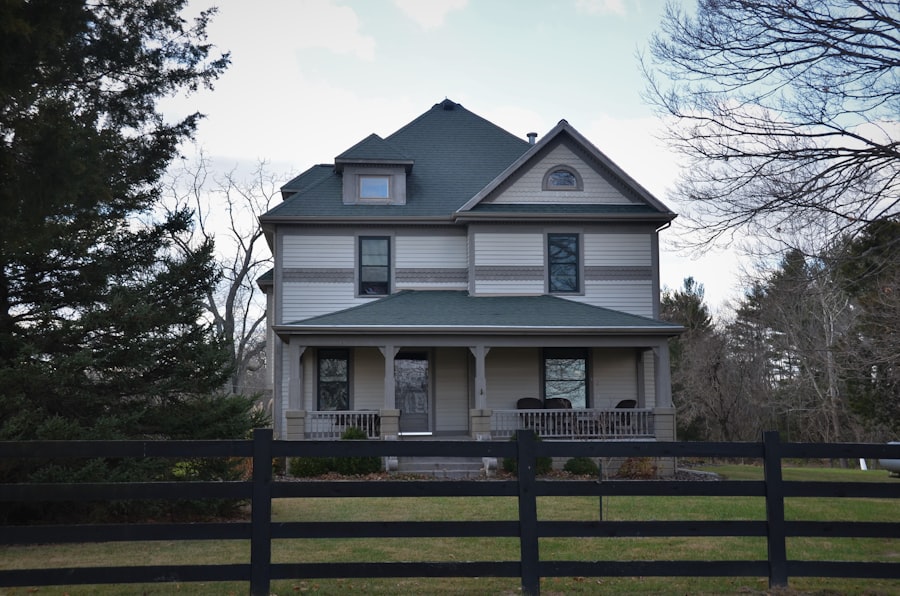
Before placing any bids, I make it a priority to inspect the property thoroughly. While some auctions may allow for limited viewing opportunities, I take advantage of any available open houses or scheduled inspections. This step is crucial because it allows me to assess the property’s condition firsthand and identify any potential issues that could affect its value or require costly repairs.
During my inspection, I pay close attention to both the interior and exterior of the property.
If possible, I bring along a trusted contractor or inspector who can provide expert insights into any repairs that may be needed.
This information is invaluable when determining my maximum bid and helps me avoid unexpected expenses down the line.
Have a Clear Bidding Strategy
Having a clear bidding strategy is essential for navigating the competitive landscape of property auctions. Before entering the auction room, I outline my approach based on my research and budget. One strategy I often consider is starting with a lower bid to gauge interest from other bidders before increasing my offer incrementally.
This tactic allows me to remain flexible while still staying within my predetermined budget. I also think about how much I’m willing to increase my bids based on how competitive the auction becomes. If I notice that several bidders are actively competing for a property, I may need to adjust my strategy accordingly.
However, it’s crucial that I remain disciplined and stick to my budget; otherwise, I risk overextending myself financially in the heat of competition.
Stay Calm and Stick to Your Budget
Staying calm during an auction is easier said than done, but it’s something I strive for as it can significantly impact my decision-making process. The excitement and tension in the room can create an adrenaline rush that tempts me to bid beyond my means. To counteract this urge, I remind myself of my budget and the research I’ve conducted prior to the auction.
I often take deep breaths and focus on maintaining a clear mindset throughout the bidding process. If I find myself getting caught up in the moment, I take a step back mentally and reassess my position. By keeping my emotions in check and adhering strictly to my budget, I’m more likely to make rational decisions that align with my long-term financial goals.
Be Prepared to Act Quickly
In an auction setting, timing is everything; therefore, being prepared to act quickly is essential for success. Once bidding begins, there’s often little time for deliberation between bids. To ensure I’m ready when opportunities arise, I practice being decisive in my bidding strategy while remaining aware of how other participants are responding.
I also keep an eye on the auctioneer’s pace and anticipate when they might call for bids or announce closing times for specific properties. By staying alert and engaged throughout the process, I’m better positioned to seize opportunities as they present themselves without hesitation.
Consider Hiring a Professional
While participating in an auction can be an exciting endeavor, there are times when hiring a professional can provide significant advantages. Real estate agents or auction specialists often have extensive experience navigating auctions and can offer valuable insights into bidding strategies and market conditions. If I’m feeling uncertain about entering an auction alone or if I’m targeting high-value properties, enlisting professional help can be beneficial.
They can assist with everything from conducting market research to representing me during bidding sessions. Having an expert by my side not only alleviates some pressure but also enhances my chances of making informed decisions throughout the process.
Review the Terms and Conditions of the Auction
Before placing any bids at an auction, reviewing the terms and conditions is non-negotiable for me. Each auction has its own set of rules regarding payment timelines, buyer’s premiums, contingencies, and other important details that could impact my purchase experience. I take time to read through these terms carefully and ensure that I fully understand them before participating in any bidding activity.
If there are aspects that seem unclear or concerning, I don’t hesitate to reach out to the auctioneer or their representatives for clarification. Being well-informed about these terms helps me avoid potential pitfalls and ensures that I’m prepared for what lies ahead after winning a bid. In conclusion, participating in property auctions requires careful preparation and strategic thinking at every stage of the process.
From researching the market and setting a budget to understanding auction dynamics and inspecting properties, each step plays a vital role in achieving success as a bidder. By following these guidelines and remaining disciplined throughout the journey, I’m better equipped to navigate this exciting yet challenging landscape with confidence.
If you’re looking to increase your chances of winning a house at auction, it’s essential to be well-prepared and informed about the process. A helpful resource on this topic can be found in the article titled “Tips for Successful Bidding at Real Estate Auctions.” You can read it [here](https://www.amiwronghere.com/sample-page/). This article provides valuable insights into strategies and techniques that can give you an edge in competitive bidding situations.
WATCH THIS! He Stole My Business, I Stole His House: The Foreclosure Twist
FAQs
What is a house auction?
A house auction is a public sale where properties are sold to the highest bidder. It is a fast-paced process where buyers compete by placing bids until the highest offer is reached.
How do I prepare to win a house at auction?
Preparation involves researching the property, setting a budget, arranging financing in advance, attending other auctions to understand the process, and inspecting the property thoroughly before bidding.
Do I need to have financing in place before bidding?
Yes, it is essential to have your financing approved before the auction because if you win, you are usually required to pay a deposit immediately and complete the purchase within a set timeframe.
What is the deposit required at a house auction?
Typically, a 10% deposit of the purchase price is required on the day of the auction. This amount is paid to secure the property once your bid is successful.
Can I inspect the property before the auction?
Yes, most auctions allow for property inspections prior to the auction date. It is highly recommended to attend open houses or arrange private inspections to assess the condition of the property.
What happens if I win the auction?
If you win, you will sign a contract of sale and pay the deposit immediately. The sale is usually unconditional, meaning you must complete the purchase by the settlement date specified in the contract.
Is it possible to negotiate the price after winning an auction?
No, auctions are legally binding contracts. Once you win and sign the contract, you are obligated to complete the purchase at the winning bid price.
What are the risks of buying a house at auction?
Risks include limited time for due diligence, potential for overbidding, and the unconditional nature of the sale which means you cannot back out without penalty.
Can I bid on behalf of someone else?
Yes, you can bid as a proxy if you have written authorization from the buyer. This is common when buyers cannot attend the auction in person.
How do I register to bid at a house auction?
You must register with the auctioneer before the auction begins, providing identification and sometimes proof of funds or pre-approval to ensure you are a serious bidder.