
In today’s fast-paced world, the power of technology in fact-finding cannot be overstated. I often find myself reflecting on how the digital landscape has transformed the way we gather, analyze, and disseminate information. Gone are the days when fact-finding was a laborious process, reliant on physical archives and manual research.
With the advent of the internet and advanced technologies, I can access a wealth of information at my fingertips, enabling me to verify facts and uncover truths with unprecedented speed and efficiency. The integration of technology into fact-finding processes has not only streamlined research but has also democratized access to information. I am no longer limited to traditional sources; instead, I can tap into a vast array of databases, online publications, and even social media platforms.
This shift has empowered individuals like me to become more informed citizens, capable of questioning narratives and seeking out the truth. However, with this power comes responsibility, as I must navigate the complexities of information overload and discern credible sources from unreliable ones.
Key Takeaways
- Technology enhances fact-finding through advanced data mining, AI, and verification tools.
- Social media and open source intelligence are vital resources for modern investigative journalism.
- Ethical challenges and misinformation, including deepfakes, complicate technology-assisted fact-finding.
- Blockchain offers potential for transparent, immutable records to support fact verification.
- Future fact-finding relies on emerging technologies and global collaborative efforts.
Utilizing Data Mining and Analysis for Uncovering Truth
Data mining and analysis have emerged as essential tools in my quest for uncovering the truth. By employing sophisticated algorithms and analytical techniques, I can sift through massive datasets to identify patterns, correlations, and anomalies that may not be immediately apparent. This process allows me to draw meaningful insights from raw data, transforming it into actionable knowledge that can inform my understanding of various issues.
As I delve deeper into data analysis, I realize that it is not just about numbers; it is about storytelling. Each dataset has a narrative waiting to be uncovered, and I take pride in piecing together these stories to reveal hidden truths. Whether I am investigating social trends, political movements, or economic shifts, data mining equips me with the tools to substantiate my findings with empirical evidence.
This analytical approach not only enhances my credibility but also fosters a more informed discourse around critical issues.
Fact-Checking and Verification Tools in the Digital Age

In an era where misinformation spreads like wildfire, fact-checking and verification tools have become indispensable in my fact-finding arsenal. I have come to rely on various platforms and applications designed to help me assess the accuracy of claims made in news articles, social media posts, and public statements. These tools empower me to scrutinize information critically, ensuring that I do not fall victim to false narratives or misleading assertions.
One of the most valuable aspects of these verification tools is their ability to provide context. When I encounter a sensational headline or a controversial statement, I can quickly cross-reference it with reputable sources to determine its validity. This process not only bolsters my confidence in the information I share but also encourages a culture of accountability among content creators.
As I engage with these tools, I am reminded of the importance of due diligence in an age where the line between fact and fiction is increasingly blurred.
The Role of Artificial Intelligence in Fact-Finding
| Aspect | Metric/Value | Description |
|---|---|---|
| Accuracy Improvement | 85-95% | Range of accuracy AI systems achieve in identifying relevant facts compared to traditional methods. |
| Data Processing Speed | Up to 100x faster | Speed increase in analyzing large datasets using AI versus manual fact-finding. |
| Reduction in Human Error | 40-60% | Estimated decrease in errors during fact verification when AI tools are used. |
| Types of Data Analyzed | Text, Audio, Video, Images | Various data formats AI can process for fact-finding purposes. |
| Common AI Techniques | Natural Language Processing, Machine Learning, Computer Vision | Primary AI methods applied in fact-finding tasks. |
| Use Cases | Legal Discovery, Journalism, Fraud Detection, Scientific Research | Fields where AI-driven fact-finding is prominently utilized. |
| Challenges | Bias, Data Privacy, Interpretability | Main issues faced when implementing AI in fact-finding. |
| Human-AI Collaboration | Hybrid Approach | Combining AI efficiency with human judgment for optimal fact-finding results. |
Artificial intelligence (AI) has revolutionized the landscape of fact-finding in ways I could have never imagined. With its ability to process vast amounts of information at lightning speed, AI has become an invaluable ally in my pursuit of truth. From natural language processing to machine learning algorithms, AI technologies enable me to analyze data more efficiently and effectively than ever before.
One of the most exciting applications of AI in fact-finding is its capacity for predictive analytics. By analyzing historical data and identifying trends, AI can help me anticipate future developments and uncover potential truths before they become widely recognized. This proactive approach allows me to stay ahead of the curve and engage in informed discussions about emerging issues.
However, I also recognize that reliance on AI comes with its own set of challenges, particularly concerning bias and transparency in algorithmic decision-making.
Investigative Journalism in the Digital Era
As an avid consumer of news, I have witnessed firsthand how investigative journalism has evolved in the digital era. The internet has opened up new avenues for journalists to conduct research, gather evidence, and share their findings with a global audience. I admire how investigative reporters leverage technology to expose corruption, hold powerful entities accountable, and bring important issues to light.
In this digital landscape, investigative journalism is no longer confined to traditional media outlets. Independent journalists and citizen reporters can now utilize online platforms to publish their work and reach audiences directly. This democratization of journalism has led to a more diverse range of voices contributing to public discourse.
However, it also raises questions about credibility and accountability, as I must navigate a sea of information from various sources while discerning which narratives are trustworthy.
Using Social Media and Open Source Intelligence for Fact-Finding
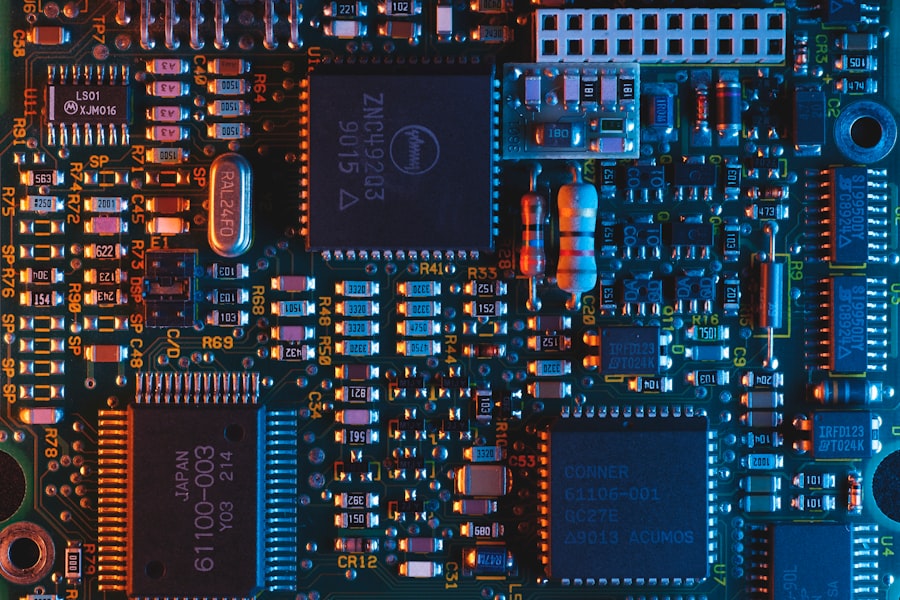
Social media has become an integral part of my fact-finding toolkit. Platforms like Twitter, Facebook, and Instagram provide real-time updates on current events and allow me to engage with a diverse array of perspectives. By following reputable accounts and participating in discussions, I can gain insights that may not be covered by mainstream media outlets.
Additionally, social media serves as a valuable source of open-source intelligence (OSINT), enabling me to gather information from publicly available data. The power of OSINT lies in its accessibility; anyone with an internet connection can contribute to the collective knowledge base. As I explore various online communities and forums, I often come across firsthand accounts, photographs, and videos that enrich my understanding of complex issues.
However, I must remain vigilant about verifying the authenticity of these sources, as misinformation can easily proliferate within social media networks.
Challenges and Ethical Considerations in Technology-Assisted Fact-Finding
While technology has undoubtedly enhanced my ability to uncover truths, it also presents a host of challenges and ethical considerations that I must navigate carefully. One significant concern is the potential for bias in algorithms and data analysis tools. As I rely on these technologies for fact-finding, I must remain aware that they may inadvertently perpetuate existing biases or exclude certain perspectives from consideration.
As I engage with various platforms and tools, I must consider how my data is being used and whether my actions contribute to a culture of surveillance that infringes on individual rights. Striking a balance between leveraging technology for fact-finding while respecting ethical boundaries is an ongoing challenge that requires constant reflection.
The Impact of Deepfakes and Misinformation on Fact-Finding
The rise of deepfakes and sophisticated misinformation campaigns poses a significant threat to my efforts in fact-finding. As technology continues to evolve, so too do the methods employed by those seeking to manipulate public perception. Deepfakes—hyper-realistic videos that can distort reality—have made it increasingly difficult for me to discern what is genuine from what is fabricated.
This challenge underscores the importance of critical thinking and skepticism in my approach to information consumption. As I encounter content that appears dubious or sensationalized, I remind myself to verify claims through multiple sources before forming conclusions. The prevalence of misinformation serves as a stark reminder that even in an age where technology empowers fact-finding, vigilance is essential in safeguarding against deception.
Leveraging Blockchain Technology for Transparent and Immutable Fact-Finding
Blockchain technology offers exciting possibilities for enhancing transparency and accountability in fact-finding processes. As I explore this innovative technology, I am intrigued by its potential to create immutable records that can verify the authenticity of information. By utilizing blockchain’s decentralized nature, I can ensure that facts are securely documented and resistant to tampering or manipulation.
As I consider the implications of blockchain for fact-finding, I envision a future where transparency becomes the norm rather than the exception—a future where individuals can confidently rely on verified information without fear of deception.
The Future of Fact-Finding: Emerging Technologies and Innovations
As I look ahead to the future of fact-finding, I am excited by the potential for emerging technologies to further enhance my ability to uncover truths. Innovations such as augmented reality (AR) and virtual reality (VR) could revolutionize how we experience information by providing immersive environments for exploration and understanding. Imagine being able to step into a virtual world where historical events are recreated or complex data visualizations come to life before my eyes.
Additionally, advancements in quantum computing hold promise for processing vast datasets at unprecedented speeds. This could enable me to analyze complex problems more efficiently than ever before, unlocking new insights that were previously unattainable. As these technologies continue to evolve, I remain optimistic about their potential to empower individuals like me in our pursuit of truth.
Collaborative Approaches to Technology-Driven Fact-Finding in a Global Context
In an increasingly interconnected world, collaborative approaches to technology-driven fact-finding are essential for addressing global challenges. As I engage with individuals from diverse backgrounds and expertise, I recognize the value of pooling resources and knowledge to tackle complex issues collectively. Collaborative platforms allow me to share insights, exchange ideas, and work together toward common goals.
By fostering partnerships between journalists, researchers, technologists, and community members, we can create a more robust ecosystem for fact-finding that transcends geographical boundaries. This collaborative spirit not only enhances our collective understanding but also strengthens our ability to combat misinformation on a global scale. As we navigate the complexities of the digital age together, I am inspired by the potential for technology-driven fact-finding to foster greater transparency and accountability worldwide.
In conclusion, as I reflect on the power of technology in fact-finding, I am reminded that while advancements offer incredible opportunities for uncovering truths, they also come with challenges that require careful consideration. By embracing innovative tools while remaining vigilant against misinformation and ethical dilemmas, I can contribute to a more informed society where truth prevails over deception.
In today’s digital age, the quest for truth often intersects with technology, as various tools and platforms can either illuminate or obscure reality. A thought-provoking article that delves into this topic is available at this link, where the complexities of using technology to discern truth are explored in depth. The article discusses the implications of misinformation and the role of digital literacy in navigating the vast information landscape.
WATCH THIS! My Wife’s Heart Rate Hit 172 During a ‘Quiet Budget Meeting’
FAQs
What is the role of technology in finding the truth?
Technology aids in finding the truth by providing tools for data collection, analysis, verification, and dissemination. It enables faster access to information, fact-checking, and the ability to cross-reference multiple sources to validate claims.
How does technology help in verifying information?
Technology helps verify information through algorithms, artificial intelligence, and machine learning that can detect inconsistencies, identify fake news, and analyze the credibility of sources. Tools like reverse image search and blockchain can also authenticate digital content.
Can technology eliminate misinformation completely?
No, technology cannot completely eliminate misinformation. While it can significantly reduce the spread of false information by detecting and flagging it, human judgment and critical thinking remain essential in interpreting and verifying facts.
What technologies are commonly used to find the truth?
Common technologies include data analytics, artificial intelligence, machine learning, blockchain, digital forensics, and fact-checking platforms. These technologies help analyze large datasets, verify digital content, and track the origin of information.
Is technology always reliable in finding the truth?
Technology is a powerful tool but not infallible. It depends on the quality of data, algorithms, and human oversight. Biases in data or programming can affect outcomes, so technology should be used alongside critical evaluation and expert analysis.
How does technology impact journalism and truth-seeking?
Technology has transformed journalism by enabling real-time reporting, access to vast information sources, and tools for fact-checking. It helps journalists verify facts quickly and reach wider audiences, enhancing transparency and accountability.
What ethical considerations are involved in using technology to find the truth?
Ethical considerations include privacy, data security, avoiding bias, and ensuring transparency in algorithms. It is important to use technology responsibly to respect individuals’ rights and maintain public trust in information sources.
Can technology help in legal investigations to find the truth?
Yes, technology plays a crucial role in legal investigations by providing digital forensics, evidence analysis, and data recovery tools. It helps uncover facts, verify testimonies, and support the judicial process with accurate information.