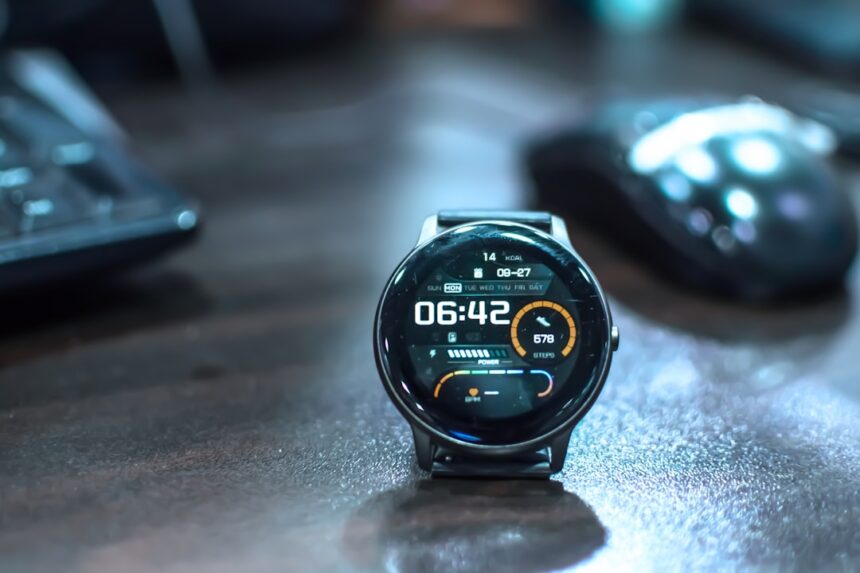
In recent years, the rise of smartwatches has transformed the way I interact with technology and manage my daily life. These devices, which seamlessly blend functionality with style, have become an integral part of my routine. However, as I embrace the convenience they offer, I find myself increasingly aware of the implications of their surveillance capabilities.
Smartwatches are not just tools for tracking fitness or receiving notifications; they are sophisticated devices capable of collecting vast amounts of personal data. This raises important questions about privacy, security, and the ethical dimensions of surveillance in our everyday lives. As I delve deeper into the world of smartwatch surveillance, I realize that the convenience these devices provide comes at a cost.
The ability to monitor my health metrics, location, and even my communication patterns means that I am constantly being observed. This duality of benefit and risk is a central theme in the discussion surrounding smartwatch surveillance. While I appreciate the insights these devices offer into my health and well-being, I cannot ignore the potential consequences of being under constant scrutiny.
Understanding the mechanisms behind smartwatch data collection and the broader implications of this surveillance is essential for navigating this complex landscape.
Key Takeaways
- Smartwatches collect extensive personal data, raising significant privacy concerns.
- Legal frameworks around smartwatch surveillance are still evolving and vary by region.
- There is potential for misuse of smartwatch data, impacting personal freedom and autonomy.
- Big Tech companies play a crucial role in data collection and surveillance practices.
- Users can take proactive steps to protect their privacy and navigate ethical challenges.
How Smartwatches Collect Data
Smartwatches collect data through a variety of sensors and technologies embedded within their sleek designs. As I wear my smartwatch throughout the day, it continuously gathers information about my physical activity, heart rate, sleep patterns, and even my geographical location. The accelerometer tracks my movements, while the heart rate monitor provides real-time insights into my cardiovascular health.
This data is then transmitted to my smartphone or cloud-based services, where it can be analyzed and stored for future reference. Moreover, many smartwatches are equipped with GPS capabilities, allowing them to pinpoint my location with remarkable accuracy. This feature not only enhances fitness tracking but also enables navigation and location-based services.
However, I often wonder about the extent to which this data is being used beyond my personal benefit. The aggregation of such detailed information creates a comprehensive profile of my habits and preferences, raising concerns about how this data might be utilized by third parties or even the manufacturers themselves.
Privacy Concerns with Smartwatch Surveillance
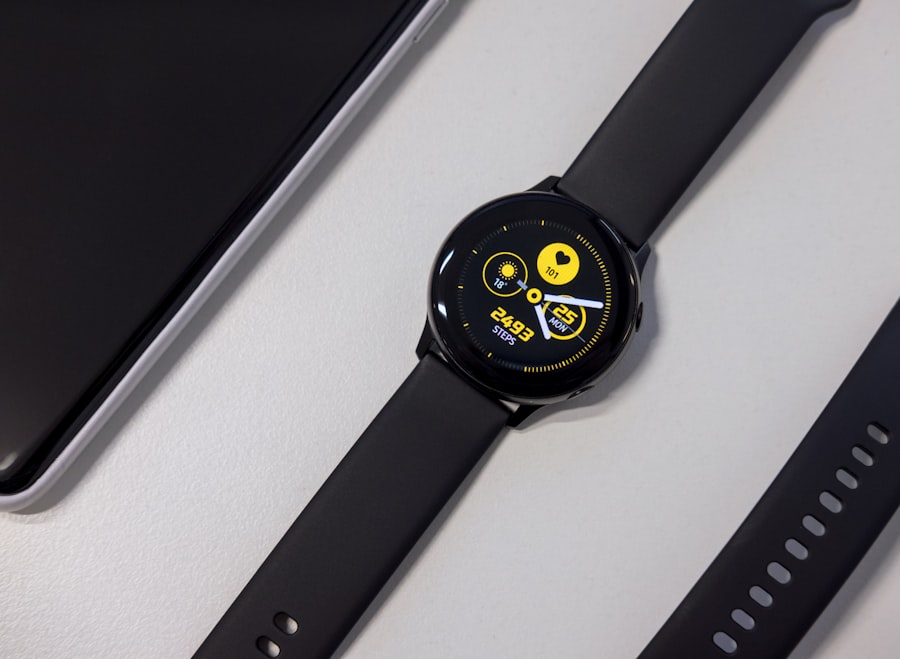
As I reflect on the data collection practices of smartwatches, I cannot help but feel a sense of unease regarding my privacy. The very nature of these devices means that they are always on, always collecting information about me. This constant surveillance can lead to a feeling of vulnerability, as I consider who has access to my data and how it might be used.
The potential for misuse is significant; personal health information is sensitive and should be treated with care. Yet, I often find myself questioning whether companies prioritize user privacy or profit. The lack of transparency surrounding data usage further complicates matters.
Many smartwatch manufacturers have vague privacy policies that do not clearly outline how my data will be handled or shared. As a consumer, I feel a responsibility to educate myself about these policies, but the complexity of legal jargon can be overwhelming. This ambiguity leaves me feeling uncertain about the safety of my personal information and whether I can trust these companies to protect it adequately.
Legal Implications of Smartwatch Surveillance
| Aspect | Description | Legal Concern | Potential Impact |
|---|---|---|---|
| Data Privacy | Collection of personal health and location data via smartwatches | Violation of data protection laws (e.g., GDPR, HIPAA) | Fines, lawsuits, loss of user trust |
| Consent | Obtaining explicit user consent for data collection and surveillance | Non-compliance with informed consent requirements | Legal penalties, invalidation of data use |
| Employee Monitoring | Use of smartwatches to track employee activities and health | Workplace privacy rights and labor laws | Employee disputes, regulatory scrutiny |
| Data Security | Protection of collected data from breaches and unauthorized access | Liability for data breaches under cybersecurity laws | Reputational damage, legal sanctions |
| Surveillance Scope | Extent and intrusiveness of monitoring via smartwatch sensors | Potential infringement on individual freedoms and rights | Legal challenges, restrictions on surveillance practices |
| Cross-border Data Transfer | Transmission of smartwatch data across international borders | Compliance with international data transfer regulations | Operational limitations, legal compliance costs |
The legal landscape surrounding smartwatch surveillance is still evolving, and as I navigate this terrain, I find it essential to understand my rights as a user.
For instance, regulations like the General Data Protection Regulation (GDPR) in Europe aim to give individuals greater control over their personal data.
However, enforcement can be inconsistent, and I often wonder how these laws apply to the global nature of technology companies. Additionally, there are questions about liability in cases where data breaches occur. If my personal information is compromised due to inadequate security measures by a smartwatch manufacturer, what recourse do I have?
As I consider these factors, it becomes clear that a comprehensive understanding of the legal framework is crucial for anyone using smartwatches in today’s digital age.
Potential Misuse of Smartwatch Surveillance
The potential for misuse of smartwatch surveillance is a pressing concern that weighs heavily on my mind. With the ability to collect detailed personal data comes the risk that this information could be exploited for nefarious purposes. For instance, employers may use data from smartwatches to monitor employee productivity or health without consent, leading to ethical dilemmas regarding workplace privacy.
As I think about this scenario, I realize that the line between beneficial monitoring and invasive surveillance can easily become blurred. Moreover, there is a growing fear that governments may leverage smartwatch data for surveillance purposes. In an age where national security concerns often take precedence over individual privacy rights, I worry about the implications of being tracked through my own device.
The potential for mass surveillance raises fundamental questions about civil liberties and the extent to which technology should be allowed to intrude into our lives. As I navigate this landscape, I am reminded that vigilance is necessary to protect not only my own privacy but also the rights of others.
Impact on Personal Freedom and Autonomy
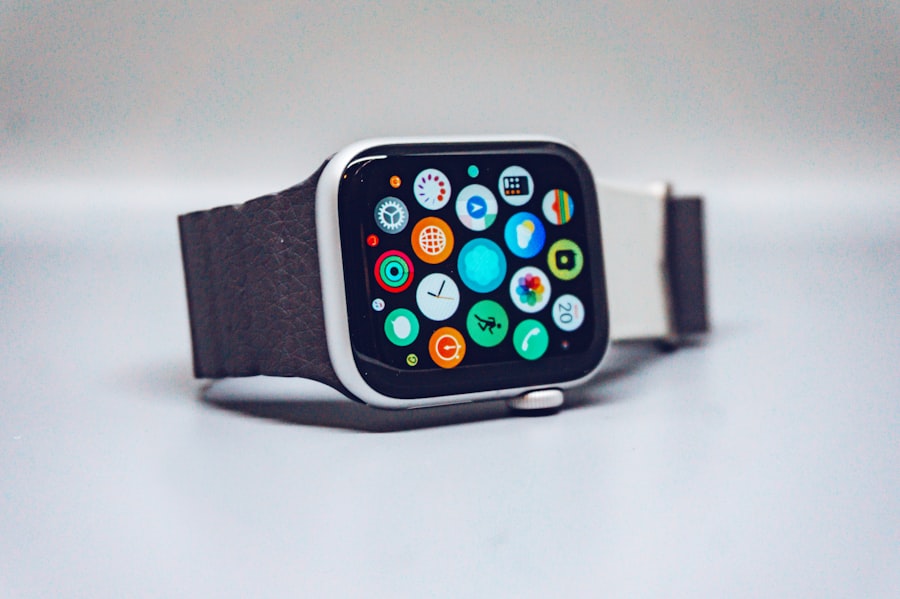
The impact of smartwatch surveillance on personal freedom and autonomy is profound and multifaceted. As I wear my smartwatch daily, I find myself grappling with the notion that my choices may be influenced by the constant monitoring of my behavior. The awareness that I am being tracked can lead to self-censorship; I may alter my actions or decisions based on what I believe is being observed.
This phenomenon raises important questions about how technology shapes our autonomy and whether we are truly free when our every move is recorded. Furthermore, the normalization of surveillance through smartwatches can create a culture of compliance where individuals feel pressured to conform to societal expectations dictated by data analytics. As I consider this reality, I recognize that while technology can enhance our lives in many ways, it can also constrain our freedom by imposing external standards on our behavior.
The challenge lies in finding a balance between leveraging technology for personal growth while safeguarding our autonomy from undue influence.
The Role of Big Tech in Smartwatch Surveillance
Big Tech companies play a pivotal role in shaping the landscape of smartwatch surveillance, and their influence cannot be overstated. As I engage with popular devices from major tech giants, I am acutely aware that these companies have access to vast amounts of user data. Their business models often rely on monetizing this information through targeted advertising or partnerships with third-party developers.
This raises ethical questions about whether user consent is genuinely informed or merely a checkbox in lengthy terms and conditions. Moreover, the competitive nature of the tech industry can lead to a race for data collection capabilities among companies. As they strive to outdo one another in terms of features and functionalities, there is a risk that user privacy may take a backseat to innovation.
As a consumer, I feel a responsibility to advocate for transparency and accountability from these corporations while also recognizing that their products have become integral to modern life.
Ways to Protect Yourself from Smartwatch Surveillance
In light of the potential risks associated with smartwatch surveillance, I have taken proactive steps to protect myself from unwanted scrutiny. One of the first measures I adopted was reviewing the privacy settings on my device and ensuring that I only share information that I am comfortable with. Many smartwatches allow users to customize their data-sharing preferences; by taking advantage of these options, I can limit exposure to unnecessary tracking.
Additionally, I have become more discerning about which apps I install on my smartwatch and smartphone. By choosing applications from reputable developers with clear privacy policies, I can mitigate some risks associated with data collection. Furthermore, regularly updating my device’s software ensures that security vulnerabilities are patched promptly, reducing the likelihood of unauthorized access to my personal information.
Ethical Considerations of Smartwatch Surveillance
The ethical considerations surrounding smartwatch surveillance are complex and multifaceted. As I reflect on these issues, I recognize that there is a delicate balance between technological advancement and ethical responsibility. While smartwatches offer valuable insights into health and wellness, they also raise questions about consent and autonomy.
It is essential for manufacturers to prioritize ethical practices in their design and data collection processes. Moreover, as users, we must engage in critical conversations about our relationship with technology. Are we willing to sacrifice our privacy for convenience?
As I ponder this question, I realize that fostering an ethical framework around smartwatch surveillance requires collaboration between consumers, manufacturers, and policymakers alike. By advocating for responsible practices and holding companies accountable for their actions, we can work towards a future where technology enhances our lives without compromising our fundamental rights.
Future Trends in Smartwatch Surveillance
Looking ahead, it is clear that smartwatch surveillance will continue to evolve alongside advancements in technology. As artificial intelligence and machine learning become more integrated into wearable devices, the potential for personalized health insights will expand significantly. However, this progress also brings forth new challenges related to data security and privacy protection.
I anticipate that regulatory frameworks will need to adapt rapidly to keep pace with these developments. As consumers become more aware of their rights and demand greater transparency from manufacturers, we may see a shift towards more robust privacy protections in the smartwatch industry. Additionally, emerging technologies such as blockchain could offer innovative solutions for securing personal data while maintaining user control over their information.
Navigating the Complexities of Smartwatch Surveillance
In conclusion, navigating the complexities of smartwatch surveillance requires a nuanced understanding of both its benefits and risks. As I embrace the convenience offered by these devices, I must remain vigilant about protecting my privacy and autonomy in an increasingly monitored world. By educating myself about how smartwatches collect data and advocating for ethical practices within the industry, I can contribute to a future where technology serves as an ally rather than an adversary.
Ultimately, it is essential for all users to engage in ongoing conversations about privacy rights and ethical considerations surrounding technology. By fostering awareness and encouraging responsible practices among manufacturers and consumers alike, we can work towards a balanced approach that respects individual freedoms while harnessing the potential of smartwatches for positive change in our lives.
In recent discussions about the evolving role of technology in our daily lives, the emergence of smartwatches has sparked significant interest. A related article that delves into the implications of wearable technology can be found here. This piece explores how smartwatches not only track fitness and health metrics but also raise questions about privacy and data security, making it a timely read for anyone interested in the intersection of technology and personal information.
WATCH THIS! My Wife’s Heart Rate Hit 172 During a ‘Quiet Budget Meeting’
FAQs
What is the main topic of “The Smartwatch That Snitched”?
The article discusses how smartwatches can be used to track and record personal data, sometimes revealing information that users may not intend to share.
How do smartwatches collect data?
Smartwatches collect data through built-in sensors such as GPS, heart rate monitors, accelerometers, and microphones, which track physical activity, location, health metrics, and sometimes audio.
Can smartwatches compromise user privacy?
Yes, smartwatches can compromise privacy if the data they collect is accessed by unauthorized parties or shared without the user’s consent.
What types of information can a smartwatch reveal?
A smartwatch can reveal information such as a user’s location history, daily routines, health conditions, and even conversations if audio recording features are enabled.
Are there any legal implications related to data collected by smartwatches?
Yes, data from smartwatches can be used as evidence in legal cases, which raises concerns about consent, data ownership, and privacy rights.
How can users protect their data on smartwatches?
Users can protect their data by adjusting privacy settings, limiting app permissions, regularly updating software, and being cautious about which apps they install.
Is it possible for smartwatches to be used for surveillance?
Yes, smartwatches can potentially be used for surveillance if they are hacked or if data is shared with third parties without the user’s knowledge.
What should consumers consider before purchasing a smartwatch?
Consumers should consider the device’s privacy policies, data security features, and how their personal information will be used and stored.