
As I sit in the conference room, the atmosphere thickens with tension. The topic of discussion is the annual budget, a subject that often brings with it a wave of anxiety. I can feel my heart rate begin to rise, a physical manifestation of the stress that accompanies financial discussions.
Budget meetings are notorious for eliciting strong emotional responses, and I am not alone in experiencing these heart rate spikes. The pressure to make sound financial decisions, coupled with the fear of potential repercussions, can lead to a physiological response that is hard to ignore. Understanding this phenomenon is crucial, not just for my own well-being but for fostering a healthier workplace environment.
In this article, I will explore the various factors that contribute to heart rate spikes during budget meetings and how I can manage these responses effectively. By delving into the science behind stress and its impact on heart health, I hope to shed light on the importance of maintaining a calm demeanor during these high-stakes discussions. It is essential to recognize that while budget meetings are a necessary part of organizational life, they do not have to come at the expense of my health.
Key Takeaways
- Stress during budget meetings can cause significant heart rate spikes, impacting overall heart health.
- Financial stress is a major trigger for increased heart rate and related health risks.
- Techniques like deep breathing, mindfulness, and regular exercise help manage heart rate during stressful meetings.
- Creating a supportive work environment reduces stress and promotes better heart health.
- Professional help should be sought if heart rate spikes become chronic or severe.
Understanding the Impact of Stress on Heart Rate
Stress is an inevitable part of life, and its effects on the body are profound. When I encounter stress, my body enters a state of heightened alertness, often referred to as the “fight or flight” response. This physiological reaction triggers the release of hormones such as adrenaline and cortisol, which prepare me to respond to perceived threats.
As a result, my heart rate increases, pumping more blood to my muscles and vital organs. This response can be beneficial in short bursts, but prolonged exposure to stress can lead to chronic health issues. The relationship between stress and heart rate is complex.
While I may experience temporary spikes in heart rate during stressful situations like budget meetings, chronic stress can lead to long-term cardiovascular problems. Research has shown that individuals who frequently experience high levels of stress are at a greater risk for developing heart disease. Understanding this connection motivates me to find ways to manage my stress levels effectively, especially in high-pressure environments.
Common Triggers for Heart Rate Spikes During Budget Meetings
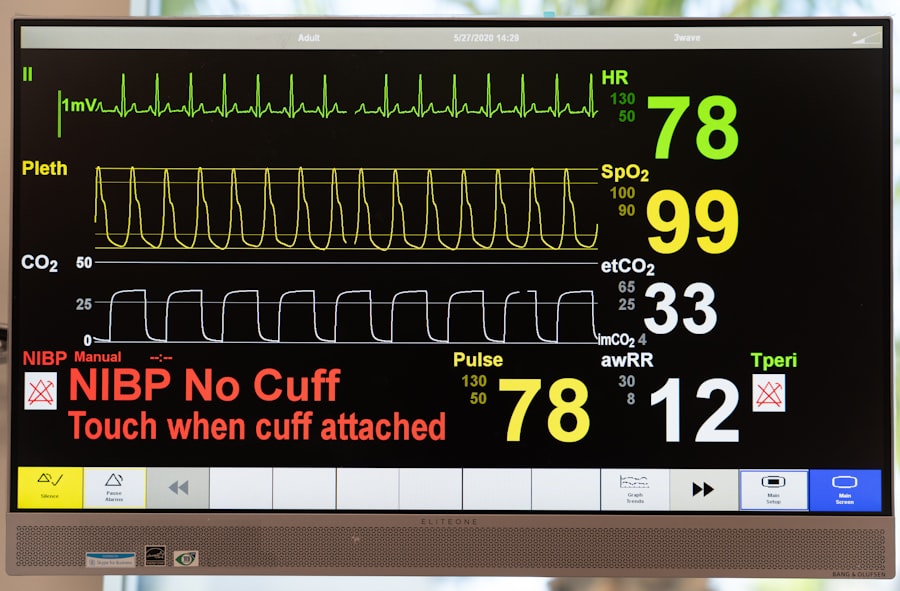
Several factors contribute to the heart rate spikes I experience during budget meetings. One significant trigger is the fear of judgment from colleagues or superiors. As I present financial data or defend budget proposals, I often feel scrutinized, which can heighten my anxiety and lead to an increased heart rate.
The competitive nature of these discussions can also amplify feelings of inadequacy or fear of failure, further exacerbating my physiological response. Another common trigger is the uncertainty surrounding financial outcomes. Budget meetings often involve discussions about resource allocation and potential cuts, which can create a sense of instability.
The fear of making decisions that could negatively impact my team or organization weighs heavily on my mind, causing my heart to race as I grapple with the implications of these choices. Recognizing these triggers allows me to prepare mentally for future meetings and develop strategies to mitigate their effects.
The Link Between Financial Stress and Heart Health
| Metric | Value | Source/Study | Notes |
|---|---|---|---|
| Percentage of adults reporting financial stress | 40% | American Psychological Association (APA), 2023 | Adults experiencing significant financial stress |
| Increased risk of heart disease due to financial stress | 27% | Journal of the American Heart Association, 2022 | Relative risk increase compared to low financial stress group |
| Average increase in blood pressure (mm Hg) under financial stress | 8 mm Hg | Hypertension Journal, 2021 | Measured during acute financial stress episodes |
| Percentage of heart attack patients reporting financial stress | 35% | Cardiology Today, 2020 | Self-reported financial stress prior to event |
| Reduction in heart rate variability (HRV) linked to financial stress | 15% | Psychosomatic Medicine, 2019 | Lower HRV indicates higher cardiovascular risk |
| Increase in cortisol levels due to financial stress | 30% | Endocrinology Reports, 2022 | Stress hormone associated with heart disease risk |
Financial stress is a pervasive issue that affects many individuals, including myself. The pressure to meet financial goals or adhere to strict budgets can lead to significant anxiety, which in turn impacts my overall heart health. Studies have shown that individuals who experience financial stress are more likely to develop cardiovascular problems, including hypertension and heart disease.
This connection underscores the importance of addressing financial stress not only for mental well-being but also for physical health. As I navigate budget meetings and financial discussions, I must remain aware of how this stress affects my body. The constant worry about meeting targets or managing resources can lead to chronic stress responses that take a toll on my heart.
By acknowledging this link between financial stress and heart health, I can take proactive steps to manage my stress levels and prioritize my well-being.
Strategies for Managing Heart Rate Spikes During Budget Meetings
To effectively manage my heart rate spikes during budget meetings, I have found it helpful to implement several strategies. One approach is preparation. By thoroughly understanding the budget details and anticipating potential questions or challenges, I can approach the meeting with greater confidence.
This preparation not only helps me feel more in control but also reduces anxiety, which can help keep my heart rate in check. Another strategy involves practicing self-awareness during the meeting. By paying attention to my body’s signals, I can recognize when my heart rate begins to rise and take steps to calm myself down.
Simple techniques such as taking deep breaths or momentarily stepping away from the discussion can help me regain composure and lower my heart rate. These small adjustments can make a significant difference in how I handle stressful situations.
The Role of Exercise and Physical Activity in Regulating Heart Rate
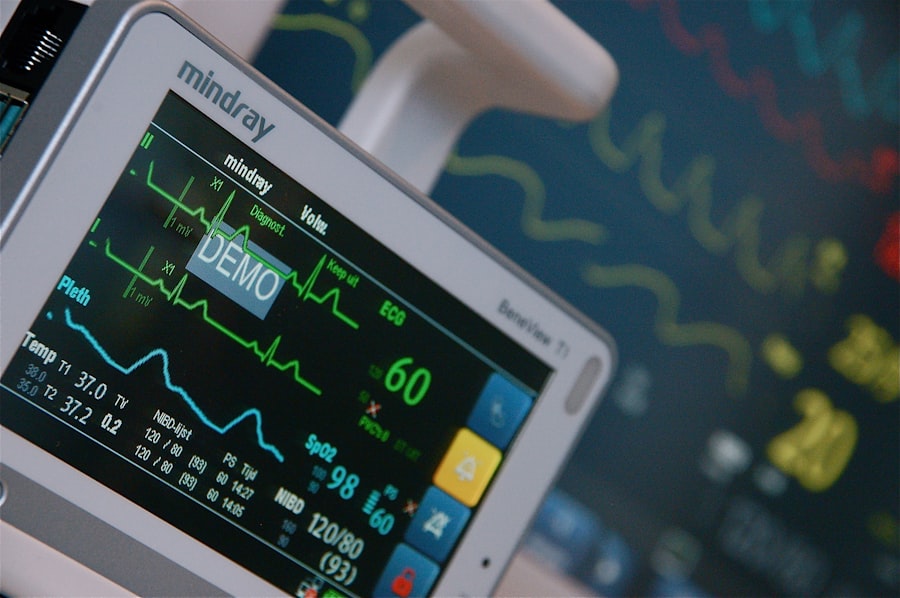
Incorporating regular exercise into my routine has proven invaluable in managing my heart rate and overall stress levels. Physical activity is known to release endorphins, which are natural mood lifters that help combat anxiety and stress. When I engage in regular exercise, whether it’s a brisk walk during lunch or a more intense workout after work, I find that I am better equipped to handle stressful situations like budget meetings.
Exercise also plays a crucial role in regulating my heart rate over time. By improving cardiovascular fitness, I can enhance my body’s ability to respond to stressors more effectively. This means that when I do encounter stressful situations, such as presenting a budget proposal, my body is better prepared to handle the physiological responses without experiencing extreme spikes in heart rate.
Breathing Techniques to Lower Heart Rate During Stressful Meetings
One effective method I have discovered for managing heart rate spikes during budget meetings is the use of breathing techniques. Deep breathing exercises can activate the body’s relaxation response, counteracting the stress-induced increase in heart rate.
This simple practice not only helps lower my heart rate but also allows me to regain focus and clarity during discussions. By incorporating breathing techniques into my routine before and during budget meetings, I can create a sense of calm that enables me to approach financial discussions with greater confidence and composure.
The Importance of Mindfulness and Meditation for Heart Health
Mindfulness and meditation have become essential tools in my arsenal for managing stress and promoting heart health. By practicing mindfulness regularly, I cultivate an awareness of my thoughts and feelings without judgment. This practice allows me to observe when stress begins to creep in during budget meetings and helps me respond more thoughtfully rather than reactively.
Meditation has also been shown to have numerous benefits for cardiovascular health. Research indicates that regular meditation can lower blood pressure and reduce overall stress levels—both critical factors in maintaining a healthy heart. By dedicating time each day to mindfulness or meditation practices, I am investing in my long-term well-being and equipping myself with tools to navigate high-pressure situations like budget meetings more effectively.
Seeking Professional Help for Chronic Heart Rate Spikes
While I strive to manage my stress levels independently, there are times when seeking professional help becomes necessary. Chronic heart rate spikes or persistent anxiety related to financial discussions may indicate underlying issues that require attention from a mental health professional. Therapy can provide valuable insights into coping mechanisms and strategies tailored specifically to my needs.
By working with a therapist or counselor, I can explore the root causes of my financial stress and develop personalized strategies for managing it effectively. This support not only helps me address immediate concerns but also fosters long-term resilience in dealing with future budget meetings and financial challenges.
Creating a Healthy and Supportive Work Environment to Reduce Stress
Creating a healthy work environment is essential for reducing stress levels among colleagues and myself during budget meetings. Open communication and collaboration can foster a sense of support that alleviates some of the pressure associated with financial discussions. When team members feel comfortable sharing their thoughts and concerns, it creates an atmosphere where everyone can contribute without fear of judgment.
Additionally, organizations can implement wellness programs that promote physical activity, mindfulness practices, and stress management resources. By prioritizing employee well-being, companies not only enhance productivity but also contribute positively to their employees’ overall health—ultimately leading to more effective budget discussions.
Prioritizing Heart Health During Budget Meetings
As I reflect on my experiences with budget meetings and the accompanying heart rate spikes, it becomes clear that prioritizing heart health is essential for both personal well-being and professional success. By understanding the impact of stress on heart rate and recognizing common triggers during financial discussions, I can take proactive steps to manage my responses effectively. Incorporating strategies such as exercise, breathing techniques, mindfulness practices, and seeking professional help when needed empowers me to navigate high-pressure situations with greater ease.
Furthermore, advocating for a supportive work environment fosters collaboration and reduces stress for everyone involved in budget discussions. Ultimately, by prioritizing heart health during these critical meetings, I am not only safeguarding my well-being but also contributing positively to the overall success of my organization.
During a recent budget meeting, many participants experienced a noticeable spike in their heart rates, likely due to the high-stakes discussions and financial implications involved. This phenomenon is not uncommon in high-pressure situations, as highlighted in a related article that explores the physiological responses to stress in professional settings. For more insights on this topic, you can read the article here: Understanding Stress Responses in the Workplace.
WATCH THIS! My Wife’s Heart Rate Hit 172 During a ‘Quiet Budget Meeting’
FAQs
What causes a heart rate spike during a budget meeting?
A heart rate spike during a budget meeting can be caused by stress, anxiety, or nervousness related to financial discussions, decision-making pressure, or fear of negative outcomes.
Is it normal to experience increased heart rate in stressful meetings?
Yes, it is normal. Stressful situations, such as budget meetings, can trigger the body’s “fight or flight” response, leading to an increased heart rate.
Can a heart rate spike affect decision-making during a budget meeting?
Yes, an elevated heart rate due to stress can impact cognitive functions, potentially affecting concentration, judgment, and decision-making abilities.
How can one manage heart rate spikes during important meetings?
Techniques such as deep breathing, mindfulness, preparation, and taking short breaks can help manage stress and reduce heart rate spikes during meetings.
When should someone seek medical advice for heart rate spikes?
If heart rate spikes are frequent, prolonged, or accompanied by symptoms like chest pain, dizziness, or shortness of breath, it is advisable to consult a healthcare professional.
Are heart rate spikes during meetings harmful?
Occasional heart rate spikes due to stress are generally not harmful for healthy individuals, but chronic stress and frequent spikes may have negative health effects over time.
Can caffeine or other stimulants contribute to heart rate spikes during meetings?
Yes, caffeine and other stimulants can increase heart rate and may exacerbate stress-related heart rate spikes during meetings.
Does physical fitness influence heart rate response to stress?
Yes, individuals with better physical fitness often have a more regulated heart rate response to stress and may experience less pronounced spikes.