
As I navigate the complexities of relationships, I’ve come to realize that financial infidelity can be just as damaging as emotional or physical betrayal. The signs can be subtle, often masked by everyday life, but once I learned to recognize them, I found that they were often glaringly obvious. One of the first indicators I noticed was a change in my partner’s spending habits.
Perhaps they began to make large purchases without discussing them with me, or they started to hide receipts and bank statements. These behaviors raised red flags in my mind, prompting me to dig deeper into our financial situation. Another sign that I found particularly telling was a sudden lack of transparency regarding finances.
When my partner became evasive about discussing our budget or future financial plans, it felt like a wall was being erected between us. I also noticed that conversations about money became increasingly tense, often leading to arguments rather than constructive discussions. These signs collectively pointed to a deeper issue that needed to be addressed, and I realized that recognizing them was the first step toward understanding the potential for financial infidelity in my relationship.
Key Takeaways
- Financial infidelity can be identified through signs like secret spending, hidden accounts, and unusual financial behavior.
- It significantly damages trust and communication within a relationship, impacting emotional and financial stability.
- Open, honest conversations are crucial when addressing suspicions of financial infidelity with a spouse.
- Technology and careful examination of financial documents can help uncover hidden transactions and assets.
- Professional guidance and legal advice are important for managing the consequences and rebuilding trust after financial infidelity.
Understanding the impact of financial infidelity on a relationship
The impact of financial infidelity on a relationship can be profound and far-reaching. When I discovered that my partner had been hiding significant debts or secret spending, it felt like a betrayal that shook the very foundation of our trust. Financial issues are often intertwined with emotional well-being, and the revelation of financial dishonesty can lead to feelings of anger, betrayal, and confusion.
I found myself questioning not only my partner’s integrity but also the future of our relationship. The emotional toll was heavy, and it took time for me to process the implications of this breach of trust. Moreover, financial infidelity can lead to practical consequences that complicate matters further.
For instance, hidden debts can affect credit scores, leading to difficulties in securing loans or mortgages in the future. As I grappled with the emotional fallout, I also had to confront the reality of our financial situation and how it might impact our shared goals and dreams. The stress of managing finances became an additional burden, making it clear that financial infidelity is not just an emotional issue but a practical one that requires careful navigation.
How to approach the conversation with a suspected spouse
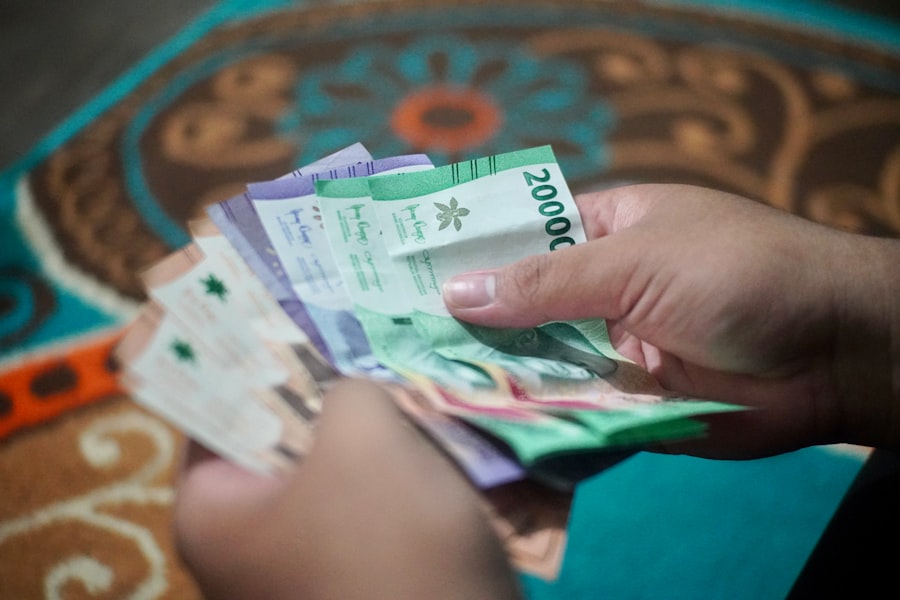
Approaching a conversation about suspected financial infidelity is undoubtedly one of the most challenging aspects of dealing with this issue. I found that it was essential to create a safe space for dialogue, where both my partner and I could express our feelings without fear of judgment or escalation. I began by choosing a calm moment to bring up my concerns, ensuring that we were both in a receptive mindset.
It was crucial for me to communicate my feelings rather than accusations, focusing on how their actions had affected me rather than labeling them as dishonest. During this conversation, I made a conscious effort to listen actively to my partner’s perspective. I realized that there might be underlying reasons for their behavior—stress, fear of judgment, or even a lack of financial literacy.
By fostering an open dialogue, I aimed to understand their motivations and feelings surrounding money management. This approach not only helped me gather information but also laid the groundwork for rebuilding trust and working together toward a solution.
Utilizing technology to track financial activity
In today’s digital age, technology offers various tools that can help track financial activity and provide insights into spending habits. I found that utilizing budgeting apps and financial management software allowed me to gain a clearer picture of our finances without feeling invasive. These tools can categorize expenses, track income, and even alert users to unusual spending patterns.
By using these resources, I could monitor our financial health while fostering transparency in our relationship. Moreover, technology can facilitate open discussions about finances. By sharing access to these apps with my partner, we could collaboratively review our spending habits and set financial goals together.
This not only helped in identifying any discrepancies but also encouraged accountability on both sides. Embracing technology in this way transformed what could have been a contentious issue into an opportunity for growth and partnership.
Seeking professional help to uncover financial infidelity
| Metric | Description | Method to Monitor | Frequency |
|---|---|---|---|
| Bank Account Activity | Unusual withdrawals or transfers from joint or personal accounts | Review bank statements and transaction history | Weekly or monthly |
| Credit Card Statements | Unauthorized or suspicious charges | Check monthly credit card bills for unfamiliar transactions | Monthly |
| Cash Flow Discrepancies | Missing cash or unexplained shortages | Track household cash inflows and outflows | Weekly |
| Receipts and Bills | Missing or altered receipts and bills | Compare receipts with bank and credit card statements | Monthly |
| Behavioral Changes | Secretive behavior around finances or sudden lifestyle changes | Observe and communicate openly about financial habits | Ongoing |
| Access to Financial Accounts | Unauthorized access or password changes | Monitor account access logs and change passwords regularly | Monthly or as needed |
| Financial Documents | Missing or altered financial documents | Keep copies and regularly audit important documents | Quarterly |
When faced with the complexities of financial infidelity, seeking professional help can be an invaluable step toward resolution. I found that consulting with a financial advisor or therapist who specializes in relationship issues provided me with the tools and insights needed to navigate this difficult terrain. These professionals can offer an objective perspective and help facilitate conversations that may be too charged for couples to handle alone.
In addition to providing guidance on how to address financial issues within the relationship, professionals can assist in uncovering hidden assets or debts that may not be immediately apparent. They can help create a comprehensive financial plan that addresses both partners’ concerns and aspirations moving forward. This collaborative approach not only aids in uncovering potential dishonesty but also fosters a sense of teamwork as both partners work toward rebuilding trust.
Investigating bank statements and credit card bills

One practical step I took in addressing financial infidelity was investigating bank statements and credit card bills more closely. This process involved reviewing transactions for any unusual patterns or purchases that didn’t align with our known spending habits. I learned to look for recurring charges that seemed out of place or large withdrawals that lacked explanation.
This scrutiny provided me with concrete evidence that could either confirm my suspicions or alleviate my concerns. While examining these documents, I also made sure to keep an open mind. It was essential for me to differentiate between legitimate expenses and those that might indicate dishonesty.
For instance, I discovered that some charges were related to gifts or surprises intended for me, which initially raised my suspicions but ultimately turned out to be innocent gestures. This experience taught me the importance of context when analyzing financial records and reinforced the need for open communication about spending.
Monitoring cash withdrawals and unusual spending patterns
Monitoring cash withdrawals became another critical aspect of my investigation into potential financial infidelity. Cash transactions can often be more challenging to trace than those made through credit or debit cards, making them a potential red flag in my partner’s spending behavior. I began paying closer attention to any large cash withdrawals or frequent small transactions that seemed inconsistent with our usual lifestyle.
As I tracked these patterns, I realized that understanding the context behind cash withdrawals was essential. For example, if my partner frequently withdrew cash for social outings with friends, it might not necessarily indicate dishonesty but rather a preference for handling expenses discreetly. However, if there were significant cash withdrawals without clear explanations, it warranted further discussion.
This process taught me the importance of being vigilant while also remaining open-minded about the reasons behind certain spending behaviors.
Examining joint accounts and hidden assets
Examining joint accounts became a crucial part of my journey toward uncovering potential financial infidelity. I learned that joint accounts should ideally reflect shared responsibilities and transparency between partners. By reviewing our joint account statements together, we could identify any discrepancies or unusual transactions that might indicate hidden assets or secret spending.
In addition to joint accounts, I also considered the possibility of hidden assets that my partner may have been concealing. This could include investments or savings accounts not disclosed during our discussions about finances. By approaching this topic collaboratively rather than accusatorily, we could work together to ensure complete transparency regarding our financial situation.
This examination not only helped clarify any misunderstandings but also reinforced our commitment to honesty in our relationship.
Looking for evidence of secret credit cards or loans
As part of my investigation into potential financial infidelity, I began looking for evidence of secret credit cards or loans that my partner may have been hiding. This involved checking credit reports and discussing any unfamiliar accounts that appeared under their name. I learned that individuals sometimes open credit accounts without their partner’s knowledge due to various reasons—fear of judgment or a desire for independence being among them.
Finding hidden credit cards or loans can be particularly alarming as they may indicate significant debt or spending habits that have been kept secret from me. However, it was essential for me to approach this discovery with empathy rather than anger. Understanding the motivations behind such actions could provide valuable insights into my partner’s relationship with money and help us address any underlying issues together.
Considering the legal implications of financial infidelity
As I delved deeper into the issue of financial infidelity, I realized it was crucial to consider the legal implications associated with such behavior. Financial dishonesty can have serious consequences in terms of asset division during divorce proceedings or legal disputes over shared debts. Understanding these implications helped me grasp the gravity of the situation and motivated me to seek resolution before matters escalated further.
Consulting with a legal professional provided clarity on how financial infidelity could impact our rights and responsibilities as partners. They offered guidance on how to protect myself financially while navigating this challenging situation. This knowledge empowered me to make informed decisions about how best to address the issue while safeguarding my interests.
Rebuilding trust and moving forward after uncovering financial infidelity
After uncovering instances of financial infidelity, I knew that rebuilding trust would be a long and challenging process. It required open communication, accountability, and a commitment from both partners to work through the emotional fallout together. I found it essential to establish new boundaries regarding finances and create a plan for transparency moving forward.
Rebuilding trust also involved acknowledging the pain caused by the betrayal while focusing on healing as a couple. We began attending couples therapy sessions where we could explore our feelings about money and its role in our relationship more deeply. Through this process, we learned valuable skills for managing finances collaboratively while fostering an environment of honesty and support.
Ultimately, moving forward after uncovering financial infidelity required patience and dedication from both sides. While the journey was fraught with challenges, it also presented an opportunity for growth and deeper connection as we navigated this difficult chapter together. By committing to transparency and open dialogue about finances, we were able to rebuild trust and strengthen our relationship in ways we never thought possible.
If you’re concerned about financial infidelity in your relationship, you might find it helpful to read more about the signs of a dishonest partner.
com/’>Ami Wrong Here. Understanding the warning signs can help you address any issues before they escalate.
WATCH THIS! She Drained Our Bank Account, So I Drained Her Future (With Interest) 💰⚖️
FAQs
How can I tell if my spouse is stealing money?
Signs may include unexplained withdrawals, missing cash, secretive behavior with finances, sudden changes in spending habits, or discrepancies in bank statements.
What steps should I take if I suspect my spouse is stealing money?
Start by reviewing financial records carefully, monitor bank accounts, and keep a detailed log of any suspicious transactions. Consider having an open and honest conversation with your spouse before taking further action.
Is it legal to check my spouse’s bank accounts without their permission?
Accessing your spouse’s bank accounts without permission may be illegal and could violate privacy laws. It is advisable to consult a legal professional before taking such actions.
Should I involve a professional if I suspect my spouse is stealing money?
Yes, consulting a financial advisor, accountant, or attorney can help you understand your options and protect your financial interests.
Can I take legal action if my spouse is stealing money?
Depending on your jurisdiction and the circumstances, you may have legal recourse. It is important to seek advice from a qualified attorney to understand your rights and the appropriate steps.
How can I protect my finances from a spouse who might steal money?
Consider setting up separate bank accounts, monitoring joint accounts regularly, keeping important financial documents secure, and possibly creating a financial agreement or prenup.
What role does communication play in resolving financial trust issues with a spouse?
Open and honest communication is crucial. Discussing financial concerns calmly can help address misunderstandings and work towards rebuilding trust.
Are there signs that might falsely suggest a spouse is stealing money?
Yes, errors in accounting, bank mistakes, or misunderstandings about shared expenses can sometimes appear as theft. It’s important to verify facts before making accusations.
Can counseling help if financial trust is broken in a marriage?
Yes, marriage or financial counseling can provide a neutral space to address trust issues and improve communication regarding money matters.
What precautions should I take before confronting my spouse about suspected theft?
Gather clear evidence, remain calm, avoid accusations without proof, and consider seeking advice from a trusted professional or counselor to approach the situation constructively.