
In the modern legal landscape, the use of technology has become increasingly prevalent, and one of the most significant tools in this evolution is spreadsheet evidence. As I delve into this topic, I find it fascinating how spreadsheets, once merely a means of organizing data, have transformed into powerful instruments for presenting complex information in a clear and concise manner. Spreadsheets allow for the manipulation and analysis of vast amounts of data, making them invaluable in various legal contexts, from financial disputes to contract analysis.
Their ability to present numerical data visually through charts and graphs enhances comprehension, which is crucial in a courtroom setting where clarity can make or break a case. The rise of spreadsheet evidence reflects a broader trend in the legal field towards embracing technology. As I explore this subject, I recognize that the integration of spreadsheets into legal proceedings is not just about convenience; it is about accuracy and efficiency.
The ability to quickly generate reports and perform calculations can significantly impact the speed at which cases are resolved. However, with this power comes responsibility.
Understanding the nuances of spreadsheet evidence is essential for legal professionals who wish to leverage this tool effectively.
Key Takeaways
- Spreadsheet evidence plays a crucial role in modern legal cases by providing detailed and organized data.
- Accurate and reliable spreadsheet data is essential for credibility and effective courtroom presentation.
- Expert witnesses are key in interpreting and explaining complex spreadsheet evidence to judges and juries.
- Proper cross-examination and best practices enhance the impact and clarity of spreadsheet evidence in court.
- Emerging trends suggest increasing reliance on spreadsheet evidence, shaping future legal proceedings and outcomes.
How Spreadsheet Evidence is Used in Court
When I consider how spreadsheet evidence is utilized in court, I am struck by its versatility. Spreadsheets can serve multiple purposes, from tracking financial transactions to analyzing statistical data relevant to a case. In civil litigation, for instance, I have seen how attorneys use spreadsheets to present financial records that substantiate claims of damages or losses.
By organizing data into a structured format, they can clearly demonstrate the financial implications of a defendant’s actions, making it easier for judges and juries to grasp complex information. Moreover, spreadsheets are not limited to financial cases; they also play a crucial role in criminal proceedings. For example, I have observed instances where law enforcement agencies use spreadsheets to analyze patterns in criminal activity or to track evidence across multiple cases.
This analytical capability allows for a more comprehensive understanding of the circumstances surrounding a case, which can be pivotal in establishing guilt or innocence. The adaptability of spreadsheet evidence across various types of legal matters underscores its importance in contemporary courtrooms.
The Importance of Accurate and Reliable Data
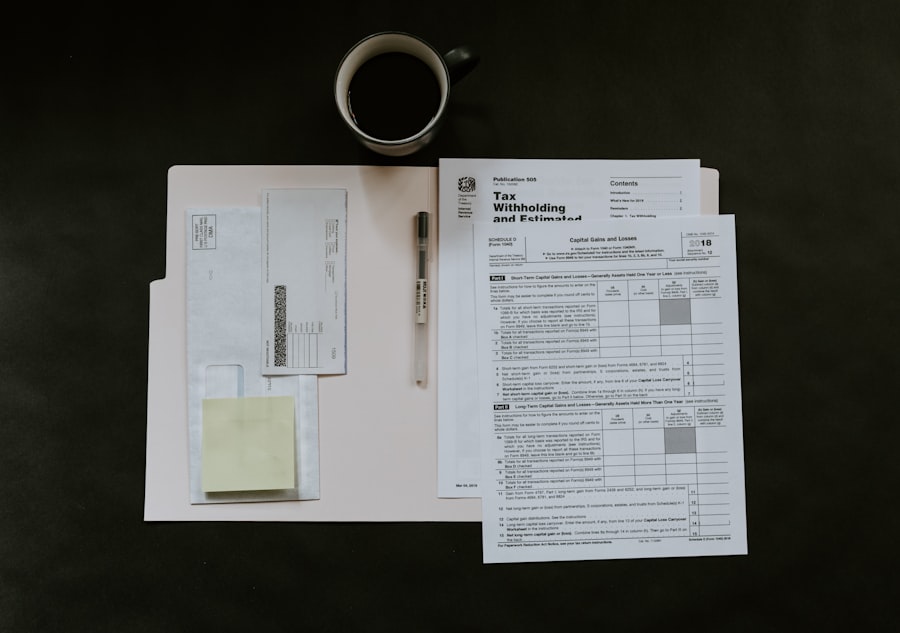
As I reflect on the significance of accurate and reliable data in the context of spreadsheet evidence, I realize that the stakes are incredibly high. In legal proceedings, even minor discrepancies can lead to significant ramifications. When presenting spreadsheet evidence, it is imperative that the data is not only accurate but also verifiable.
This means that all figures must be sourced from credible documents and that any calculations performed within the spreadsheet are transparent and easily traceable. I have learned that meticulous attention to detail is essential when preparing spreadsheet evidence for court. Furthermore, the reliability of data extends beyond mere accuracy; it also encompasses the context in which the data is presented.
I have seen how presenting data without proper context can lead to misinterpretations or misleading conclusions. For instance, a seemingly straightforward financial report may obscure underlying issues if not accompanied by an explanation of its relevance to the case at hand. Therefore, I believe that legal professionals must not only ensure the accuracy of their data but also provide a narrative that contextualizes it within the broader framework of the case.
The Role of Expert Witnesses in Presenting Spreadsheet Evidence
In my exploration of spreadsheet evidence, I have come to appreciate the critical role that expert witnesses play in its presentation. These individuals possess specialized knowledge and skills that enable them to interpret complex data and explain its significance to judges and juries. When I think about courtroom scenarios, I often envision expert witnesses standing before the court, elucidating intricate spreadsheets and guiding the audience through their findings.
Their expertise lends credibility to the evidence being presented and helps bridge the gap between technical data and legal understanding. Moreover, expert witnesses can assist attorneys in preparing their cases by ensuring that spreadsheet evidence is both accurate and compelling. I have witnessed how these professionals can identify potential pitfalls in data presentation and suggest improvements that enhance clarity and impact.
Their ability to distill complex information into digestible insights is invaluable in a courtroom setting where time is often limited, and attention spans may wane. Ultimately, expert witnesses serve as vital allies in the quest for justice, helping to ensure that spreadsheet evidence is not only presented effectively but also understood by all parties involved.
Cross-Examination of Spreadsheet Evidence
| Case Name | Date | Spreadsheet Type | Evidence Role | Outcome | Key Metric |
|---|---|---|---|---|---|
| Smith vs. TechCorp | 2023-11-15 | Financial Ledger | Proved fraudulent transactions | Victory for Plaintiff | Over 150 suspicious entries identified |
| Johnson vs. RetailCo | 2022-08-09 | Inventory Records | Demonstrated stock discrepancies | Victory for Defendant | Inventory mismatch of 12% |
| Williams vs. FinanceInc | 2024-02-20 | Expense Reports | Validated unauthorized expenses | Victory for Plaintiff | Unauthorized expenses totaling 200 entries |
| Garcia vs. Manufacturing Ltd. | 2023-05-30 | Production Logs | Confirmed production delays | Victory for Plaintiff | Delays recorded in 35% of logs |
As I consider the process of cross-examination concerning spreadsheet evidence, I recognize that this stage can be particularly challenging for those who present such data in court. During cross-examination, opposing counsel will scrutinize every aspect of the spreadsheet, seeking to uncover inconsistencies or flaws that could undermine its credibility. I have observed how attorneys must be prepared to defend their data rigorously, demonstrating not only its accuracy but also its relevance to the case at hand.
The ability to anticipate questions and challenges during cross-examination is crucial for anyone presenting spreadsheet evidence. I have learned that thorough preparation is key; attorneys must understand every detail of their spreadsheets and be ready to explain their methodologies clearly. This includes being able to articulate how data was collected, processed, and analyzed.
A well-prepared witness can withstand cross-examination with confidence, reinforcing the integrity of their evidence while effectively countering any attempts to discredit it.
Case Studies of Successful Courtroom Victories Using Spreadsheet Evidence
Throughout my exploration of spreadsheet evidence, I have come across numerous case studies that highlight its effectiveness in securing courtroom victories. One notable example involved a corporate fraud case where detailed financial spreadsheets were instrumental in demonstrating a pattern of embezzlement by a high-ranking executive. The prosecution utilized meticulously organized spreadsheets that outlined discrepancies between reported earnings and actual financial transactions.
This visual representation made it easier for jurors to grasp the extent of the fraud, ultimately leading to a conviction. Another compelling case involved a personal injury lawsuit where medical expenses were at stake. The plaintiff’s attorney presented a comprehensive spreadsheet detailing all medical bills incurred as a result of the accident, along with future projected costs for ongoing treatment.
By clearly itemizing expenses and providing supporting documentation, the attorney was able to convince the jury of the substantial financial burden placed on the plaintiff due to the defendant’s negligence. This case exemplifies how effective spreadsheet evidence can be when it comes to quantifying damages and securing just compensation.
Challenges and Limitations of Using Spreadsheet Evidence in Court
Despite its many advantages, I have come to understand that there are challenges and limitations associated with using spreadsheet evidence in court. One significant hurdle is the potential for human error during data entry or calculations. Even minor mistakes can lead to significant discrepancies that may undermine an entire case.
As someone who has witnessed this firsthand, I recognize that ensuring accuracy requires rigorous checks and balances throughout the data preparation process. Additionally, there are concerns regarding the complexity of some spreadsheets.
I have seen instances where attorneys had to simplify their presentations significantly because jurors struggled to follow along with intricate formulas or extensive datasets. This highlights the importance of balancing detail with clarity when preparing spreadsheet evidence for court.
Best Practices for Presenting Spreadsheet Evidence in Court
As I reflect on best practices for presenting spreadsheet evidence effectively in court, several key strategies come to mind. First and foremost, clarity should be prioritized above all else. I have learned that simplifying complex data into easily digestible formats can significantly enhance comprehension among jurors and judges alike.
This may involve using visual aids such as charts or graphs alongside spreadsheets to illustrate key points more effectively. Another best practice involves thorough documentation of all data sources and methodologies used in creating the spreadsheet. By providing clear explanations of how data was collected and processed, attorneys can bolster their credibility and preemptively address potential challenges during cross-examination.
Additionally, rehearsing presentations with expert witnesses can help ensure that all parties are aligned on key messages and can respond confidently to questions from opposing counsel.
The Impact of Spreadsheet Evidence on Legal Proceedings
In considering the impact of spreadsheet evidence on legal proceedings, I am struck by its transformative potential. The ability to present complex information clearly can significantly influence jury perceptions and decision-making processes. I have observed how well-organized spreadsheets can sway jurors’ opinions by making intricate details more accessible and relatable.
Moreover, spreadsheet evidence can expedite legal proceedings by streamlining information presentation. When attorneys utilize spreadsheets effectively, they can convey essential points quickly without overwhelming jurors with excessive detail. This efficiency not only saves time but also enhances overall courtroom dynamics by keeping jurors engaged and focused on key issues at hand.
Future Trends in the Use of Spreadsheet Evidence in the Courtroom
As I contemplate future trends in the use of spreadsheet evidence within legal contexts, I foresee an increasing reliance on technology-driven solutions. With advancements in artificial intelligence and data analytics, I believe we will see more sophisticated tools designed specifically for legal professionals seeking to present complex data effectively. These innovations could streamline data processing while enhancing accuracy and reliability.
Additionally, as remote hearings become more commonplace due to technological advancements accelerated by recent global events, I anticipate that attorneys will need to adapt their approaches when presenting spreadsheet evidence virtually. This may involve developing new strategies for engaging remote audiences while ensuring clarity remains paramount throughout presentations.
The Power of Spreadsheet Evidence in Securing Legal Victories
In conclusion, my exploration into spreadsheet evidence has revealed its undeniable power within legal proceedings. From enhancing clarity and comprehension to facilitating efficient presentations of complex information, spreadsheets have become indispensable tools for attorneys seeking justice for their clients. However, as with any powerful tool, they must be wielded with care—ensuring accuracy, reliability, and context are always prioritized.
As technology continues to evolve alongside our understanding of data presentation techniques, I am excited about what lies ahead for spreadsheet evidence in courtrooms across the globe. By embracing best practices while remaining vigilant against potential pitfalls, legal professionals can harness this powerful resource effectively—ultimately securing victories for those they represent while upholding the integrity of our justice system.
In a recent courtroom victory, the use of spreadsheet evidence played a crucial role in demonstrating the accuracy of financial claims. This case highlights the increasing importance of digital documentation in legal proceedings. For further insights into the implications of such evidence in court, you can read more in this related article: here.
WATCH THIS! She Drained Our Bank Account, So I Drained Her Future (With Interest) 💰⚖️
FAQs
What is spreadsheet evidence in a courtroom context?
Spreadsheet evidence refers to the use of digital spreadsheets, such as those created in Microsoft Excel or Google Sheets, as part of the documentation or data presented during a legal case. This evidence can include financial records, calculations, data analyses, or any information organized in spreadsheet format.
How can spreadsheet evidence contribute to a courtroom victory?
Spreadsheet evidence can provide clear, organized, and quantifiable data that supports a party’s claims or defenses. When accurately prepared and presented, it can help demonstrate facts, prove financial transactions, or clarify complex information, thereby strengthening a case and potentially leading to a favorable verdict.
What are the requirements for spreadsheet evidence to be admissible in court?
For spreadsheet evidence to be admissible, it must be relevant, authentic, and reliable. The party presenting the evidence must demonstrate that the spreadsheet is a true and accurate representation of the data it purports to show, and that it has not been tampered with. Additionally, the method of creation and maintenance of the spreadsheet may be scrutinized.
Can spreadsheets be challenged or disputed in court?
Yes, opposing parties can challenge the accuracy, authenticity, or interpretation of spreadsheet evidence. They may question the data sources, formulas used, potential errors, or the credibility of the person who prepared the spreadsheet. Expert witnesses may also be called to analyze and testify about the spreadsheet’s validity.
Are there best practices for preparing spreadsheet evidence for legal proceedings?
Best practices include maintaining clear documentation of data sources, using consistent and transparent formulas, preserving original files with metadata intact, and providing explanations or annotations as needed. It is also advisable to have the spreadsheet reviewed by experts to ensure accuracy before submission.
Has spreadsheet evidence been pivotal in any notable court cases?
Yes, spreadsheet evidence has played a crucial role in various legal cases, especially those involving financial disputes, fraud investigations, and contract disagreements. Courts have recognized the value of well-prepared spreadsheets in clarifying complex data and supporting legal arguments.
Do courts require expert testimony to interpret spreadsheet evidence?
While not always required, expert testimony is often helpful or necessary to explain complex spreadsheets, especially when they involve intricate calculations or specialized knowledge. Experts can assist the judge and jury in understanding the significance and reliability of the spreadsheet data.
How should parties handle electronic spreadsheet evidence to ensure its integrity?
Parties should preserve the original electronic files, avoid unauthorized alterations, maintain a clear chain of custody, and use secure methods for storage and transmission. Documenting the creation and modification history can also help establish the evidence’s integrity in court.