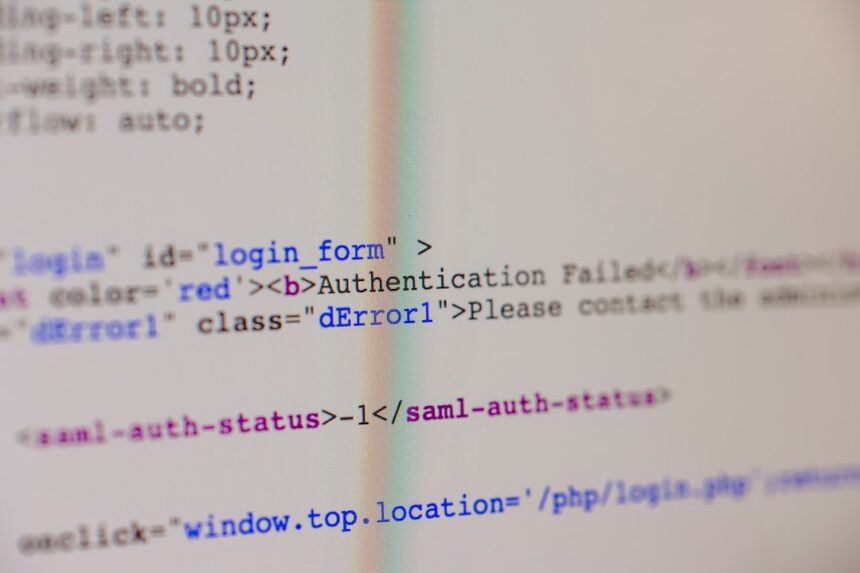
In an age where digital threats loom larger than ever, the need for robust security measures has never been more pressing. I find myself increasingly aware of the vulnerabilities that accompany our online activities, from banking to social media. Dual authentication security, often referred to as two-factor authentication (2FA), has emerged as a critical line of defense against unauthorized access.
As I delve deeper into this topic, I realize that understanding dual authentication is essential for anyone who values their online security. The concept of dual authentication is not just a technical enhancement; it represents a shift in how we approach security in the digital realm.
I have come to appreciate that while passwords are often the first line of defense, they are also the most vulnerable. With data breaches becoming alarmingly common, relying solely on passwords is akin to leaving my front door unlocked. Dual authentication serves as a safeguard, ensuring that even if my password is compromised, unauthorized users still face an additional barrier.
This article will explore the mechanics of dual authentication, its various forms, and the potential pitfalls that come with it.
Key Takeaways
- Dual authentication enhances security by requiring two forms of verification before granting access.
- Common methods include SMS codes, authenticator apps, and biometric verification.
- Over-reliance on dual authentication can create vulnerabilities if one factor is compromised.
- Implementing best practices and risk mitigation strategies is essential for effective dual authentication.
- Future developments aim to balance stronger security measures with improved user experience.
How Dual Authentication Works
At its core, dual authentication works by requiring two distinct forms of verification before granting access to an account. The first factor is typically something I know—my password. The second factor can vary widely; it might be a code sent to my mobile device, a fingerprint scan, or even a facial recognition check.
This layered approach significantly enhances security because it means that even if someone manages to steal my password, they would still need the second factor to gain access. The process usually unfolds in a straightforward manner. After I enter my password, I am prompted to provide the second form of verification.
For instance, if I choose to receive a text message with a verification code, I must wait for that code to arrive on my phone before I can proceed. This additional step may seem like a minor inconvenience, but it serves as a powerful deterrent against unauthorized access. I have found that this extra layer of security not only protects my accounts but also gives me peace of mind knowing that my personal information is better safeguarded.
Common Types of Dual Authentication
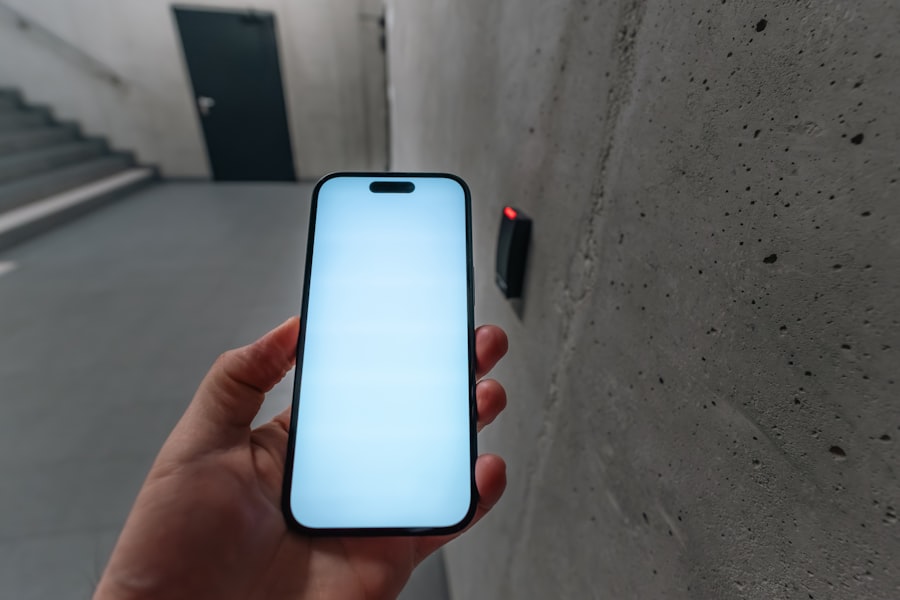
There are several common types of dual authentication methods that I encounter regularly. One of the most prevalent is SMS-based verification, where a code is sent to my mobile phone via text message. While this method is widely used due to its convenience, I have learned that it is not without its vulnerabilities.
For example, if someone were to intercept my text messages or gain access to my phone number through social engineering tactics, they could potentially bypass this security measure. Another popular method is the use of authenticator apps, such as Google Authenticator or Authy. These applications generate time-sensitive codes that I must enter after inputting my password.
Unlike SMS codes, which can be intercepted, these codes are generated locally on my device and are not transmitted over the internet. This makes them significantly more secure in many cases. Additionally, biometric authentication methods like fingerprint scans or facial recognition have gained traction as well.
These methods rely on unique physical characteristics that are difficult to replicate, providing an added layer of security that I find particularly reassuring.
The Pitfalls of Dual Authentication
Despite its advantages, dual authentication is not without its pitfalls. One significant drawback I have encountered is user fatigue. The extra step required for verification can become tedious over time, leading some individuals to disable the feature altogether for the sake of convenience.
I have found myself in situations where the hassle of entering a code or waiting for a text message has made me consider whether the added security is worth the inconvenience. Moreover, there are instances where dual authentication can create false security perceptions. Just because I have enabled 2FA does not mean my accounts are impervious to attacks.
Cybercriminals are constantly evolving their tactics, and some have developed sophisticated methods to bypass dual authentication systems. For example, phishing attacks can trick me into providing both my password and the second factor of authentication. This highlights the importance of remaining vigilant and not becoming complacent simply because I have implemented dual authentication.
The Risks of Over-Reliance on Dual Authentication
| Metric | Description | Value | Unit |
|---|---|---|---|
| Authentication Attempts | Number of login attempts requiring dual authentication | 12,500 | Attempts per day |
| Success Rate | Percentage of successful dual authentication logins | 92.3 | % |
| Failure Rate | Percentage of failed dual authentication attempts | 7.7 | % |
| Average Authentication Time | Average time taken to complete dual authentication | 18 | Seconds |
| False Rejection Rate (FRR) | Rate at which legitimate users are incorrectly denied access | 1.2 | % |
| False Acceptance Rate (FAR) | Rate at which unauthorized users are incorrectly granted access | 0.05 | % |
| Number of Security Traps Triggered | Instances where dual authentication detected suspicious activity | 350 | Events per month |
| User Satisfaction Score | Average user rating of the dual authentication process | 4.1 | Out of 5 |
While dual authentication significantly enhances security, over-reliance on it can lead to complacency in other areas of cybersecurity. I have noticed that some individuals may feel invulnerable once they enable 2FA, neglecting other essential security practices such as using strong passwords or regularly updating them. This mindset can create vulnerabilities that cybercriminals can exploit.
Additionally, there are scenarios where dual authentication may fail due to technical issues or user error. For instance, if my phone is lost or stolen, I may find myself locked out of my accounts if I rely solely on SMS-based verification. Similarly, if I forget to update my authenticator app after changing devices, I could face significant challenges accessing my accounts.
These risks underscore the importance of maintaining a holistic approach to cybersecurity rather than placing all my trust in one method.
Strategies for Mitigating Dual Authentication Risks
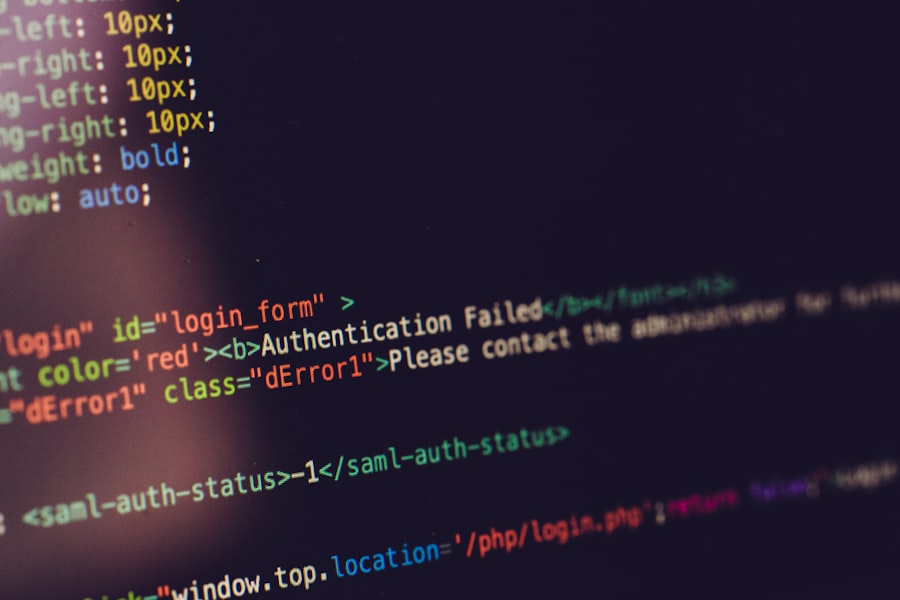
To mitigate the risks associated with dual authentication, I have adopted several strategies that enhance my overall security posture. First and foremost, I ensure that my primary email account—often linked to various services—is secured with strong passwords and 2FA itself. This creates a solid foundation for protecting other accounts that rely on email for recovery or verification.
I also make it a point to diversify my authentication methods whenever possible. For instance, instead of relying solely on SMS codes, I prefer using authenticator apps for their added security benefits. Additionally, I regularly review and update my recovery options and backup codes provided by services that offer dual authentication.
This proactive approach ensures that even if one method fails or becomes compromised, I have alternative means to regain access.
Alternatives to Dual Authentication
While dual authentication remains a popular choice for enhancing security, there are alternatives worth considering. One such option is single sign-on (SSO) solutions that allow me to access multiple services with one set of credentials while still maintaining robust security measures behind the scenes. SSO can simplify the login process while reducing the number of passwords I need to remember.
Another alternative is hardware-based authentication methods such as YubiKeys or other USB security keys. These devices provide an additional layer of protection by requiring physical possession of the key during the login process. As someone who values both convenience and security, I find hardware tokens appealing because they eliminate many risks associated with phishing attacks and other online threats.
Case Studies of Dual Authentication Security Failures
Examining case studies of dual authentication failures reveals important lessons about its limitations and vulnerabilities. One notable incident involved a major social media platform where attackers managed to bypass 2FA by exploiting weaknesses in SMS-based verification systems. They used social engineering tactics to convince mobile carriers to transfer victims’ phone numbers to new SIM cards, allowing them to intercept verification codes and gain unauthorized access.
Another case involved a high-profile email account breach where attackers successfully phished both the password and the second factor from the victim through a deceptive website designed to look legitimate. This incident highlighted how even sophisticated security measures like dual authentication can be undermined by human error and deception.
Best Practices for Implementing Dual Authentication
To maximize the effectiveness of dual authentication, I have adopted several best practices that enhance its implementation. First and foremost, I prioritize using authenticator apps over SMS-based verification whenever possible due to their superior security features. Additionally, I ensure that my backup recovery options are up-to-date and accessible in case I encounter issues with my primary method.
Regularly reviewing and updating my passwords is another crucial practice I follow. Even with dual authentication in place, weak or reused passwords can still pose significant risks. By using password managers to generate and store complex passwords securely, I can further bolster my defenses against potential breaches.
The Future of Dual Authentication Security
As technology continues to evolve, so too will the landscape of dual authentication security. Emerging trends such as adaptive authentication are gaining traction; these systems assess various factors—such as location and device behavior—to determine whether additional verification is necessary during login attempts. This approach allows for a more seamless user experience while maintaining robust security measures.
Moreover, advancements in biometric technology promise to enhance dual authentication further by making it more user-friendly and secure. As devices become increasingly capable of accurately recognizing unique physical traits like fingerprints or facial features, I anticipate that these methods will become more prevalent in everyday applications.
Balancing Security and User Experience with Dual Authentication
In conclusion, dual authentication security represents a vital component of modern cybersecurity strategies. While it significantly enhances protection against unauthorized access, it is essential for me—and others—to remain vigilant about its limitations and potential pitfalls. Striking a balance between robust security measures and user experience is crucial; after all, if security becomes too cumbersome, users may abandon it altogether.
As I navigate this complex landscape, I recognize that dual authentication should be part of a broader approach to cybersecurity that includes strong passwords, regular updates, and awareness of emerging threats. By adopting best practices and remaining informed about advancements in technology, I can better protect myself in an increasingly digital world while enjoying the benefits of enhanced security measures like dual authentication.
In today’s digital landscape, the importance of robust security measures cannot be overstated, especially when it comes to protecting sensitive information. One related article that delves deeper into the intricacies of security protocols is available at com/sample-page/’>this link.
It explores various aspects of dual authentication and highlights potential pitfalls that users should be aware of to avoid falling into security traps.
WATCH THIS! She Drained Our Bank Account, So I Drained Her Future (With Interest) 💰⚖️
FAQs
What is dual authentication?
Dual authentication, also known as two-factor authentication (2FA), is a security process that requires users to provide two different types of identification before accessing an account or system. This typically involves something the user knows (like a password) and something the user has (like a smartphone or hardware token).
Why is dual authentication considered more secure than single-factor authentication?
Dual authentication adds an extra layer of security by requiring two forms of verification, making it significantly harder for unauthorized users to gain access. Even if a password is compromised, the attacker would still need the second factor to successfully log in.
What is the “security trap” associated with dual authentication?
The “security trap” refers to potential vulnerabilities or pitfalls in dual authentication systems. For example, users might become complacent, relying solely on 2FA without maintaining strong passwords, or attackers might exploit weaknesses in the second factor, such as SIM swapping or phishing attacks targeting authentication codes.
Are all dual authentication methods equally secure?
No, the security of dual authentication methods varies. Hardware tokens and biometric factors are generally more secure than SMS-based codes, which can be intercepted or redirected by attackers. Choosing robust authentication methods is crucial for effective security.
Can dual authentication prevent all types of cyber attacks?
While dual authentication significantly reduces the risk of unauthorized access, it does not eliminate all cyber threats. Sophisticated attacks like social engineering, man-in-the-middle attacks, or malware can still compromise accounts despite 2FA.
How can users avoid falling into the dual authentication security trap?
Users should combine strong, unique passwords with reliable second factors, stay vigilant against phishing attempts, regularly update their authentication methods, and be aware of potential vulnerabilities in their chosen 2FA system.
Is dual authentication mandatory for all online services?
No, dual authentication is not mandatory for all services, but many platforms encourage or require it to enhance security. Users are advised to enable 2FA wherever possible to protect their accounts.
What should organizations do to implement effective dual authentication?
Organizations should choose secure and user-friendly 2FA methods, educate users about potential risks, regularly update authentication protocols, and monitor for suspicious activities to maximize the benefits of dual authentication security.