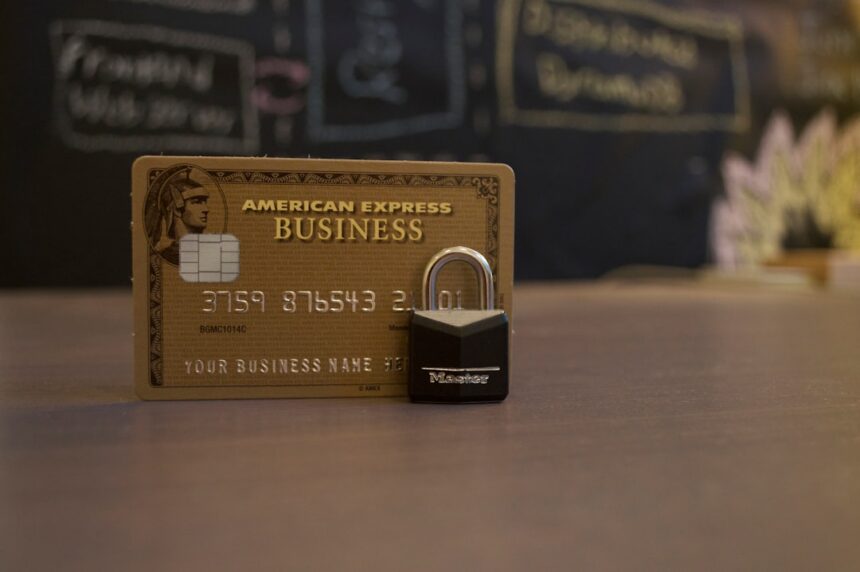
In the digital age, the convenience of fintech wallets has revolutionized how I manage my finances. These digital wallets allow me to store, send, and receive money with just a few taps on my smartphone. However, this convenience comes with its own set of risks, particularly the threat of unauthorized access.
Unauthorized access occurs when someone gains entry to my fintech wallet without my permission, potentially leading to financial loss and identity theft. Understanding this concept is crucial for anyone who relies on digital wallets for their financial transactions. The implications of unauthorized access can be severe.
If someone gains control over my fintech wallet, they can make transactions, access sensitive information, and even drain my account. This not only affects my financial stability but can also lead to long-term repercussions, such as damaged credit scores and the arduous process of recovering stolen funds. Therefore, it is essential for me to stay informed about the potential vulnerabilities associated with fintech wallets and take proactive measures to safeguard my financial assets.
Key Takeaways
- Identify and respond quickly to signs of unauthorized fintech wallet access.
- Secure your wallet immediately by changing passwords and enabling two-factor authentication.
- Contact customer support and notify your bank or financial institution promptly.
- Review recent transactions and report suspicious activity to authorities.
- Continuously monitor your credit and financial accounts to prevent future breaches.
Recognizing Signs of Unauthorized Access
Recognizing the signs of unauthorized access is the first step in protecting my fintech wallet. One of the most apparent indicators is unusual activity in my account. If I notice transactions that I did not initiate or recognize, it could be a clear sign that someone else has gained access to my wallet.
Additionally, I should be vigilant about receiving notifications or alerts regarding changes to my account settings that I did not authorize. These could include changes to my email address, phone number, or security settings. Another sign that I may have experienced unauthorized access is if I find myself locked out of my account or unable to log in.
If I receive password reset requests that I did not initiate, it’s a strong indication that someone is attempting to gain control over my account. Being aware of these signs allows me to act quickly and mitigate potential damage before it escalates further.
Securing Your Fintech Wallet Immediately
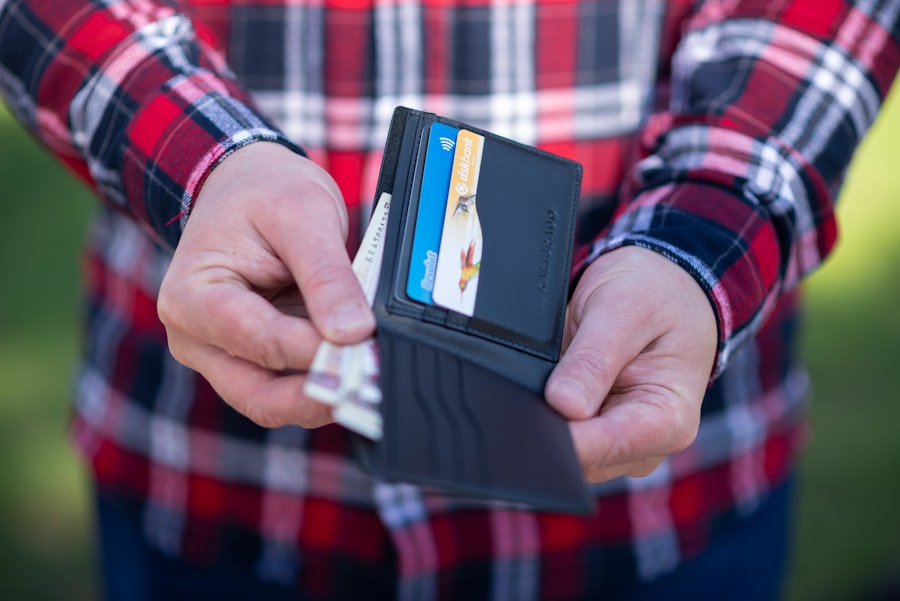
If I suspect that my fintech wallet has been compromised, taking immediate action is crucial. The first step I should take is to change my password right away. A strong password that combines letters, numbers, and special characters can significantly enhance the security of my account.
Additionally, I should ensure that my new password is unique and not used for any other accounts to minimize the risk of further breaches. In addition to changing my password, I should also review and update my security questions. These questions often serve as an additional layer of protection for my account.
By selecting questions that are not easily guessable or publicly available information, I can further secure my fintech wallet against unauthorized access. Taking these steps promptly can help me regain control and protect my financial assets from potential threats.
Contacting Customer Support for Assistance
Once I have taken initial steps to secure my fintech wallet, reaching out to customer support is essential. Most fintech companies have dedicated support teams trained to handle issues related to unauthorized access. When I contact them, I should provide as much information as possible about the suspicious activity I have noticed.
This includes details about any unauthorized transactions, changes to my account settings, and the steps I have already taken to secure my account. Customer support can assist me in various ways, such as freezing my account temporarily while they investigate the issue or guiding me through additional security measures. They may also provide insights into how the breach occurred and what steps I can take to prevent it from happening again in the future.
Engaging with customer support not only helps me address the immediate threat but also empowers me with knowledge about securing my account moving forward.
Reviewing Recent Transactions for Suspicious Activity
| Metric | Description | Value | Unit | Source/Notes |
|---|---|---|---|---|
| Unauthorized Access Attempts | Number of detected unauthorized login attempts on fintech wallets | 1,250 | Attempts per month | Internal security logs |
| Successful Unauthorized Access | Number of confirmed unauthorized wallet accesses | 15 | Incidents per month | Security incident reports |
| Average Time to Detect | Average time taken to detect unauthorized access | 4 | Hours | Security monitoring system |
| Average Time to Mitigate | Average time taken to respond and mitigate unauthorized access | 6 | Hours | Incident response team data |
| Percentage of Wallets Affected | Percentage of total wallets impacted by unauthorized access | 0.03 | % | Monthly user base analysis |
| Common Attack Vectors | Most frequent methods used for unauthorized access | Phishing, Credential Stuffing, Malware | N/A | Threat intelligence reports |
| Two-Factor Authentication Adoption | Percentage of users with 2FA enabled | 78 | % | User security settings data |
| Average Financial Loss per Incident | Average monetary loss due to unauthorized access | 320 | Units | Fraud investigation reports |
After contacting customer support, I should take the time to review my recent transactions thoroughly. This step is crucial in identifying any unauthorized activity that may have slipped through the cracks. By examining each transaction carefully, I can pinpoint any charges or transfers that I do not recognize or did not authorize.
This review process allows me to gather evidence that may be necessary when reporting the unauthorized access. In addition to identifying suspicious transactions, reviewing my transaction history can also help me understand how the breach may have occurred. For instance, if I notice multiple small transactions that seem out of place, it could indicate that someone is testing the waters before making larger withdrawals.
By being proactive in this review process, I can take further action if needed and ensure that my financial information remains secure.
Changing Your Passwords and Security Questions
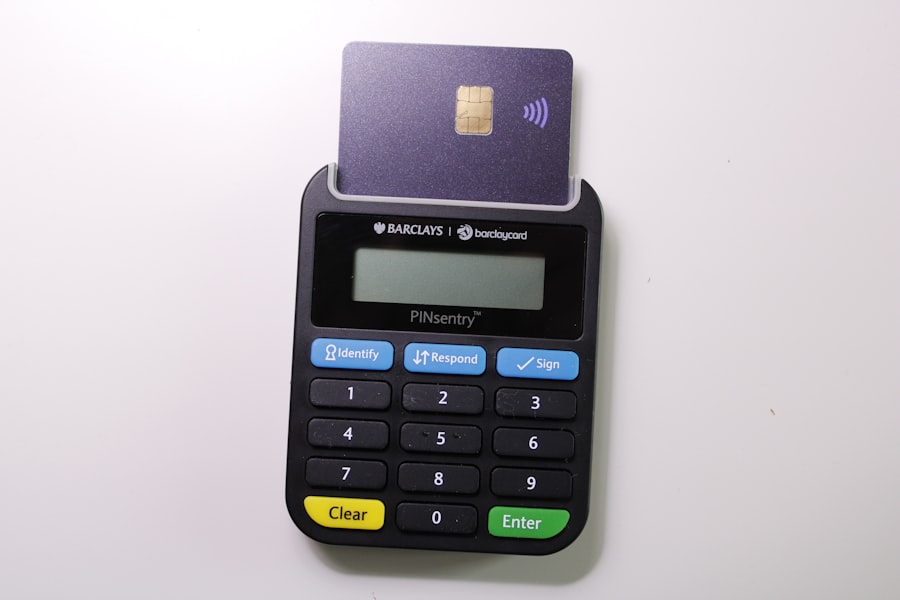
Changing passwords and security questions is a fundamental step in securing my fintech wallet after experiencing unauthorized access. When creating a new password, I should aim for complexity and length—ideally at least 12 characters long, incorporating uppercase letters, lowercase letters, numbers, and symbols. Avoiding easily guessable information like birthdays or common words is essential in creating a robust password that is difficult for others to crack.
In addition to changing my password, updating my security questions is equally important. I should select questions that are not easily answerable by someone who knows me or can find information about me online. For example, instead of using a question like “What is your mother’s maiden name?” which could be easily discovered through social media, I might choose something more obscure or personal that only I would know.
This dual approach of changing both passwords and security questions significantly enhances the security of my fintech wallet.
Enabling Two-Factor Authentication
Enabling two-factor authentication (2FA) is one of the most effective ways to bolster the security of my fintech wallet. 2FA adds an extra layer of protection by requiring not only a password but also a second form of verification before granting access to my account. This could be a code sent to my mobile device or an authentication app that generates time-sensitive codes.
By implementing 2FA, even if someone manages to obtain my password, they would still need this additional verification method to access my account. Setting up 2FA is typically straightforward and can usually be done within the security settings of my fintech wallet app. Once enabled, I should ensure that the phone number or email address linked to this verification method is secure and up-to-date.
This added layer of security significantly reduces the risk of unauthorized access and provides me with peace of mind knowing that my financial information is better protected.
Notifying Your Bank or Financial Institution
In addition to securing my fintech wallet, notifying my bank or financial institution about the unauthorized access is a critical step in protecting myself from further financial harm. By informing them of the situation, they can monitor my accounts for any suspicious activity and take necessary precautions to safeguard my funds. They may also provide additional resources or advice on how to protect myself moving forward.
When contacting my bank, I should provide them with all relevant details regarding the unauthorized access incident. This includes any suspicious transactions I’ve identified and any actions I’ve already taken to secure my accounts. By keeping them informed, I can work collaboratively with them to ensure that all necessary measures are taken to protect my financial assets.
Reporting the Unauthorized Access to Authorities
If I believe that unauthorized access has occurred, reporting it to the appropriate authorities is essential for both personal protection and broader community safety. Depending on the severity of the situation, this may involve filing a report with local law enforcement or reporting identity theft to agencies such as the Federal Trade Commission (FTC) in the United States. Documenting everything related to the incident will be helpful when filing these reports.
Reporting unauthorized access not only helps protect myself but also contributes to a larger effort in combating cybercrime. Authorities can use this information to track patterns and potentially identify perpetrators who are targeting individuals like me. By taking this step, I am not only safeguarding myself but also playing a part in creating a safer digital environment for others.
Monitoring Your Credit and Financial Accounts
After experiencing unauthorized access to my fintech wallet, ongoing monitoring of my credit and financial accounts becomes paramount. Regularly checking my credit report allows me to identify any unusual activity or accounts opened in my name without my consent. Many credit reporting agencies offer free annual credit reports that I can take advantage of to stay informed about my credit status.
In addition to monitoring credit reports, keeping an eye on all financial accounts—bank accounts, credit cards, and investment accounts—is essential for spotting any suspicious activity early on. Setting up alerts for transactions above a certain amount can help me stay informed about any changes in real-time. By being proactive in monitoring these accounts, I can quickly address any issues before they escalate into more significant problems.
Taking Steps to Prevent Future Unauthorized Access
Finally, taking proactive steps to prevent future unauthorized access is crucial for maintaining the security of my fintech wallet and overall financial health. This includes regularly updating passwords and security questions as well as being cautious about sharing personal information online. Educating myself about common phishing scams and tactics used by cybercriminals can also help me recognize potential threats before they become an issue.
Additionally, using reputable antivirus software on all devices where I access my fintech wallet can provide an extra layer of protection against malware and other cyber threats. Regularly updating software and apps ensures that I have the latest security features available at all times. By adopting these preventive measures, I can significantly reduce the risk of unauthorized access in the future and enjoy greater peace of mind while managing my finances digitally.
In recent discussions surrounding the security of fintech wallets, unauthorized access has become a pressing concern for users and providers alike. A related article that delves deeper into this issue can be found at this link, where experts analyze the vulnerabilities that can lead to unauthorized access and offer insights on how to safeguard digital wallets against potential threats.
WATCH THIS! She Drained Our Bank Account, So I Drained Her Future (With Interest) 💰⚖️
FAQs
What is unauthorized access in a fintech wallet?
Unauthorized access in a fintech wallet occurs when someone gains entry to your digital wallet without your permission, potentially leading to theft or misuse of your funds and personal information.
How can unauthorized access happen in fintech wallets?
Unauthorized access can happen through various means such as phishing attacks, weak passwords, malware infections, data breaches, or exploiting security vulnerabilities in the wallet application.
What are common signs of unauthorized access to a fintech wallet?
Common signs include unexpected transactions, changes in account settings, login alerts from unknown devices or locations, and notifications about password changes or security updates you did not initiate.
How can I protect my fintech wallet from unauthorized access?
To protect your wallet, use strong, unique passwords, enable two-factor authentication (2FA), regularly update your app and device software, avoid clicking on suspicious links, and monitor your account activity frequently.
What should I do if I suspect unauthorized access to my fintech wallet?
Immediately change your password, enable or update two-factor authentication, contact your wallet provider’s customer support, review recent transactions, and consider reporting the incident to relevant authorities if funds are stolen.
Are fintech companies responsible for unauthorized access incidents?
Fintech companies are generally responsible for implementing robust security measures, but users also share responsibility by following best security practices. Liability may vary depending on the company’s policies and the circumstances of the breach.
Can unauthorized access lead to financial loss?
Yes, unauthorized access can result in financial loss if attackers transfer funds, make unauthorized purchases, or use your wallet information for fraudulent activities.
Is it safe to store large amounts of money in a fintech wallet?
While fintech wallets offer convenience, it is advisable to store only amounts you are comfortable with losing and to use wallets with strong security features. For large sums, consider additional security measures or alternative storage options.
How often should I update my fintech wallet security settings?
It is recommended to review and update your security settings regularly, especially after any security alerts, app updates, or if you suspect any suspicious activity.
What role does encryption play in securing fintech wallets?
Encryption protects your data by converting it into a secure format that unauthorized users cannot easily access, thereby helping to prevent unauthorized access to your wallet information.