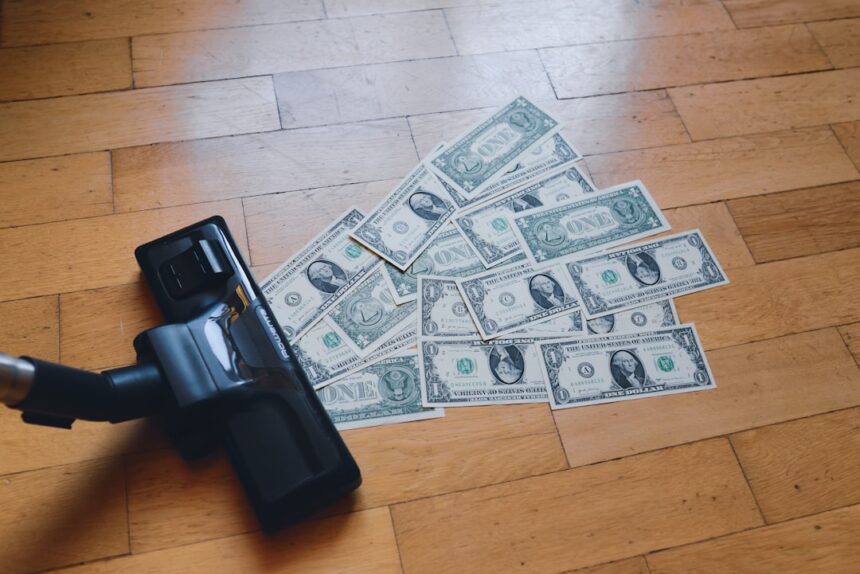
Financial abuse is a subtle yet insidious form of control that can occur within a marriage. It often goes unnoticed, even by the victim, as it can be masked by the complexities of love and partnership. I have come to understand that financial abuse is not merely about money; it is about power and control.
In many cases, one partner may use financial resources as a means to dominate the other, creating an imbalance that can lead to emotional and psychological distress. This form of abuse can manifest in various ways, from restricting access to funds to sabotaging a partner’s financial independence. As I delve deeper into the dynamics of financial abuse, I realize that it can take many forms.
It may involve one partner controlling all financial decisions, leaving the other feeling powerless and dependent. This dependency can erode self-esteem and create a sense of helplessness. I have learned that recognizing financial abuse is crucial for those who may be trapped in such situations.
It is essential to understand that financial abuse is not just a personal issue; it is a societal problem that affects many individuals, regardless of their background or circumstances.
Key Takeaways
- Financial abuse in marriage involves controlling and manipulating a partner’s access to money and resources.
- Key signs include restricted access to finances, hidden accounts, and coerced financial decisions.
- Victims often experience emotional distress, loss of independence, and difficulty rebuilding financial stability.
- Seeking support, setting boundaries, and gaining financial education are crucial steps toward empowerment.
- Legal options and professional help can assist victims in reclaiming control and healing from abuse.
Signs of Financial Abuse
Identifying the signs of financial abuse can be challenging, especially when one is deeply entrenched in a relationship. I have observed that victims often experience confusion and denial, making it difficult to recognize the red flags. One common sign is the lack of access to joint finances or bank accounts.
If I find myself in a situation where my partner controls all financial resources and I am left without any means to manage my own money, it may indicate financial abuse. Another sign that I have come to recognize is the constant monitoring of spending habits. If my partner scrutinizes every purchase I make or questions my financial decisions, it can create an atmosphere of fear and anxiety.
This behavior not only undermines my autonomy but also fosters a sense of guilt for wanting to spend money on personal needs or desires. Additionally, I have learned that financial abuse can manifest through tactics such as withholding money for basic necessities or using finances as a weapon during conflicts. These signs are crucial indicators that should not be ignored.
Controlling Behavior in Finances

Controlling behavior in finances often reveals itself through various tactics that aim to limit a partner’s financial freedom. I have seen how one partner may dictate how money is spent, leaving the other feeling powerless and frustrated. This control can extend to decisions about household expenses, savings, and even personal spending.
When I reflect on these dynamics, I realize that such behavior can create an environment where one partner feels like a child rather than an equal participant in the relationship. Moreover, controlling behavior can also manifest through intimidation or threats related to finances.
This type of manipulation can lead to a cycle of dependency, where I may feel compelled to comply with my partner’s demands out of fear of losing financial security. Understanding these controlling behaviors is essential for recognizing the broader implications of financial abuse within a marriage.
Manipulative Tactics in Financial Matters
Manipulative tactics in financial matters can take many forms, often designed to undermine a partner’s confidence and autonomy. I have encountered situations where one partner may use guilt or shame as a tool to control spending habits. For example, if I were to purchase something for myself, my partner might respond with accusations of being selfish or irresponsible.
This emotional manipulation can create a sense of obligation to prioritize their needs over my own, leading to resentment and frustration. Another tactic I have observed is the use of deception regarding financial matters. This could involve hiding assets or lying about income levels to maintain control over shared finances.
When trust is eroded through such deceitful practices, it becomes increasingly difficult for the victim to assert their rights or seek help.
Awareness is the first step toward reclaiming control over one’s financial life.
Impact of Financial Abuse on the Victim
| Metric | Description | Estimated Percentage/Value | Source/Study |
|---|---|---|---|
| Prevalence of Financial Abuse in Marriages | Percentage of married individuals reporting financial control or abuse by their spouse | Approximately 25-30% | National Coalition Against Domestic Violence (NCADV) |
| Common Forms of Financial Abuse | Types of financial abuse experienced in marriage | Controlling spending (70%), withholding money (60%), restricting employment (40%) | Journal of Interpersonal Violence, 2020 |
| Impact on Divorce Rates | Percentage of divorces citing financial abuse as a contributing factor | 35% | American Psychological Association (APA) |
| Financial Abuse and Mental Health | Percentage of victims experiencing anxiety or depression due to financial abuse | 65% | Journal of Family Violence, 2019 |
| Average Debt Accumulated by Victims | Average amount of debt victims are forced to take on due to financial abuse | Varies widely, often thousands in personal debt | National Network to End Domestic Violence (NNEDV) |
The impact of financial abuse on victims can be profound and long-lasting. I have come to understand that beyond the immediate financial consequences, there are significant emotional and psychological effects as well. Victims often experience feelings of worthlessness and inadequacy due to the constant undermining of their financial autonomy.
This erosion of self-esteem can lead to anxiety and depression, making it even more challenging to break free from the cycle of abuse. Additionally, the long-term effects of financial abuse can hinder a victim’s ability to regain independence after leaving an abusive relationship. I have seen how individuals may struggle with rebuilding their credit scores or managing their finances independently after years of being controlled by their partner.
The fear of making financial decisions can linger long after the abusive relationship has ended, creating barriers to achieving true financial stability and independence.
Seeking Help and Support

Seeking help and support is a critical step for anyone experiencing financial abuse in marriage. I have learned that reaching out to trusted friends or family members can provide a sense of validation and understanding. It is essential to find someone who can listen without judgment and offer guidance on how to navigate the complexities of the situation.
Additionally, there are numerous organizations and hotlines dedicated to supporting victims of domestic abuse, including those facing financial manipulation. I have also discovered that professional counseling can be invaluable in addressing the emotional scars left by financial abuse. A therapist can help victims process their experiences and develop coping strategies for rebuilding their lives.
It is important for me to remember that seeking help is not a sign of weakness but rather an empowering step toward reclaiming control over my life and finances.
Setting Boundaries and Taking Control
Setting boundaries is an essential aspect of reclaiming control over one’s finances after experiencing financial abuse. I have learned that establishing clear limits regarding spending and financial decision-making can help restore a sense of autonomy. This process may involve creating separate bank accounts or developing a budget that reflects my individual needs and goals.
By taking these steps, I can begin to assert my independence and regain confidence in my financial abilities. Moreover, communicating these boundaries with my partner is crucial for fostering a healthier dynamic moving forward. It may require difficult conversations about expectations and responsibilities within the relationship.
However, I have come to realize that setting boundaries is not only about protecting myself but also about promoting mutual respect within the partnership. By establishing clear guidelines around finances, I can work toward creating a more equitable relationship where both partners feel valued and empowered.
Financial Education and Empowerment
Financial education plays a vital role in empowering individuals who have experienced financial abuse. I have found that gaining knowledge about personal finance can significantly enhance my confidence in managing money independently. This education may involve learning about budgeting, saving, investing, and understanding credit scores.
By equipping myself with these skills, I can take proactive steps toward achieving financial stability. Additionally, I have discovered that seeking out resources such as workshops or online courses can provide valuable insights into effective money management strategies. Engaging with others who share similar experiences can also foster a sense of community and support during this journey toward empowerment.
Ultimately, investing time in financial education allows me to break free from the cycle of dependency and build a brighter future for myself.
Legal Options for Victims of Financial Abuse
Understanding legal options available for victims of financial abuse is crucial for those seeking justice and protection. I have learned that various laws exist to safeguard individuals from economic exploitation within relationships. For instance, victims may be entitled to seek legal recourse through divorce proceedings or restraining orders if they feel threatened by their partner’s behavior regarding finances.
Consulting with an attorney who specializes in domestic abuse cases can provide valuable guidance on navigating these legal avenues. They can help me understand my rights and options for pursuing compensation or protection from further harm. It is essential for me to recognize that legal support is available and that taking action against financial abuse is not only possible but also necessary for reclaiming my life.
Rebuilding Financial Independence
Rebuilding financial independence after experiencing financial abuse requires patience and determination. I have come to understand that this process involves setting realistic goals and taking incremental steps toward achieving them. Whether it means finding stable employment, creating a budget, or saving for future expenses, each small victory contributes to regaining control over my finances.
Additionally, seeking support from financial advisors or mentors can provide valuable insights into effective strategies for rebuilding wealth and stability. I have learned that surrounding myself with positive influences who encourage my growth can make a significant difference in this journey toward independence. By focusing on my goals and taking proactive steps, I can gradually reclaim my financial autonomy.
Healing and Moving Forward from Financial Abuse
Healing from the trauma of financial abuse is an ongoing process that requires self-compassion and resilience. I have realized that acknowledging the pain and impact of my experiences is essential for moving forward. Engaging in self-care practices such as therapy, journaling, or mindfulness can help me process my emotions and develop healthier coping mechanisms.
Moreover, surrounding myself with supportive individuals who understand my journey can foster a sense of belonging and validation. As I continue on this path toward healing, I am learning to embrace my worthiness and recognize that I deserve a life free from manipulation and control. By focusing on personal growth and empowerment, I am gradually reclaiming my identity and building a brighter future beyond the shadows of financial abuse.
In conclusion, understanding financial abuse in marriage is crucial for recognizing its signs and seeking help when needed. By setting boundaries, pursuing education, exploring legal options, rebuilding independence, and prioritizing healing, I am taking significant steps toward reclaiming control over my life and finances. The journey may be challenging, but it is one filled with hope and resilience as I move forward into a future defined by empowerment rather than oppression.
Financial abuse can be a significant factor in marriage problems, often leading to feelings of powerlessness and resentment between partners. For a deeper understanding of how financial control can impact relationships, you can read more in this article on the topic. Check it out here: Understanding Financial Abuse in Relationships.
WATCH THIS! She Drained Our Bank Account, So I Drained Her Future (With Interest) 💰⚖️
FAQs
What is financial abuse in a marriage?
Financial abuse in a marriage involves controlling a partner’s access to financial resources, limiting their ability to earn money, or manipulating financial decisions to create dependency and control.
What are common signs of financial abuse in a marriage?
Common signs include one partner controlling all the money, restricting the other’s access to bank accounts, preventing them from working, hiding financial information, or accumulating debt in the other partner’s name without consent.
How does financial abuse affect a marriage?
Financial abuse can lead to emotional distress, loss of independence, increased conflict, and difficulty leaving the relationship due to financial dependence or lack of resources.
Can financial abuse occur even if both partners earn money?
Yes, financial abuse can occur regardless of income levels. It often involves control over how money is spent, saved, or accessed, rather than just the amount of money earned.
What steps can someone take if they suspect financial abuse in their marriage?
They can seek support from trusted friends or family, consult a financial advisor or counselor, document financial transactions, and contact organizations specializing in domestic abuse for guidance and legal assistance.
Is financial abuse recognized legally in divorce proceedings?
Yes, financial abuse is increasingly recognized in legal settings and can impact divorce settlements, custody decisions, and protective orders.
How can couples prevent financial abuse in their marriage?
Open communication about finances, joint financial planning, transparency in money management, and mutual respect for each partner’s financial independence can help prevent financial abuse.
Where can victims of financial abuse find help?
Victims can reach out to domestic violence hotlines, financial counseling services, legal aid organizations, and support groups that specialize in abuse and financial empowerment.